Can You Handle a 100 Pound Ruck?
Tackling a 100 pound ruck is beyond typical fitness levels—it’s an advanced challenge even for seasoned athletes and tactical professionals. Carrying this much weight on your back requires strict preparation, the right gear, and a commitment to safety. Below, let’s break down what you must know before attempting a 100 pound ruck.
The Physical Demands
- Core and Back Strength: You need exceptional total-body training. Don’t attempt this without months (if not years) of progressive overload work.
- Injury Risk: 100 lbs significantly increases risk for knee, ankle, and lower-back injuries. Prioritize joint health and mobility.
- Pacing: Expect a pace 50–80% slower than your normal ruck. Plan shorter distances and more frequent stops.

Gear and Technique Matter
- Pack Choice: A reinforced pack like the GORUCK Rucker 4.0 20L is purpose-built and helps distribute the load evenly.
- Proper Loading: Place weight plates snugly center-back to minimize shifting.
- Footwear: Opt for boots or shoes with strong ankle support and ample cushioning.
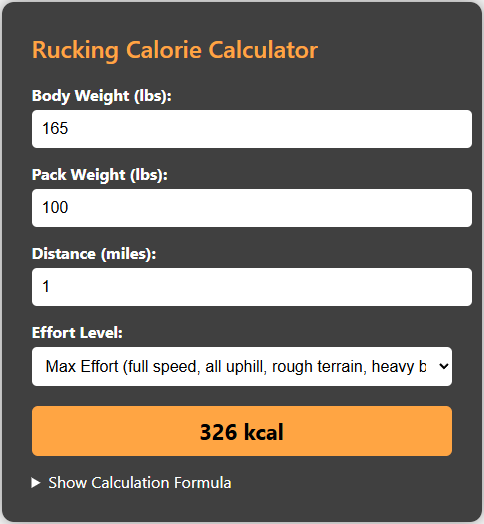
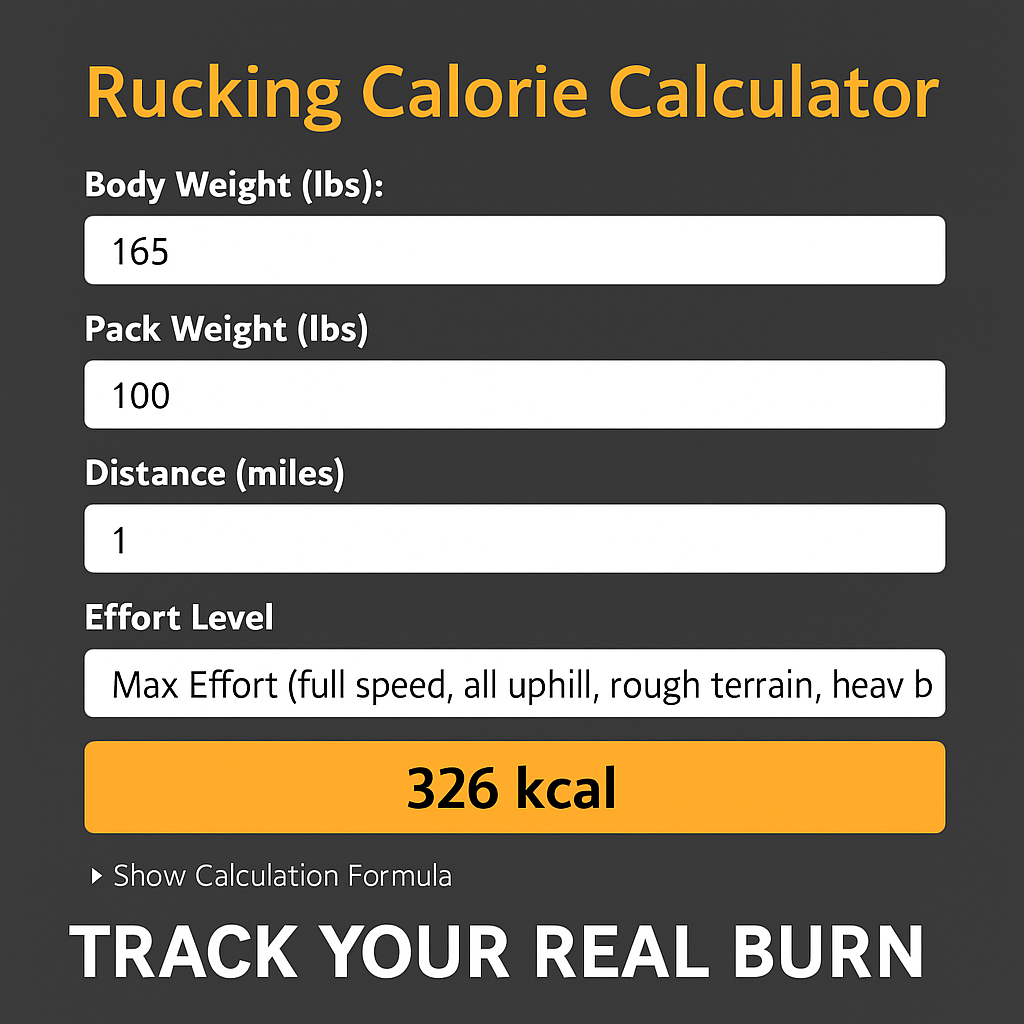
Track your calorie burn and adjust fueling strategies for extreme rucks using the Rucking Calorie Calculator:

If fat loss with heavy rucking is your goal, estimate your results using the Rucking Weight Loss Calculator:

Start Smart, Build Up
- Begin at 20–40 lbs and steadily increase by 5–10 lbs per month as you master distance and recovery.
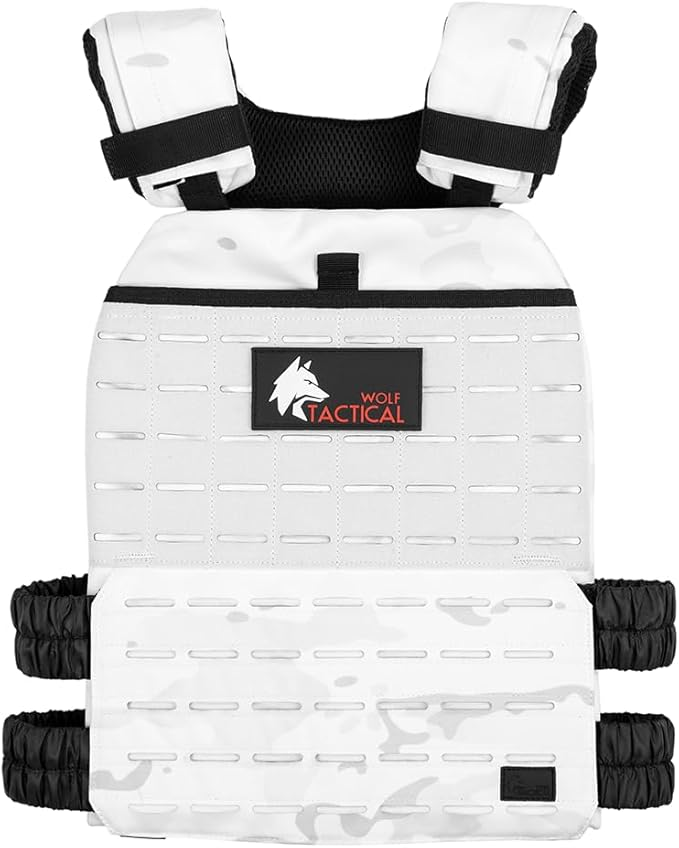
- Check out the Yes4All Ruck Weight Plate for customizable loading options.

Serious about a 100-pound ruck? Consult your doctor first, and use both the calorie tool and weight loss planner for your strategy.