Choosing the best boots for rucking
Rucking is simple: walk carrying load. Your boots matter. The best boots for rucking protect your feet, support heavy loads, and hold up on wet trails and pavement. This guide focuses on features, fit, and several practical options so you can choose boots that keep miles comfortable and injury-free.
What to look for
Comfort and durability are first. Look for a solid sole with a supportive midsole, secure ankle support for heavier rucks, and enough toe room to prevent black toenails. Waterproofing is helpful but breathable membranes like Gore‑Tex can trap moisture from sweat on long outings. Break in any new boots before you add weight.
- Support: firm midsole, stable heel cup.
- Traction: lug pattern that grips mud, rocks, and wet pavement.
- Weight: lighter boots reduce fatigue; heavier boots can be more protective.
- Fit: room in the toe box, snug heel, proper width.
- Cushioning: balance between comfort and feedback under load.
Boot types and when to choose them
If your rucks are frequent, over mixed terrain, choose midweight hiking boots with a supportive chassis. For road-dominant slogging or speed-focused sessions, consider trail running shoes or low-cut hiking shoes with reinforced midsoles. For heavy rucks or load carriage, a taller boot with ankle support reduces sprain risk during uneven steps.
Practical picks and kit pairing
No single pair is right for every rucker, but pairing boots with reliable load-carrying gear makes a big difference. For long distance or military-style rucks, I recommend a durable ruck like the GORUCK Rucker 4.0 20L to protect load and stabilize movement.

For hydration and mixed cardio/weight days, the CamelBak Motherlode 100oz is a dependable companion that keeps water on hand without shifting weight dramatically.

Break-in and sock strategy
Break boots in with short unloaded walks, then add light weight and progressively increase distance. Use moisture-wicking socks and consider thin liners under thicker hiking socks to reduce blister risk. Tape or blister prevention products are handy for long inaugural rucks.
Measure effort and plan training
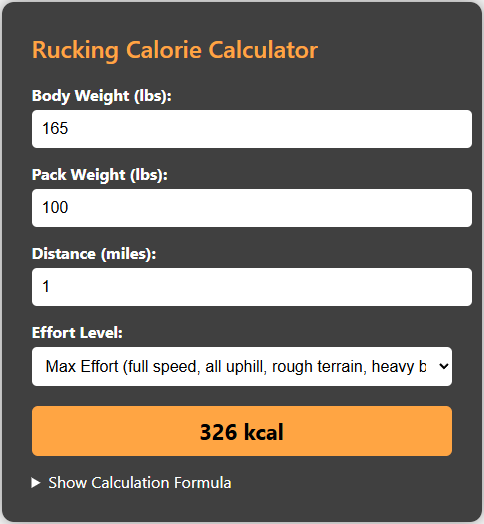
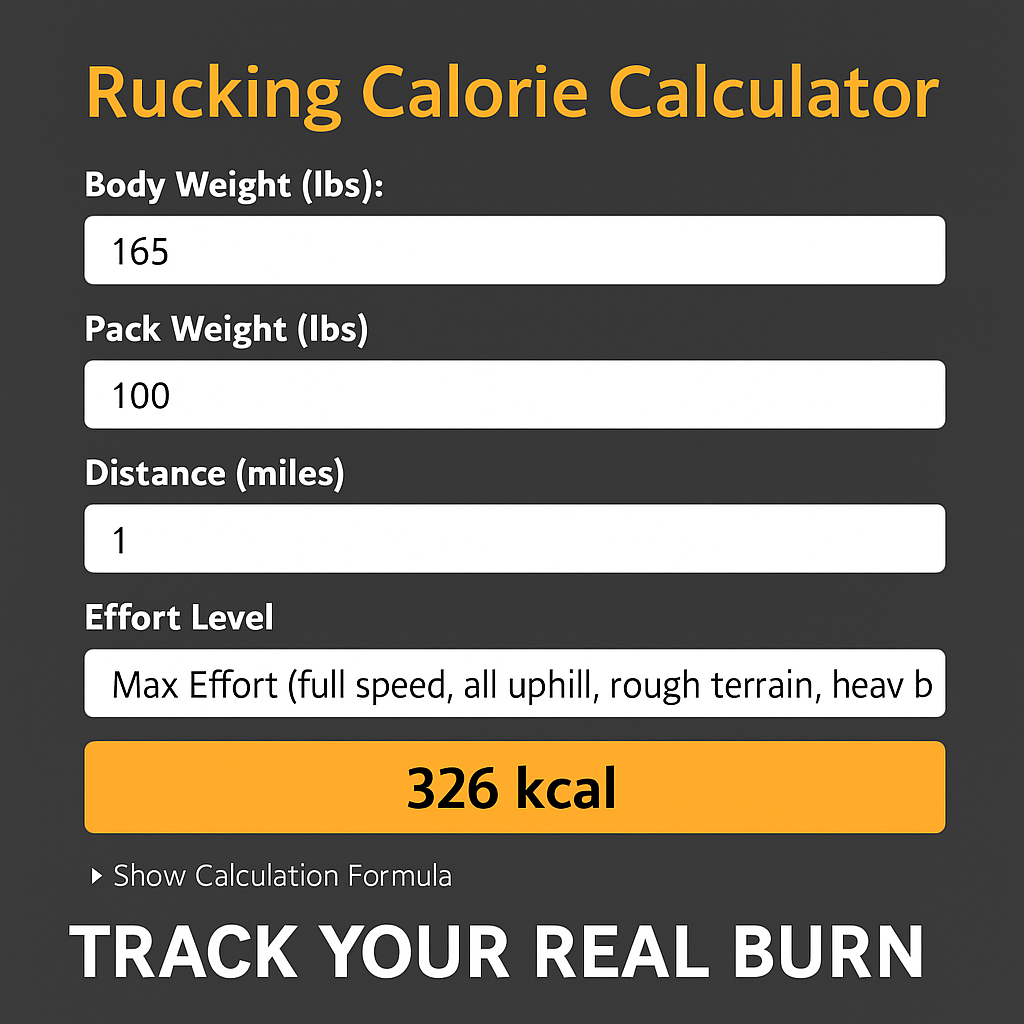
Knowing how many calories you burn during rucking helps plan fuel and recovery. Use the rucking calorie calculator to estimate burn for backpack or weighted vest sessions. Click the image to open the calculator and see realistic numbers for your weight, speed, distance, and carried load.

For Android users, the Rucking app is available on Google Play to track calorie burn, choose weighted vest or backpack modes, and store progress. Install it using the image below. It links directly to the app page and lets you track how many calories you burn while rucking or using a weighted vest, and access weight loss tools and gear discounts.

Final recommendations
Choose boots that match terrain, load, and frequency. Prioritize fit, a stable sole, and proper traction. Pair boots with a stable ruck and reliable hydration. Break in new boots gradually, monitor hotspots, and use the calorie calculator and app to plan progressive training. When in doubt, midweight hiking boots deliver the best balance for most ruckers.
Lacing, insoles, and maintenance
Proper lacing tunes fit for long rucks. Use a heel-lock or runner’s loop to prevent heel slip in trail terrain and when you add weight. Tie snugly across the midfoot but allow a little room in the forefoot. Check laces periodically and carry a spare pair; a snapped lace in the middle of a ruck can ruin a day.
Quality insoles make an immediate difference. If your boots feel stiff but supportive, a thinner performance insole preserves space. If you need more cushioning, choose an insole that offers arch support but does not crowd your toe box. Replace insoles annually or when compression reduces support.
Sole selection matters. A firmer sole reduces foot fatigue under heavy loads and improves stability during steep climbs and descents. A softer, more flexible sole is comfortable over pavement and rolling terrain but may fatigue quicker with heavy weight. Consider dual-density midsoles or a supportive shank for multi-hour loaded marches.
Maintain leather boots with a quick clean and conditioner after muddy rucks, and let boots dry away from direct heat to avoid leather cracking and sole separation. When shopping, try boots late in the day when feet are slightly swollen to get realistic fit. Bring the socks you plan to train in and walk the store aisles for ten to twenty minutes. If you plan to carry heavy loads regularly, size up half a size to protect toes over long descents and ensure comfort during missions.