Rucking Women: How Women Can Benefit from Weighted Walking

Why Rucking is a Game-Changer for Women

Rucking—walking with a weighted backpack or vest—has exploded in popularity among women who want a practical, efficient way to build strength, endurance, and confidence. Unlike traditional gym routines, rucking gets you outside, burns significantly more calories than regular walking, and can be adapted for any fitness level. Whether you’re looking to lose weight, tone up, or simply get more active, rucking is an empowering way for women to level up their fitness without intimidating equipment or crowded gyms.

What Makes Rucking Ideal for Women?

  • Low entry barrier: You just need a weighted backpack or vest—which can easily be adjusted as you get stronger.
  • Scalable intensity: Add or remove weight, change your distance, or mix in hills and intervals for progressive overload without risk of high-impact injury.
  • Total-body benefits: Rucking targets your legs, glutes, core, and back, while also improving cardiovascular health.
  • Flexible routines: Ruck solo, with friends, or as part of a women’s group for social motivation and accountability.

Choosing the Right Rucking Gear for Women

The best rucking gear for women balances fit, comfort, and adjustability. Weighted vests are increasingly popular because they distribute load across the torso and are adjustable for body shape and size. Some top picks include:


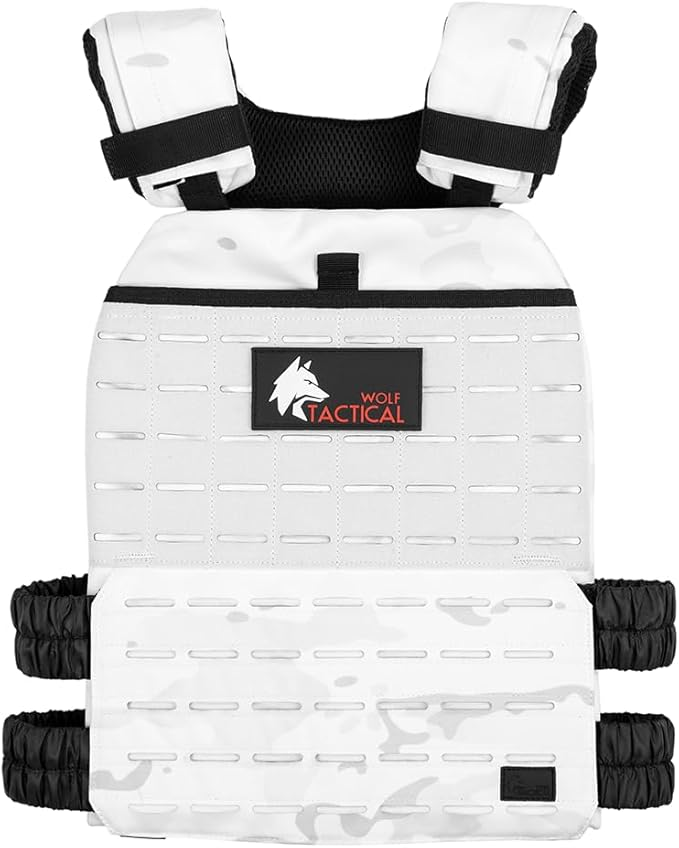
WOLF TACTICAL Simple Weighted Vest for rucking, women
Versatile fit and excellent comfort for women’s rucking routines.

The WOLF TACTICAL Simple Weighted Vest is lightweight, easy to adjust, and contours well to a woman’s body, reducing bounce and chafing—even on longer walks.


BAGAIL Adjustable Weighted Vest pink for women rucking
Style meets functionality—add weight as you progress in your rucking journey.

If you prefer something lighter and more colorful, the BAGAIL Adjustable Weighted Vest is a great option to start with 4-10 lbs. Both options are suitable for beginners or experienced ruckers aiming for a snug, non-restrictive fit.

Training Tips: Getting Started with Rucking as a Woman

  • Start light—aim for 10% of your bodyweight (or less if new to exercise).
  • Focus on posture: Maintain upright shoulders, engage your core, and avoid over-striding.
  • Wear supportive shoes and consider moisture-wicking clothing to prevent chafing.
  • Stay hydrated, especially on warmer days and longer routes.
  • Log your sessions and gradually increase weight, time, or distance for steady progress.

Safety and Empowerment

Rucking not only boosts physical health but can enhance mental resilience. Training outdoors in groups or well-trafficked areas can add to the sense of safety and camaraderie. Many women report a boost in self-confidence as they notice improved fitness, endurance, and the ability to carry themselves—literally and figuratively—with greater strength.

Track Your Calorie Burn and Progress

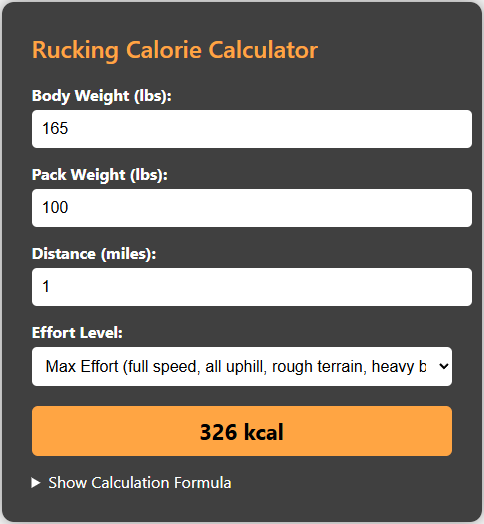
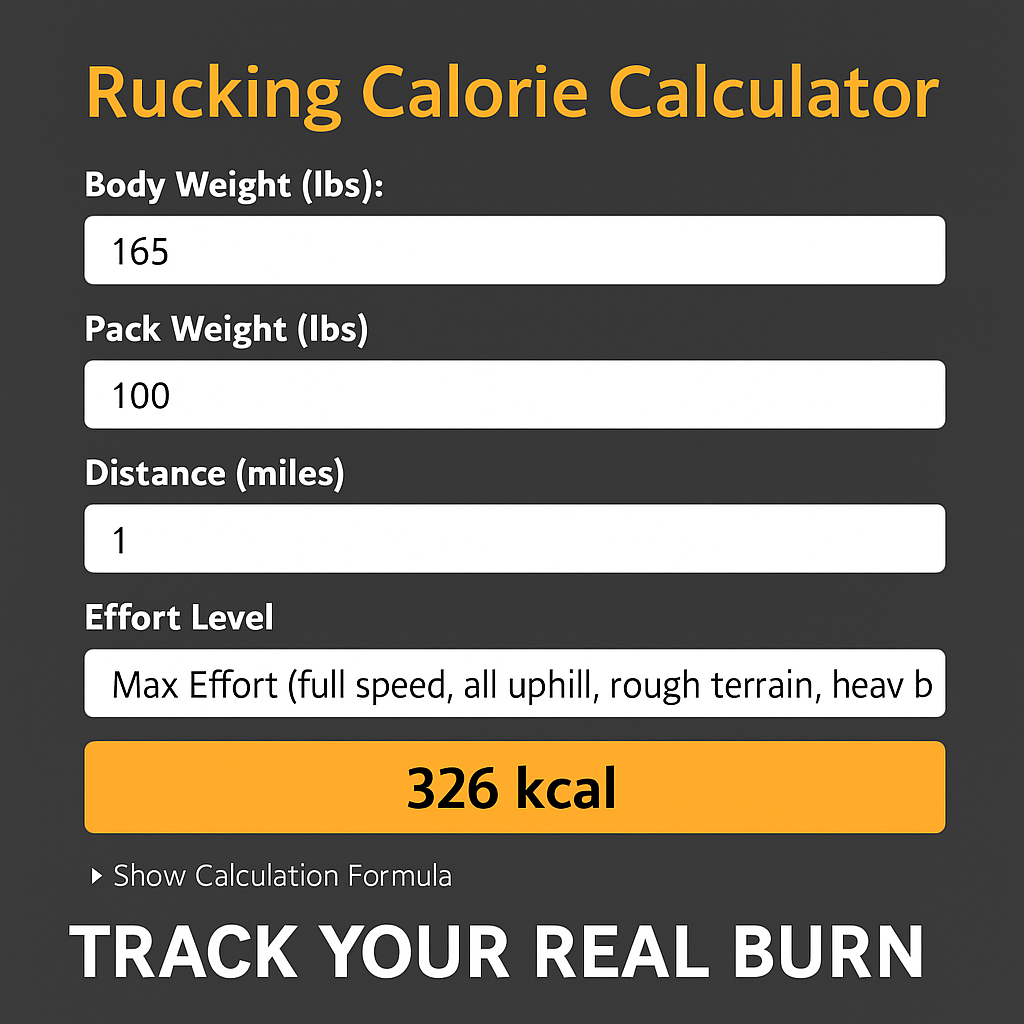
Wondering how many calories you’re burning on your ruck? Use our calorie calculator to get a tailored estimate based on your weight, pack load, pace, and distance.


Rucking calorie calculator screenshot
Calculate your calorie burn for each ruck and set realistic fitness goals.

Try the Rucking Calorie Calculator now →

Posted in Rucking | Tagged , , , , | Comments Off on Rucking Women: How Women Can Benefit from Weighted Walking

Mastering Rucking Daily: Build Resilience and Consistency

Why Rucking Daily Works

Developing a daily rucking routine might be the most reliable way to improve endurance, build lower-body strength, and support consistent fat loss. Backed by military and fitness experts alike, daily rucking offers both the structure and flexibility today’s outdoor athletes demand. It’s about showing up one step at a time, letting the cumulative miles forge resilience and better health.

How to Structure a Daily Rucking Routine

  • Start Light: For most, begin with 10-20 minutes at a comfortable pace with 10% of your body weight or less.
  • Build Gradually: Increase your time rucking by 5-minute increments each week, or bump your load by 5 lbs after every few successful sessions.
  • Mix It Up: Vary terrain and load—trail, urban, incline—to keep your body guessing and avoid plateaus.

Essential Gear for Daily Rucks

Comfort and load distribution matter most when rucking daily. Lightweight, ergonomic vests are just as important as traditional ruck packs.

Wolf Tactical Weighted Vest for daily rucking comfort and adjustability
Durable, ergonomic, and adjustable: a perfect weighted vest for your daily ruck.
CamelBak Motherlode tactical rucking backpack with hydration
Maximize comfort and hydration on daily rucks with this versatile backpack.

Staying Motivated and Safe

  • Prioritize Hydration: Even short daily sessions dehydrate you faster than expected. Bring water or use a hydration pack.
  • Track Progress: Logging mileage, time, and weight keeps you accountable and encourages adherence.
  • Listen to Your Body: If soreness accumulates, alternate rucking days with rest or lighter loads to prevent injury.

Burn Consistent Calories: Use Our Calculator

Wondering how many calories you burn by rucking every day? Check out our calorie calculator below—tracking your calorie burn keeps you honest and helps set realistic weight management goals.

Rucking calorie calculator screenshot

Try the Rucking Calorie Calculator now and visualize your daily progress!

Ready to Commit?

Making rucking a daily habit builds the kind of stamina and discipline that pays off in every part of your life. Whether you walk city streets before dawn or hit trails at lunch, the key is showing up consistently—carry that weight, track your results, and feel your endurance grow with every step.

Posted in Rucking | Tagged , , , , | Comments Off on Mastering Rucking Daily: Build Resilience and Consistency

How to Start Rucking at Home for Practical Fitness

Rucking at Home: Practical, Effective, and Accessible

If you think rucking is only for mountain trails or military-style challenges, think again. Rucking at home is a powerful, flexible training method that delivers genuine results—even with minimal equipment. Whether you’re in an apartment, tight on time, or just want to keep your workouts local, rucking at home makes strength and endurance gains possible for everyone.

Why Ruck at Home?

  • Convenience: No commute, gym fees, or waiting for equipment.
  • Adaptability: You tailor the intensity and duration to your space and schedule.
  • Consistency: Easy daily access means you’re more likely to stick with it.

Home rucking also introduces versatility you won’t always find outdoors. Stairs, hallways, even tight corners become training opportunities. I’ve coached people to lose 20 pounds just by rucking indoors during bad weather or busy stretches.

Rucking Indoors: Smart Approaches

You don’t need a fancy setup. Start with a backpack or weighted vest and enough space to walk laps, climb stairs, or step over obstacles. For beginners, a Wolf Tactical Adjustable Weighted Vest is a top pick for comfort and easy load adjustments.


Wolf Tactical Adjustable Weighted Vest for home rucking
Wolf Tactical vest: snug fit for safe indoor rucking, ideal for beginners and veterans alike.

If you want hydration support or plan long house rucks, try the CamelBak Motherlode Hydration Backpack. I use it for long sessions when I need water and load flexibility—especially if I’m adding weight plates or gear for progression.


CamelBak Motherlode 100oz Mil Spec Crux Hydration Backpack for home rucking
CamelBak Motherlode: seamless hydration and adjustable load—ideal for home or outdoor rucks.

Simple Home Rucking Workouts

  • Lap Walking: Walk back and forth across the biggest open space you have, wearing your weighted vest or loaded pack.
  • Stair Climbs: Use household steps for intense cardio and leg work while loaded up. Go up and down for timed intervals—just keep your posture strong.
  • Step-Overs: Set a sturdy object (like a step platform) and march back and forth.
  • Active Rest: Mix bodyweight squats, push-ups, or lunges during your ruck laps to boost calorie burn.

Remember: hardly anyone nailed their rucking form on day one. Start with a manageable load (10–25 lbs) and slowly add weight as your stamina increases. Need to know how much you’re really burning? Run your stats through our calculator:


Rucking Calorie Calculator Screenshot

Try the Rucking Calorie Calculator now—dial in your home ruck intensity by knowing exactly how many calories you burn per session.

Progression, Motivation, and Long-Term Gains

Keep things interesting by tracking your ruck duration, steps, and weight. Use a fitness tracker, notebook, or Apple Watch Ultra 2 for precise stats and encouragement.


Apple Watch Ultra 2 for home ruck tracking
Apple Watch Ultra 2: track your indoor rucks, pace, and calories for no-excuses progress.

Training indoors may lack scenery, but success is built on persistence, not novelty. Rucking at home strips out excuses—so load up, push your limits, and watch the results take shape in the mirror.

Posted in Rucking | Tagged , , , , | Comments Off on How to Start Rucking at Home for Practical Fitness

How Rucking as Exercise Delivers Full-Body Results

Why Rucking as Exercise Works

Rucking as exercise is one of the most effective, accessible, and functional forms of cardio and resistance training you can do. Whether you’re a beginner or an experienced athlete, strapping on a weighted backpack or vest and heading outside immediately boosts calorie burn, challenges your muscles, and builds real-world fitness.

What is Rucking?

At its simplest, rucking means walking with weight—usually a rucksack, weighted vest, or dedicated load-bearing pack. This practical workout elevates a standard walk by adding resistance, engaging your back, shoulders, legs, and core. Unlike running, rucking is lower impact on joints but still hammers your cardiovascular system and torches fat.

Training Benefits

  • Boosts Calorie Expenditure: Adding external weight can double the calories burned over an hour compared to an unweighted walk.
  • Improves Strength and Endurance: Your legs, back, glutes, and postural muscles get a full-body challenge every session.
  • Cardio, Without the Impact: Keep your heart rate high without pounding your knees and ankles like running often does.
  • Mental & Physical Resilience: The extra load makes you tougher—physically and mentally—preparing you for hikes, outdoor jobs, or tactical demands.

Getting Started: Rucking Gear Essentials

To make rucking as exercise safe and rewarding, quality gear is essential. For those new to rucking or aiming for the best load balance and comfort, I often recommend the Wolf Tactical Adjustable Weighted Vest. It distributes weight evenly, preventing back strain and encouraging good posture outdoors.

Wolf Tactical Weighted Vest for rucking comfort and safety
Wolf Tactical Adjustable Weighted Vest: Perfect for comfort, adjustability, and dynamic outdoor workouts.

If you prefer a full backpack setup that also supports hydration, the CamelBak Motherlode 100oz Mil Spec Crux Hydration Backpack is hard to beat.

CamelBak Motherlode Tactical Hydration Backpack
CamelBak Motherlode: Stay hydrated and customize your load for the perfect ruck session.

How Much Weight for Rucking as Exercise?

Start conservatively—generally 10–20% of your bodyweight. Beginners might use an unloaded pack or a light vest and progress slowly. Listen to your body: If you’re struggling to maintain form or pace, reduce your weight until it’s manageable but challenging.

Outdoor Rucking Tips

  • Pick safe routes—dirt trails, grass, and flats are joint-friendly.
  • Focus on upright posture, with shoulders back and core engaged.
  • Dress for the weather and bring water.
  • Mix up distances and speed for variety and bigger fitness gains.

Measure Your Progress

Look for fat loss, better leg strength, and improved stamina. Track these, not just your pace. To estimate your calorie burn and tailor your rucks to your fitness goals, check out our calorie calculator below.

Rucking Calorie Calculator Screenshot

How many calories are you really burning on your next ruck? Try the Rucking Calorie Calculator now to find out.

The Bottom Line

Rucking as exercise is not trendy hype—it’s proven, scalable, and fits any schedule or fitness level. Grab a pack or weighted vest, get outside, and experience the full-body training benefits yourself.

Posted in Rucking | Tagged , , , , | Comments Off on How Rucking as Exercise Delivers Full-Body Results

What Makes a Great Ruck Website: Key Features and Essentials

Why You Need a Reliable Ruck Website

As rucking grows in popularity, finding accurate, trustworthy resources online is more important than ever. The best ruck websites provide science-backed advice, solid gear recommendations, and practical calculators to help you get the most from your training sessions.

Core Features of a Top-Tier Ruck Website

  • Evidence-Based Tips: Look for training plans and guides developed by qualified trainers who understand rucking’s demands, including strength-building, endurance, and fat loss.
  • Gear Reviews and Comparisons: A great website breaks down rucksacks, weighted vests, ruck plates, and hydration packs. Real-world testing and honest pros and cons make all the difference.
  • Interactive Calculators: Whether you’re counting calories burned or dialing in your ideal pack weight, the best sites offer helpful tools to optimize your workouts.
  • Community and Updates: The most valuable ruck websites build communities, offer challenges, and feature articles from trainers and longtime ruckers who walk the talk.

Gear Matters: Find Genuinely Tested Recommendations

Not every ruck or pack is created equal. Quality websites only recommend products they’ve tested in real-world conditions. For example:

5.11 Tactical Unisex TacTec Trainer Weight Vest for rucking
5.11 TacTec Trainer: exceptional comfort and adjustability for both beginners and seasoned ruckers.

The 5.11 TacTec Trainer Weight Vest is often highlighted for its balanced load and functional design, equally suited for urban hiking and focused training.

CamelBak Motherlode tactical rucking backpack
CamelBak Motherlode: hydration on the go and adaptable storage for long rucks or quick outdoor workouts.

The CamelBak Motherlode Tactical Hydration Backpack stands out for extended sessions—letting you easily adjust the load and stay hydrated in any environment.

Stay Accountable and Measure Progress

The top ruck websites help you track calories burned so you can see real results and adjust your regimen effectively. Use interactive tools like our calorie burn calculator below—all built and tested by people who walk the walk.

Rucking Calorie Calculator screenshot
Calculate your calories burned while rucking—tailored for your pace, weight, and load.

Try the Rucking Calorie Calculator to plan more effective rucks and hit your weight or endurance goals faster!

Final Thoughts

Your time and energy are valuable. Choose a ruck website that helps you get outside, stay disciplined, and train smarter—not just harder. Trust up-to-date guides, reputable product picks, and robust tools to support your rucking journey.

Posted in Rucking | Tagged , , , , | Comments Off on What Makes a Great Ruck Website: Key Features and Essentials

Ruck March CrossFit: How to Combine Rucking With CrossFit Training

Ruck March CrossFit: The Ultimate Hybrid in Endurance and Strength

If you’ve been looking to push your fitness to new heights, combining traditional ruck marches with CrossFit training is a seriously potent mix. Ruck march CrossFit blends military-inspired weighted hiking with high-intensity functional training for a regimen that builds raw stamina, explosive strength, and mental toughness. Whether you’re a CrossFit athlete preparing for events like the Chad 1000X or simply want to add more outdoor grit to your routine, here’s how to make ruck march CrossFit work for you.

What Is Ruck March CrossFit?

Ruck marches are a staple of military training: you hike or walk at pace with a loaded backpack or weighted vest. In CrossFit, rucking is used in WODs, Hero workouts (like Murph or Chad), and competitive events. The combo introduces an endurance component few gym-only routines can match, fostering cardio capacity, leg strength, and serious resilience.

Setting Up for a Ruck March CrossFit Workout

  • Select Your Load: Start with 10–20% of your bodyweight. Weighted vests like the Wolf Tactical Adjustable Weighted Vest are just as effective as classic rucksacks and adjust easily as your fitness climbs.
  • Gear Up for Safety: Load must be secure and stable. The CamelBak Motherlode Hydration Backpack provides adjustability and ample hydration for longer sessions, essential for high-volume CrossFit ruck workouts.
  • Warm Up and Plan Your Route: Use dynamic warm-ups and include exercises like lunges, squats, or burpees.
Wolf Tactical Adjustable Weighted Vest for ruck march CrossFit
Wolf Tactical Weighted Vest: Adds adjustable intensity to any ruck-based CrossFit workout.
CamelBak Motherlode Hydration Backpack
CamelBak Motherlode lets you carry weight and hydration for longer ruck march CrossFit sessions.

Sample Ruck March CrossFit WOD

  • 1–3 miles ruck march (with weighted vest or rucksack)
  • Every 400m:
    • 10 push-ups
    • 10 walking lunges (per leg)
    • 10 kettlebell swings (sub with rucksack or weight plate)
  • Finish with a 10-min AMRAP of burpees and air squats (keep the vest on!)

Why This Combo Works

  • Conditioning: Rucking under load is a cardiovascular and muscular endurance builder—not just a walking test.
  • Versatility: Easily scales for all fitness levels by changing weight or ruck distance.
  • Real-World Toughness: Teaches load management and movement efficiency under fatigue—the essence of functional fitness.

Track Your Burn and Results

Getting exact with your calories burned during ruck march CrossFit workouts helps optimize recovery and nutrition. Try our rucking calorie calculator to estimate exact burn by weight, speed, and load:

Rucking Calorie Calculator screenshot
See how many calories your hybrid workouts torch—try the calculator free.

Tips for Success

  • Increase weight gradually—never sacrifice form.
  • Hydrate early and often, especially when training outdoors in a CrossFit format.
  • Switch up routes and workouts to keep your body adapting and avoid overuse.

Ruck march CrossFit isn’t just grueling—it’s rewarding, practical, and scalable. Bring the intensity of the box to the outdoors, and watch your fitness reach new levels—one weighted step at a time.

Posted in Rucking | Tagged , , , , | Comments Off on Ruck March CrossFit: How to Combine Rucking With CrossFit Training

Ruck March: Building Strength and Stamina Outdoors

What is a Ruck March?

The ruck march is a time-tested fitness method rooted in military training. It involves walking (or fast marching) outdoors while carrying weight in a rucksack, weighted vest, or backpack. This deceptively simple activity is used by military units to build endurance, resilience, and practical strength for real-world scenarios.

Why Do a Ruck March?

  • Burn Serious Calories: Adding weight instantly increases the intensity of a walk, boosting calorie expenditure.
  • Develop Functional Strength: Carrying a load over distance challenges your core, upper back, legs, and grip.
  • Mental Toughness: The discipline and focus required to complete a long ruck translate directly to mental resilience.

Essential Gear for a Ruck March

Choosing the right gear will keep you comfortable and safe. While the traditional rucksack works, modern gear makes the experience better:

  • Weighted Vest: Distributes load evenly for comfort—excellent for beginners or those focused on posture.
  • Backpack/Rucksack: Offers flexible loading and works well for longer distances.
  • Hydration System: Staying hydrated is key on any ruck march.
CamelBak Motherlode Tactical Hydration Backpack for rucking
CamelBak Motherlode: Adjustable, rugged, and hydration-ready for any ruck march.

The CamelBak Motherlode Tactical Hydration Backpack is a great choice for heavier or longer rucks, allowing you to adjust the load and stay hydrated throughout your march.

How to Start Your First Ruck March

  • Start Light: Aim for 10–20% of your bodyweight. Focus on form and foot care.
  • Choose the Right Route: Safe, manageable terrain is ideal—think parks, trails, or sidewalks.
  • Time or Distance: Start with 30-60 minutes or 2-4 miles, and gradually progress.
  • Check Your Posture: Keep shoulders back and core engaged whether using a vest or rucksack.
5.11 TacTec Trainer Weight Vest for ruck marches
5.11 TacTec Weight Vest: Superbly balanced for longer ruck marches and training.

The 5.11 TacTec Trainer Weight Vest is perfect for those who value comfort and balance on ruck marches.

Tips for Effective Ruck Marching

  • Hydrate and Refuel: Drink before, during, and after your ruck. Pack water and easy-to-carry snacks if needed.
  • Protect Your Feet: Well-fitted shoes and moisture-wicking socks prevent blisters—a must for longer outings.
  • Gradually Increase Load: Add weight or distance in small increments week over week.

Track Your Calorie Burn

Curious about how many calories you burn during a ruck march? Use our rucking calorie calculator to estimate your energy expenditure—great for planning weight loss or adjusting your nutrition for recovery.

Rucking Calorie Calculator Screenshot

Try our calorie calculator here and take your ruck march training to the next level.

Posted in Rucking | Tagged , , , , | Comments Off on Ruck March: Building Strength and Stamina Outdoors

Reverse Rucking: A Powerful Variation for Total-Body Strength

What Is Reverse Rucking?

Reverse rucking is a training variation where you walk backward while carrying a loaded ruck. This movement recruits different muscle groups compared to traditional forward rucking, offers unique proprioceptive challenges, and can be a powerful tool for strength, stability, and knee health.

Benefits of Reverse Rucking

  • Knee-Friendly Strengthening: Walking backward under load builds your quadriceps and strengthens the areas surrounding the knee, reducing risk of overuse injuries while providing a pain-free squat accessory for many.
  • Posterior Chain and Balance: Reverse rucking fires up your glutes, calves, and stabilizing muscles. Your core and lower back work overtime to maintain position, which translates well to dynamic sport and trail fitness.
  • Low Impact, High Reward: This training method is excellent for those who want cardio, muscle activation, and fat loss without heavy pounding on joints. It’s also a potent rehab and prehab tool for athletes and weekend warriors alike.

How to Do Reverse Rucking

  1. Load Up: Choose a ruck or weighted vest. For beginners, I recommend the 5.11 Tactical Unisex TacTec Trainer Weight Vest:
    5.11 TacTec weighted vest for rucking
    Outstanding comfort and adjustable load for balanced, beginner-friendly reverse rucking.
  2. Find Your Space: Flat grass, turf, a quiet trail, or even a driveway with good visibility is best for safety. Clear obstacles—the focus is stability and stride quality, not speed or distance.
  3. Maintain Form: Stand tall, brace your core, and take steady backward steps. Lightly touch toe-to-heel with each stride, keeping your knees slightly bent. Think about “pulling” yourself over your support leg each step, not just falling backward.
  4. Start Small: Aim for intervals of 30–60 seconds backward. Rest, then repeat. Don’t overload—20–30 lbs is more than enough for beginners, and 10–20 minutes total is a potent session if focused.

Why Add Reverse Rucking?

  • Break Plateaus: Hitting a rucking or endurance plateau? Adding reverse ruck intervals lights up dormant muscle groups and busts boredom.
  • Knee Rehab/Prehab: If you want to bulletproof your knees, nothing beats controlled backward movements under safe, moderate load. Reverse rucking is a favorite method in many sports medicine circles for joint longevity.
  • Fat-Burning Conditioning: This movement taxes cardiovascular and muscular systems in new ways, making it a potent fat-loss and conditioning tool. Track your calorie burn to see the results over time.

Track Your Reverse Rucking Calories

Reverse rucking, like all loaded carries, torches calories quickly. See how much you’re burning session-to-session with our Rucking Calorie Calculator:

Rucking calorie calculator screenshot
Estimate your reverse rucking calorie burn and track your fat loss progress.

Essential Reverse Rucking Gear

Final Advice

Integrate reverse rucking once a week or swap part of your session with backward walking to boost leg strength, balance, and calorie burn. If you’re serious about knee health, athletic conditioning, or simply want to break the monotony, reverse rucking is a tool you shouldn’t overlook.

Posted in Rucking | Tagged , , , , | Comments Off on Reverse Rucking: A Powerful Variation for Total-Body Strength

Training With The Hyper Vest Elite: Benefits and Rucking Alternatives

Why Weighted Vests Like the Hyper Vest Elite Benefit Rucking and Fitness

The Hyper Vest Elite is a premium weighted vest, known for its slim design and form-fitting feel. If you’re exploring weighted vests for rucking, bodyweight workouts, or conditioning, understanding how this vest performs—and how it stacks up against top alternatives—sets you up for efficient, comfortable training.

Core Features of the Hyper Vest Elite

  • Low-Profile Fit: The Hyper Vest Elite’s zippered, body-contoured build makes it less bulky for natural movement.
  • Breathable: Its stretch fabric improves airflow and comfort, even during high-output hikes or long rucks.
  • Adjustable Weight: You can add or remove small steel weights to customize the challenge, typically in .5 lb increments—ideal for progressive overload.

For rucking or high-rep calisthenics, its close fit minimizes shifting and hot spots. Some athletes also use the Hyper Vest Elite for running or fitness classes, where standard plate carriers or ruck packs would be overkill.

Is the Hyper Vest Elite Good for Rucking?

While the Hyper Vest Elite suits urban walks or bodyweight circuits, rucking often involves higher loads—typically 20–45 lbs or more. The Elite’s max capacity may fall short for serious rucking or military-style fitness. If you plan to push distance and weight, structured vests or packs designed for load carry will work better.

Top Alternatives for Rucking and Weighted Walking

Wolf Tactical Adjustable Weighted Vest
Wolf Tactical vests offer comfort and adjustability for rucking miles or strength sessions.
5.11 Tactical TacTec Trainer Weight Vest for rucking
5.11 TacTec delivers unmatched comfort and performance for serious ruckers and fitness athletes.
  • Kensui EZ-VEST® MAX V2: If you want progressive heavy rucking—up to 300 lbs—this innovative vest is unbeatable.
Kensui EZ-VEST MAX V2 for heavy weighted training
The Kensui EZ-VEST MAX V2 lets you go ultra-heavy for advanced strength or weighted hiking goals.

Choosing The Right Weighted Vest For Your Training

Ask yourself:

  • What’s my primary use—walking, running, bodyweight workouts, or rucking?
  • What weight range do I need for continued progress?
  • How important is comfort versus maximum load?

The Hyper Vest Elite is best for moderate bodyweight or conditioning work, but consider a ruck-focused vest for serious outdoor fitness and trail training. Always prioritize a snug, secure fit and consider adjustable options as your needs evolve.

Calculate The Calories Burned While Rucking

Want to know how many calories you burn carrying weight? Try the rucking calorie calculator below to estimate your energy burn for any vest or pack weight.

Rucking calorie calculator screenshot

Use the rucking calorie calculator for personalized feedback and smarter training plans.

Posted in Rucking | Tagged , , , , | Comments Off on Training With The Hyper Vest Elite: Benefits and Rucking Alternatives

Rucking for Beginners: Your Complete Guide to Getting Started

Why Rucking is Ideal for Beginners

Rucking stands out as one of the most accessible and effective ways to boost fitness, burn calories, and improve endurance. If you’re new to weighted walking, starting slow and steady with rucking is the smart move — it blends cardio with resistance to maximize your time outdoors. As a certified personal trainer, I’ve seen first-hand how transforming even a simple walk with added weight can shape results and build confidence fast.

What Every Beginner Needs to Know

  • Start Light: Begin with 10-15 lbs or about 10% of your bodyweight. Let your body adapt before adding more.
  • Prioritize Comfort: A supportive backpack or weighted vest matters. Any discomfort early on kills consistency, so invest in gear that fits your frame and adjusts to your needs.
  • Perfect Your Form: Walk tall, keep core engaged, and don’t overstride. Proper posture prevents injury and ensures you reap all the strength benefits.
  • Hydrate Well: Especially on longer or warm-weather rucks — carry water and drink before you feel thirsty.

Choosing Beginner Rucking Gear

If you’re just starting out, comfort and balance matter most. Weighted vests disperse load evenly across your torso and can feel less awkward than a loose backpack. For approachable, beginner-friendly vests, I recommend the WOLF TACTICAL Simple Weighted Vest—great for men and women, with easy adjustability and a snug, low-profile fit:

WOLF TACTICAL Simple Weighted Vest for rucking beginners
Even weight distribution and beginner-friendly comfort.

Those who prefer a classic backpack option should look for something built to carry weight and offer hydration support. The CamelBak Motherlode Tactical Hydration Backpack checks all those boxes, letting you adjust your weight, stay hydrated, and rack up more time on the trail:

CamelBak Motherlode Hydration Backpack for beginners
Provides hydration and lets you easily tweak your training load.

Beginner Rucking Workouts

  • Start with 1–2 miles, 2–3 times per week.
  • Track your distance and pace with a fitness watch or app—Apple Watch Ultra 2 is a reliable pick.
  • Keep your route flat at first; hills can come later.
  • Add 2–5 lbs or increase distance only when your current level feels easy.

Progress at Your Own Pace

Not everyone will progress at the same rate. Some will be ready to bump the weight or walk further every week, while others need more time. Listen to your body and focus on consistency.

Track Calories Burned with Rucking

Curious how many calories you’ll actually burn on those first beginner rucks? Find out using the Rucking Calorie Calculator—a quick way to personalize your calorie burn based on your weight, speed, and distance.

Screenshot of the Rucking Calorie Calculator tool
Estimate your calorie burn for each ruck with our calculator.

Final Beginner Tips

  • Be patient — progress adds up over weeks, not days.
  • Stretch after every ruck to avoid tight hips and sore backs.
  • Connect with local rucking groups or communities; motivation is key for beginners.

If you’re consistent, rucking will become the backbone of your healthy routine. It’s accessible, powerful, and absolutely beginner-friendly.

Posted in Rucking | Tagged , , , , | Comments Off on Rucking for Beginners: Your Complete Guide to Getting Started