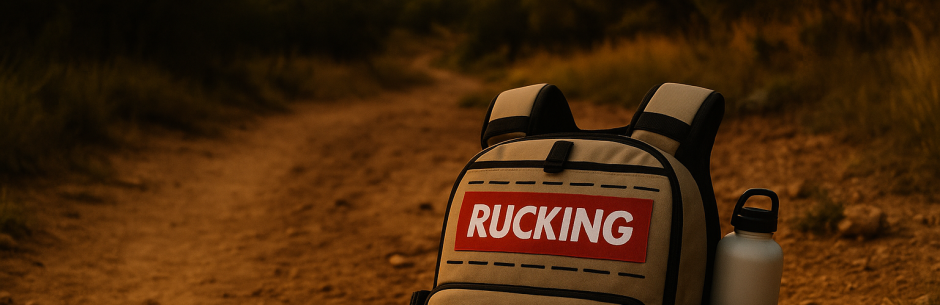
How to Ruck Everyday for Steady Progress and Lasting Results

Can You Ruck Everyday?

Rucking every day might sound intense, but it’s a surprisingly sustainable approach to building endurance, strength, and mental grit. With the right strategy, daily rucking can be safe and enjoyable for most people—even beginners—if you listen to your body and adjust your load and pace sensibly.

Benefits of Daily Rucking

  • Consistent calorie burn: Walking with weight every day torches calories and speeds up fat loss.
  • Functional strength: Your body adapts to load, making you stronger for everyday tasks.
  • Mental resilience: Facing the outdoors and committing to a daily challenge builds lasting discipline.
  • Active recovery: Easy-paced rucks on rest days actually boost circulation and help muscles recover.

How to Structure a Daily Ruck Routine

The key is varying load and intensity. Not every ruck should be heavy or hard—a smart rotation might look like:

  • 2–3 heavy/long rucks per week (20–35+ lbs, 1.5+ hours)
  • 2 moderate days (10–20 lbs, 45–60 minutes, brisk pace)
  • 2 easy/recovery days (unweighted or light, short and conversational pace)

This approach prevents overuse, keeps rucking fun, and allows the body to adapt.

What Gear Works Best for Daily Rucking?

The right equipment makes daily rucking more comfortable and sustainable. Weighted vests—like the Wolf Tactical Adjustable Weighted Vest—evenly distribute the load and are easy to put on or take off for quick daily walks. For those preferring a traditional rucksack, the CamelBak Motherlode 100oz Mil Spec Crux Hydration Backpack is a fantastic option, especially for longer rucks needing hydration on the go.

Wolf Tactical Adjustable Weighted Vest for Daily Rucking
Wolf Tactical weighted vests: beginner-friendly comfort for daily rucking routines.
CamelBak Motherlode Hydration Backpack for Rucking
The CamelBak Motherlode offers hydration and adjustable load for everyday walks or hikes.

Tips for Rucking Everyday Successfully

  • Listen to your body: Soreness is normal, but pain signals a need to rest or lighten the load.
  • Alternate routes and terrain: Seek out trails, grass, or city parks for variety and joint relief.
  • Prioritize recovery: Hydrate, stretch, and consider proper nutrition to fuel daily efforts.

Calculate Your Calorie Burn From Daily Rucking

Curious how many calories you’re actually burning when you ruck every day? Use our free calculator to tailor your daily plan and see your true energy output:

Rucking Calorie Calculator screenshot

Try the Rucking Calorie Calculator here to fine-tune your daily energy burn and optimize your progress!

Posted in Rucking | Tagged , , , , | Comments Off on How to Ruck Everyday for Steady Progress and Lasting Results

Ruck recovery: review the outing and plan the next step

Recovery begins with an honest review

After a demanding ruck, record how the outing affected you before planning the next one. Distance and time are only part of the record; rubbing, foot problems, persistent pain and changes in ordinary movement also matter.

Keep the basics visible

  • Remove the load and check any uncomfortable areas.
  • Make time for regular food, fluids and sleep.
  • Review the demands of work and other exercise.
  • Adjust the next session to your response rather than a rigid calendar.

HPRC load-carriage guidance discusses recovery alongside the broader training schedule. That does not establish one fixed rest interval for every person or every walk.

Avoid promised recovery shortcuts

A contrast shower, tight sleeve or foam roller cannot guarantee faster recovery, and a pack or vest is not recovery equipment merely because it appears in a shopping list. Skip techniques that cause pain and seek individual advice when you are dealing with an injury.

A fixed eating deadline or fluid target cannot serve as a universal rule for every outing. Match nutrition and hydration planning to the person and outing with qualified guidance when needed.

Know when to get help

Seek prompt medical advice after an injury if pain is worsening, swelling is substantial or you cannot bear weight normally, as outlined in the NHS guidance on sprains and strains. A watch’s sleep or heart-rate score cannot diagnose the problem or clear you to continue.

Make the next decision

Repeat, reduce, change the setup or pause according to the evidence you have. The purpose of a recovery record is a workable next step, not proving that every hard outing was successful.

Equipment references

As an Amazon Associate we earn from qualifying purchases. Other marked product links may also be affiliate links.

Check fit, intended use and current specifications before buying. These references are not claims of personal testing or guarantees of comfort.

Black GORUCK plate carrier with shoulder straps
GORUCK Ruck Plate Carrier 3.0. The photo shows the pictured version; confirm current color, selected model and included components at the listing.

Compare the GORUCK Ruck Plate Carrier 3.0 with the requirements you actually have.

Front view of a white camouflage Wolf Tactical vest
Wolf Tactical adjustable weighted vest. The photo shows the pictured version; confirm current color, selected model and included components at the listing.

Compare the Wolf Tactical adjustable weighted vest with the requirements you actually have.

Compare the Apple Watch Ultra 2 Renewed listing with the requirements you actually have.

Keep a useful record

Use the main Rucking.Pro calorie calculator for a planning estimate and the app guide for current phone options. Keep actual distance, elapsed time, complete carried weight and comfort notes alongside the estimate. A calculator cannot choose a suitable load or guarantee weight loss.

Posted in Rucking | Tagged , , , , , | Comments Off on Ruck recovery: review the outing and plan the next step

Rucking on a treadmill: equipment limits, controls and a clear log

Check the treadmill’s rules before adding load

A treadmill offers an indoor walking option, but a weighted setup is not automatically permitted or suitable. Read the exact machine’s manual, weight limit and operating instructions. Include carried weight when assessing the total load and ask the manufacturer if its guidance is unclear.

Prepare the area and controls

The Australian treadmill safety guide advises checking the safety stop and keeping young children away. Follow the machine’s instructions for the safety key, mounting, dismounting and stopping. Keep pets, loose objects and straps away from moving parts.

Avoid a one-size-fits-all workout

There is no universal beginner combination of 4–8% incline, a particular speed and a loaded vest. Learn the machine’s controls and a comfortable unloaded walk first. Change one setting at a time, and do not add speed or slope merely to produce a larger calorie display.

If a load interferes with balance, movement or access to controls, stop the belt as instructed and reassess. Do not step off a moving belt to adjust equipment.

Record the settings you used

  • Note duration, displayed distance, speed and incline.
  • Record the complete carried weight separately.
  • Note whether you held the rails or stopped.
  • Keep comfort and recovery notes beside the numbers.

The web calculator linked below does not directly use treadmill grade or exact speed. Treat its result as a general estimate rather than a measured treadmill total. A supplement does not make a machine or load safer.

Equipment references

As an Amazon Associate we earn from qualifying purchases. Other marked product links may also be affiliate links.

Check fit, intended use and current specifications before buying. These references are not claims of personal testing or guarantees of comfort.

Compare the Wolf Tactical adjustable weighted vest with the requirements you actually have.

Front view of a white camouflage Wolf Tactical vest
Wolf Tactical adjustable weighted vest. The photo shows the pictured version; confirm current color, selected model and included components at the listing.

Compare the CamelBak Motherlode hydration pack with the requirements you actually have.

Tan CamelBak backpack with hydration tube and front pockets
CamelBak Motherlode hydration pack. The photo shows the pictured version; confirm current color, selected model and included components at the listing.

The existing Bucked Up PUMP-OCALYPSE link is optional supplement shopping information. Check ingredients and warnings rather than assuming it prevents cramps or improves recovery.

Keep a useful record

Use the main Rucking.Pro calorie calculator for a planning estimate and the app guide for current phone options. Keep actual distance, elapsed time, complete carried weight and comfort notes alongside the estimate. A calculator cannot choose a suitable load or guarantee weight loss.

Posted in Rucking | Tagged , , , , | Comments Off on Rucking on a treadmill: equipment limits, controls and a clear log

Why the Ruck in Military Culture Matters for Training and Health

The Role of Ruck in Military Life

The “ruck” — short for rucksack or ruck march — is a cornerstone of military training. Service members across the Army, Marine Corps, and special forces units regularly take on challenging ruck marches carrying heavy loads, covering distances from a few miles to 20 or more. But why is the ruck in military training such a big deal, and what can civilians learn from it?

What Is a Military Ruck?

At its core, military rucking is carrying a loaded pack (often 35–70 lbs) while marching briskly. This builds physical and mental resilience, conditioning the body for real-world demands. Rucking trains lower body strength, core stability, endurance, and grip. It’s also a test of discipline and fortitude, as the weight wears down muscle and mind over distance.

Benefits of Military-Style Rucking

  • Strength & Endurance: The loaded march works legs, hips, and core like few other workouts.
  • Cardio Fitness: Sustained effort at a brisk pace jacks up calorie burn and cardiovascular adaptation.
  • Mental Grit: Military rucks teach you to push through discomfort, boosting toughness for any challenge life throws at you.
  • Teamwork: Rucking is rarely done solo in the military. Soldiers finish together, which builds camaraderie — a bonus even for group civilian rucks.

Key Gear for Military Ruck

The right equipment makes a huge difference. While military packs are tough, civilians can benefit from using specialized load-carrying gear designed for both comfort and endurance.

CamelBak Motherlode Military Hydration Backpack
CamelBak Motherlode: Durable, hydration ready, and perfect for long and heavy rucks just like the military requires.

The CamelBak Motherlode Tactical Hydration Backpack stands out for its comfort under heavy load, hydration compatibility, and customization. It’s easy to add or remove ruck weight plates, making it highly adaptable for civilian or intermediate ruckers training for their first military-style event.

How to Start Military-Style Rucking Safely

  • Begin light—start with 15–25 lbs, focusing on form before adding weight.
  • Choose rugged trails, sidewalks, or parks to mimic real terrain.
  • Maintain brisk, purposeful pace — the goal is a steady power walk, not a jog.
  • Wear moisture-wicking socks and shoes with strong support to prevent blisters and injuries.

How Many Calories Do You Burn in a Military Ruck?

One of the biggest advantages of military ruck marches: insane calorie burn. Real-world military rucks can torch up to 450–700 calories per hour, depending on pack weight, pace, and terrain.

Screenshot of the rucking calorie calculator tool
Estimate your calorie burn with our Rucking Calorie Calculator.

Get a personalized estimate for your own rucks using our calculator above.

Final Thoughts

The ruck in military training isn’t just about carrying a load – it’s about forging mind and body together in the face of fatigue. If you want a proven, practical way to build resilience, boost conditioning, or just challenge your limits, it’s hard to beat a military-style ruck. With the right gear and steady progression, you can adopt this method, tapping into the same fitness foundation as the world’s best soldiers.

Posted in Rucking | Tagged , , , , | Comments Off on Why the Ruck in Military Culture Matters for Training and Health

Weighted training vest: record and check the complete setup

Make the worn load easy to reproduce

A weighted training vest is most useful to a log when you can describe its actual configuration. Record the empty carrier and added weights separately, then the total. Otherwise, “20 lb” may mean different setups on different days.

Check retention before the session

Inspect closures, pockets and any plate-loading hardware. Follow the exact model’s instructions for positioning and securing weights. Do not assume a vest’s load will stay balanced simply because the front and back look similar.

Assess comfort under the planned movement

  • Look for slipping or bounce during an easy trial.
  • Check shoulder and torso contact without overtightening.
  • Confirm that breathing and ordinary movement are not restricted.
  • Stop and reassess pain, numbness or persistent pressure.

Keep a configuration note

A useful record includes model, insert or plate setup, complete weight and any strap changes. Add route, duration and comfort afterward. When you change something, note it rather than comparing the sessions as if they were identical.

Avoid promises based on carry style

A vest does not inherently prevent back strain or reduce joint stress compared with every backpack. Fit, use and individual response still matter. Pick the design that meets the activity’s requirements and seek appropriate guidance when suitability is uncertain.

Equipment references

As an Amazon Associate we earn from qualifying purchases. Other marked product links may also be affiliate links.

Check fit, intended use and current specifications before buying. These references are not claims of personal testing or guarantees of comfort.

Compare the Wolf Tactical adjustable weighted vest with the requirements you actually have.

Front view of a white camouflage Wolf Tactical vest
Wolf Tactical adjustable weighted vest. The photo shows the pictured version; confirm current color, selected model and included components at the listing.

Compare the BAGAIL adjustable weighted vest with the requirements you actually have.

Pink BAGAIL vest, removable weight pouch and rear-view fit illustration
BAGAIL adjustable weighted vest. The photo shows the pictured version; confirm current color, selected model and included components at the listing.

Compare the Wolf Tactical adjustable weighted vest with the requirements you actually have.

Keep a useful record

Use the main Rucking.Pro calorie calculator for a planning estimate and the app guide for current phone options. Keep actual distance, elapsed time, complete carried weight and comfort notes alongside the estimate. A calculator cannot choose a suitable load or guarantee weight loss.

Posted in Rucking | Tagged , , , , , | Comments Off on Weighted training vest: record and check the complete setup

Rucksack March: How to Train, Gear Up, and Avoid Mistakes

What Is a Rucksack March?

The rucksack march is a foundational endurance exercise in both military and civilian training, involving walking or hiking long distances with a weighted backpack. Whether you’re preparing for a military test, building outdoor fitness, or just challenging yourself, the rucksack march (or ‘ruck march’) improves cardiovascular capacity, strengthens the lower body, and conditions the mind for toughness.

Essential Gear for a Rucksack March

Packs & Load Carriers

  • GORUCK Rucker 4.0: A classic, bombproof pack designed for heavy rucking and all-weather training.
    GORUCK Rucker 4.0 for intense rucksack marches
    Durable build, perfect for heavy and long-distance rucksack marches.
  • CamelBak Motherlode 100oz Mil Spec Crux Hydration Backpack: This pack lets you adjust weight, keeps you hydrated on hot or extended marches, and is versatile for cardio or load-carrying.
    CamelBak Motherlode Hydration Backpack for rucksack march
    Supports hydration and flexible load—ideal for rucksack marches and endurance training.

Weighted Vests for Rucking

  • Wolf Tactical Adjustable Weighted Vest: A beginner-friendly option with adjustable loads for balanced weight distribution, especially helpful for long marches or urban rucking.
    Wolf Tactical Weighted Vest for rucksack march
    Comfortable for sustained loaded walks and adjustable to any fitness level.

Training for a Rucksack March

Start with a moderate distance (2–3 miles) and a manageable load (10–20% of your bodyweight). Gradually increase your pack weight and distance each week. Use uneven terrain, hills, or trails to build stabilizer muscles and stamina. Consistency is key—don’t ramp up load too fast or you’ll risk overuse injuries.

Tips for Success

  • Pace yourself: Keep your march at a brisk walk or light jog, not a sprint.
  • Hydrate regularly—use a hydration pack or stop for water at scheduled intervals.
  • Monitor your feet: Use moisture-wicking socks and footwear with solid support to avoid blisters.
  • Practice under event conditions: If you’re prepping for a timed ruck, train at the pace and load required by the standard.

Common Mistakes to Avoid

  • Carrying too much weight too soon.
  • Ignoring hydration—especially on hot days or long routes.
  • Wearing improper shoes or skipping foot care.
  • Poor pack fit: Always adjust straps and hip belts for your build.

Track Your Calorie Burn for Rucksack Marches

Want to know exactly how many calories you’re burning with each rucksack march? Use our Rucking Calorie Calculator to analyze your workout, optimize your nutrition, and set realistic training goals.

Rucking calorie calculator screenshot

Rucksack Marches for Real-World Fitness

My own journey started with rucksack marches. Whether you’re prepping for a military event, hiking challenge, or just rebuilding your health, a structured ruck march can transform your endurance and grit. In the field or on city streets, there’s no substitute for moving under load—done right, the classic rucksack march can bring out your best.

Posted in Rucking | Tagged , , , , | Comments Off on Rucksack March: How to Train, Gear Up, and Avoid Mistakes

Rucking 360: A Full-Spectrum Guide to Ruck Training

What Is Rucking 360?

Rucking 360 means taking a holistic approach to ruck training—looking beyond just walking with weight. It’s about understanding how rucking impacts your total fitness, how to balance endurance, strength, mobility, and even mental toughness. Whether you’re a seasoned hiker or brand new to rucking, adopting a 360-degree view means making every session purposeful and safe.

How Rucking Benefits Your Whole Body

Rucking activates your entire posterior chain while working core stability, cardiovascular health, and functional leg strength. Added load changes the demands of a walk; it is not automatically joint-friendly or suitable for every person. Treat strength, calorie and comfort outcomes as individual, not guaranteed.

  • Strengthens legs, core, and back
  • Improves posture and stability
  • Burns significantly more calories than unweighted walking
  • Scales for all experience levels

Choosing Gear for a Safe, Balanced Ruck

As an Amazon Associate we earn from qualifying purchases. Equipment links below are shopping references, not claims of personal testing or guaranteed results.

For phone tracking and download options, see the Rucking app guide. Keep distance, elapsed time and complete carried weight together; calorie figures are estimates.

HPRC’s load-carriage guidance cautions against excessive rucking frequency and rapid load increases.

Your choice of gear is central to the Rucking 360 approach. Two things matter most: load distribution and comfort.

Wolf Tactical Adjustable Weighted Vest for rucking
Wolf Tactical’s weighted vest offers next-level balance and comfort for a wide range of ruckers.
CamelBak Motherlode Tactical Hydration Backpack for rucking
CamelBak Motherlode: easily adjust your load and stay hydrated on any ruck.

Making the Most of Every Session

  • Choose a manageable first outing; do not treat a fixed pound target as suitable for every beginner
  • Prioritize posture: keep shoulders back and core engaged
  • Mix up terrain and pace—try hills, trails, or intervals to build all-around fitness
  • Stay hydrated, especially if you’re rucking over an hour

Optimize Calorie Burn—Calculate Your Effort

For a rough session estimate, use the calculator below. Enter complete carried weight consistently; its output is not a measurement of your metabolism.

Rucking Calorie Calculator screenshot

Try the Rucking Calorie Calculator here.

Troubleshooting & Progressing Safely

Rucking 360 means listening to your body: if you feel fatigue in your lower back, scale back load or frequency. Don’t ignore foot hot spots or shoulder discomfort—adjust your vest or backpack fit immediately. Progress by adding weight or distance in small increments, not both at once.

Above all, consistency trumps intensity. Plan recovery around the whole training week rather than prescribing the same ruck frequency to everyone. Mix in strength and mobility work for the best results.

Ready for Rucking 360?

Take the next step today by focusing on overall balance, the right gear, and smart training—which is what the Rucking 360 philosophy is all about. Your body—and your next outdoor adventure—will thank you.

Posted in Rucking | Tagged , , , , | Comments Off on Rucking 360: A Full-Spectrum Guide to Ruck Training

Morning ruck: plan the route, timing and early start

Build the morning around a realistic departure

A morning ruck can be convenient if it fits your schedule. It does not have a guaranteed fat-loss advantage simply because it happens early. Plan backward from when you need to return, including time to change, eat or get ready afterward.

Prepare the evening before

  • Choose a familiar route and an early turnaround option.
  • Check the forecast and expected daylight.
  • Set out footwear, clothing and a secure pack.
  • Plan water and any supplies for the actual outing.
  • Leave a shorter alternative if the morning runs late.

Recheck conditions before leaving

Darkness, traffic, wet footing or poor visibility may change the route. Use lighting and visibility equipment appropriate to the setting, and avoid rushing to recover lost time. If you are unusually tired or unwell, adjust the plan rather than forcing the original distance.

Keep the routine repeatable

Record departure, return time and any delays. After several comparable outings, you will have a more useful time allowance than a generic pace target. Keep the full carried weight and comfort notes with that record.

Breakfast and supplement choices are individual decisions. An optional product link does not establish a requirement for a morning walk or replace a workable route, water and food plan.

Equipment references

As an Amazon Associate we earn from qualifying purchases. Other marked product links may also be affiliate links.

Check fit, intended use and current specifications before buying. These references are not claims of personal testing or guarantees of comfort.

Compare the 5.11 TacTec Trainer Weight Vest with the requirements you actually have.

Front view of a tan 5.11 TacTec Trainer vest
5.11 TacTec Trainer Weight Vest. The photo shows the pictured version; confirm current color, selected model and included components at the listing.

Compare the CamelBak Motherlode hydration pack with the requirements you actually have.

Tan CamelBak backpack with hydration tube and front pockets
CamelBak Motherlode hydration pack. The photo shows the pictured version; confirm current color, selected model and included components at the listing.

The existing Bucked Up PUMP-OCALYPSE link is optional supplement shopping information. Check ingredients and warnings rather than assuming it prevents cramps or improves recovery.

Keep a useful record

Use the main Rucking.Pro calorie calculator for a planning estimate and the app guide for current phone options. Keep actual distance, elapsed time, complete carried weight and comfort notes alongside the estimate. A calculator cannot choose a suitable load or guarantee weight loss.

Posted in Rucking | Tagged , , , , | Comments Off on Morning ruck: plan the route, timing and early start

Rucking for Seniors: Safe and Effective Fitness Outdoors

Why Rucking Works for Seniors

Rucking—walking with a weighted backpack—offers seniors a low-impact and highly effective path to better health. Unlike intense cardio, it builds strength and endurance while safeguarding joints, making it ideal for all experience levels. Start with light weight, focusing on form first. The enjoyable outdoor environment boosts mood, balance, and social interaction.

Getting Started Safely

  • Consult your healthcare provider before beginning any new exercise.
  • Choose a safe, even path to minimize trip hazards.
  • Begin with a light pack (5–10 lbs) and increase slowly as strength improves.
  • Use supportive shoes and stay hydrated.
GORUCK Rucker 4.0 20L backpack for rucking seniors
Sturdy and comfortable—the GORUCK Rucker 4.0 20L is perfect for safe senior rucking.

Gradually add weight with small increments; consider starting with a book or water bottles, then transitioning to purpose-made Yes4All Ruck Weight Plates for portability and safety. Remember to focus on upright posture and controlled steps.

Yes4All Ruck Weight Plate for seniors
Convenient, compact loading—add plates as you get stronger.

Track Progress and Stay Motivated

Monitoring calories burned helps seniors pace their progress and stay motivated. Try the Rucking Calorie Calculator to gauge how much you burn per session:

Rucking Calorie Calculator screenshot
Track your calorie burn with the Rucking Calorie Calculator.

For those focused on weight loss, estimate your total ruck-based fat burn with the Rucking Weight Loss Calculator:

Rucking Weight Loss Calculator screenshot
Estimate ruck-based fat loss with the Rucking Weight Loss Calculator.

Stay Consistent and Enjoy the Journey

Begin with short walks and gradually increase distance as your confidence grows. Rucking with a friend makes it even better for mental well-being and safety. Embrace the outdoors, take it at your own pace, and watch your health transform step by step.

Posted in Rucking | Tagged , , , , , | Comments Off on Rucking for Seniors: Safe and Effective Fitness Outdoors

Ruck walking: define the load and keep a useful record

Ruck walking is walking with a carried load

The most useful distinction is what you carry and how you record it. A backpack places the load in a bag; a weighted vest is a different setup. Either needs an appropriate fit and a manageable outing. Neither automatically makes walking joint-friendly or produces a fixed calorie bonus.

Let the route guide the setup

Choose familiar footing and a practical turnaround. Think about water and other supplies before choosing between a bag and vest. Secure the contents and follow the equipment maker’s instructions.

Check movement as well as fit

Use an ordinary comfortable walking pattern rather than forcing a long stride or a particular “military” posture. If the load changes how you move, reconsider the setup. Stop and reassess pain, numbness or persistent rubbing.

Keep the comparison clear

  • Record the complete carried load, including equipment and supplies.
  • Use actual route distance and elapsed time.
  • Note hills, stops and conditions.
  • Record comfort during and after the walk.

Choose the next change deliberately

If the walk was manageable, repeating it can be more informative than immediately making it harder. If you change distance, pace or load, mark the change in your log. A calorie estimate can accompany those notes but should not be the only definition of a successful session.

Which kind of weighted walking do you mean?

For a useful comparison, name the setup rather than logging every activity as the same kind of walk.

  • Backpack rucking: the carried load sits in a bag. The bag can also hold water, layers and other supplies. See the weighted-backpack setup guide for load retention and storage decisions.
  • Weighted-vest walking: the load is carried in the vest’s own pockets or plate compartments. Fit around the torso and the permitted insert arrangement matter. See the first walking-vest trial.
  • Handheld carries: your hands must retain the weights, so grip and access to a rail, phone or walking aid become part of the task. Do not assume this is equivalent to wearing the same total load in a vest.
  • Wrist or ankle weights: these put the load on the limbs rather than in a backpack or torso garment. Do not enter them as a vest and treat the resulting calorie estimate as validated for that activity.

Make one comparison you can actually interpret

Pick a question such as “Does this pack stay secure on my usual loop?” Keep the route and equipment configuration clear, then note where you stopped to readjust and whether an item shifted. A faster finish on a flatter route does not tell you whether the equipment worked better.

If you switch from a backpack to a vest, start a new comparison rather than treating the same printed weight as an identical workout. Record the complete setup and retain the old notes. Progress can mean fewer adjustment stops or a repeatable route, without adding another plate.

Equipment references

As an Amazon Associate we earn from qualifying purchases. Other marked product links may also be affiliate links.

Check fit, intended use and current specifications before buying. These references are not claims of personal testing or guarantees of comfort.

Front view of a white camouflage Wolf Tactical vest
Wolf Tactical adjustable weighted vest. The photo shows the pictured version; confirm current color, selected model and included components at the listing.
Tan CamelBak backpack with hydration tube and front pockets
CamelBak Motherlode hydration pack. The photo shows the pictured version; confirm current color, selected model and included components at the listing.

Compare the Wolf Tactical adjustable weighted vest with the requirements you actually have.

Compare the CamelBak Motherlode hydration pack with the requirements you actually have.

Keep a useful record

Use the main Rucking.Pro calorie calculator for a planning estimate and the Rucking app guide for iPhone and Android downloads. In the app, select backpack or weighted vest to match your setup and enter the complete carried load before starting your walk. Keep actual distance, elapsed time, complete carried weight and comfort notes alongside the estimate. A calculator cannot choose a suitable load or guarantee weight loss.

Posted in Rucking | Tagged , , , , | Comments Off on Ruck walking: define the load and keep a useful record





