Why a rucking hills training plan works
Rucking hills is one of the fastest, most reliable ways to build leg strength, conditioning, and calorie burn while carrying real load. A focused rucking hills training plan mixes hill repeats, steady loaded walks, recovery days, and progressive overload in the vest or pack. I write this in the voice I coach from: practical, direct, and outdoor-first. If you want results, you need structure, measured progression, and consistency.
Principles to follow
- Start light and add load slowly: your body adapts to weight before speed over rough ground.
- Prioritize recovery: quality sleep, hydration, and shorter easy rucks prevent injury.
- Mix intervals and tempo: short uphill repeats build power; longer steady rucks build endurance.
- Track and adjust: use a calorie and weight-loss calculator to measure progress and adjust calorie targets.
Sample 8-week rucking hills training plan
This 8-week plan assumes you ruck 3–4 days per week and have a basic level of fitness. Use a weighted vest or ruck pack depending on your goals. Start with a vest weight you can handle for 30 minutes of mixed uphill and flat walking without pain.
- Week 1–2 (Base building): 3 rucks — two 30–45 minute steady rucks on rolling hills at conversational pace, one short hill interval session: 5 x 60s uphill brisk walk with easy descent.
- Week 3–4 (Volume & intensity): 3 rucks — one long steady 60–90 minute ruck on varied terrain, one hill repeat session: 6–8 x 90s uphill with 2–3 minute recoveries, one recovery easy 30-minute walk.
- Week 5–6 (Progression): Add 5–10% load or extend intervals slightly. Long ruck becomes 90–120 minutes. Include one tempo hill ruck: sustained moderate uphill sections for 20–30 minutes total volume.
- Week 7–8 (Sharpening): Peak volume in week 7, then deload week 8: reduce load and distance by 30–40% to recover and test fitness.
Session examples and technique
- Hill repeats: stay tall, use short powerful steps, push from the hips, breathe steadily. Walk hard — it’s not a sprint.
- Tempo uphill: maintain a pace you can sustain for 10–20 minutes; focus on steady effort rather than speed.
- Loaded long ruck: practice nutrition and hydration systems you’ll use on longer outings.
Tools: calculators, app, and gear
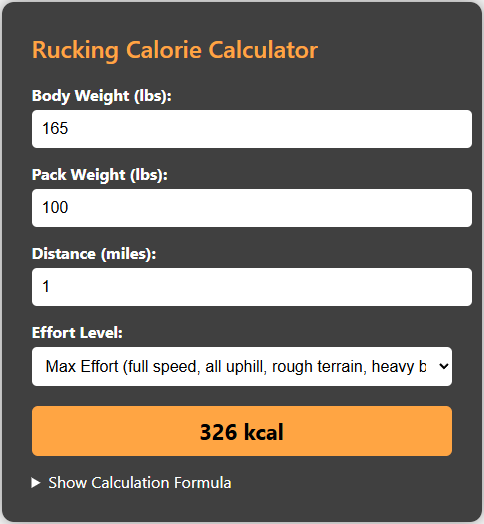
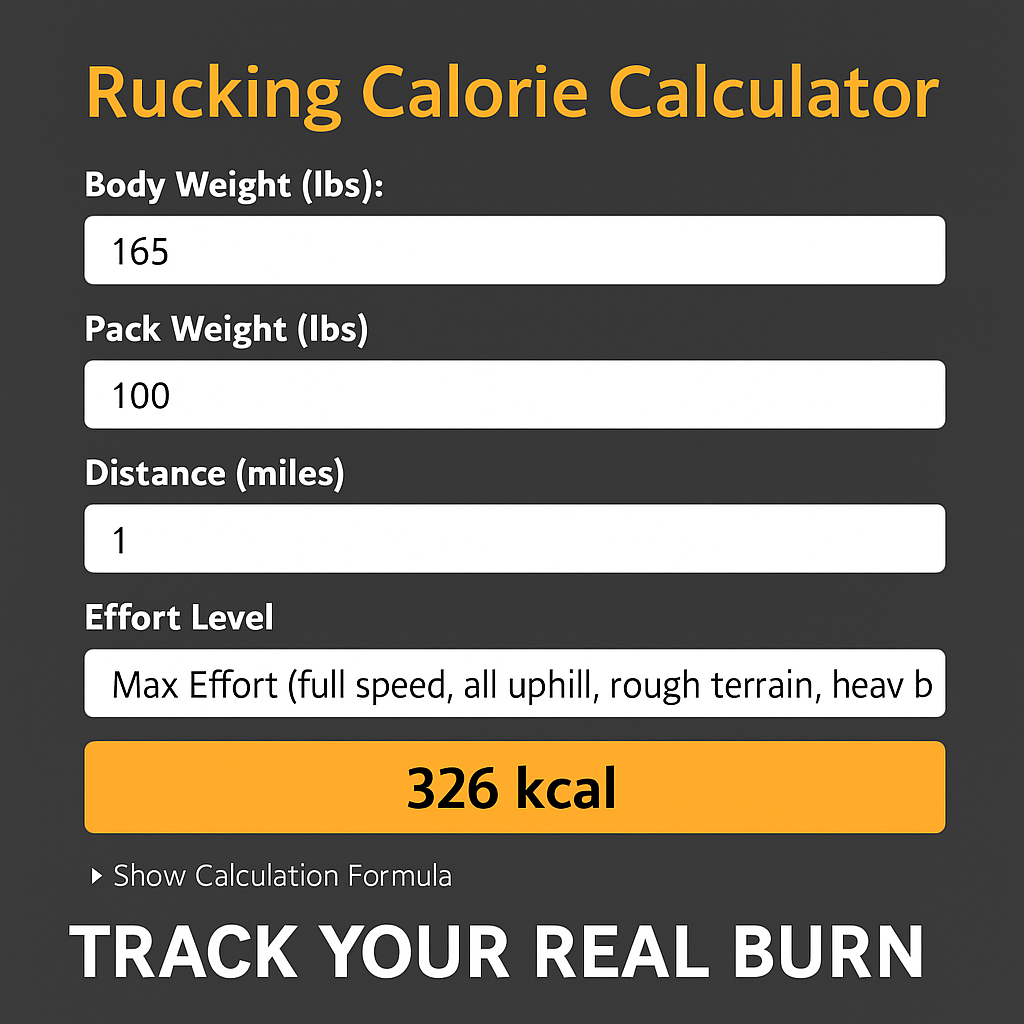
Use the Rucking calorie calculator to estimate calories burned for weighted vest or backpack rucking. It helps dial load, speed, and duration so you progress safely.

For tracking on the go, the Rucking app is available on Google Play and links directly to the calorie and weight-loss tools, gear discounts, and ruck tracking. Install it for accurate session tracking and progressive plans.

Recommended gear
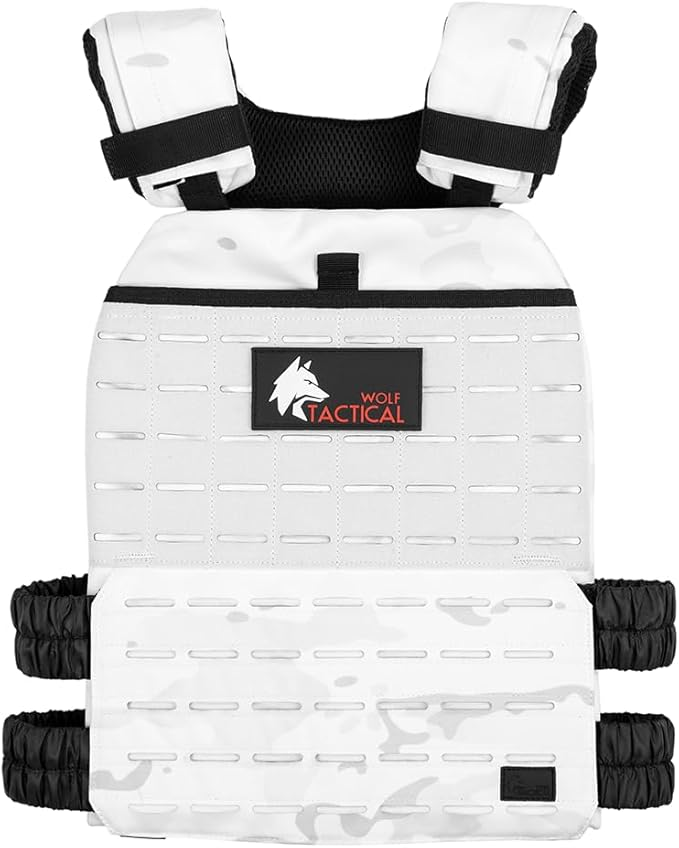
For hill-focused rucking favor a stable vest or a durable ruck with good load distribution.

For longer distance hill rucks where you need hydration and pack capacity, consider a ruck like the GORUCK Rucker.

Coaching note
As an ISSA-certified trainer who used rucking and weighted-vest work to change body composition, I recommend slow, consistent progression. Increase weight only when technique and recovery are dialed. Track your workouts and calories with the calculator and app so you know what works for your body.
Quick checklist before a hill session
- Check shoes and footing; hill rucking is hard on ankles.
- Start with a warm-up and end with mobility work for hips and calves.
- Hydrate and refuel after long or intense hill work.
Follow this rucking hills training plan for measured progress, and use the tools linked above to keep training efficient, safe, and results-driven.