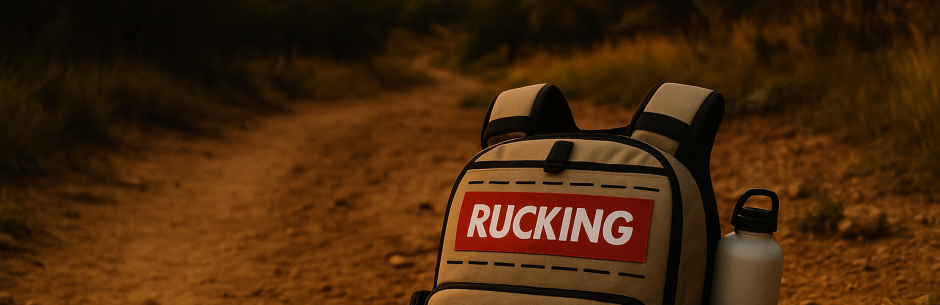
Why Use a Body Weight Vest for Rucking?
A body weight vest changes the rucking game. Instead of only relying on a loaded backpack, training with a weighted vest levels up strength, cardio, and overall fitness. Unlike traditional packs, vests evenly distribute weight across your torso, which feels more natural, lets you move faster, and combats posture breakdown during long walks or hikes. If you’re new to adding resistance or experienced with rucking, a body weight vest is one of the simplest ways to boost calorie burn and promote real-world functional strength.
Top Benefits of Body Weight Vests in Rucking
- Improved Weight Distribution: Less chafing and strain than a lopsided pack.
- Versatile Progression: Add plates or increment weight as you adapt.
- Core & Posture Training: Forces strong posture, which reinforces better form on trails or pavement.
- Cardio & Strength Fusion: Heavier vest = more muscular activation and cardiovascular stress — leading to faster results.
Best Body Weight Vest Options for Ruckers
Choosing the right vest comes down to comfort, adjustability, and training goals. For general-purpose rucking or outdoor fitness, I lean toward adjustable, secure vests—it’s not just about weight, but how the load moves with you.
-
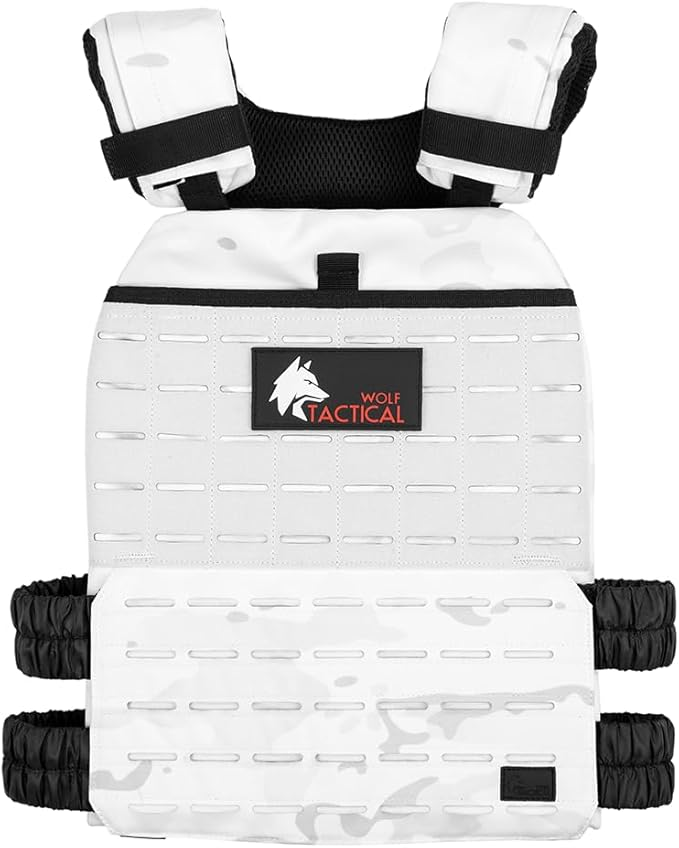
Wolf Tactical Adjustable Weighted Vest – Simple, rugged, fits most bodies. Adjustable for every fitness level.

Secure, adjustable, and ideal for new or seasoned ruckers. -
5.11 Tactical Unisex TacTec Trainer Weight Vest – Renowned for fit and airflow; top choice for longer, heavier rucks.

Breathable, ergonomic, and built for endurance and comfort. -
Kensui EZ-VEST® MAX V2 (300 lbs) – The monster if you want up to 300 lbs of load. Essential for those ramping up serious strength.

Handles the heaviest loads for intense strength-focused rucking.
Optimizing Your Training with a Body Weight Vest
Start with a manageable weight (usually 10–20 lbs), then increase resistance as your strength and conditioning improve. Focus on posture: stand tall, core engaged, stride controlled. Alternate between steady rucks and hill intervals. As you get stronger, try dynamic movements — lunge walking, stairs, or short sprints — for real-world athleticism.
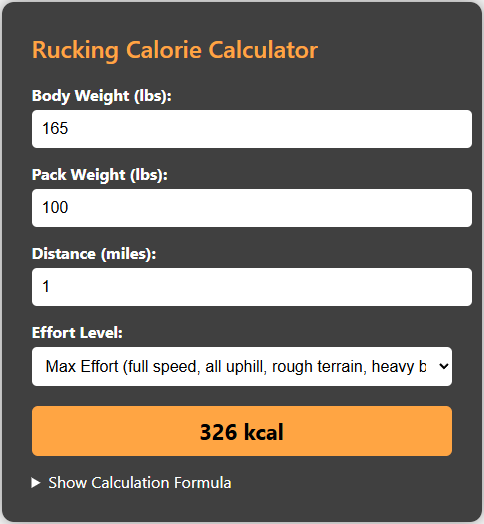
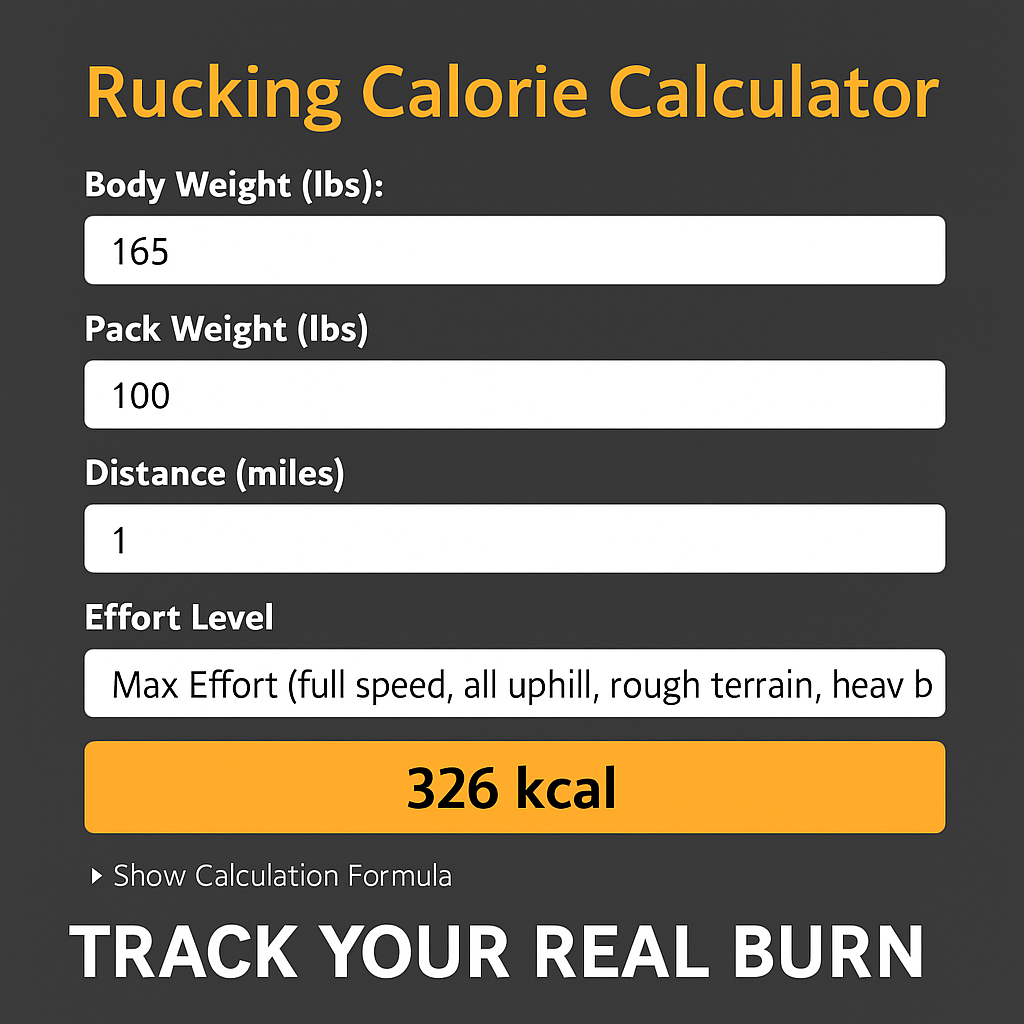
For those unsure about how much weight to use or how it impacts your calorie burn, try this helpful tool:
Check your exact calorie burn with the free Rucking Calorie Calculator:

Body Weight Vest vs. Backpack: Which is Better?
Weighted vests and rucksacks both get the job done—but for the average fitness-focused person, vests offer a lower learning curve and greater comfort. A vest keeps the load stable (no swinging or bouncing), making it ideal for walking, hiking, or bodyweight circuits. Still, mixing up your gear between a high-quality rucksack and a fitted body weight vest can unlock the best of both.
Real-World Advice: Mix and Progress
For most, alternating between a body weight vest and rucking backpack keeps your body adapting—building a stronger back, core, and cardiovascular engine over time.