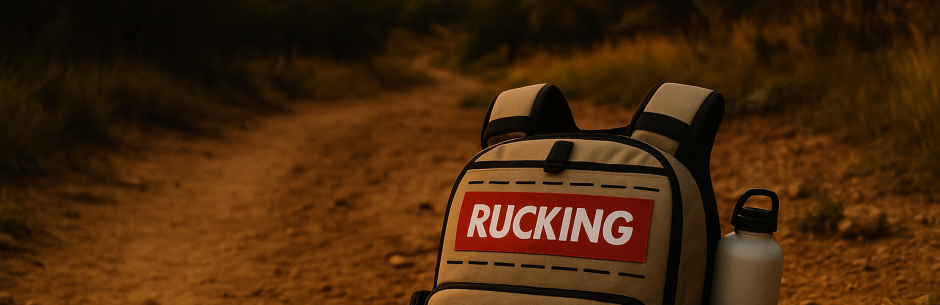
What Is Fitness Rucking?
Fitness rucking means walking with a weighted backpack (or ruck) or a weighted vest, blending cardio, strength, and endurance into one highly effective outdoor workout. It’s a straightforward way to boost heart health, burn calories, and develop muscular endurance—all while enjoying the outdoors. For many, rucking is a bridge between everyday walking and rigorous hiking or weight training. You get stronger legs, a powerful core, and cardiovascular benefits, all from a simple change: adding weight while you walk.
Benefits of Rucking for Fitness
- Total-body strength and endurance: The added load makes your back, legs, core, and shoulders work harder compared to regular walking.
- Low-impact, sustainable cardio: Rucking is easier on the joints than running yet burns significantly more calories.
- Outdoor connection: Unlike the gym treadmill, rucking gets you outside—fresh air, sunlight, and real terrain.
- Mental resilience: There’s a mental edge in handling weight over distance, which builds grit and discipline over time.
Rucking Gear Essentials
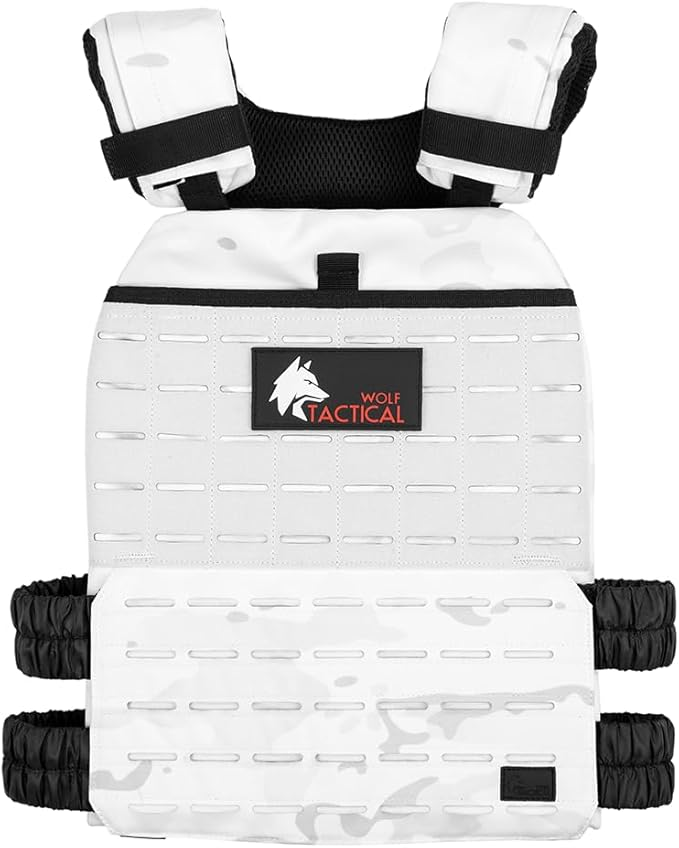
Your gear makes all the difference. Beginners often try a sturdy backpack with dumbbells, but the smartest progress comes with purpose-built gear. For fitness-oriented rucking, the Wolf Tactical Adjustable Weighted Vest stands out: it spreads the load evenly, is highly adjustable for comfort, and keeps your hands free.

For those looking to up the ante and train for heavy rucks or military-style fitness, GORUCK Rucker 4.0 20L is built to withstand serious mileage and heavy loads.

How to Get Started with Fitness Rucking
- Start light: Use 10–20 lbs if you’re new, or only a bit more if you’re carrying groceries regularly.
- Keep walks moderate: 1–3 miles, aiming for good posture and steady pace.
- Advance slowly: Add weight or distance gradually—never both at once.
- Focus on form: Keep shoulders back, core engaged, and don’t slouch under the load.
Tracking Your Progress and Results
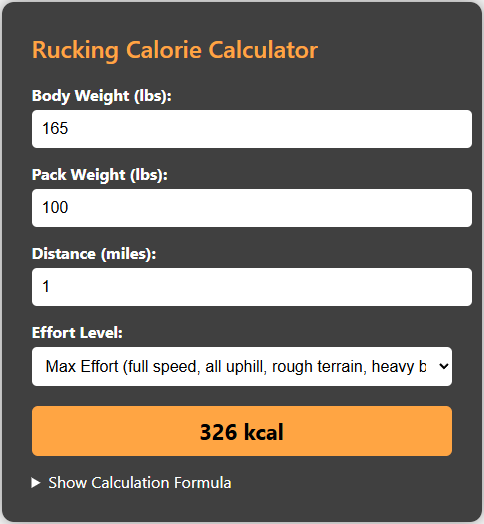
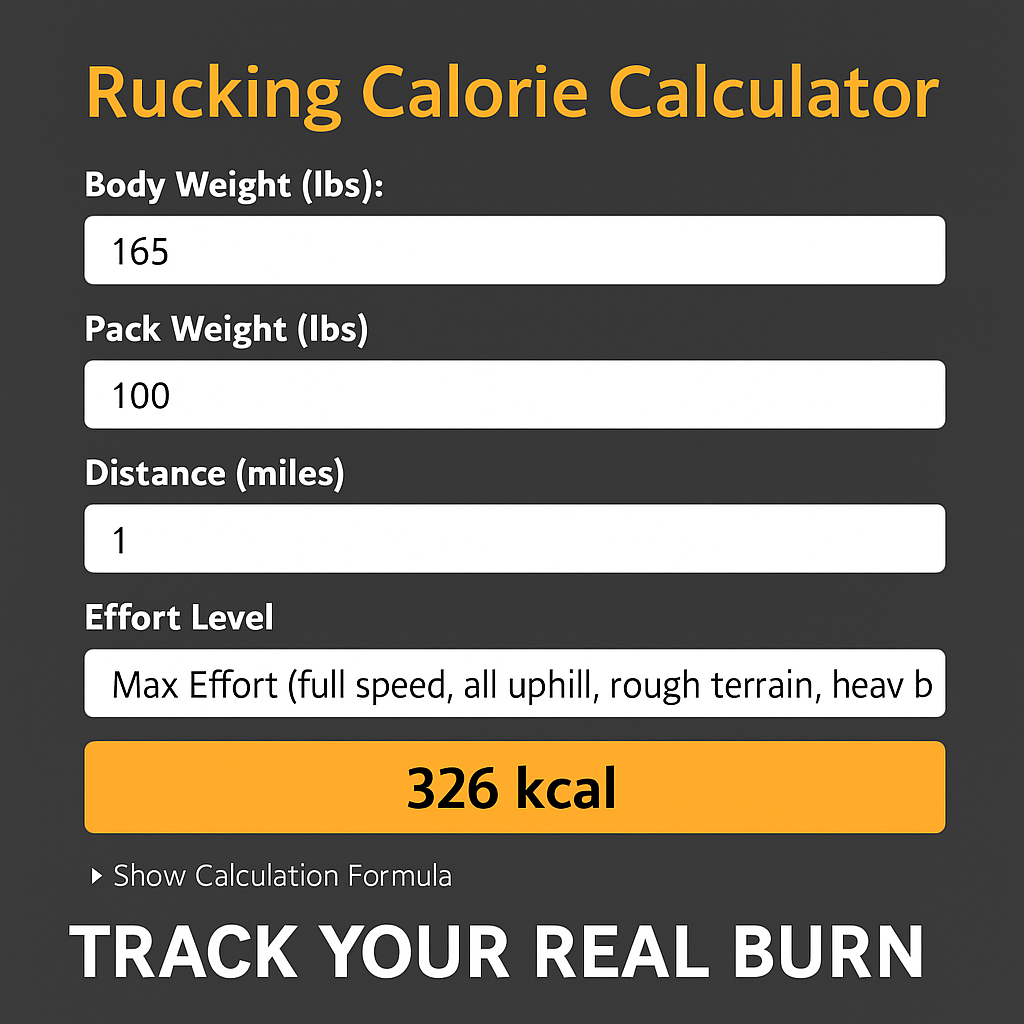
What gets measured, gets improved. Use a fitness tracker or the Rucking Calorie Calculator to estimate calories burned and gauge your progress session by session.

Conclusion
Fitness rucking is accessible, rewarding, and constantly challenging. With the right rucking vest or backpack and a plan for slow, consistent progress, you’ll transform your endurance and functional strength. Give it four weeks, and you’ll see the difference—on and off the trail.