Understanding What Makes a Good Ruck
A good ruck is more than just strapping on a backpack and hitting the trail. It’s about choosing the right load, using quality gear, and applying form that protects your body while maximizing fitness gains. Whether you’re prepping for a military selection, building endurance, or looking for an outdoor fat-burning session, focusing on a few key elements will take your rucking to the next level.
Start With Quality Gear
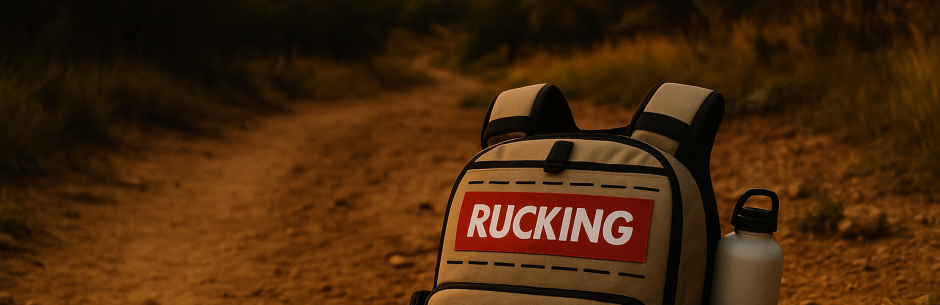
- Load-Carrying Comfort: Your rucksack or weighted vest should distribute weight evenly and allow for adjustable loading. The CamelBak Motherlode Tactical Hydration Backpack is a popular choice for its hydration system and rugged design, ideal for longer distances or mixing weight and cardio workouts.

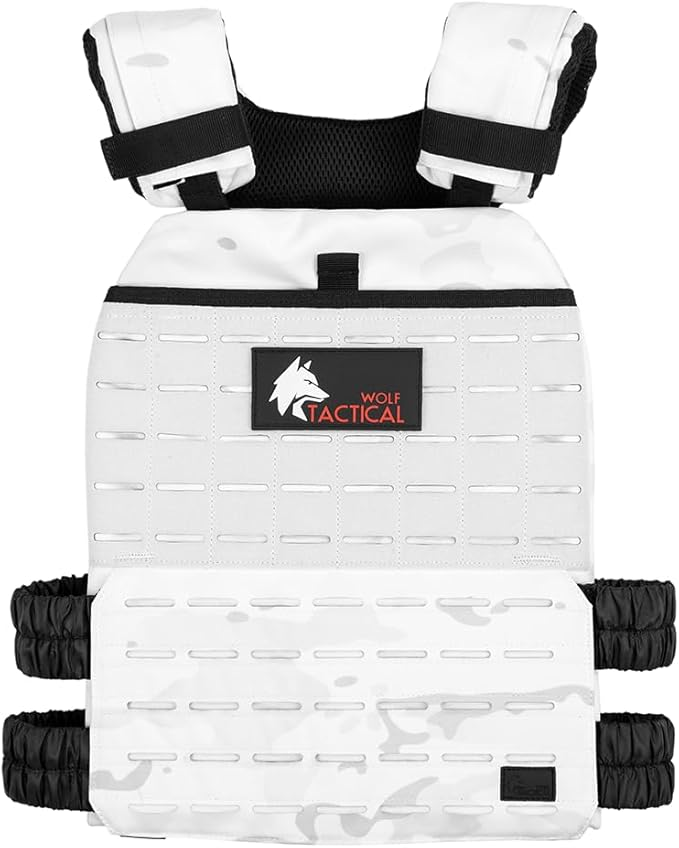
Durable and hydration-ready — perfect for a variety of ruck training scenarios. - Weighted Vest Options: If you prefer a compact, snug fit, consider a weighted vest like the 5.11 Tactical Unisex TacTec Trainer Weight Vest. It offers a secure fit and lets you adjust plates for different training goals.

Provides load balance and flexibility for all-level ruck sessions.
Weight Selection Matters
A good ruck begins with the right weight for your ability and goals. For beginners, 10-20% of your bodyweight is a smart starting place. As you build up strength and mileage, you can gradually progress. More important: a weight heavy enough to challenge your cardiovascular and muscular system, but not so heavy that it compromises form or causes injury.
Technique and Safety First
- Posture: Stand tall, keep your core braced, and walk with your head up. Avoid overstriding, which can stress your knees and hips.
- Pacing: You don’t have to move at military speed. Maintain a pace that lets you breathe deeply and finish strong.
- Hydration: Use a pack with hydration support, or bring a bottle and drink regularly, especially on longer rucks or in hot weather.
When Is a Ruck Most Effective?
A good ruck fits your goals — for fat loss, focus on longer, moderately weighted sessions. For strength and leg power, use heavier weight and tackle hills. You’ll get more than just physical benefit: time outdoors, a test of mental grit, and often, better mood and sleep.
Track Your Calories Burned
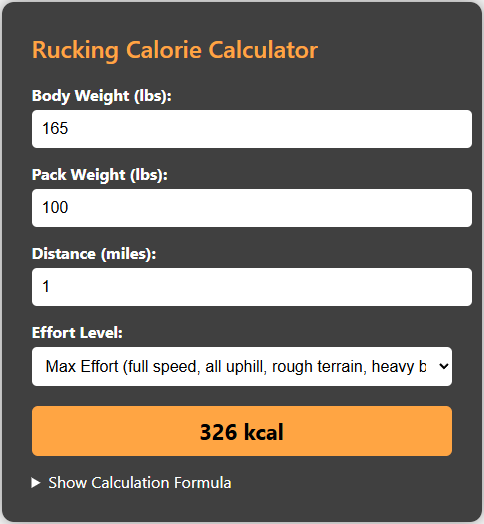
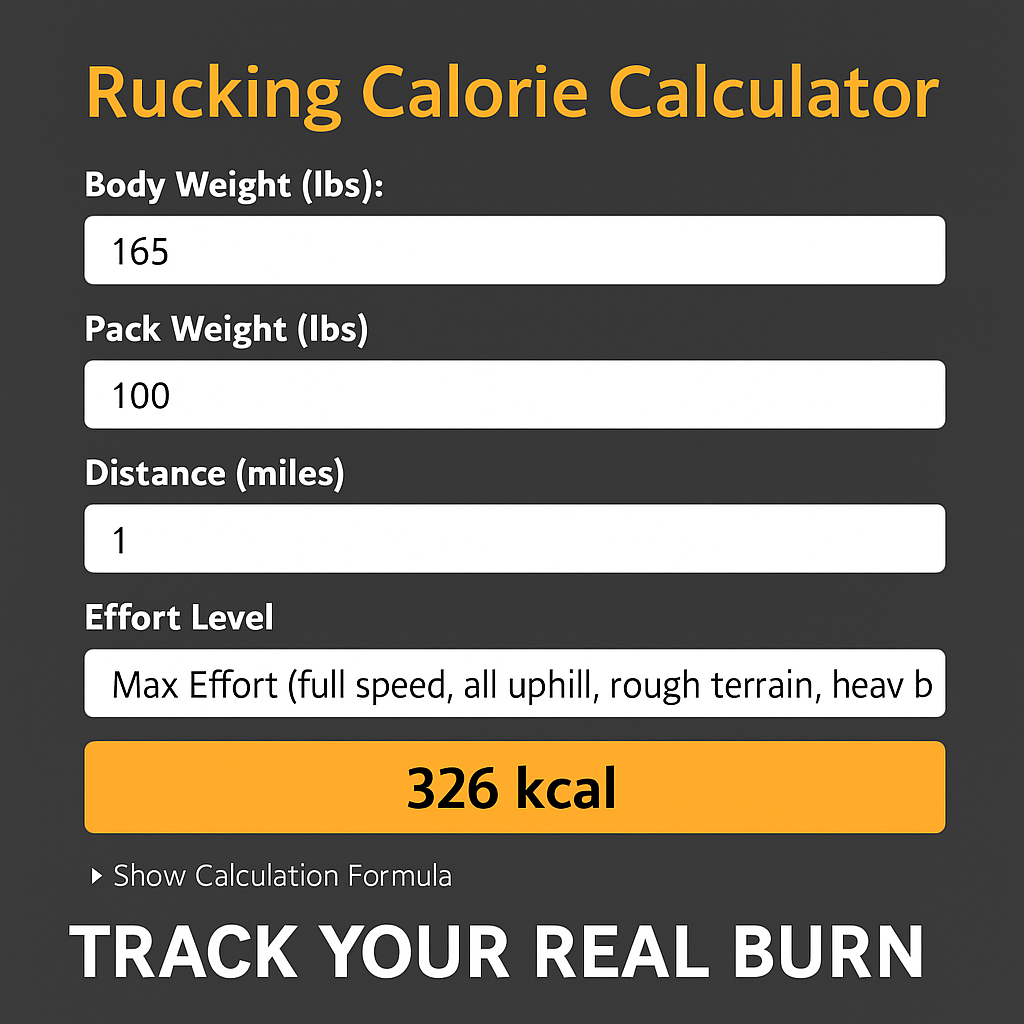
Want to know how much you’re burning on a good ruck? Use our Rucking Calorie Calculator to estimate calories for your weight, distance, and speed.

Summary: The Components of a Good Ruck
- Proper gear: Balanced, adjustable, hydration-friendly
- Appropriate weight for your fitness and goal
- Good form and steady pace
- Smart hydration and nutrition support
Dial in these essentials, and every ruck becomes an effective outdoor workout that builds strength and stamina — and, with consistency, delivers real results.