How to avoid blisters rucking
Rucking puts repeated friction and moisture on the feet. Preventing blisters is mostly about fit, moisture control, and early intervention. These are field-tested, practical steps to keep your miles productive and pain-free.
Fit and footwear
Start with boots or trail shoes that match your foot shape. A shoe that pinches or allows sliding creates hotspots. Break in footwear gradually with short weighted walks before long rucks.
- Choose the right size with a thumb’s width of toe room.
- Opt for boots with firm heel counters to limit slip.
- Use lacing techniques (heel lock) to secure the foot without overtightening.
Socks and moisture management
Moisture-wicking socks are essential. Merino or synthetic blends move sweat away from skin; cotton holds moisture and increases friction. Consider thin liner socks under a thicker hiking sock to reduce shear.
On-ruck tactics
Pay attention to hotspots—areas that feel warm or irritated. Address them immediately: stop, dry the area, apply friction-reducing balm or tape, and adjust footwear. Carry a small foot kit: moleskin, blister tape, antiseptic wipes, and a needle if you know how to drain safely.
Repair and prevention
If a blister forms, protect it. Intact blisters can be covered with cushioned tape; large, painful blisters sometimes need sterile drainage and appropriate dressing. After a blister, reassess sock choice and fit before your next ruck.
Tools and tracking
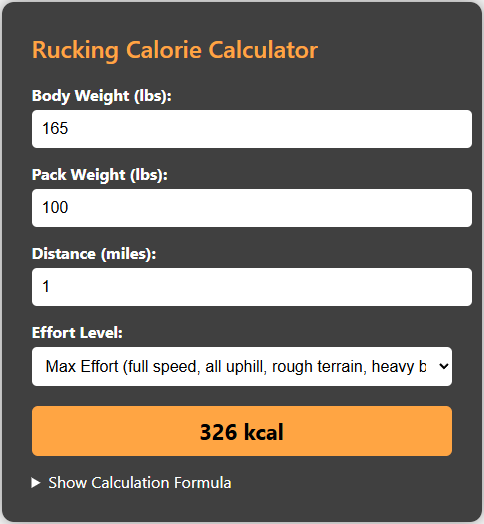
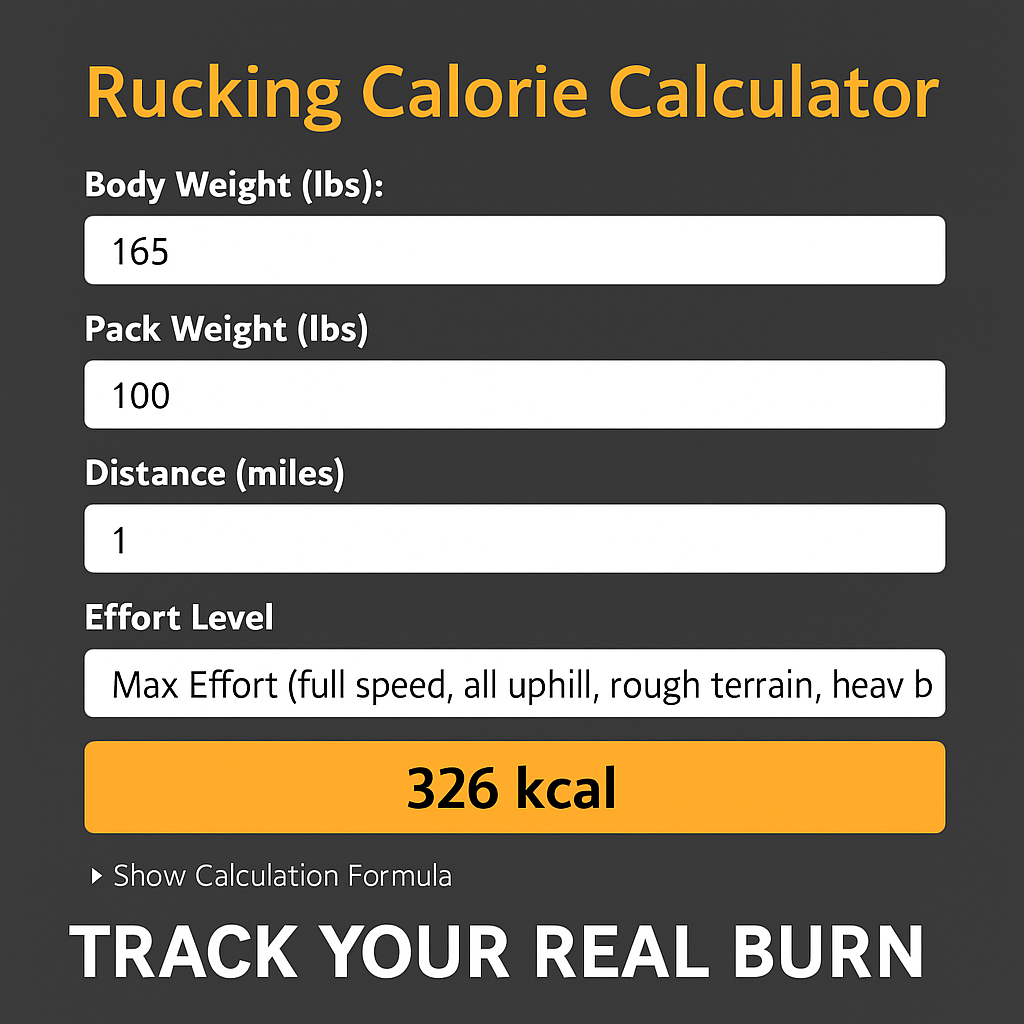
Estimate effort and know when to back off. Use the rucking calorie calculator below to gauge how weight and pace affect effort so you can plan rest and sock changes on longer miles.

Track ruck sessions and calorie burn with the Rucking app on Google Play. The app lets you log rucks, select weighted-vest options, and use a weight-loss calculator tailored for rucking and vest work. Tap the image to install.

Final checklist
- Proper fit and broken-in footwear.
- Moisture-wicking socks; consider liners.
- Immediate attention to hotspots.
- Small blister kit and basic treatment knowledge.
- Plan rest and sock changes on long weighted rucks.
Keep the approach simple: prevent where possible, treat early, and respect your feet on every weighted mile.