Understanding the Marine Ruck March
The Marine ruck march is more than a tough hike—it’s a test of grit, preparation, and efficient load carriage. Whether you’re prepping for a military challenge or taking your rucking to the next level, learning to train like a Marine is the ultimate field test in endurance and resolve.
What Sets the Marine Ruck March Apart?
In Marine Corps training, the ruck march typically covers distances from 6 to 20+ miles with loads ranging from 35 to 70 pounds. The focus isn’t just on speed, but on finishing strong, remaining injury-free, and maintaining team cohesion. Civilians or enthusiasts can apply many of these principles to boost performance, shed fat, and build true functional endurance.
Essential Gear for a Successful Marine Ruck March
- GORUCK Rucker 4.0 20L: Comfortable under heavy weight, built for long hauls.

Purpose-built for long-distance rucking and military-style loads. - CamelBak Motherlode 100oz Mil Spec Crux Hydration Backpack: Hydration is mission critical—this pack lets you adjust weight and stay fueled.

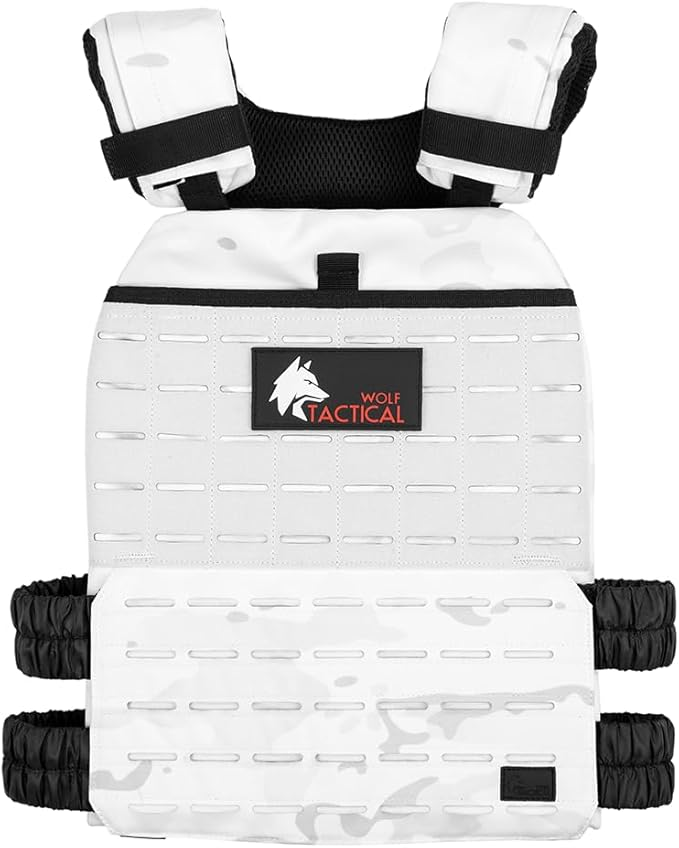
Hydration plus modular packing for long, heavy rucks. - 5.11 Tactical Unisex TacTec Trainer Weight Vest: Easily scale your training load and distribute weight more evenly during practice.

Favored for comfort and adjustability in rucking prep.
Training Strategies for the Marine Ruck March
- Progressive Overload: Start with 20-25 pounds. Gradually add 5-10 pounds each week until you hit your target weight.
- Distance Buildup: Alternate between moderate (4-6 miles) and long (10+ miles) rucks. Your legs should adapt not just to mileage, but to time-under-load.
- Foot Care: Marines obsess over blister prevention. Wear high-quality socks, break in your footwear, and tape up hot spots before each march.
- Hydration & Electrolytes: Don’t just pack water—consider products like Pump-Ocalypse to support muscle endurance and hydration on long rucks.
Tracking Progress and Calculating Effort
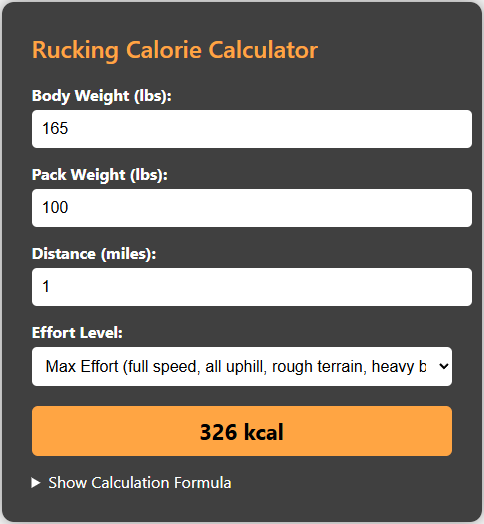
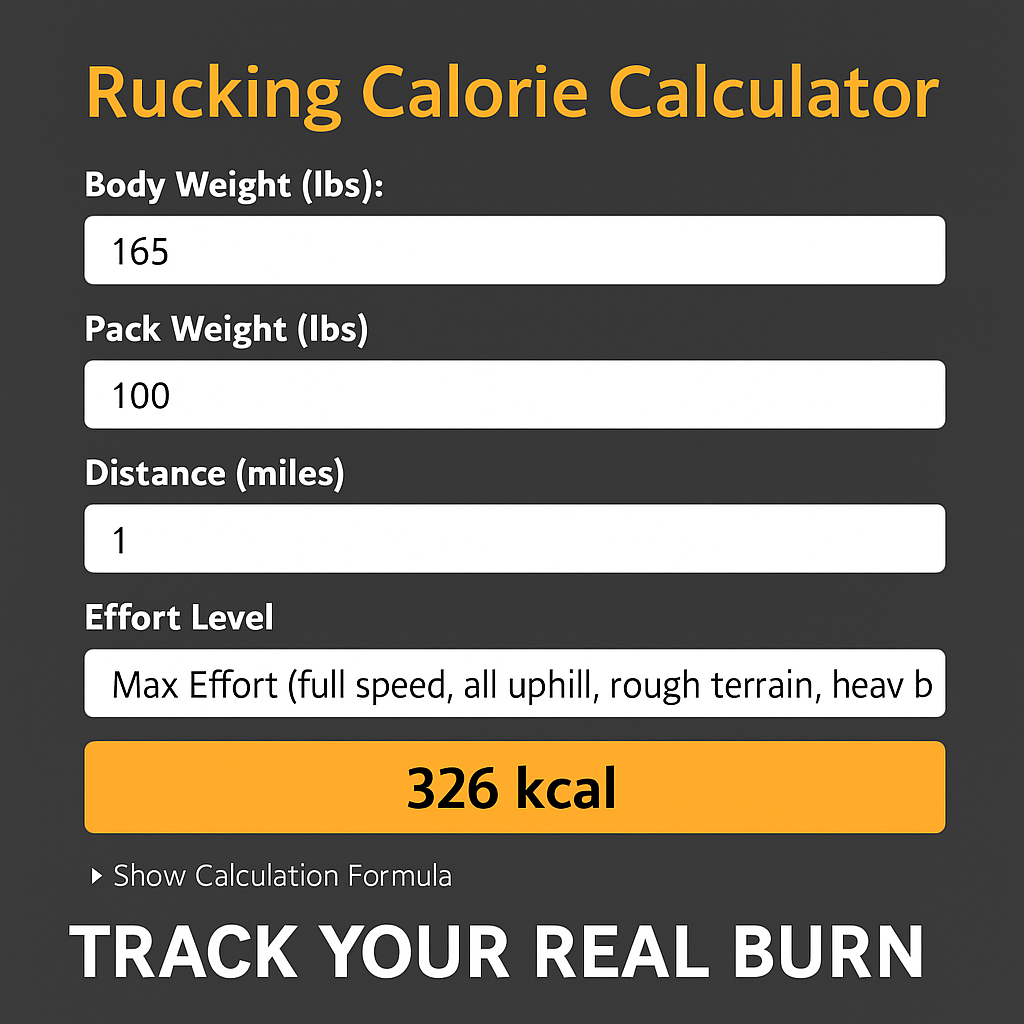
The Marine ruck march burns serious calories—it’s not uncommon to see burn rates of 500–1,000 calories per hour depending on your body weight and speed. To find out your own calorie burn for specific ruck marches, use the Rucking Calorie Calculator below:

Final Thoughts: The Mental Game
On a Marine ruck march, mental discipline is as crucial as physical prep. Set a pace, check your form, and break the miles into manageable goals. Consistency and grit—on and off the trail—are what separate serious ruckers from the rest.