Nick Bare’s 100 Mile Ruck: What It Teaches Everyday Ruckers
The rucking community has seen big feats of endurance, but Nick Bare’s 100 mile ruck stands out. Completing a 100-mile trek on foot, under load, over several days pushes the limits of not only physical stamina, but mental grit. There are direct, practical lessons in Nick Bare’s approach that can help you train smarter and safer as you pursue your own rucking goals—whether that’s a 5K, a marathon-length challenge, or your longest day in the backcountry yet.
Understanding the 100 Mile Ruck
Nick Bare’s 100 mile ruck demanded consistent pacing, special attention to recovery, advanced hydration planning, and gear that’s comfortable for ultra-long distances. Carrying weight for that long—often 20–40 lbs—forces you to address any small errors in form, load balance, and nutrition. Even if your typical ruck is just a few miles, building habits from his experience will upgrade your training and results.
Key Takeaways from Nick Bare’s Approach
- Incremental Progression: Start with attainable distances and scale up responsibly. Nick built up his mileage over time, respecting recovery.
- Footwear and Pack Fit: Comfort, foot health, and load balance get more important the longer you go. If you’re rucking over 10 miles at a time, try the CamelBak Motherlode 100oz Mil Spec Crux Hydration Backpack. It’s adjustable, highly durable, and excellent for hydration on the move.

- Hydration and Nutrition: Refueling right is crucial. Hydration supplements like Pump-Ocalypse can support endurance for long days on your feet.

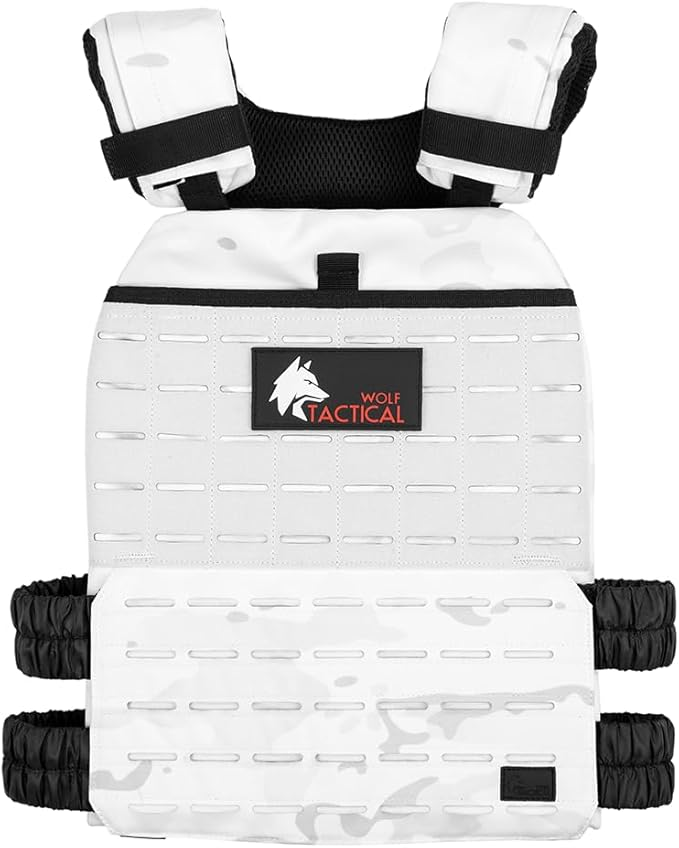
- Load Selection: If you prefer vests for better load distribution on marathon-length efforts, try the 5.11 Tactical Unisex TacTec Trainer Weight Vest. It’s proven for comfort and even weight under long hauls.

Building Toward Your Own Big Ruck
No one’s first ruck should be 100 miles, but everyone can benefit from progressive overload: Add distance, recover, add weight, and track your calorie burn. Focus on injury prevention (blister care, load shifts, hydration) before you even consider ultra-endurance challenges. Remember, the real value in rucking is consistency—showing up every week.
Track Your Progress: Use a Rucking Calorie Calculator
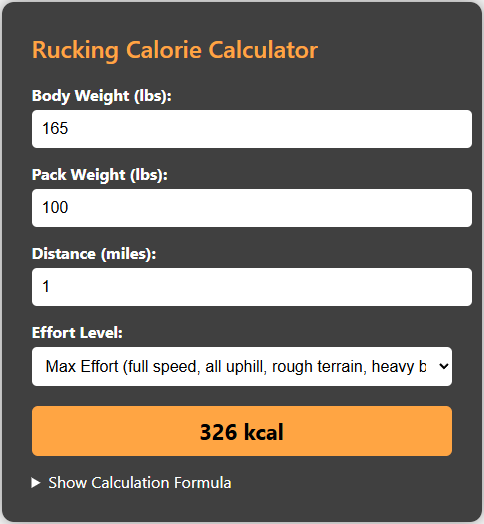
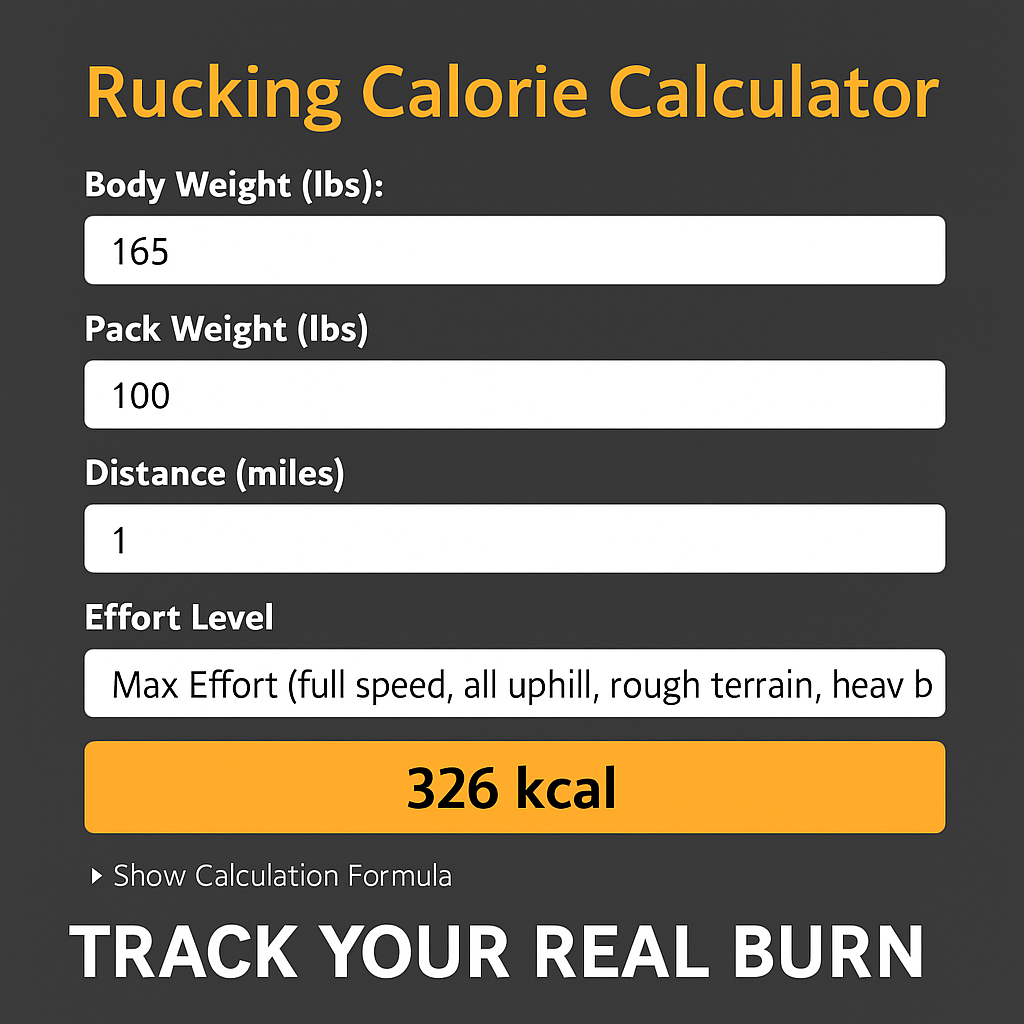
One major lesson from long-distance rucking? Track everything: distance, pace, weight, and calories burned. Knowing your calorie burn helps you refuel for big mileage and stay in a healthy deficit (or surplus) as needed. Check out our free calorie calculator:

Rucking Calorie Calculator – Estimate your calorie burn for any distance, pace, and pack weight and step up your rucking nutrition planning.
Final Thoughts
Nick Bare’s 100 mile ruck is a serious feat, but the underlying strategies—progression, smart gear, and discipline—work for every rucker. Stay consistent, monitor your progress, and keep your gear and nutrition dialed in for the journey ahead.