What is the Ruck Exercise?
The ruck exercise is a grounded, tough, and incredibly practical way to build endurance, strength, and cardiovascular health by walking or hiking with a loaded backpack or weighted vest. Rather than fancy gym machines, rucking challenges real-world muscles while burning serious calories. This makes it a powerful addition for anyone seeking resilient, functional fitness that works just as well on the trails as it does for everyday life.
How to Start Ruck Exercise
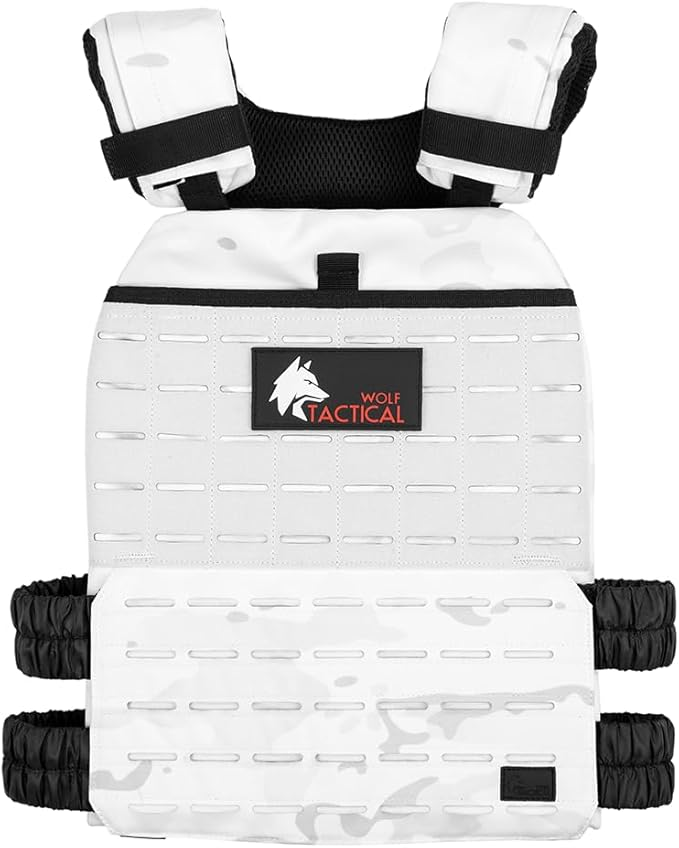
- Select Your Gear: Choose a sturdy rucksack or a weighted vest like the versatile WOLF TACTICAL Simple Weighted Vest for balanced load and comfort.
- Pick the Right Weight: Beginners should start with 10–15% of their bodyweight and incrementally build up as fitness improves. For max comfort, adjustable gear like the CamelBak Motherlode Hydration Backpack can be especially useful on longer rucks.
- Plan Your Route: Opt for flat terrain first; as you adapt, add hills or trails for increased intensity and variety.

Benefits of the Ruck Exercise
- Burns More Calories: Increasing your walking load activates more muscle groups and boosts overall energy expenditure.
- Strengthens Endurance: The additional weight forces your lungs and legs to adapt, enhancing cardiovascular health.
- Improves Posture: Weight on your back or vest cues better alignment and stability with every step.
- Builds Mental Toughness: Rucking teaches discipline and grit, traits that transfer to every domain of fitness and daily life.
- Versatile for All Levels: Ruck exercises can be dialed up or down—adjust the weight, swap your vest for a pack, and choose new terrain challenges each week.

Sample Ruck Exercise Routine
- Warm up: 5 minutes of dynamic stretching
- Ruck walk: 30–60 minutes at a brisk pace (add hills or stairs for challenge)
- Optional: Add short intervals of bodyweight movements (squats, lunges, pushups) every 10–15 minutes
- Cool down: 5-10 minutes of slow walking and static stretching
Track Your Progress
Use a fitness tracker or even your phone’s GPS to record distance, pace, and calories burned. For weighted exercises, increase the load safely and gradually. You’ll see improvements in stamina, muscle definition, and posture within weeks.
How Many Calories Does Ruck Exercise Burn?
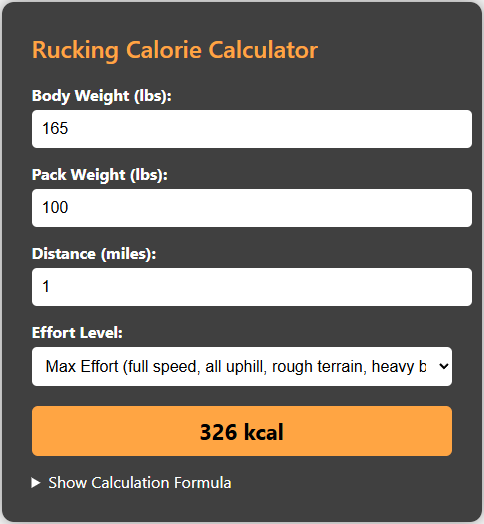
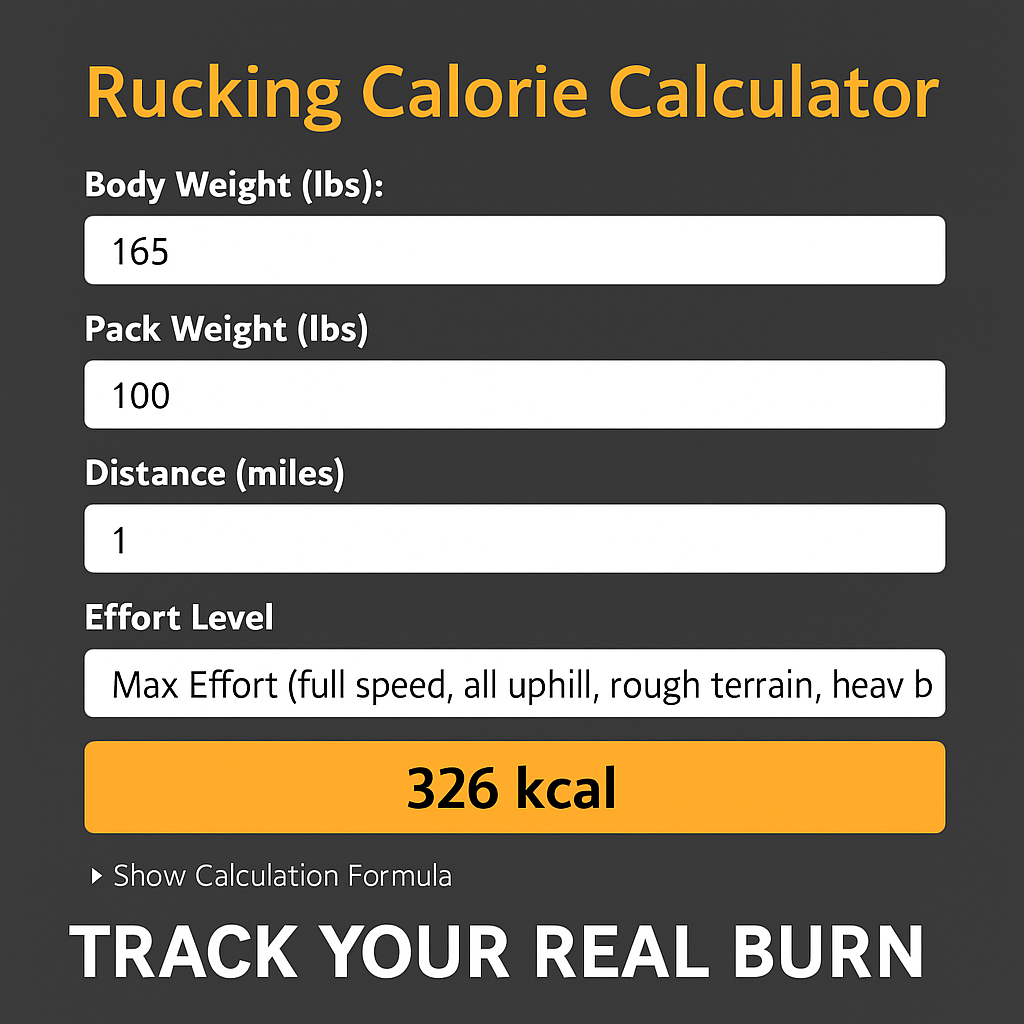
The actual number depends on your weight, pack load, pace, and terrain, but you can expect a substantial uptick compared to regular walks. Use our free calculator to estimate your calorie burn per session:

Try the free Rucking Calorie Calculator now →
Make Rucking Part of Your Routine
You don’t need fads or complicated programming—just consistency and gradually increased weight or distance. Whether you’re using a weighted vest or rugged hiking pack, ruck exercise builds a durable, lean, and athletic body ready for anything.