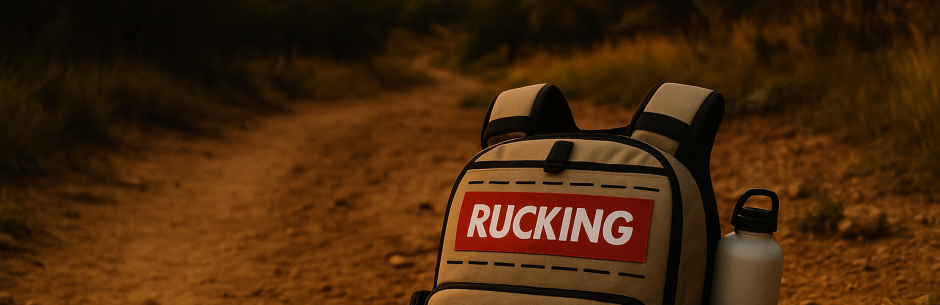
Why Ruck Recovery Matters
Rucking—carrying weight in a pack or weighted vest while walking—demands far more from your muscles, joints, and connective tissue than standard walking. For outdoor athletes, adventurers, and anyone using rucking to build strength and endurance, structured recovery is non-negotiable. Well-planned ruck recovery means pushing harder during your next session and avoiding setbacks from overuse or nagging pain.
Post-Ruck Recovery Principles
- Active Cool Down: Conclude your ruck with a 5–10 minute low-intensity walk. This helps flush out metabolic waste and brings your heart rate down gradually.
- Hydration: Replace fluids lost through sweat, especially on long or challenging rucks. Aim for at least half a liter per hour during your outing.
- Mobility and Stretching: Target tight hips, calves, and shoulders (especially for load carriage). Gentle stretching post-ruck reduces stiffness and maintains joint range of motion.
- Protein and Carbs: Refuel within 60 minutes of your ruck to kickstart muscle repair. Prioritize ~20g of protein and a serving of complex carbs.
- Sleep: Prioritize 7–9 hours of sleep following hard rucking days. Most muscle recovery and repair happens while you rest.
Essential Recovery Tools & Gear
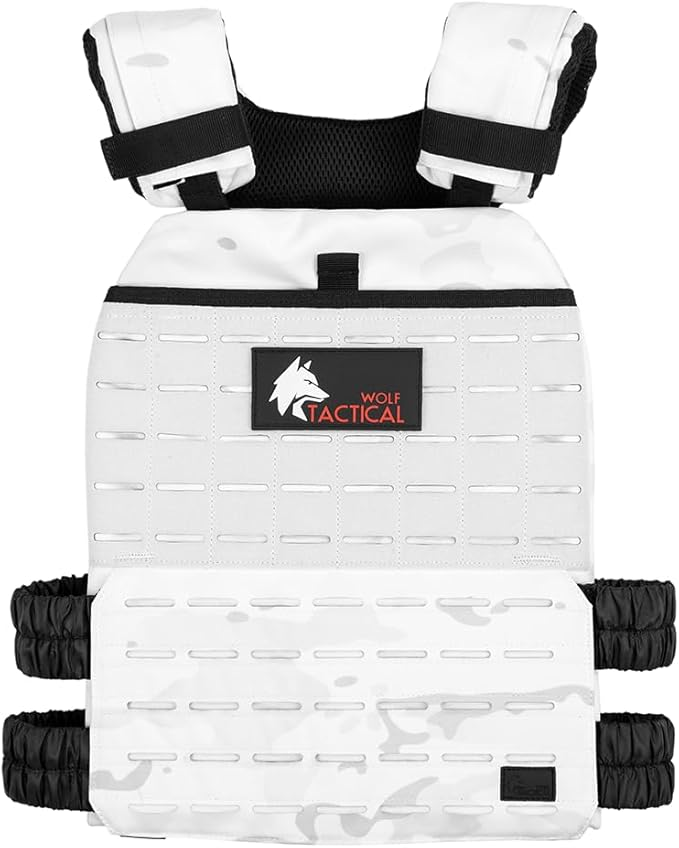
Using a well-designed rucksack or weighted vest minimizes poor load distribution and reduces injury risk—a critical piece of long-term recovery and progress.


How to Recover After a Tough Ruck
- Contrast Showers: Alternate hot and cold water to stimulate blood flow, relieve tightness, and speed up recovery.
- Compression Gear: Wearing tight socks or sleeves can decrease swelling after high-mileage rucks.
- Foam Rolling: Target your calves, quads, and upper back for myofascial release post-ruck.
- Active Rest: On non-ruck days, do gentle hiking, cycling, or yoga to promote circulation and aid muscle repair.
Track Your Progress
Be honest with your recovery. Undervaluing soreness or persistent aches can halt your progress more than a missed session—especially as volume increases. Use a fitness tracker like the Apple Watch Ultra 2 to monitor heart rate and sleep quality for smarter recovery adjustments.
Boost Fat Loss with Ruck Recovery
Ruck recovery isn’t only about muscle repair—it’s a fat loss tool, too. Recovery allows you to train more consistently and burn more calories over time. 
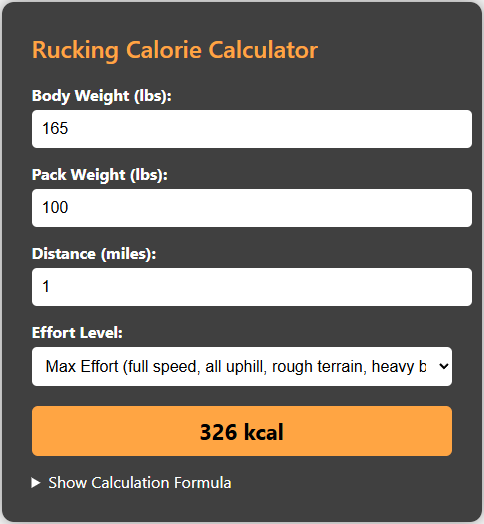
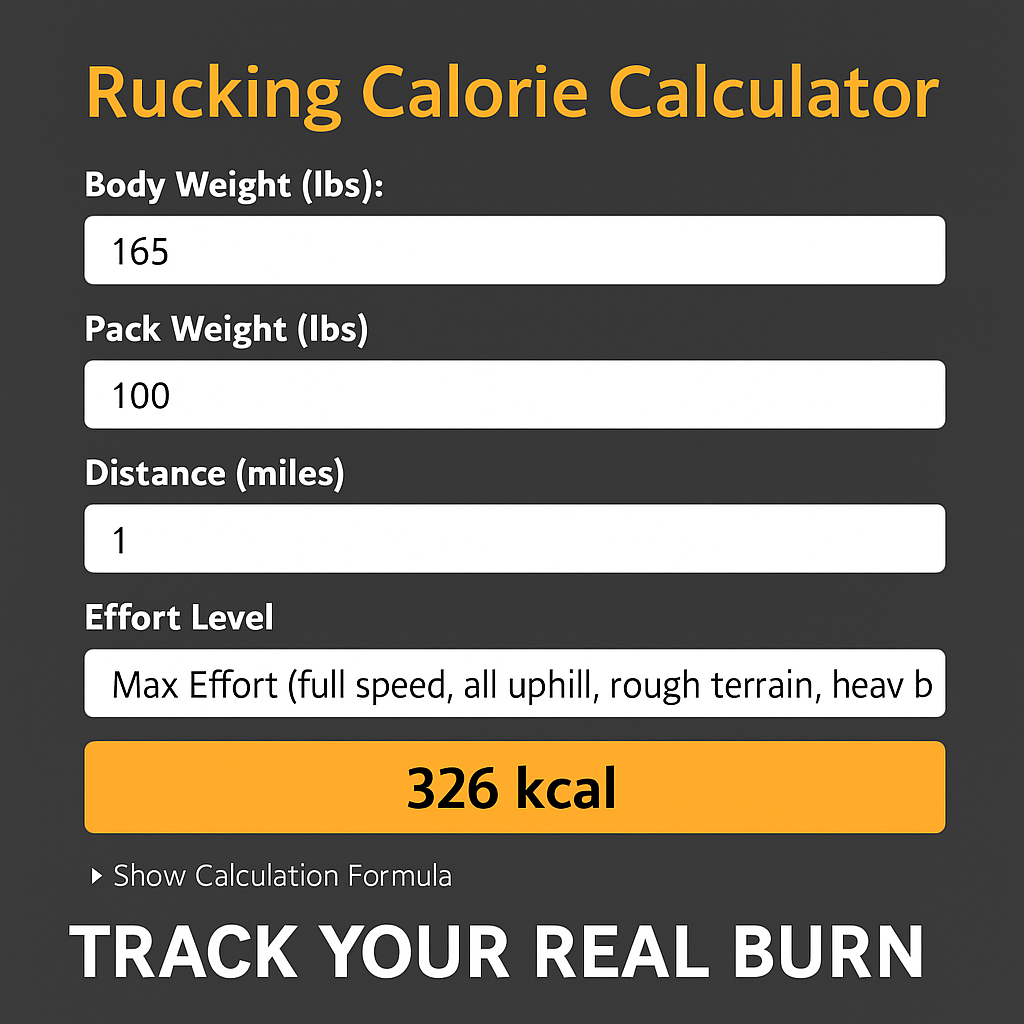
Curious how many calories your next ruck (and post-ruck recovery) will burn? Try the Rucking Calorie Calculator for a personalized estimate.
The Bottom Line
Recovery should be as ingrained in your training as your weekly ruck. Prioritize it—you’ll become a tougher, healthier athlete in and out of the pack.