What is Rucking? The Rucking 101 Breakdown
Rucking is simple: walk with weight on your back, usually using a rucksack or weighted vest. Military units have used rucking as a training cornerstone for decades, but you don’t need a military background to reap the rewards.
At its core, rucking ramps up the intensity of ordinary walking, building endurance, strengthening your legs and back, and torching calories while keeping things low-impact. If you want an accessible yet challenging entry into fitness, rucking 101 is your starting line.
Getting Started With Rucking
Essential Gear
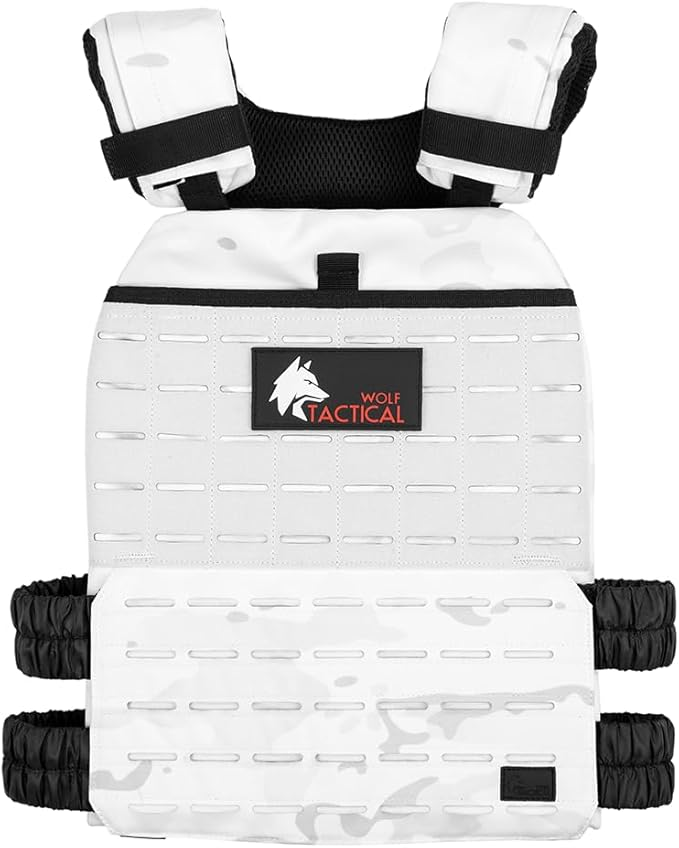
- Weighted Vests: Modern weighted vests like the 5.11 TacTec Trainer Weight Vest or Wolf Tactical Adjustable Weighted Vest are beginner-friendly. They keep the load balanced and are easy to put on and remove, which makes them ideal if you’re just getting started.
- Backpacks/Rucksacks: Packs like the CamelBak Motherlode 100oz Mil Spec Crux Hydration Backpack offer flexibility—add/remove weight and hydration bladders as needed for both comfort and endurance.
- Weight Plates: Adjustable options like the Yes4All Ruck Weight Plate allow you to increase your load as you grow stronger.


How Much Weight to Use?
If you’re new, stay conservative—start with 10–15 lbs. The goal is steady, pain-free progress, not exhaustion. As you adapt, increase weight by 5–10 lbs at a time.
Structuring Your First Ruck
- Frequency: 2–3x per week gives your body time to recover.
- Duration: 20–40 minutes is plenty for beginners; focus on form.
- Footwear: Wear sturdy shoes, ideally with some ankle support.
- Route: Start on flat, walkable terrain; hills can follow once your base is solid.
Health Benefits: Why Rucking is Effective
Rucking’s big benefits come from combining cardio with resistance. It burns more calories than walking, promotes a strong back and legs, and builds real-word endurance that a treadmill just can’t touch. Unlike running, it tends to be kinder on your knees and back, too.
Track Your Calorie Burn
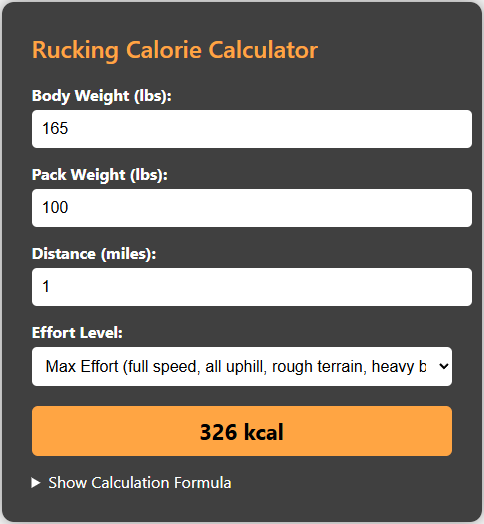
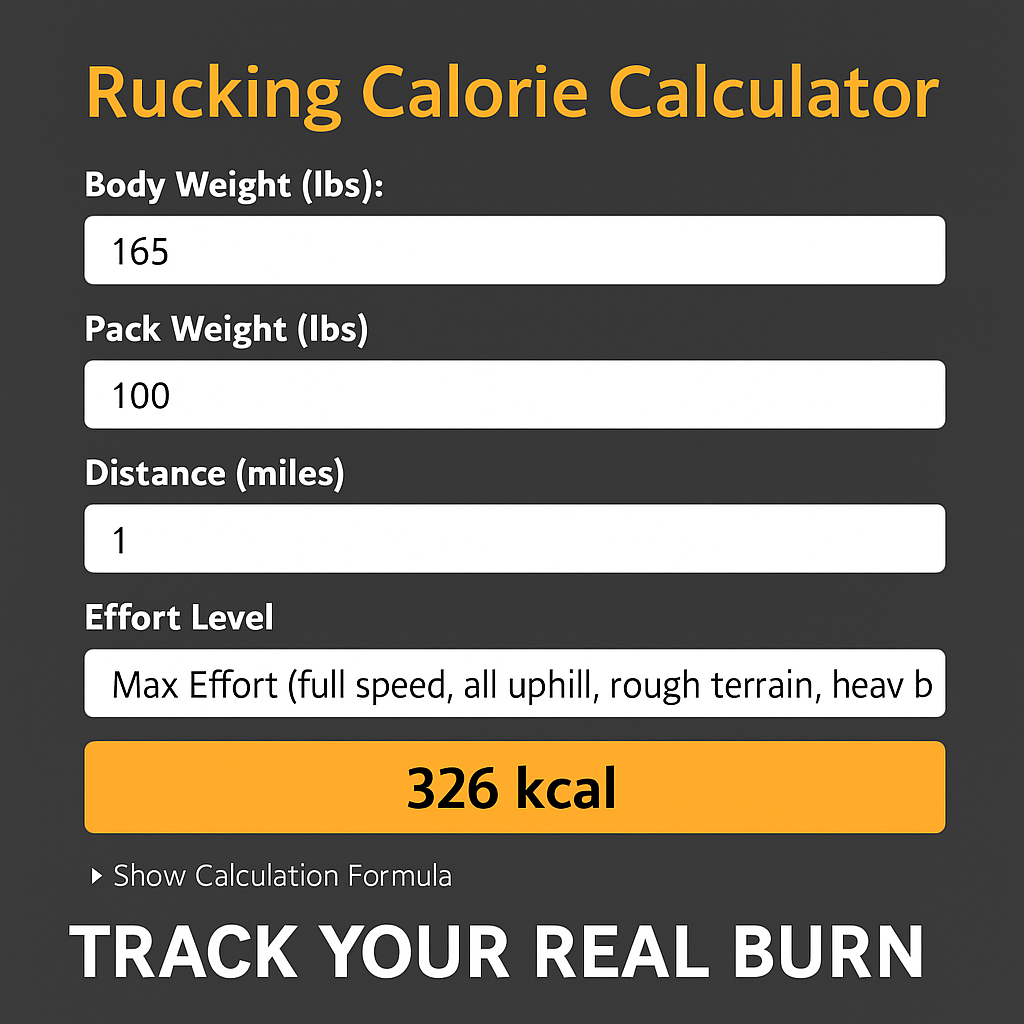
Curious how many calories you’ll torch with a ruck? Use our Rucking Calorie Calculator to get real numbers for your intensity level and weight:

Try the Rucking Calorie Calculator to plan each session and hit your goals faster.
Level Up Your Rucking Game
- Focus on posture: Shoulder blades back, ruck snug, head up.
- Prioritize hydration: Bring water on every ruck and replenish afterwards.
- Progress slowly: Consistency trumps all out efforts.
With smart progressions, rucking isn’t just a military drill—it’s a practical, lifelong habit for fitness and fat loss. Start with these 101 basics and build up as your stamina and confidence grow.