Rucking at Home: Practical, Effective, and Accessible
If you think rucking is only for mountain trails or military-style challenges, think again. Rucking at home is a powerful, flexible training method that delivers genuine results—even with minimal equipment. Whether you’re in an apartment, tight on time, or just want to keep your workouts local, rucking at home makes strength and endurance gains possible for everyone.
Why Ruck at Home?
- Convenience: No commute, gym fees, or waiting for equipment.
- Adaptability: You tailor the intensity and duration to your space and schedule.
- Consistency: Easy daily access means you’re more likely to stick with it.
Home rucking also introduces versatility you won’t always find outdoors. Stairs, hallways, even tight corners become training opportunities. I’ve coached people to lose 20 pounds just by rucking indoors during bad weather or busy stretches.
Rucking Indoors: Smart Approaches
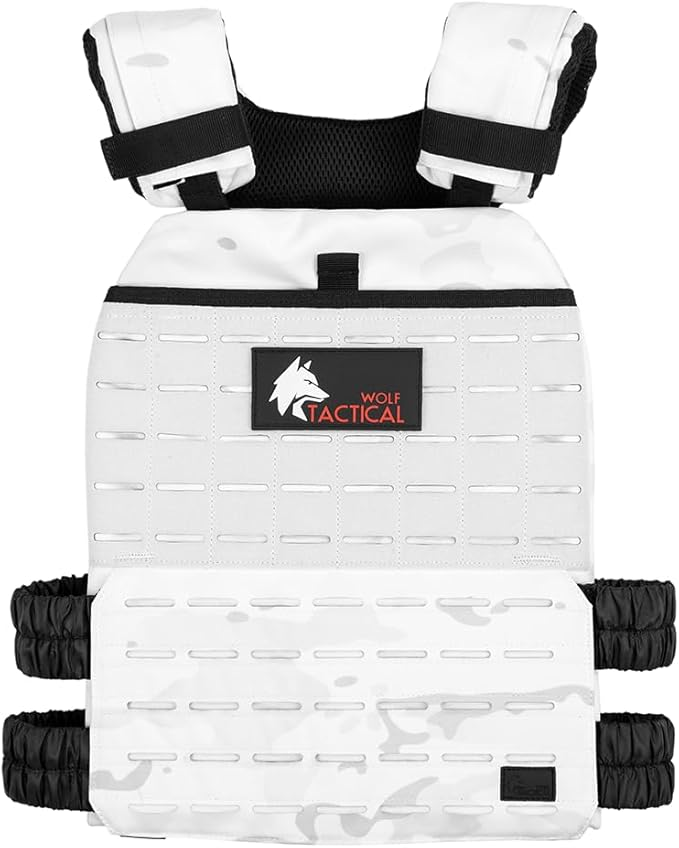
You don’t need a fancy setup. Start with a backpack or weighted vest and enough space to walk laps, climb stairs, or step over obstacles. For beginners, a Wolf Tactical Adjustable Weighted Vest is a top pick for comfort and easy load adjustments.

If you want hydration support or plan long house rucks, try the CamelBak Motherlode Hydration Backpack. I use it for long sessions when I need water and load flexibility—especially if I’m adding weight plates or gear for progression.

Simple Home Rucking Workouts
- Lap Walking: Walk back and forth across the biggest open space you have, wearing your weighted vest or loaded pack.
- Stair Climbs: Use household steps for intense cardio and leg work while loaded up. Go up and down for timed intervals—just keep your posture strong.
- Step-Overs: Set a sturdy object (like a step platform) and march back and forth.
- Active Rest: Mix bodyweight squats, push-ups, or lunges during your ruck laps to boost calorie burn.
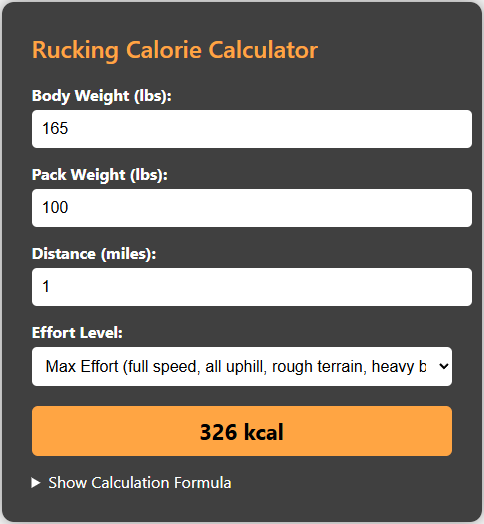
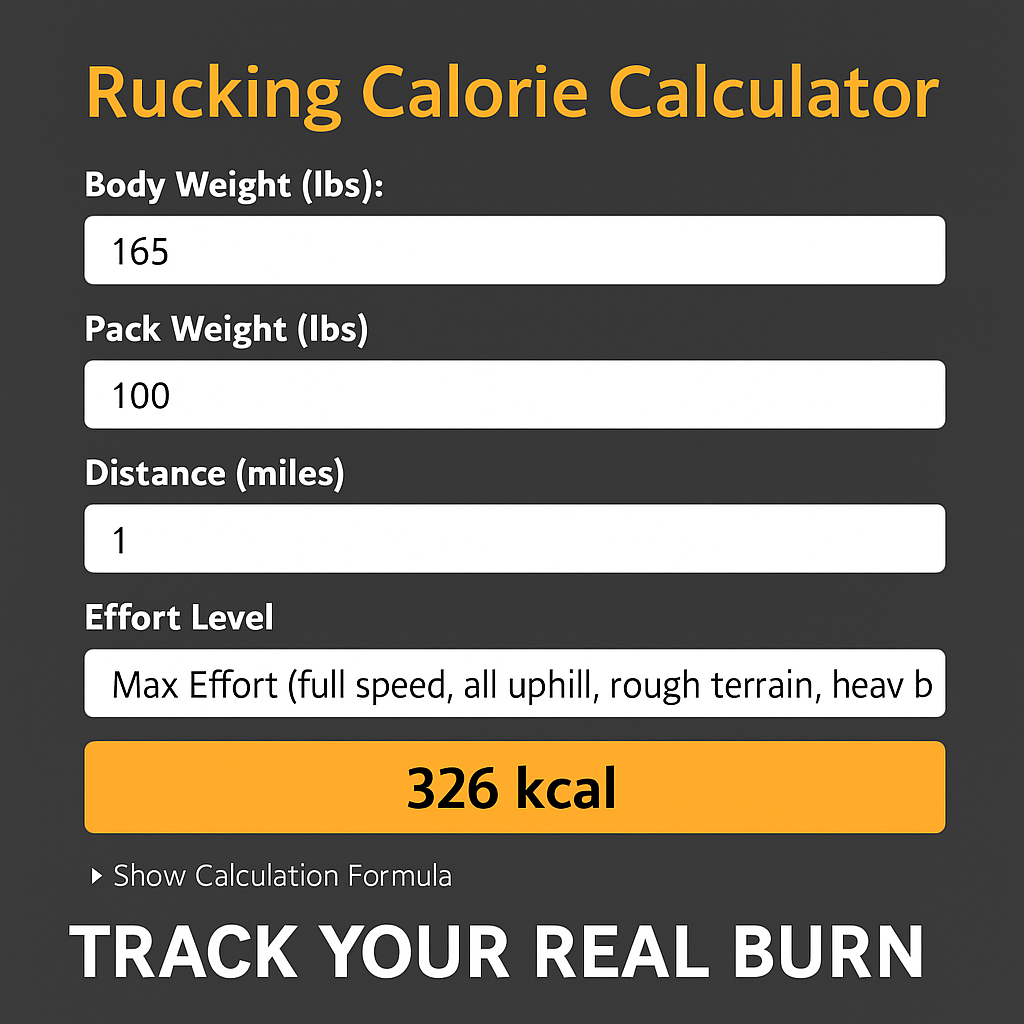
Remember: hardly anyone nailed their rucking form on day one. Start with a manageable load (10–25 lbs) and slowly add weight as your stamina increases. Need to know how much you’re really burning? Run your stats through our calculator:

Try the Rucking Calorie Calculator now—dial in your home ruck intensity by knowing exactly how many calories you burn per session.
Progression, Motivation, and Long-Term Gains
Keep things interesting by tracking your ruck duration, steps, and weight. Use a fitness tracker, notebook, or Apple Watch Ultra 2 for precise stats and encouragement.

Training indoors may lack scenery, but success is built on persistence, not novelty. Rucking at home strips out excuses—so load up, push your limits, and watch the results take shape in the mirror.