Understanding rucking calories per hour
Rucking is walking with added weight and is one of the simplest high-return conditioning tools for outdoor fitness. Calories burned per hour depend on body mass, load carried, pace, terrain, and fitness level. This article explains how to estimate rucking calories per hour, how to use a reliable calculator, and practical tips to make your numbers less variable.
Key variables that change hourly calorie burn
- Body weight: heavier people burn more energy moving the same load.
- Load weight: every additional 10 to 20 pounds meaningfully increases effort and calories per hour.
- Pace and terrain: faster speed and uneven ground raise energy cost.
- Fitness and technique: trained ruckers move more efficiently than beginners.
How to estimate your calories per hour
A practical estimate starts by combining body weight with carried load and pace. For example, a 170 pound person rucking at a steady 3.5 miles per hour with a 30 pound vest will typically burn roughly 550 to 700 calories per hour depending on terrain and conditioning. Use a calculator for a more precise personalized number.
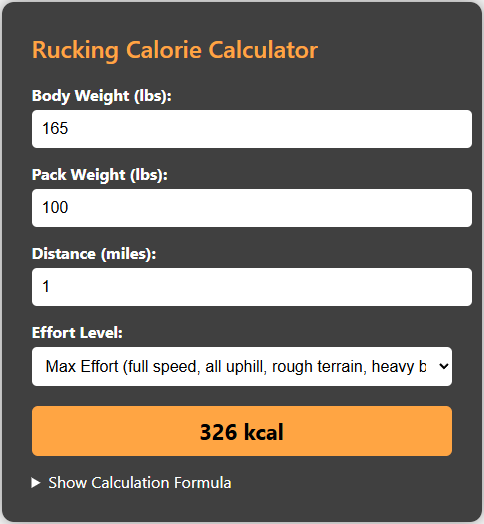
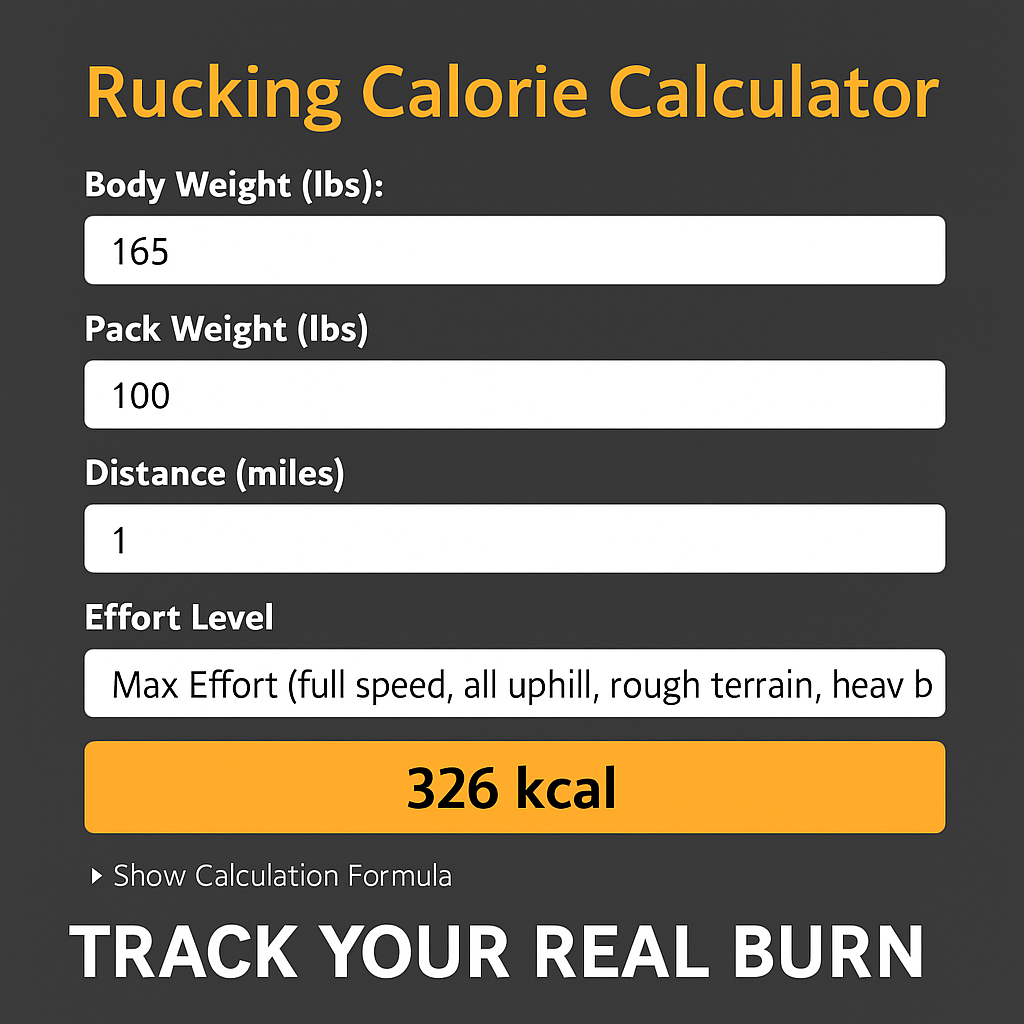
Try the Rucking Calorie Calculator for tailored estimates.

How I use that estimate
Start with the calculator result, then adjust based on perceived exertion, terrain, and stops. If the calculator predicts 600 calories per hour expect real sessions to vary about ten to twenty percent on hills or soft surfaces.
Simple tracking protocol
Measure baseline using one consistent route, load, and footwear for several sessions to learn your personal hourly burn. Average multiple sessions instead of relying on a single outing.
Practical tips to manage energy and results
Hydrate, eat enough protein, and include rest days. Small changes to pace or load create meaningful changes in hourly calorie burn, so progress gradually and record changes.
- Increase weight gradually to raise calories per hour while monitoring form.
- Use varied terrain to boost intensity without increasing pace.
- Include interval sections or hills to spike hourly burn when time limited.
- Track sessions in an app to compare estimates with actual performance.
The Rucking app links session tracking with calorie estimates for both weighted vests and backpack rucking.

Gear suggestions
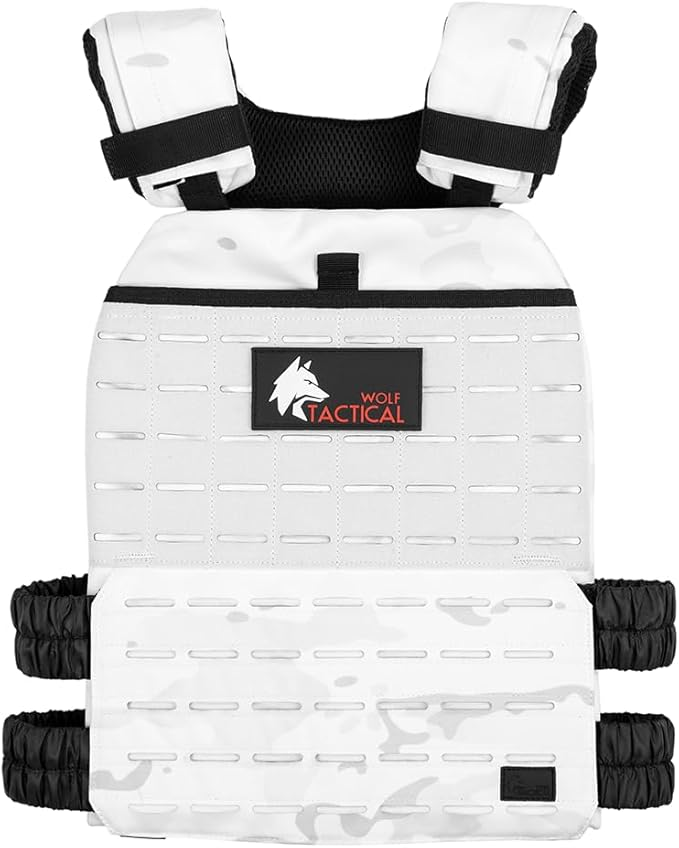
For most ruckers a reliable adjustable vest balances comfort and progression. Consider the Wolf Tactical Adjustable Weighted Vest for common training and daily walks.

Consistency in gear reduces variability in calories per hour and makes the calculator output more actionable.
When to prioritize calories per hour
If your goal is weight loss use hourly estimates to plan weekly energy deficits while preserving strength and recovery. If your goal is endurance or operational fitness, focus on consistent mileage and progressively longer weighted sessions; calories per hour will increase naturally as training intensity or load climbs.
Use the Rucking Calorie Calculator to get a starting point and then track with the app as you adapt.
Rucking calories per hour are predictable when you control variables. Measure, record, and adjust rather than guessing. Start light, build load, and use technology to validate your hard work outdoors.
Sample session breakdown
A 45-minute ruck with 25 pounds for a 160 pound person at a brisk pace might burn about 400 to 500 calories; multiply proportionally for an hourly rate but remember rest and terrain.
If you prefer numbers without a calculator, estimate by adding roughly 5 to 10 percent more burn per 10 pounds of added load, and adjust up another 5 to 15 percent for hilly routes depending on slope.
Hydration and brief fueling
Proper hydration supports steady power output. For sessions over 60 minutes bring 500 to 1000 milliliters of water plus electrolytes. For longer or hotter conditions consider a larger hydration bladder like the CamelBak Motherlode linked below.

A simple electrolyte packet or a product like Pump-Ocalypse can help during long hot rucks; I use it for endurance walks to maintain focus and fluid balance.
Final practical checklist
- Pick a repeatable route and record three sessions.
- Start with a conservative load and add 5 to 10 percent per week.
- Use the Rucking Calorie Calculator once to set a baseline and then verify with three tracked sessions.
- Log sessions in the Rucking app for clean comparison across time.
Use estimates not absolutes and adjust as you gain experience. Track trends in the Rucking app, refine load and pace, prioritize hydration and protein, and let consistent measurement build manageable, lasting outdoor fitness that matches your goals while protecting joints and recovery.