Rucking calories with 60 lb pack
Carrying a 60 lb pack changes the math on every walk. Calories burned rises because your body moves additional mass and works harder to stabilize. This article explains how to estimate burn, plan pacing and recovery, and track results so you can train safely and consistently.
How to estimate calorie burn
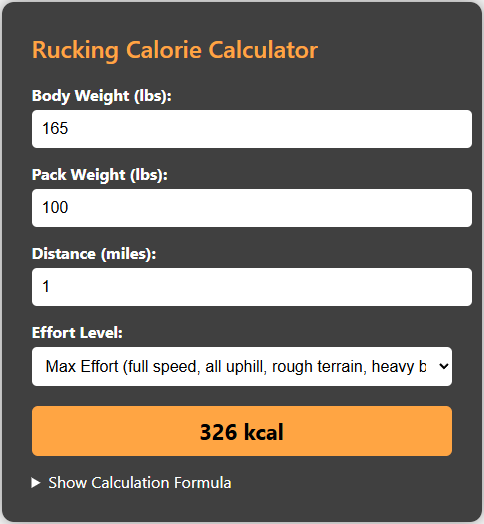
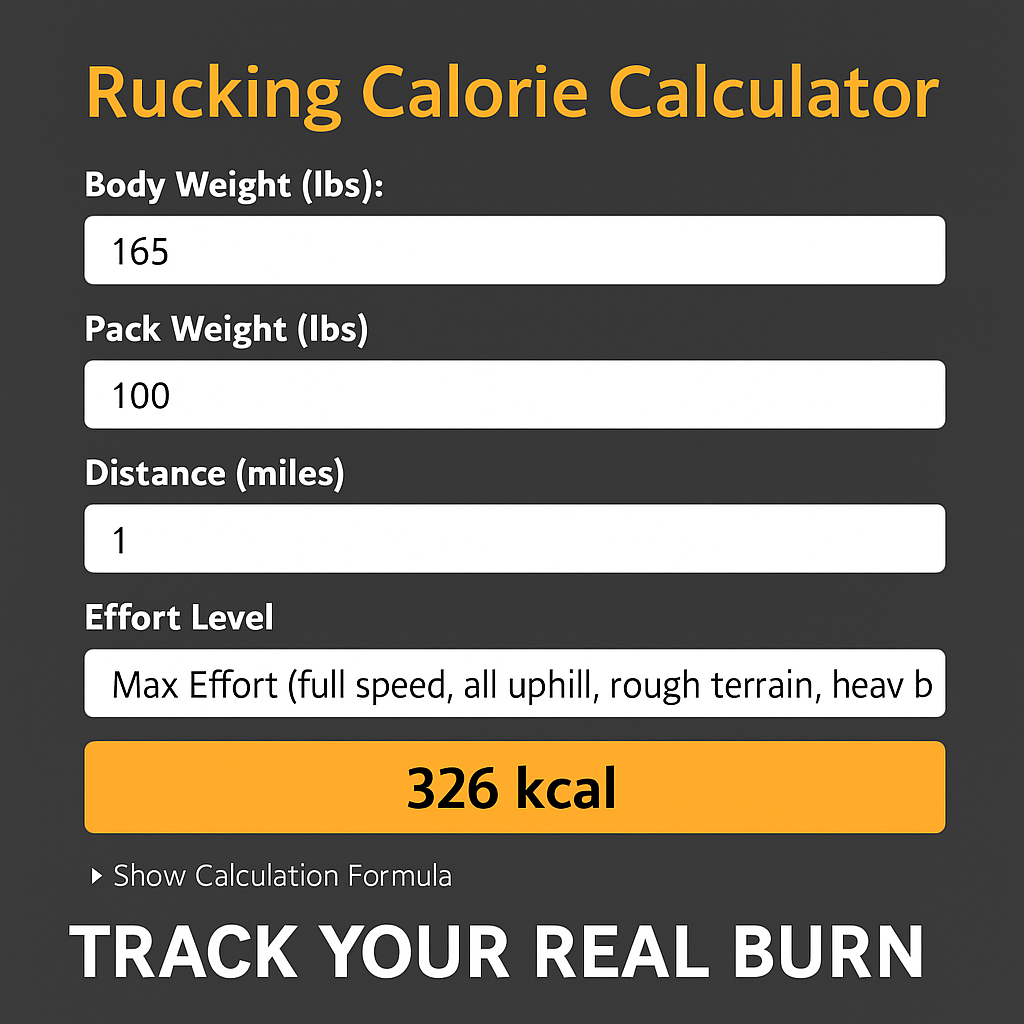
There’s no single number for everyone: bodyweight, terrain, pace, and pack fit all change the result. A reliable first step is to use a dedicated rucking calorie calculator that accounts for load and pace.

Practical pacing and safety
- Start conservative: shorter, slower rucks build tendon and connective tissue tolerance.
- Pace matters: 3–3.5 mph is sustainable for loaded marching; faster speeds spike heart rate and calories but increase injury risk.
- Pack fit and posture: keep load centered, use hip straps if your rucksack allows it, and avoid excessive sway.
- Hydrate and program recovery days after heavy sessions on trails or uneven ground.
Gear to consider
For long rucks or mixed terrain the right pack makes a difference. The GORUCK Rucker 4.0 20L is a proven option for heavy, repetitive use.

Tracking and tools
One calculator gives a baseline; consistent tracking reveals trends. Use the Rucking calorie calculator linked above to estimate per-ruck burn and adjust for your bodyweight and terrain. For day-to-day tracking, the Rucking app on Google Play is available now and designed specifically for ruckers:

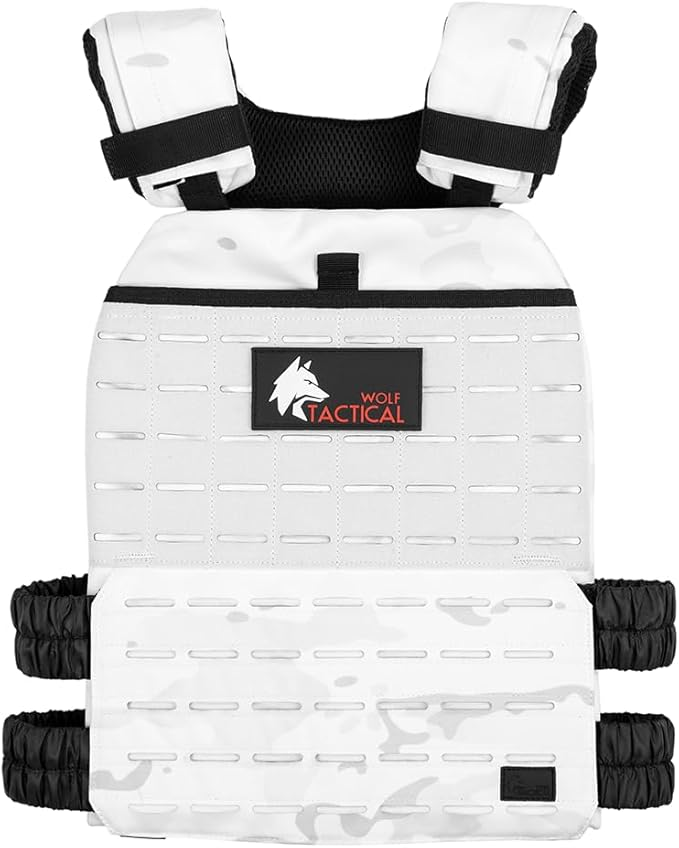
The app records load options (backpack or weighted vest), pace, and distance and links to a weight-loss calculator so you can track progress over weeks rather than single rucks.
Sample plan
Begin with two loaded walks per week at 20–40 minutes. Add one longer ruck on softer terrain as tolerance improves. Reassess pack weight and pace monthly and use the calculator to update estimated calorie burn.
Follow conservative progression and prioritize sleep, hydration, and protein on heavy training weeks to keep adaptation steady and injuries low.