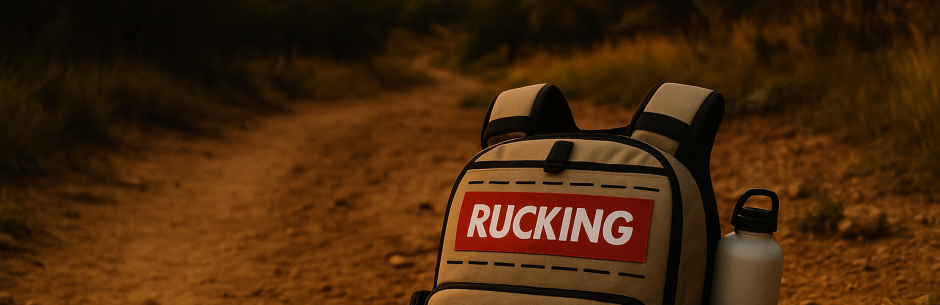
Understanding rucking calories with 80 lb pack
Carrying eighty pounds in a pack dramatically raises calorie burn compared to bodyweight walking, and estimating that burn helps plan training and recovery. This guide explains realistic calorie ranges, factors that change energy use, and how to use a rucking calorie calculator to get a baseline.
Key variables that affect burn
Several factors change how many calories you burn with an 80 lb pack:
- Bodyweight and fitness level — heavier or less fit hikers often burn more energy for the same pace.
- Pace and terrain — moving faster or over hills increases expenditure.
- Pack weight distribution and fit — a poorly balanced or poorly fitted pack increases muscular effort.
- Load type — soft gear shifts differently than rigid plates or vests and affects efficiency.
Estimated calorie ranges for an 80 lb pack
At moderate hiking pace most adults burn roughly two to three times their resting metabolic rate when rucking heavily; an 80 lb load often lands near the higher end of that range. Use perceived exertion and heart rate as real time cues because individual results vary.
Example estimates
For a 180 pound person moving at a steady 3 mile per hour pace on rolling terrain with an 80 pound pack, expect roughly 700 to 1,000 calories burned per hour depending on conditioning. A lighter 150 pound person at the same pace may burn 600 to 900 calories per hour.
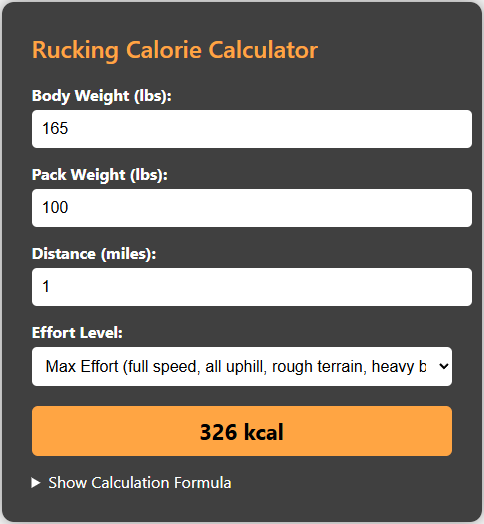
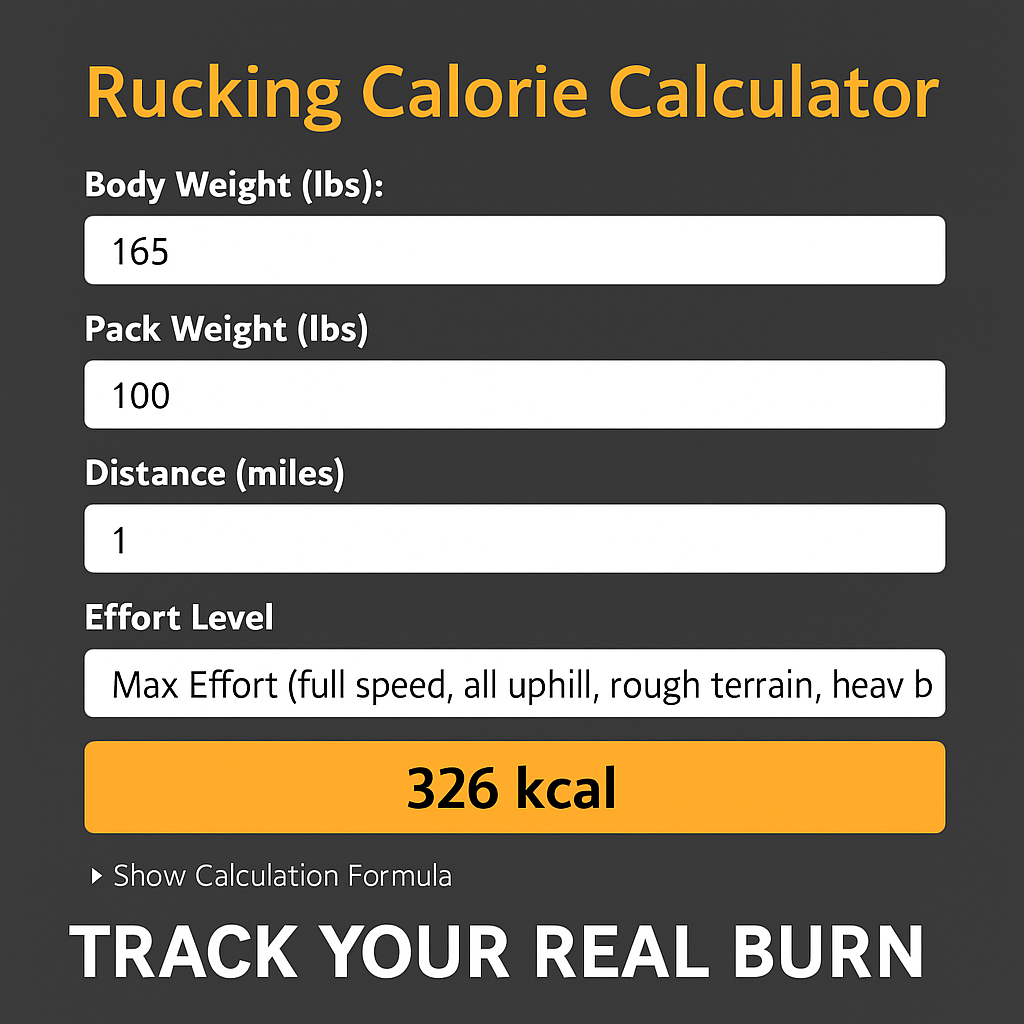
Use the rucking calorie calculator
For a personalized estimate plug your bodyweight, pace, pack weight, and duration into the Rucking Calorie Calculator linked below; it provides a practical baseline to plan nutrition and recovery.

How to use estimates in training
Treat calculator numbers as starting points. Track heart rate, perceived exertion, and how your legs feel the next day. If recovery is poor reduce load or duration, improve sleep and nutrition, then progress gradually.
Practical tips for managing 80 lb packs
- Fit and balance the pack to minimize sway and shoulder strain.
- Break heavy sessions into intervals. Shorter high load bouts with rest preserve technique and reduce injury risk.
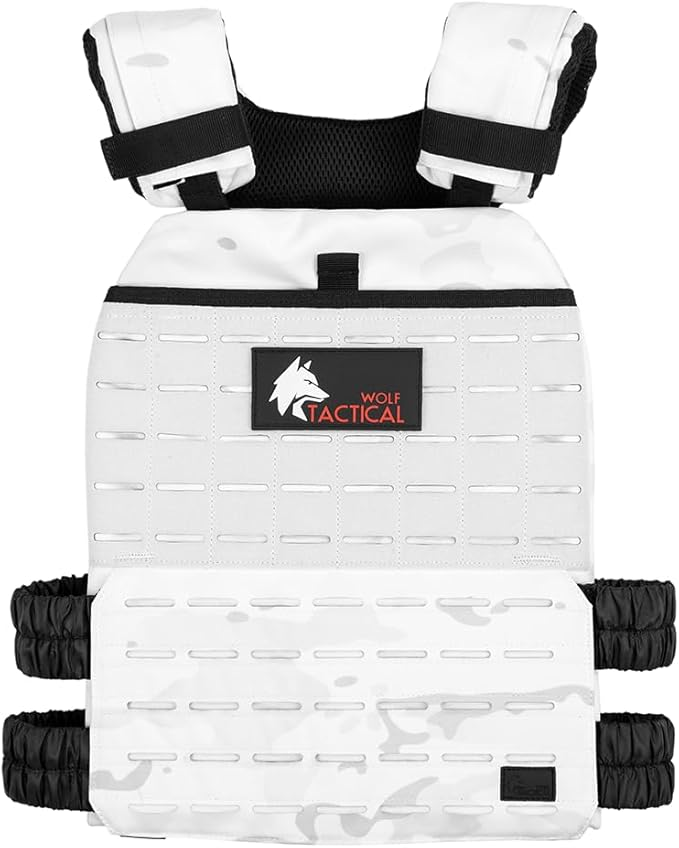
- Use strength work and weighted vest progressions between rucks; the Kensui EZ-VEST and similar gear prepare joints for heavy external loads.

For long distance packs choose a durable ruck like the GORUCK Rucker 4.0 20L which handles heavy loads and long miles.

Nutrition and recovery
Fueling an 80 pound ruck session requires focused carbohydrate before and during longer efforts and a protein rich recovery meal. Hydrate early and replace electrolytes if you sweat heavily.
Track actual calories, progress, and use the app calculators with the Android Rucking App available on Google Play:

Final practical checklist
- Test pace and pack weight on short familiar routes before committing to long efforts.
- Log calories and symptoms after each ruck to refine future estimates and nutrition plans.
- Use the Rucking Calorie Calculator to model sessions and adapt load, then validate with the app during actual rucks.
An 80 lb pack is an advanced load. Build base fitness with progressive overload, prioritize technique, and lean on measured calorie estimates rather than guesses. Use the calculator to set starting expectations, validate with the app, and adjust based on how you recover.
Common mistakes and how to avoid them
Rushing to heavy loads without progressive strength and mobility reserves causes joint pain, poor posture, and redundant muscular compensation. Another frequent mistake is ignoring hydration and electrolytes; during long sweaty efforts even fit athletes can bonk quickly. Finally, relying solely on time or distance ignores intensity; a slow hour with eighty pounds can be harder than a faster unweighted walk and needs appropriate fueling.
Sample four week progression
Use this conservative progression if you already have a base of walking fitness. Adjust for age, injury history, and job demands.
- Week one: three sessions of 30 to 45 minutes at light to moderate effort, pack 50 to 60 percent of planned load.
- Week two: increase one session to 60 minutes and one to full 80 lb load for a shorter 15 to 25 minute bout.
- Week three: two 40 to 60 minute sessions at the target pack and one recovery day; monitor soreness and sleep.
- Week four: test a longer 90 minute march at goal pace or a moderate weight circuit to build resilient conditioning.
If in doubt consult a coach, validate estimates with the app during rucks, and progress conservatively to stay healthy and consistent.