Rucking for fat loss vs running
Rucking for fat loss vs running is a common question among outdoor athletes and people who want efficient calorie burn without constant joint stress. This article compares energy expenditure, sustainability, muscle preservation, and practical training tips so you can choose the method that matches your goals and lifestyle.
How each activity burns calories
Running typically raises heart rate quickly and maintains a steady high calorie burn per minute. It relies heavily on cardiovascular output and tends to use large muscle groups dynamically. Rucking, which is walking with a weighted vest or backpack, reduces peak heart rate compared to maximal running but increases load and metabolic cost by adding external weight. The presence of load increases muscle recruitment in the posterior chain and core, which shifts part of the calorie burn toward strength endurance demands.
Efficiency and time economy
If you measure calories per minute, running often appears more efficient. However, real world training efficiency includes recovery, injury risk, and ability to do frequent sessions. Rucking is lower impact and allows longer sessions with less acute recovery, which can increase weekly total caloric expenditure. For people who cannot run because of joint issues or who want to add strength stimulus while burning calories, rucking provides high value.
Fat loss, muscle preservation, and metabolic effects
Fat loss requires a sustainable calorie deficit and maintenance of lean mass. Running in a calorie deficit without adequate protein and strength work can accelerate muscle loss. Rucking combines steady cardio with load that helps preserve or even build strength, particularly in glutes, hamstrings, and upper back. That preserved muscle helps maintain resting metabolic rate. For many lifters and athletes trying to retain quality body composition while losing fat, rucking is the preferable choice.
Practical training guidelines
- Frequency: Aim for three to five ruck or run sessions per week, mixing intensities.
- Progression: Increase load or distance gradually by about 5 to 10 percent per week to avoid injury.
- Nutrition: Match protein intake to support muscle retention and prioritize whole food satiety when in a deficit.
- Recovery: Add easy active recovery days and mobility work to reduce cumulative fatigue.
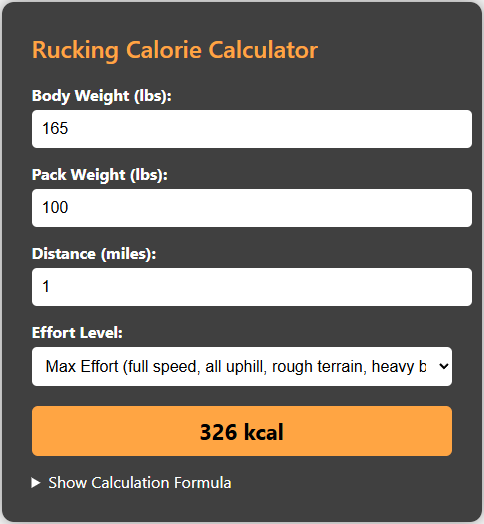
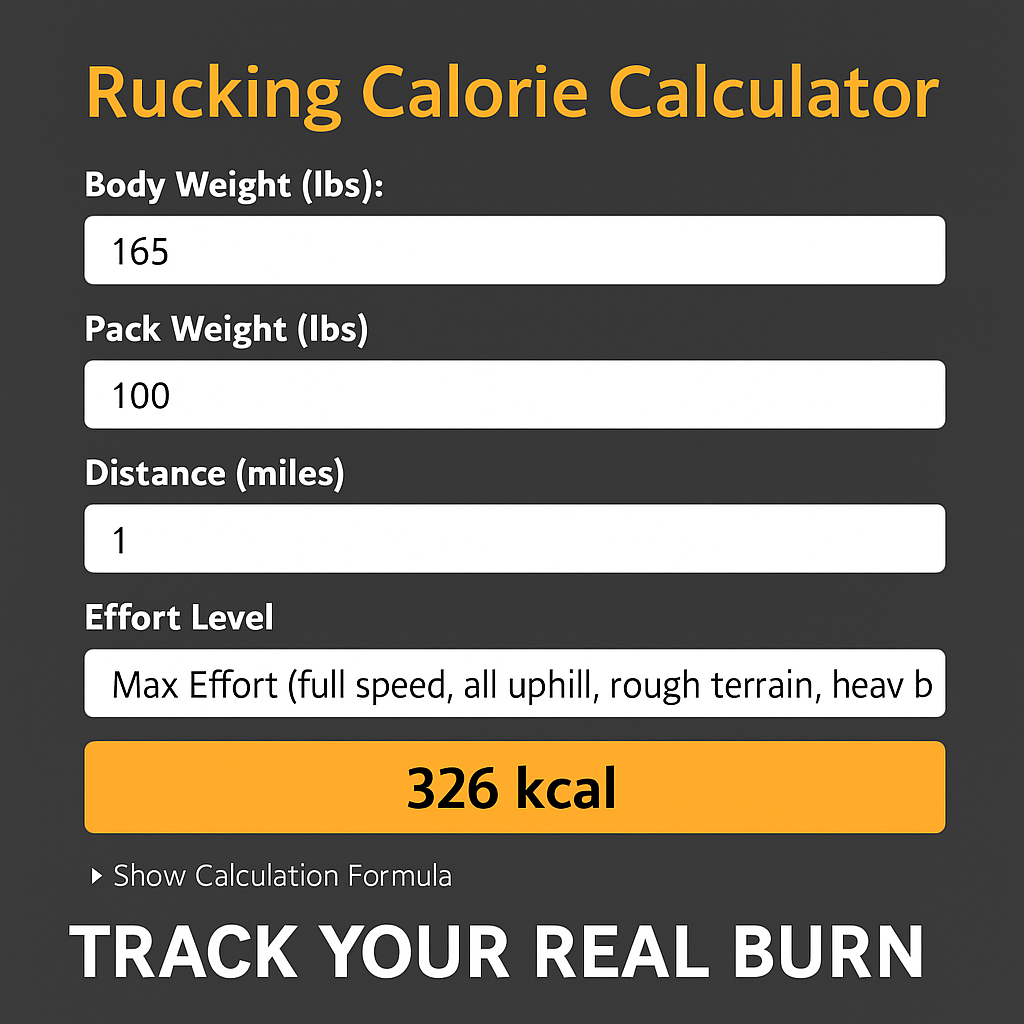
When you need to quantify calorie burn for planning, use the Rucking.Pro calorie calculator. It adjusts for body weight, distance, pace, and load so you can plan realistic deficits without guessing. Click the screenshot below to open the calculator and test your typical ruck or run session.

For people who like wearable tracking and mobile convenience, the Rucking app on Google Play makes recording and estimating calorie burn simple. The app supports weighted vest and backpack rucking, includes a weight loss calculator, and links to gear and discounts. Tap the image to open the app on Android.

Which is better for you?
Choose running if you want high intensity intervals, time efficient cardio, and you have healthy joints and recovery capacity. Choose rucking if you need lower impact sessions, want concurrent strength stimulus, or are planning higher weekly volumes. Both methods can be combined: use rucks for longer aerobic load and runs for high intensity metabolic work once or twice weekly.
Gear recommendations
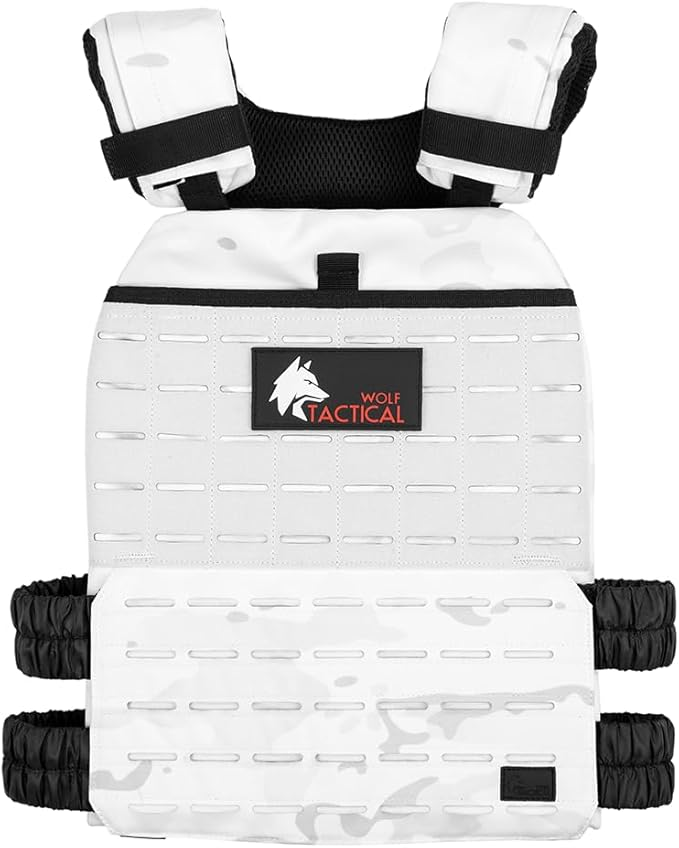
For most newcomers I recommend a durable, comfortable weighted vest that balances load and mobility. A good option is the Wolf Tactical Adjustable Weighted Vest which is beginner friendly and adjusts easily. The linked product image below shows the vest and a short benefit caption.

For longer rucks where hydration and cargo matter, consider combining a plate carrier or ruck and a hydration system so you can maintain intensity and comfort.
Final verdict
Both running and rucking burn calories, but rucking offers a lower injury risk, better muscle preservation, and easier consistency for many people pursuing fat loss. Use the calculator linked above to plan deficits and the rucking app for tracking. Build a weekly plan that fits your recovery and lifestyle and prioritize protein and sleep to keep fat loss sustainable.
Start simple: three brisk 30 to 60 minute rucks per week with a modest 10 to 20 pound vest or equivalent backpack load will change your baseline conditioning and increase weekly calorie burn without adding unnecessary joint stress. Track sessions in the Rucking app so you can compare effort and trend your progress. After four to six weeks gradually add more weight or distance and consider one weekly higher intensity run to maintain speed and VO2 capacity. Keep protein at about 0.7 to 1.0 grams per pound of bodyweight and use whole foods to keep hunger manageable. Consistency over months beats sporadic maximal efforts when the objective is sustained fat loss and better long term health daily.