Rucking is ideal for men over 40
Rucking is one of the most effective, low impact ways for men over 40 to build and maintain strength, manage weight, and protect joint health while getting outdoors. This guide gives progressive plans, practical gear choices, and recovery tips tailored for men in their forties and beyond.
Why rucking works for men over 40
Rucking loads the posterior chain and core with a straightforward walking motion, delivering cardiovascular stimulus without the high impact of running. It improves posture, bone density, and metabolic rate when paired with consistent frequency and modest weight.
Key benefits for this age group include:
- Lower injury risk compared to running.
- Improved functional strength for carrying groceries, kids, or gear.
- Scalable intensity — add small plates or a light vest to progress.
- Helps maintain lean mass while creating a calorie deficit for fat loss.
- Builds joint-friendly endurance useful for decades.
How to start safely
Start with bodyweight walks and a simple backpack if you are new to structured load. Aim for two to three rucks per week, each 30 to 60 minutes, and keep intensity conversational during adaptation. When you add weight, choose modest increments: 10 to 20 pounds to start. Focus on steady pace and posture — hips back, chest up, neutral neck. If you have knee or low back issues consult medical guidance and reduce load accordingly.
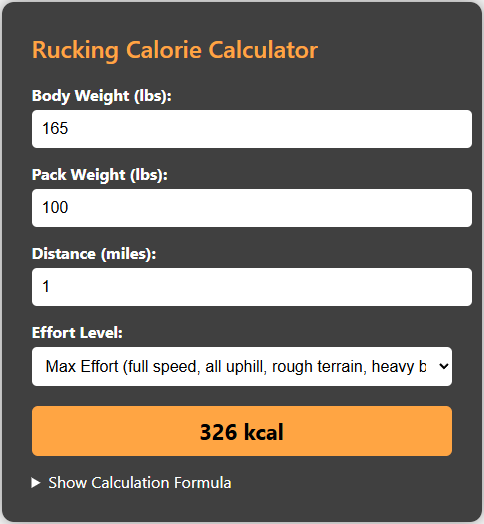
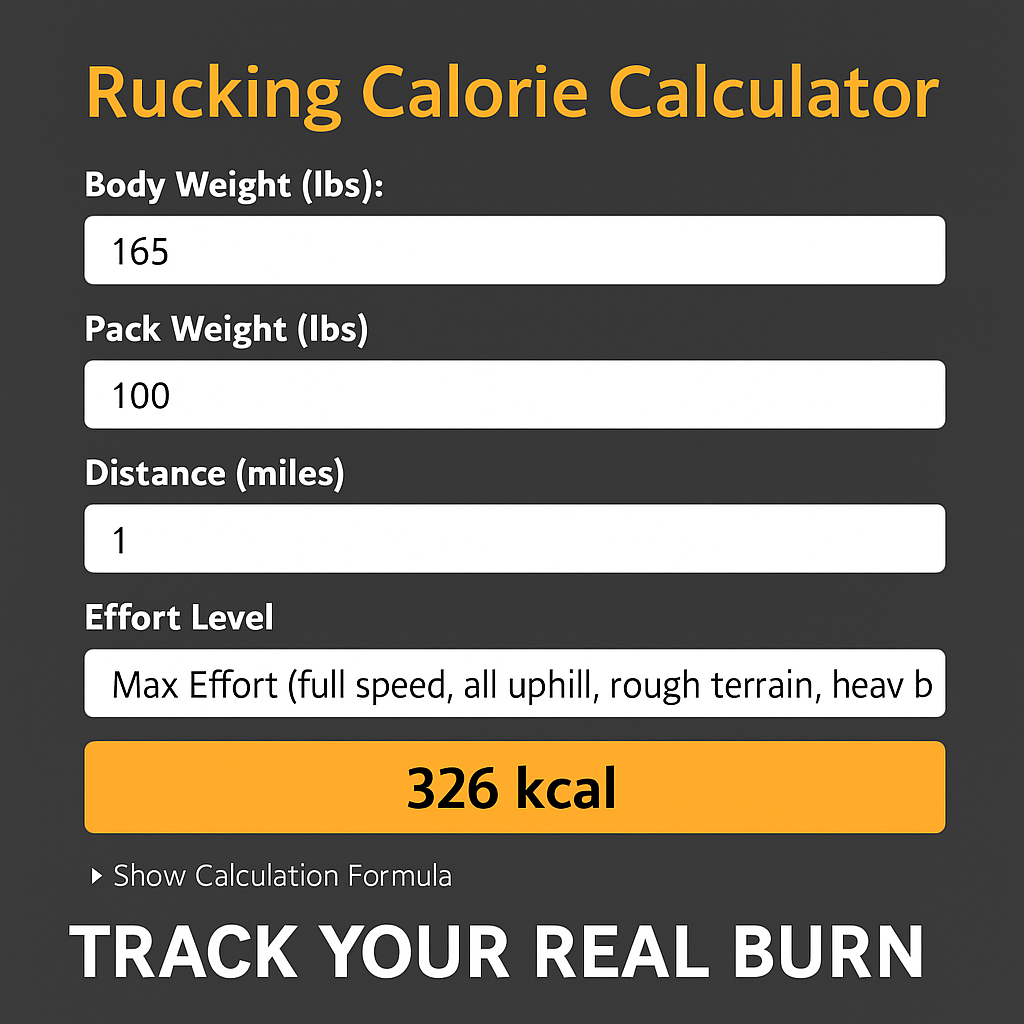
Estimate your burn with the rucking calorie calculator to plan weight management and energy needs.

Gear choices for men over 40
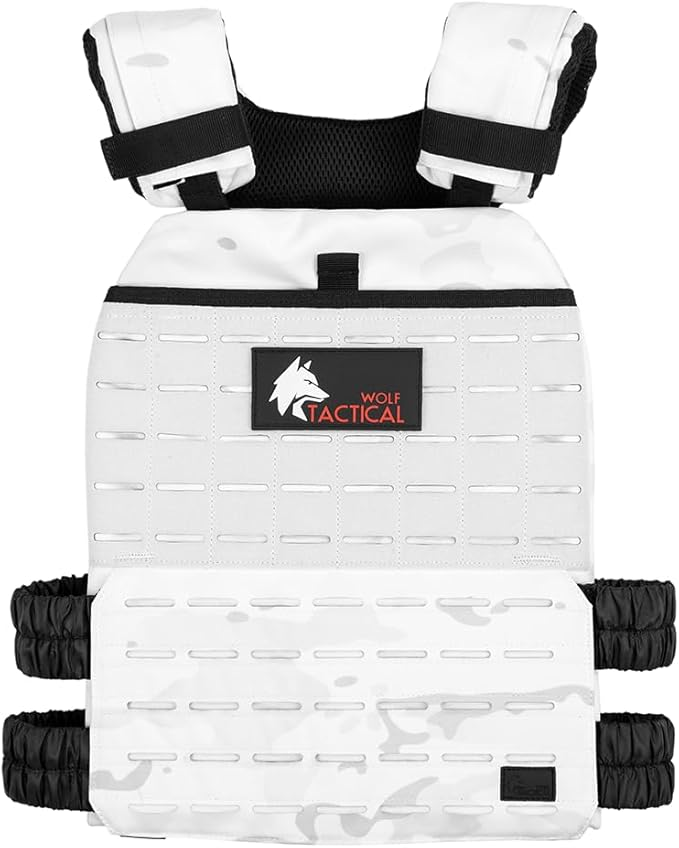
Comfort and fit matter more than maximum load. For most guys over forty a simple, adjustable vest gives the best combination of comfort, even weight distribution, and durability. I recommend the Wolf Tactical Simple Weighted Vest for beginners and everyday rucks, and carrying a hydration pack like the CamelBak Motherlode for longer outings.


Sample progression plan
Weeks 1 to 4: three rucks per week, 20 to 40 minutes, bodyweight or 10 pounds. Weeks 5 to 8: increase one ruck to 45 to 60 minutes and add 5 to 10 pounds if recovery is clean. Beyond eight weeks you can experiment with interval walking, hill repeats, and a single heavy day up to 25 percent bodyweight if you lack joint pain.
Recovery and mobility
At forty plus mobility and sleep matter more than chasing numbers. Spend ten minutes after each ruck on hip mobility, hamstring lengthening, and ankle dorsiflexion. Use a foam roller as needed and prioritize 7 to 8 hours of sleep to support recovery.
The Rucking Pro app on Google Play tracks calories burned for both rucks and weighted vest workouts, includes a weight loss calculator and links to gear and discounts.

Practical tips
- Listen to joint pain; back off load if pain persists.
- Prioritize shoes with stability and replace them regularly.
- Hydrate before, during, and after rucks; add electrolytes on hot days.
- Use short, frequent sessions rather than rare long ones to protect recovery.
- Log sessions and adjust load based on consistent progress, not one workout.
Closing
Consistent rucking with conservative progression will pay dividends in strength, metabolic health, and joint resilience for men over 40. Start small, track progress, use the calculator image above to estimate calories, and prioritize recovery to make rucking sustainable for years.
Longevity notes for consistent ruckers
Longevity in rucking comes from small, repeatable choices rather than occasional extremes. Rotate routes to vary terrain, keep pace moderate on recovery rucks, and reserve one session per week for purposeful strength or loaded carries. If arthritis or persistent knee discomfort is present prioritize seated strength work, aquatic cardio, or elliptical training while maintaining two walking rucks to preserve habit. Nutrition matters: protein at each meal, a moderate calorie deficit only when energy and recovery allow, and attention to micronutrients like vitamin D and magnesium will support joint and muscle health. Use a simple log to note RPE, distance, vest weight, and sleep; patterns tell you when to push and when to back off. Over decades the goal is not to maximize every workout but to show up consistently, adapt intelligently, and keep moving with load in ways that feel sustainable and useful. If you want a conservative plan tailored to your current fitness, start by using the calculator image above, choose a comfortable vest like the Wolf Tactical Simple Weighted Vest, add hydration with the CamelBak Motherlode on longer days, track progress weekly to maintain mobility and metabolic health into your fifties and beyond.