Why rucking for obesity works
Rucking is walking with purposeful load. For people living with obesity, it combines low-impact cardiovascular work with strength stimulus from a weighted vest or rucksack. That combination improves metabolic rate, preserves lean mass and makes consistent daily movement sustainable. This article lays out how to start, how to scale, and how to track progress without injury.
Principles before practice
Start simple. Respect joint health, build walking base, and prioritize progressive overload. Use a lightweight vest or small pack to begin — 5–15% of bodyweight is a reasonable starting point for many. Focus on pace and duration first, then increase load in 2–5 lb steps every 1–3 weeks depending on comfort.
Beginner program blueprint
- Week 1–2: 3 sessions per week, 20–30 minutes brisk walk unweighted to establish consistency.
- Week 3–6: Add a 10–20 lb vest or pack for one session per week. Keep two sessions unweighted. Aim for 30–40 minutes.
- Week 7+: Gradually add load or time. Prefer time progression before dramatic weight increases.
Practical form and safety tips
- Keep an upright posture, short strides, and engaged core.
- Use padded, adjustable vests to avoid chafing and distribute load evenly.
- Prioritize recovery: sleep, hydration, and easy days matter more than pushing every session.
- Check with a clinician if you have uncontrolled blood pressure, joint pain, or other serious conditions.
Gear that helps consistency
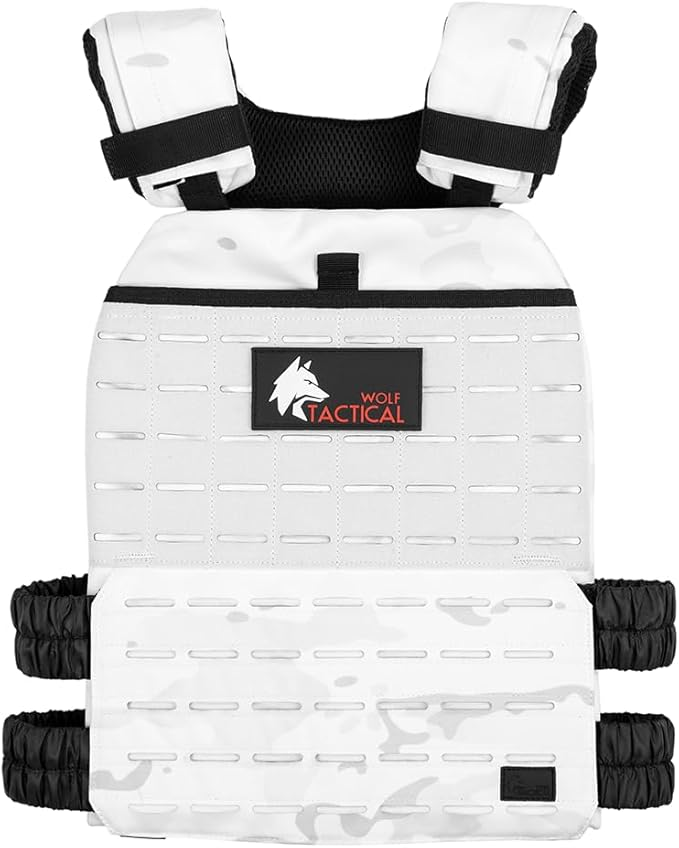
For most beginners I recommend a comfortable, adjustable vest built for walking and rucking. The Wolf Tactical Adjustable Weighted Vest is a good starter option because it balances fit and price.

If you prefer a hydration-capable rucksack for longer walks or mixed cardio, consider the CamelBak Motherlode 100oz for long-distance comfort and water storage.

Track progress with the Rucking Pro tools
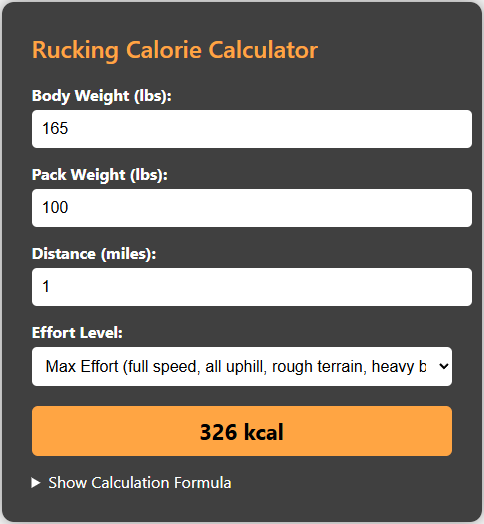
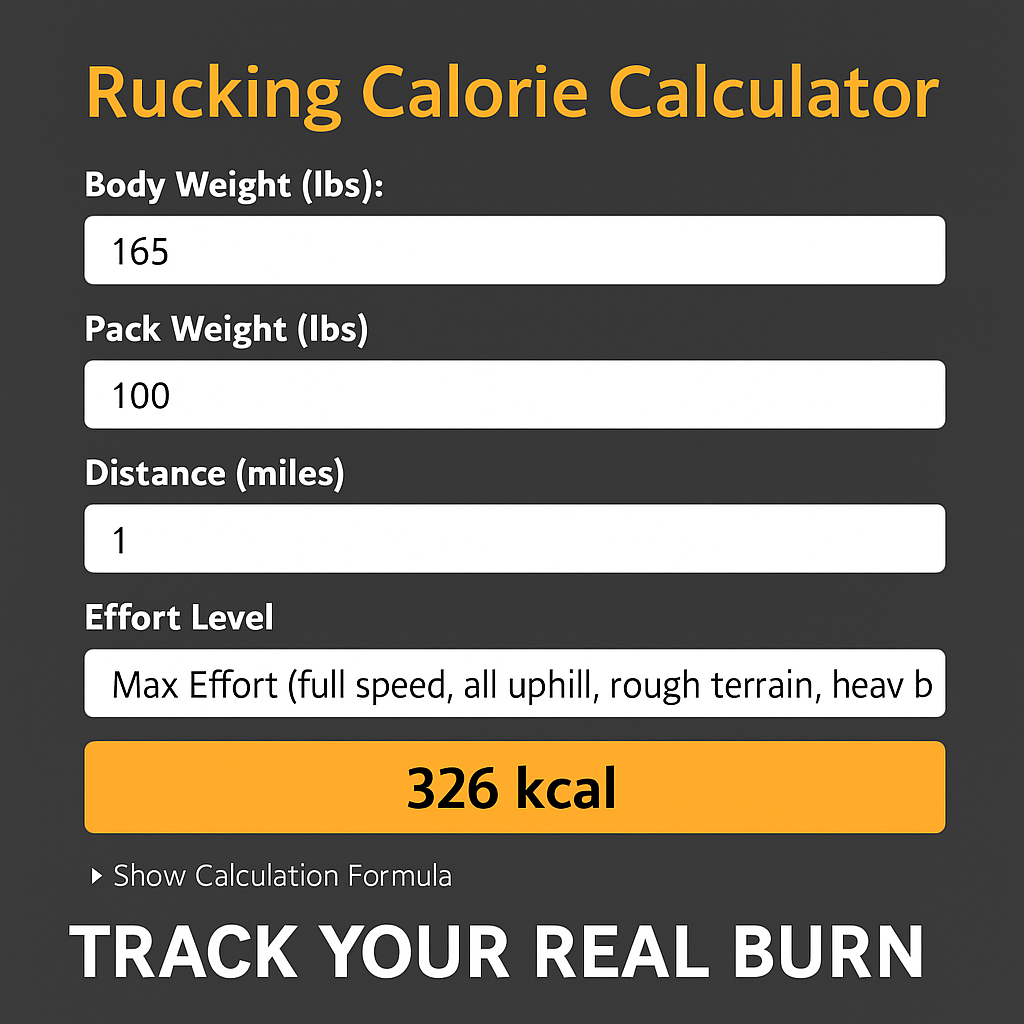
Tracking is the difference between random effort and measurable progress. Use the Rucking calorie calculator to estimate session burn and plan weekly deficits. Click the image below to open the calorie calculator and see how a weighted session changes your expenditure.

Mobile tracking — the Rucking app
The Rucking app on Google Play helps you track calories burned while rucking or using a weighted vest, offers a weight-loss calculator, and links to vetted gear and discounts. Tap the image to install the Android app and begin logging accurate ruck sessions.

Consistency, nutrition, and realistic expectations
Rucking is a tool, not a magic bullet. For sustainable weight loss, combine steady rucking progression with a modest calorie deficit, protein-focused nutrition to preserve muscle, and regular strength work twice weekly if possible. Expect slow, steady changes — body recomposition often precedes large scale weight loss.
Bottom line
For people managing obesity, rucking offers a low-impact, scalable way to add purposeful load and improve metabolic health. Start conservative, track with the calorie calculator and the mobile app, protect joints, and prioritize consistency. Small, repeatable steps compound into long-term change.