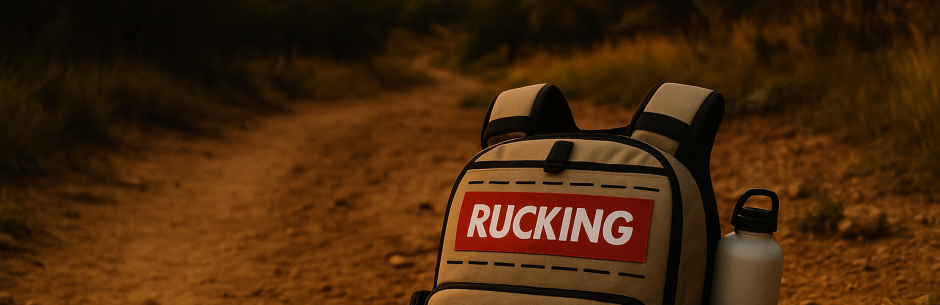
Simple rucking for weight loss beginner plan
This plan gives beginners a clear, safe path to use rucking and a light weighted vest for steady fat loss. Rucking is a low-impact, high-return way to burn calories by walking with load—easy to scale, easy to track, and highly sustainable outdoors. Below you’ll find weekly progression, session structure, recovery tips, and links to tools that let you track calories and weight-loss progress precisely.
Why rucking works
Rucking increases calorie burn by adding load to a walk. That extra work taxes your metabolic systems without the joint stress of running. It also builds posterior chain strength and improves posture. For beginners, start conservatively and prioritize consistent frequency over intense sessions.
Beginner 8-week progression
Follow this template and adjust for fitness level. Aim for three ruck sessions per week with at least one day of rest or active recovery between rucks.
- Weeks 1–2: 20–30 minute walks, bodyweight or 5–10% bodyweight in a vest. Focus on brisk pace and technique.
- Weeks 3–4: 35–45 minute rucks. Increase load by 5–10 lbs if effort feels manageable.
- Weeks 5–6: 45–60 minute rucks. Add one hill or interval segment: 3–5 minutes slightly faster with controlled form.
- Weeks 7–8: 60+ minute steady ruck once per week, maintain two shorter rucks. Prioritize recovery and hydration.
Session structure
Each ruck should follow a simple template:
- Warm-up: 5–8 minutes walking, dynamic hip mobility.
- Main set: target duration from plan above with steady pace.
- Optional: 5–10 minutes of bodyweight work after the ruck (push-ups, lunges, plank).
- Cool-down: 3–5 minutes easy walk and light stretching.
Tracking calories and progress
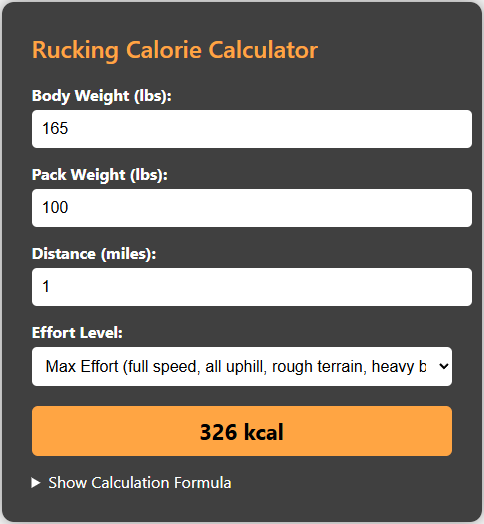
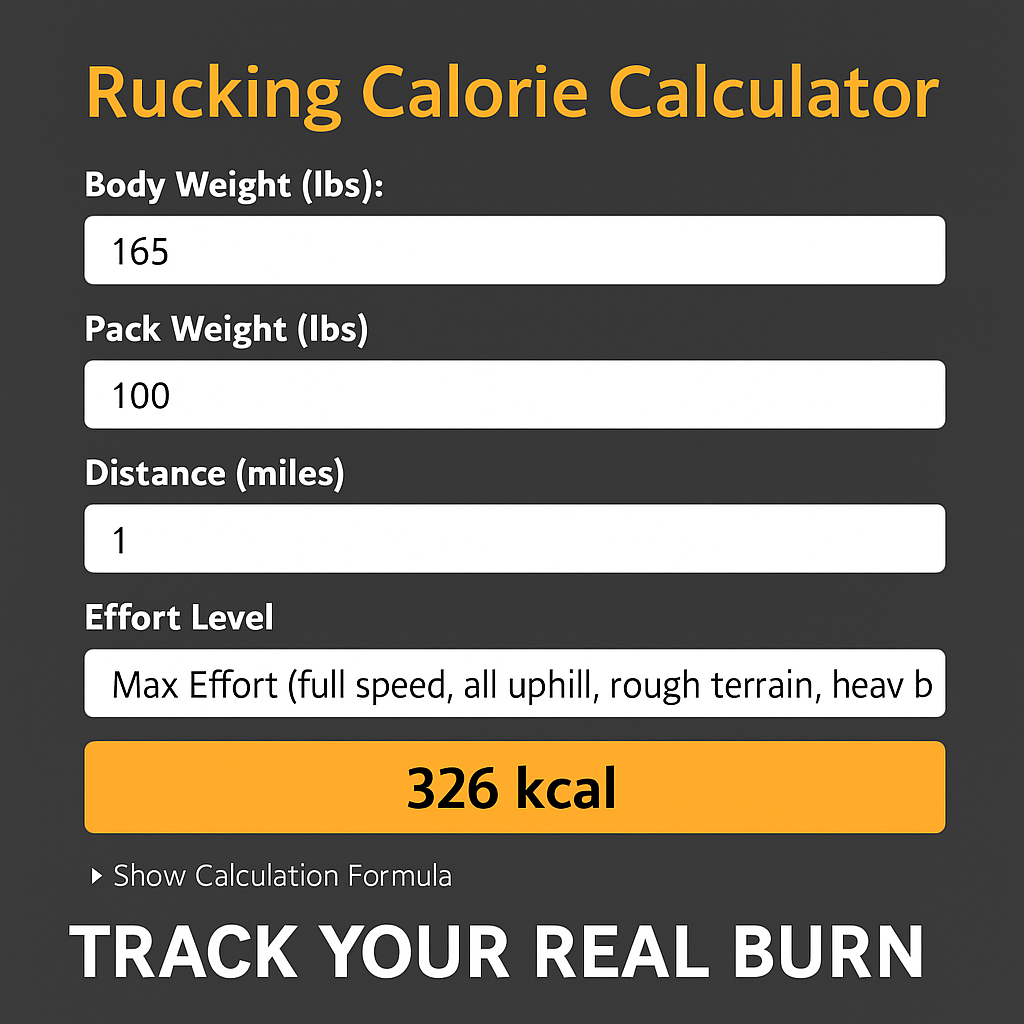
Use the Rucking Calorie Calculator to estimate calories burned and tailor your sessions. Click the screenshot below to open the calculator and enter weight, pace, distance, and vest load for a personalized burn estimate.

Tools: the Rucking app
For on-the-go tracking, the Rucking app on Google Play syncs ruck sessions, weighted-vest options, and a weight-loss calculator so you can monitor trends and progress. Tap the image to open the Play Store and install. The app helps you log vest weight, distance, and calories burned accurately.

Beginner gear recommendations
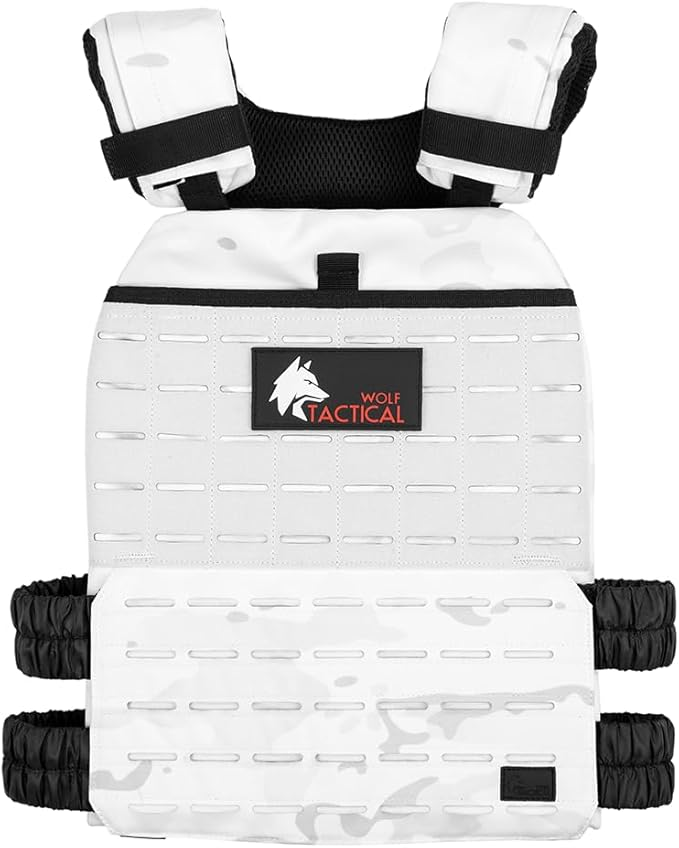
Start with a comfortable vest or light rucksack. For a beginner-focused weighted vest I recommend the WOLF TACTICAL Simple Weighted Vest (Men/Women)—it’s comfortable, adjustable, and built for walking-style rucks.

For longer walks and hydration, a rucksack like the CamelBak Motherlode 100oz Mil Spec Crux Hydration Backpack pairs hydration with load-carrying capacity for mixed cardio-plus-load sessions.

Recovery and nutrition
Rucking is sustainable when paired with disciplined nutrition and sleep. Prioritize protein to retain lean mass and manage calories with a slight deficit if weight loss is the goal. On long or hot rucks, include electrolytes and consider products like Pump-Ocalypse for hydration support during extended efforts.
Safety and progression
Increase load no more than 5–10% of bodyweight every 2–3 weeks based on comfort and form. Stop if you experience sharp joint pain. Keep cadence steady and posture upright—think chest up, hips engaged.
Final advice
Consistency beats intensity for beginners. Use the calculator linked above to set realistic burn goals, install the Rucking app to log and track progress, and choose comfortable gear to make rucking a habit. Start light, build slowly, and the weight will come off while you get stronger and more resilient.