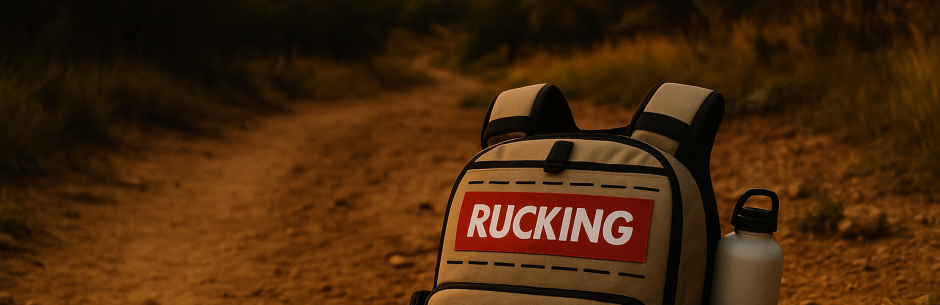
Rucking in cold weather demands planning, layered clothing, and mindset. This guide outlines practical steps to stay safe, efficient, and warm while rucking through winter conditions. Read these tactics before your next cold weather outing.
Preparation and layering
Prioritize moisture management. Start with a close fitting base layer that moves sweat away from skin. Add an insulating mid layer such as fleece or wool, then top with a windproof shell. Avoid cotton. Wet cotton steals heat and raises hypothermia risk. Keep spare socks and gloves in a waterproof pocket for emergencies.
Feet hands and circulation
Your feet set the tone for the whole ruck. Wear insulated boots sized to allow thicker socks without constriction. Use wool or synthetic socks, consider thin liner socks to reduce friction, and change socks at any sign of dampness. Keep hands warm with a dexterous glove system: thin liners under a waterproof insulated shell. Move often to encourage circulation; stomp, swing arms, and adjust layers before numbness sets in.
Hydration and calories
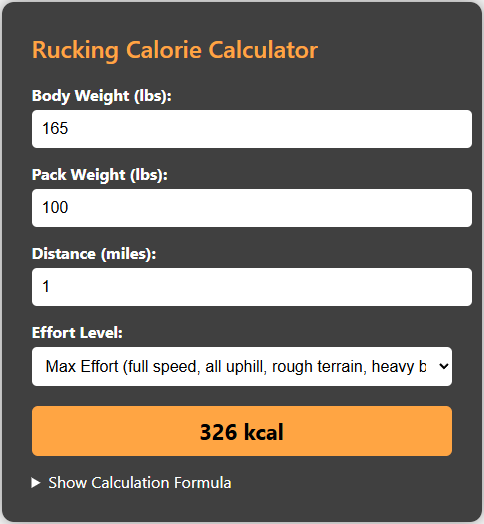
Cold air reduces perceived thirst, but calorie burn increases with heavier loads and colder temperatures. Carry warm fluids in an insulated bottle and sip frequently. Bring calorie dense snacks like nuts, cheese, and compressed bars to maintain energy. If you want to estimate calories burned while rucking, use the Rucking calorie calculator linked below to plan intake and recovery.
Pace load and route selection
Start slower than usual and tack on shorter routes when testing new cold gear. Cold muscles need longer warm ups so include dynamic movements before you carry significant weight. Reduce pack or vest weight slightly if wind chill is severe. Choose routes with shelter options for breaks and quick layer changes.
Foot care and blisters
Treat hot spots immediately. Use lubricant, tape, or blister patches. Keep toenails trimmed and inspect feet during rests. Change into dry socks at first chance and air out boots if possible at home.
Cold specific safety
Know signs of hypothermia and frostbite. Early hypothermia shows shivering, confusion, and slurred speech. Frostbite brings numbness and waxy skin. If you suspect either, get out of wind, add dry layers, and seek medical help when necessary. Carry a small emergency kit with hand warmers, space blanket, and a lightweight stove or chemical heat source for serious outings.
Gear recommendations
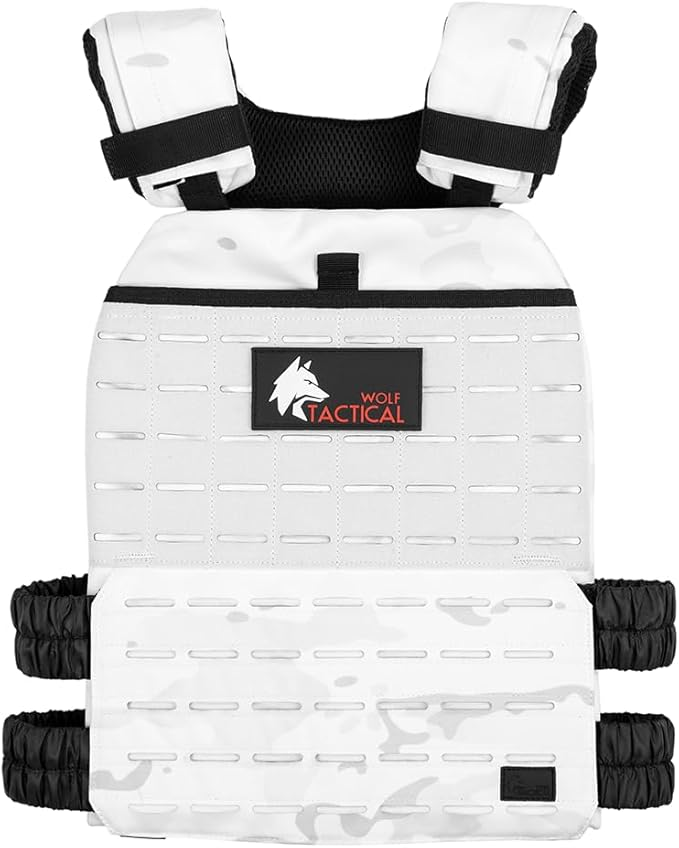
For cold rucks favor a comfortable vest and easy access pockets. The Wolf Tactical Adjustable Weighted Vest balances fit and insulation, and works well for shorter training sessions. See the linked vest below for fit notes.

Navigation and daylight
Shorter winter days require planning. Start early, avoid remote solo routes when possible, and carry a headlamp and extra batteries. Let someone know your plan and expected return time.
Using calculators and the Rucking app
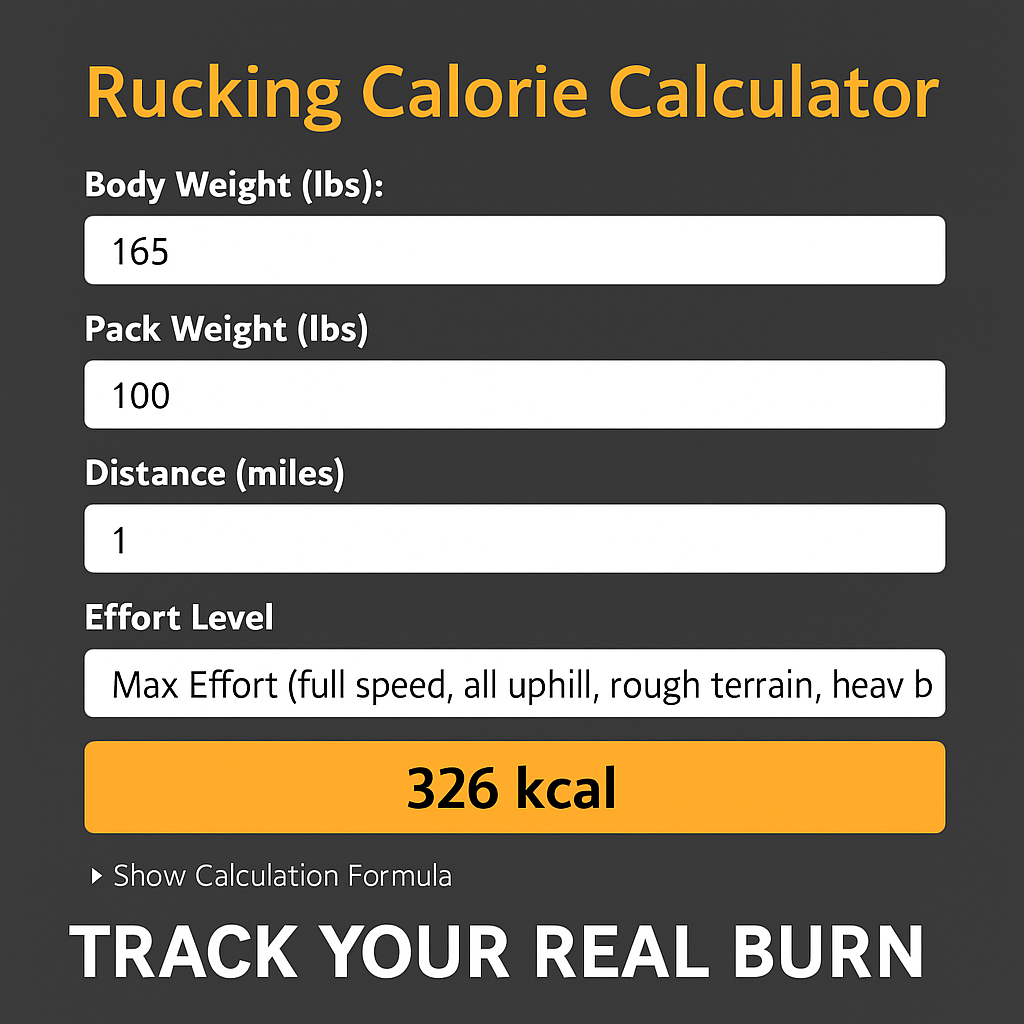
Estimating calorie burn helps you fuel correctly. Use the Rucking calorie calculator for weighted vest or backpack rucking and adjust targets for cold environments.
Click the calculator screenshot below to open the tool and enter your load, pace, and temperature for a tailored estimate.

For accurate tracking on the trail, install the Rucking app on Android. It tracks calories burned while rucking or using a weighted vest, offers a weight loss calculator, and links to gear discounts. Tap the image below to open Google Play and install the app now.

Simple winter checklist
- Base layer, insulating mid layer, windproof shell.
- Insulated boots and spare dry socks.
- Insulated water, high calorie snacks.
- Hand warmers, space blanket, emergency heat source.
- Headlamp, navigation, known bailout points.
Final advice
Start conservatively, adjust quickly, and prioritize warmth over pace. Training through cold builds resilience, but it should never override safety or prepared plans. Regularly use tools like the calorie calculator and the Rucking app to measure effort and recovery.
When packing, place fuel and frequently used items near your chest so you can access them without removing gloves. Rotate foot wear by alternating shoes between long outings to reduce cold related injuries.
Practice layering on short training rucks to learn what combinations keep you warm but prevent overheating. Start with a lighter vest load and increase weight over weeks, not days.
Know shelter options on every route, and carry a charged phone with location services enabled. If conditions deteriorate, be prepared to turn back early and try again another day.
Finally, respect winter weather. Proper planning, conservative pacing, and the right gear make cold rucking safe and sustainable. Use the linked tools and the app to plan outings and track progress.
Stay warm, stay consistent, and ruck smart.