Rucking speed vs calorie burn: overview
Understanding how pace influences energy expenditure matters for planning efficient rucks. Whether you use a weighted vest or a rucksack, modest changes in speed change heart rate, biomechanics, and calories burned. This guide explains the physiology, practical rules of thumb, and actionable training examples you can use on trails, roads, or local parks.
How speed affects calorie burn
Speed alters calorie burn through two primary mechanisms. First, faster movement requires more mechanical work per unit time and increases cardiovascular demand. Second, faster paces tend to change gait and stride length which can either increase or decrease economy depending on terrain. Weighted loads magnify both effects so pace selection becomes more sensitive when you add substantial weight.
Physics and metabolic response
At walking speeds the relationship between pace and calories burned is roughly linear up to a point. When effort crosses into power walking or light jogging the metabolic cost increases faster than speed because muscle recruitment patterns change. When rucking with a vest the added mass increases energy cost in proportion to weight and distance. For most people moderate increases in pace yield noticeable calorie gains with acceptable fatigue tradeoffs.
Practical rules of thumb
- Increase pace by 10% and expect roughly 5–10% more calories burned for steady flat rucks.
- On hilly terrain a slower pace often burns more calories because vertical work increases dramatically.
- Long slow distance is efficient for calorie totals if total time is long; faster shorter rucks can be more time efficient for the same burn.
- Weighted vests shift the balance toward slower sustainable paces; prioritize form and posture rather than maximal speed.
Using a calculator to dial pace and weight
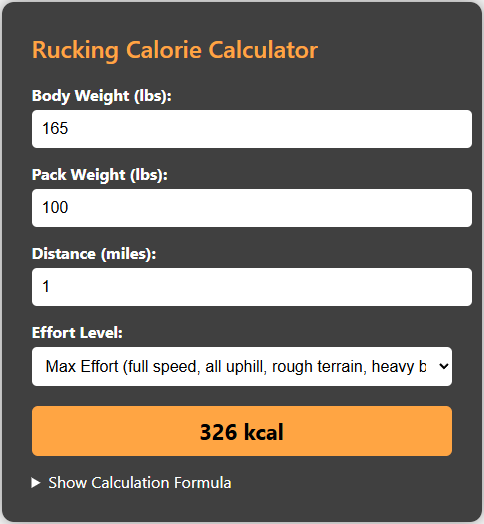
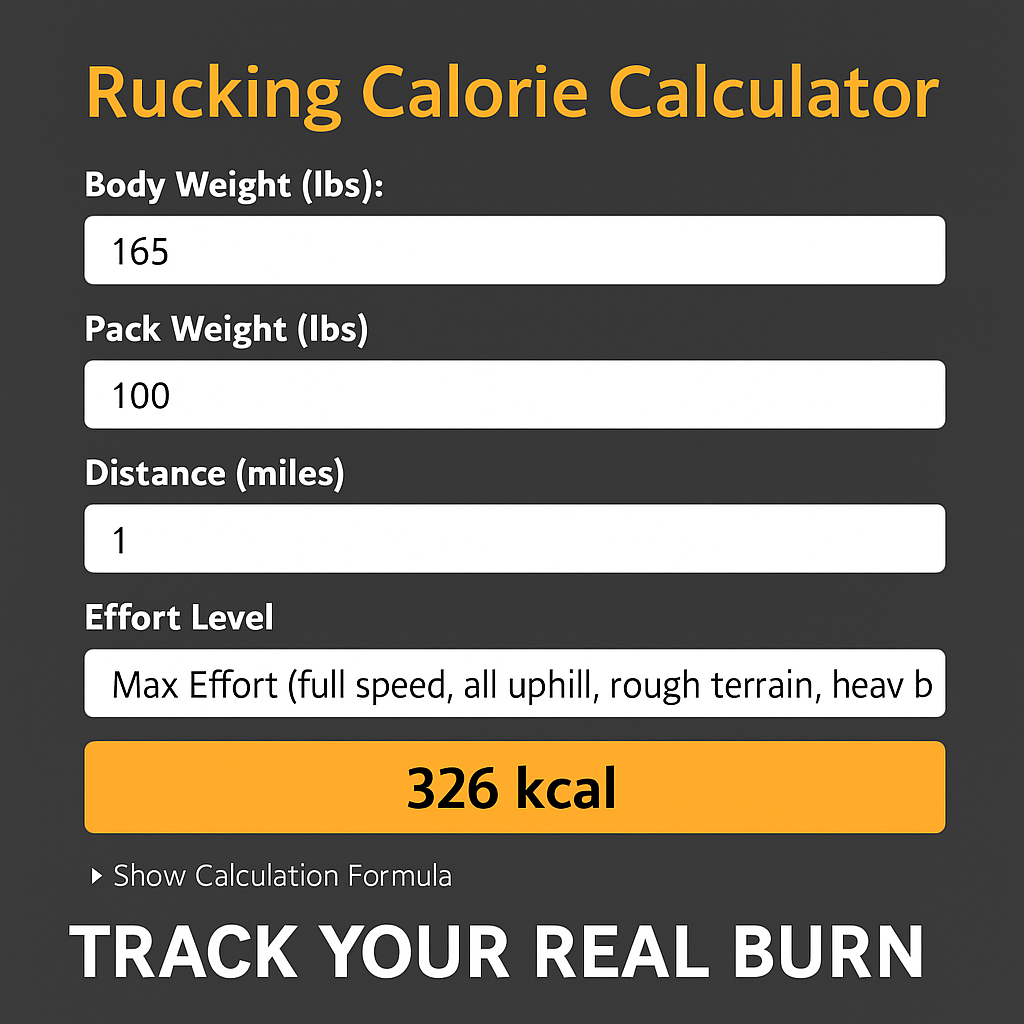
Use the Rucking Calorie Calculator to estimate calories burned for different speeds, distances, and vest or pack weights. Test scenarios before you head out to match training goals to available time.

Gear and app that make pace training practical
Choose gear that supports comfortable movement at your target pace. For most beginning and intermediate ruckers a reliable, adjustable vest helps control load distribution and reduces chafing. For longer distance rucks a hydration pack and robust rucksack work best.
Here are two recommended pieces of kit that pair well with pace training:

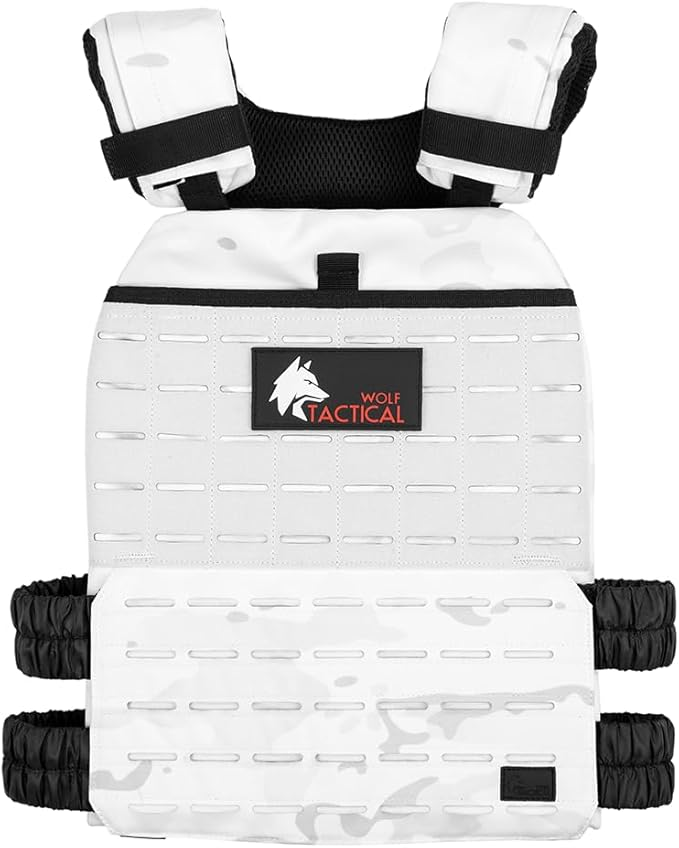
Inline option: Wolf Tactical Weighted Vest is a good starting point for adjusting load without changing posture.

Inline option: use the CamelBak Motherlode Tactical Hydration Backpack when mixing endurance pace with significant carried weight.
Track rucking pace, distance, and calories with the Rucking app on Google Play. The app records how many calories you burn while rucking or using a weighted vest and includes a weight loss calculator plus gear discounts. Tap the image to install.

Sample workouts to isolate pace effects
- Steady state tempo: 60–90 minutes at a brisk walk that is sustainable but elevated heart rate. Measure calories per mile and adjust pace in small increments.
- Interval rucks: alternate 5 minutes brisk, 3 minutes easy for ten cycles. Intervals increase average calorie burn while keeping total time moderate.
- Hilly repeats: short, intense climbs with recovery descents. Hilly work increases vertical calorie cost and strengthens load-bearing muscles.
Conclusion
Pace matters but context matters more. Decide whether you want time efficiency, total calorie burn, or strength adaptations and choose speed, load, and terrain accordingly. Use the Rucking Calorie Calculator to model options before you go, pair sensible gear like a Wolf Tactical Weighted Vest or CamelBak pack, and track your progress with the Android app to refine pacing strategy over time.
Common mistakes and troubleshooting
Many ruckers chase speed and end up compromising posture, which raises injury risk and reduces long term consistency. Common errors include overstriding when trying to move faster with weight, neglecting recovery, and ignoring terrain effects that amplify energy cost. When form breaks you often waste energy by tensing upper traps, letting hips drop, or allowing the pack to shift. The simple remedies are deliberate cadence, shorter strides, and periodic checks on breathing and shoulder relaxation. If you feel knee pain, back off pace and reduce load until mobility and stability improve. Fatigue management matters: plan one hard or tempo ruck per week and balance it with easier low intensity walks. Use small, measurable increases in pace or weight every one to three weeks rather than large jumps. Track your data in the app or with the calculator to make informed adjustments based on calories burned, perceived exertion, and recovery markers. Consistency beats extremes; build sustainable speed with disciplined progression. Start conservatively, measure, and iterate over many months.