Why Use a Weighted Backpack?
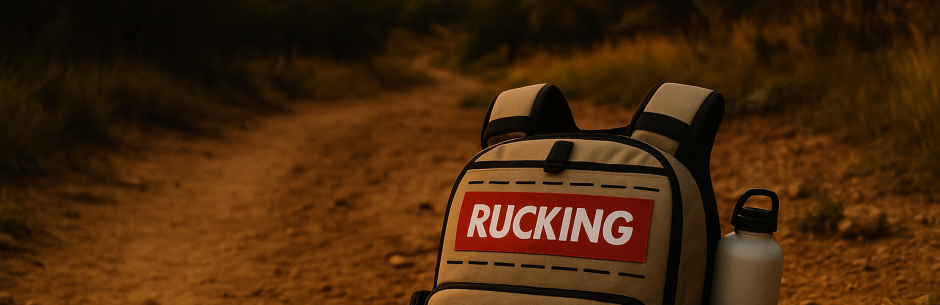
Rucking with a weighted backpack is one of the simplest—and most effective—ways to build strength, endurance, and cardiovascular fitness. Whether you call it rucking or weighted walking, the concept is the same: throw some extra load in a sturdy backpack and walk, hike, or climb. The result? More calories burned, stronger muscles, and improved mental toughness.
Choosing the Right Weighted Backpack
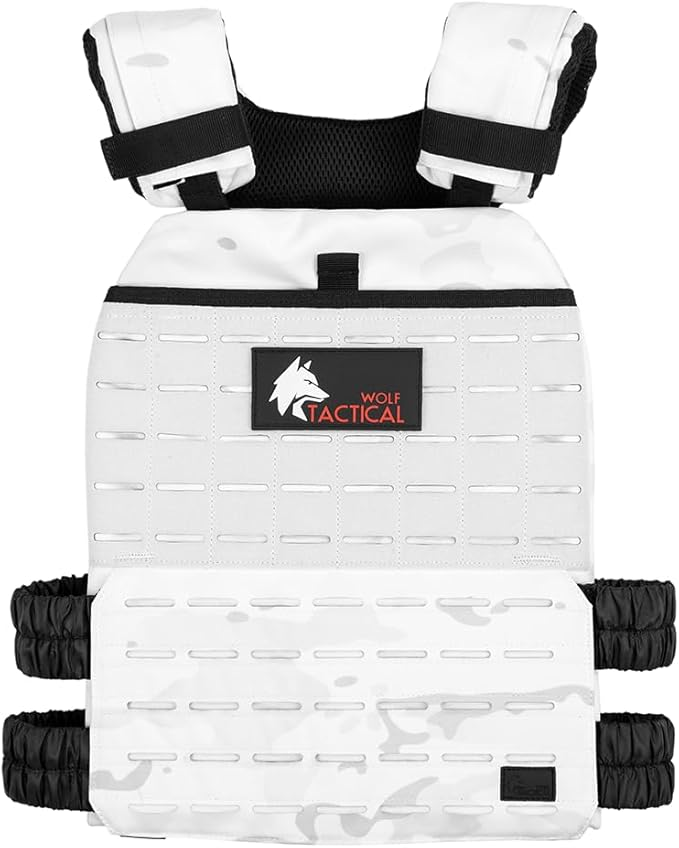
Not every bag is made for rucking. Look for padding in the shoulder straps, a secure fit, and a design that distributes weight comfortably. While you can start with any tough pack, dedicated GORUCK Rucker 4.0 20L models or high-quality weighted vests like the Wolf Tactical Adjustable Weighted Vest offer better support for serious training.

Setting Up Your Pack
- Start with 10-20 pounds if you’re new to rucking.
- Use flat ruck plates like Yes4All Ruck Weight Plate for even weight distribution.
- Pack weight high and tight against your back.
- Use towels or clothes as fill to stabilize weight and avoid shifting.

Weighted Backpack vs. Weighted Vest
Both have their place. For hiking or urban rucking, a weighted backpack is intuitive and lets you carry gear. For focused training, a weighted vest keeps the center of gravity closer and allows hands-free movement during dynamic drills.

How Much Weight Should You Use?
A good rule: Start light and progress gradually. For most adults, 10-20 lbs is plenty for the first few weeks. As your muscles adapt, add more weight—but never sacrifice good form for heavier loads. Remember, form beats ego.
Track Your Calories Burned
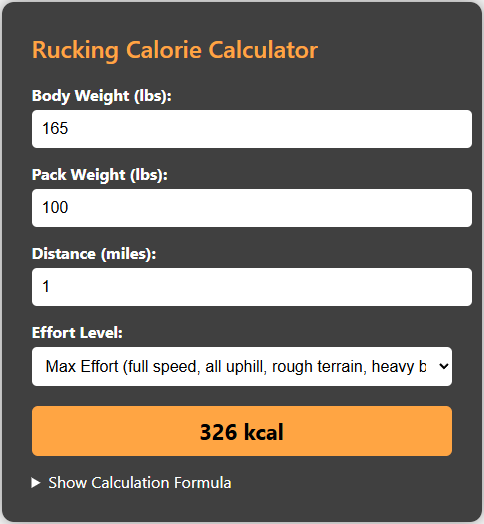
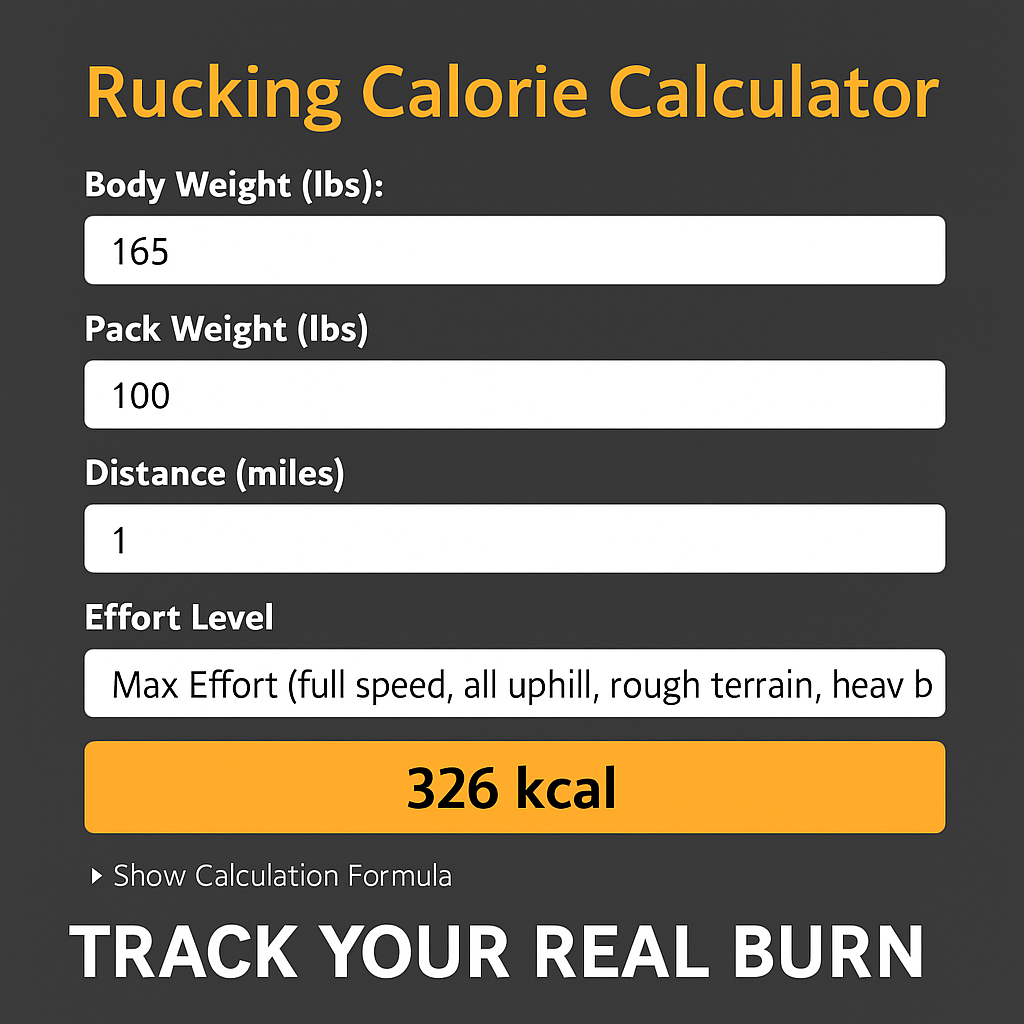
Wondering how much extra calorie burn your weighted backpack delivers? Use the calculator below to get personalized numbers and adjust your ruck for specific weight loss or endurance goals.