Understanding Weighted Plate Carriers for Rucking
Weighted plate carriers have become an increasingly popular choice for people looking to enhance their rucking sessions. Unlike traditional rucksacks, plate carriers distribute weight more evenly across your torso and often allow for greater range of motion. If you’re new to weighted plate carriers or considering one as your next training upgrade, this guide will help you understand the essentials—from comfort and weight loading, to top product recommendations.
What Sets Plate Carriers Apart?
Plate carriers are essentially vests designed to hold weight plates. This design offers:
- Even weight distribution—No more relying solely on your shoulders or lower back.
- Greater body control—Easier to maintain proper posture and form, important for longer rucks.
- Scalable loading—Increase or decrease your training load by swapping out plates.
Key Features to Look For
- Adjustability: Look for multiple adjustment points for a snug yet comfortable fit.
- Breathability: Mesh linings and ventilated panels will help you stay cool on extended outings.
- Weight compatibility: Most carriers support standard-sized ruck weight plates from 10 lbs up to 45 lbs.
Top Weighted Plate Carrier Choices
For all-around rucking, a great option is the GORUCK Ruck Plate Carrier 3.0, known for its comfort and durability:

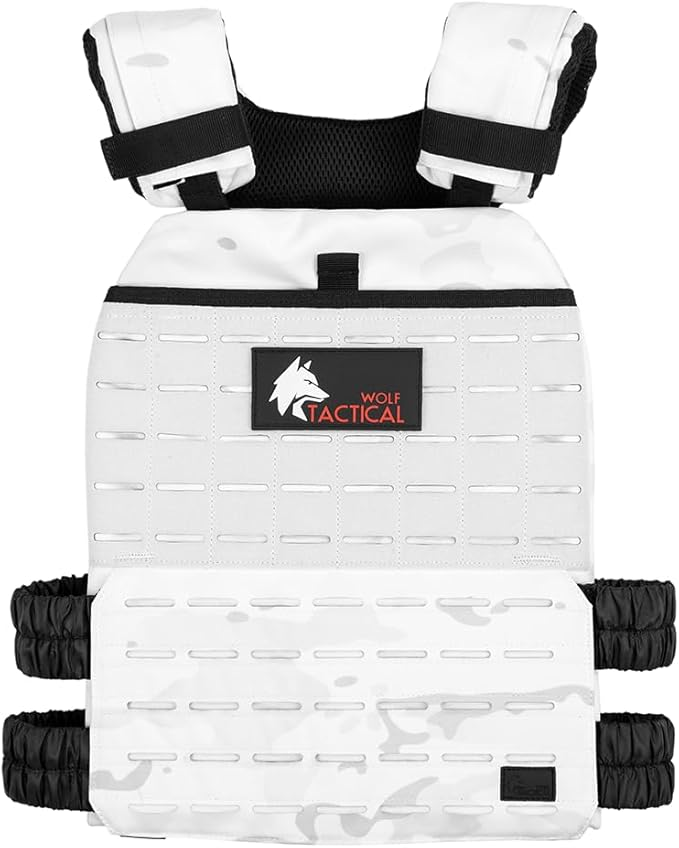
If you want adjustability and versatility, the Wolf Tactical Adjustable Weighted Vest is another excellent pick:

For those focused on strength-building or advanced ruck workouts, the Kensui EZ-VEST® MAX V2 stands out for its heavy-loading capacity:

Recommended Plate Options
The Yes4All Ruck Weight Plate (10–45 lbs) pairs perfectly with modern plate carriers:

How Much Weight Should You Use?
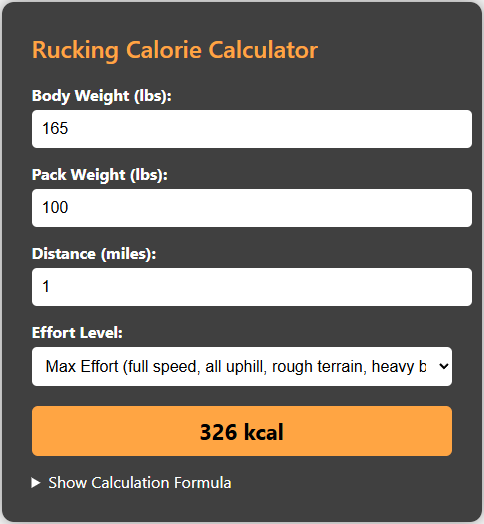
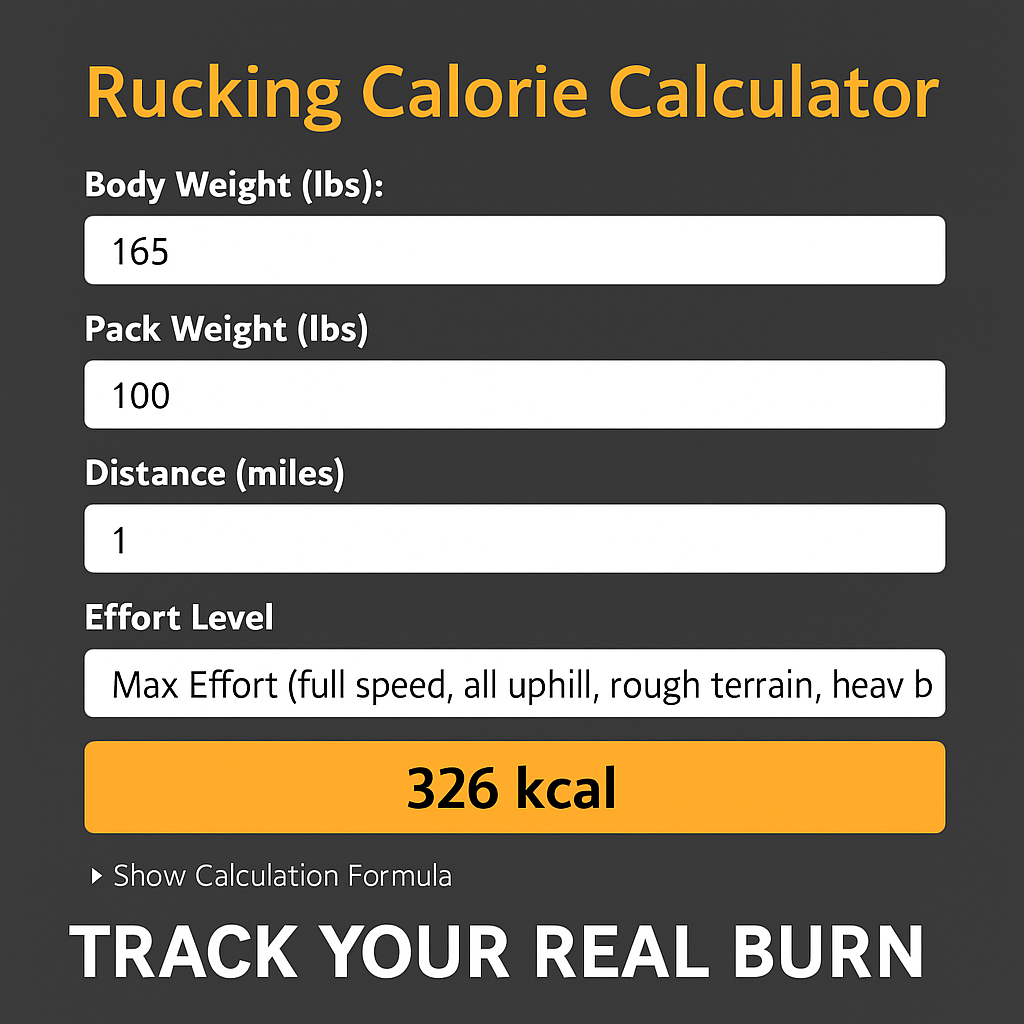
The ideal load for rucking depends on your goals and experience. Beginners should start light—about 10% of bodyweight—whereas advanced users may carry 20-30%. Not sure how many calories you’re burning or how much weight is right for you? Use our Rucking Calorie Calculator to dial in your training:

Plate Carrier Tips and Safety
- Start slow: Gradually increase weight as your core and shoulders adapt.
- Focus on fit: Poorly-fitting plate carriers increase chafing and fatigue.
- Hydrate!
- Pair plate carriers with regular strength training for best results.
Whether preparing for a ruck event or seeking new ways to build strength outdoors, a quality weighted plate carrier can take your training to the next level. If you want direct advice, check out our guides on perfect ruck form and safe weight progression.