Why Use a Weighted Vest for Running?
Adding a weighted vest for running can push your cardio sessions to the next level, increasing calorie burn, improving endurance, and building core and lower body strength. Whether you’re tackling short sprints or long steady miles, training with additional resistance challenges your muscles and lungs in ways that traditional running just can’t match.
Benefits of Weighted Vests for Runners
- Increase Calorie Burn: Carrying extra load requires more energy, ramping up your overall calorie expenditure.
- Muscle Growth: The extra resistance improves strength in core, glutes, and stabilizer muscles.
- Enhanced Cardiovascular Health: Running under load stresses your heart and lungs more (in a good way), improving VO2 max and endurance over time.
- Boosted Bone Density: The impact from extra weight helps strengthen bones, an underrated benefit for runners long term.
How to Select a Weighted Vest for Running
Not all weighted vests are built for running. Comfort, fit, adjustability, and weight distribution matter most. Here’s what to look for:
- Snug, Non-chafing Fit: Look for vests with adjustable straps and minimal movement during your stride.
- Breathable Materials: Sweat-wicking, mesh backing, and ventilated designs prevent overheating.
- Weight Options: Start light—between 4 to 10 lbs is ideal for most runners. Advanced athletes may go higher, but comfort and running form come first.
- Even Load Distribution: Plates or sandbags that sit close to the body for minimal bounce on the chest and back.
Recommended Weighted Vests for Running
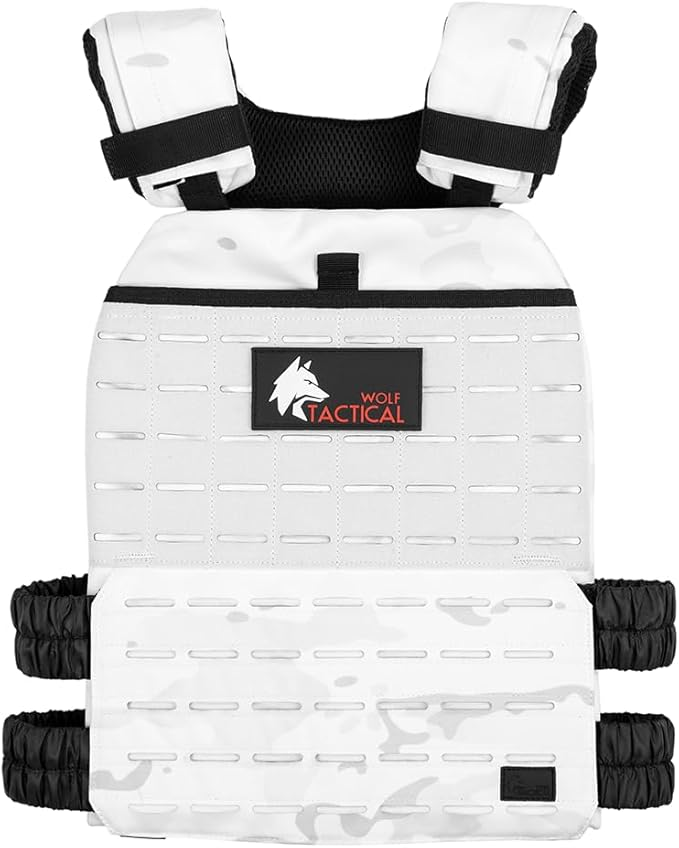
Hands down, my go-to for running is the Wolf Tactical Adjustable Weighted Vest. It’s perfectly balanced, highly adjustable, and doesn’t bounce—even during intervals or hill sprints.

Looking for something with a splash of color for visibility and style? The BAGAIL Adjustable Weighted Vest (4–10 lb, pink) is a standout for runners who value comfort and adjustability alike.

How Heavy Should a Running Vest Be?
Most runners should start light—4 to 10 lbs. If you’re experienced with ruck or resistance running, you can scale up over time, but monitor your form and avoid overloading which could harm joints or running mechanics. Your running vest should feel challenging but allow a natural, upright form.
Tips for Safe Weighted-Vest Running
- Increase vest weight gradually—don’t jump to max loads your first week.
- Focus on posture and cadence—run tall and scan for changes in technique.
- Limit initial sessions to 1–2 times a week, especially for newer runners.
- Use high socks or sweat-wicking base layers to prevent chafing.
Track Your Calorie Burn: Calculator
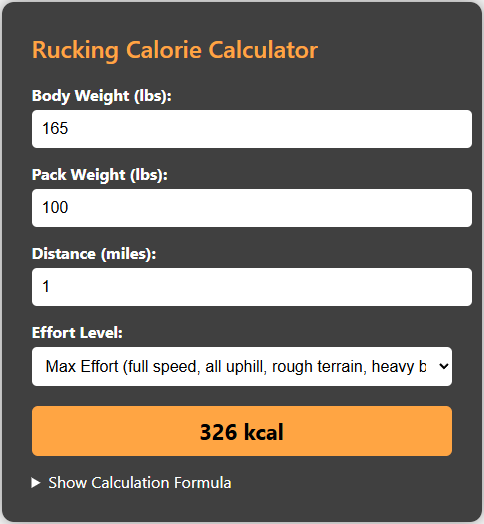
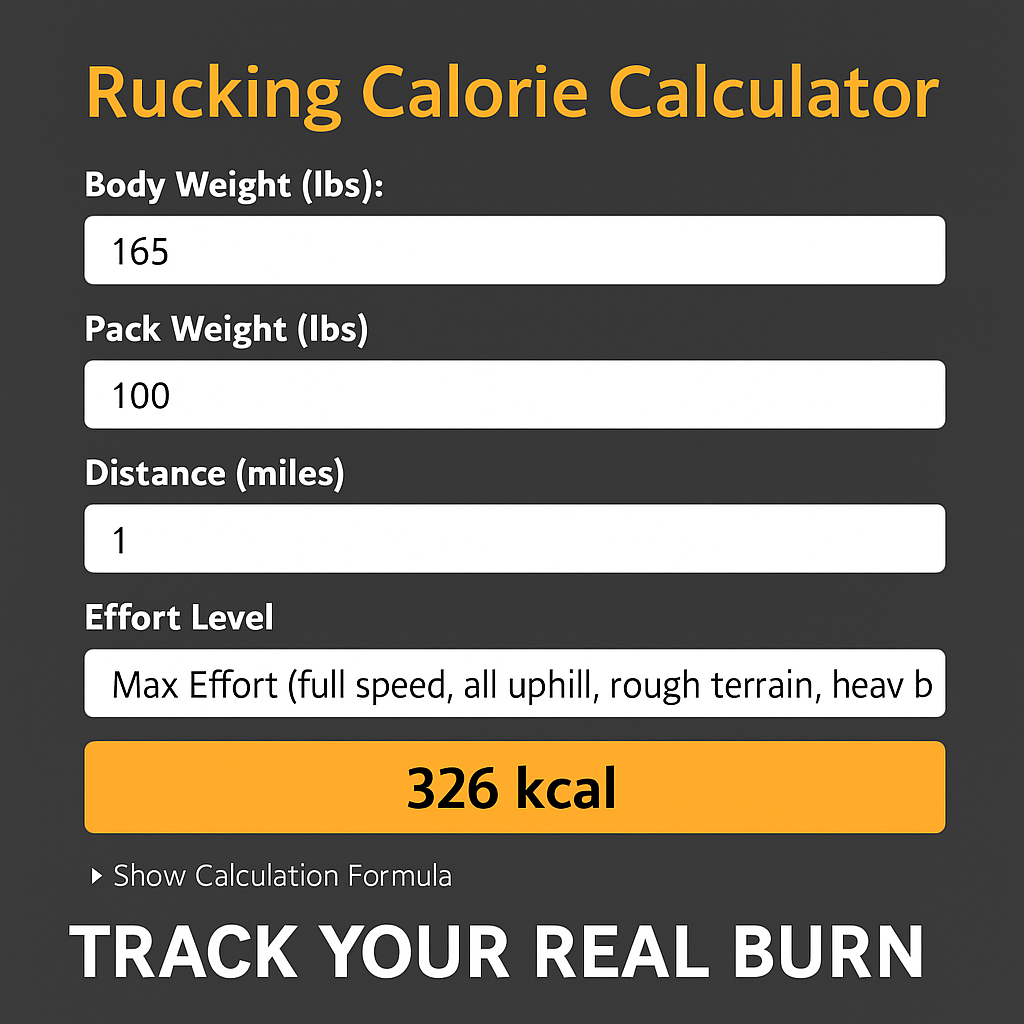
If you want to see your estimated calorie burn when running with a weighted vest, check out the free Rucking Calorie Calculator:

Plug in your pace, weight, and vest load to see the difference adding a vest can make!
Final Thoughts
Running with a weighted vest is one of the best ways to upgrade your cardio routine and results. Start light, focus on fit, and let your pace and mechanics guide you as you add load. With the right gear—like the Wolf Tactical Adjustable Weighted Vest or the BAGAIL Adjustable Weighted Vest—any runner can unlock more meaningful progress outdoors or on the treadmill.