What is Heavy Ruck Training?
Heavy ruck training is the practice of walking or hiking with a weighted backpack, typically 35 pounds or more, to maximize both strength and cardiovascular endurance. This training modality isn’t just reserved for the military or special operators—it’s accessible to anyone looking to challenge themselves, build grit, and elevate functional fitness.
Benefits of Heavy Ruck Training
- Strength Development: Carrying heavier loads recruits a wide range of muscles—core, hips, glutes, back, and shoulders—leading to substantial strength gains over time.
- Cardiovascular Resilience: The sustained effort required at higher weights pushes your heart and lungs hard, making it a potent cardio workout without high-impact pounding.
- Bone Density & Joint Toughness: Weighted walking places healthy stress on bones and joints, encouraging adaptation and resilience when progression is managed intelligently.
- Mental Grit: There’s no shortcut with heavy rucks. Every step builds toughness and teaches you to embrace discomfort.
How to Structure Heavy Ruck Workouts
- Start with short distances: Begin with 1–2 miles under a challenging-but-manageable load.
- Focus on good posture: Keep your core engaged, shoulders back, and stride efficient—heavy loads can throw off your form if you get sloppy.
- Build gradually: Add 5–10% to your weight or distance every week. Jumping too fast can lead to overuse injuries.
Once you’re comfortable, alternate between longer steady-state rucks and shorter, faster efforts—both have a place in a balanced program.
Essential Gear for Heavy Rucking
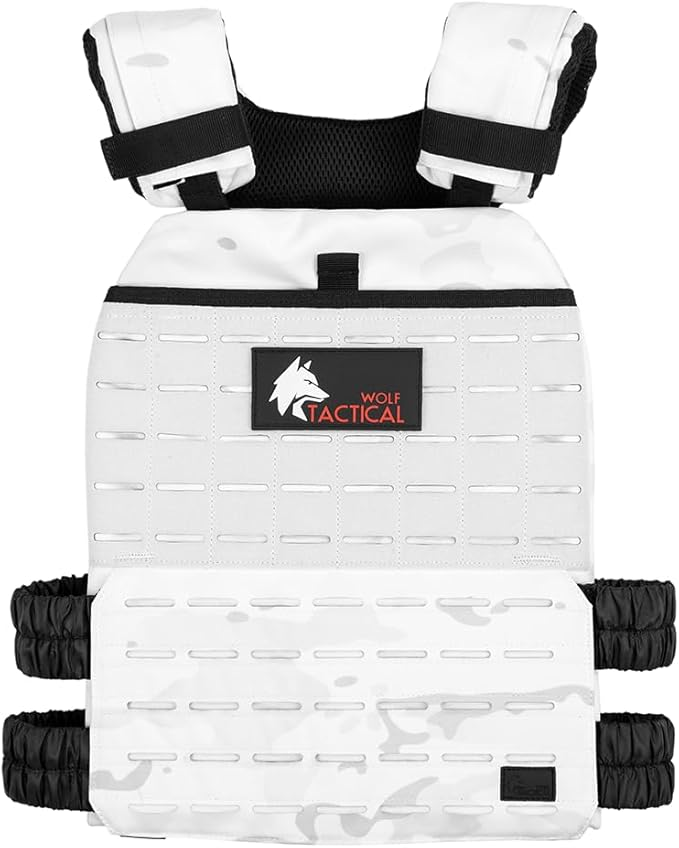
- Pack or Weighted Vest: A rugged, well-fitting pack or plate carrier is the backbone of your training. For serious strength-focused rucking, I highly recommend the Kensui EZ-VEST® MAX V2—it’s rated up to 300 lbs and versatile for both rucking and advanced strength moves.

- If you prefer a more classic load carriage, the GORUCK Rucker 4.0 20L is a favorite for long-distance rucks with superb stability and comfort.

- Don’t forget hydration—staying topped up is even more critical with increased effort and sweat. The CamelBak Motherlode 100oz Mil Spec Crux keeps you hydrated for long, hot sessions.

Heavy Ruck Safety Tips
- Warm up well—light dynamic movement pre-load is a must.
- Make sure your pack is evenly loaded to prevent strain and minimize risk.
- Monitor for overuse: knees, hips, lower back. Deload every 4–6 weeks.
- Stay hydrated and fuel appropriately (heavy sessions burn a lot of calories).
Estimate Your Calorie Burn from Heavy Rucking
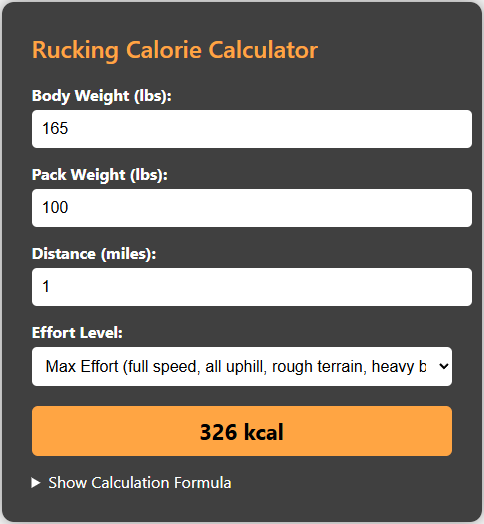
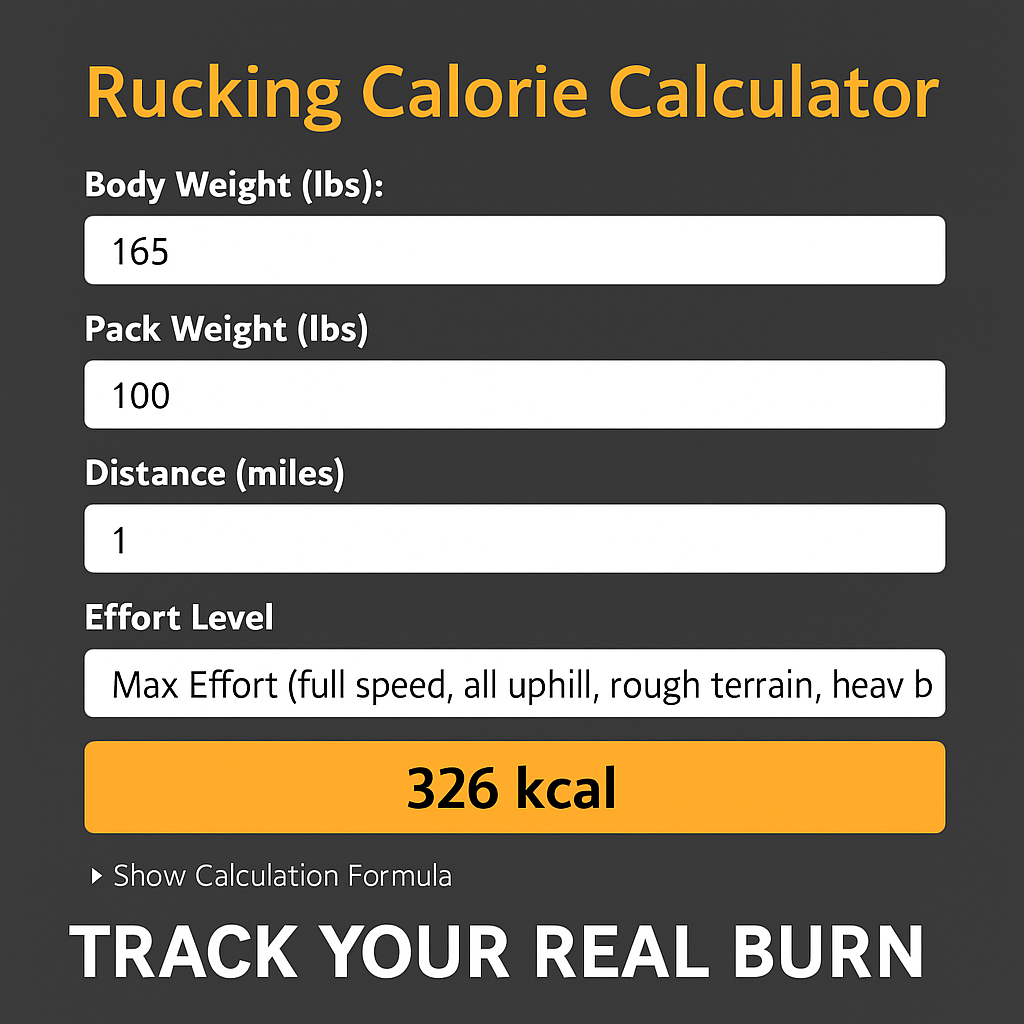
Wondering how many calories your heavy ruck session is torching? Use our Rucking Calorie Calculator for a fast, reliable estimate.

Plug in your weight, pack weight, and distance to get the numbers that keep your training on track.
Take Your Rucking to the Next Level
Heavy ruck training is brutally simple, endlessly effective. If you’re ready to step up in strength and stamina, make it a regular part of your outdoor routine. Respect the process, gear up smart, and your body will reward you with grit and gains that carry over into every aspect of life.