What is a Ranger Ruck March?
The ranger ruck march isn’t just any hike—it’s a test of strength, endurance, and mental grit. Often associated with Army Ranger School and other elite military selections, a ranger ruck march covers long distances (12+ miles) over varied terrain, usually with a weighted rucksack or pack weighing 35–50 pounds. Mastering it means dialing in your gear, nutrition, and pacing for peak performance while under load.
Choosing the Right Gear for a Ranger Ruck March
Success on the ranger ruck march starts with durable, well-balanced gear. Your rucksack must fit well and distribute weight evenly to minimize fatigue and injury risk. Hydration, comfort, and the ability to quickly access essentials all matter.
- Backpack/Rucksack: For tough, long distances, the CamelBak Motherlode 100oz Mil Spec Crux Hydration Backpack is an exceptional pick. Its built-in hydration, adjustable fit, and MOLLE attachments suit both weight and cardio demands.

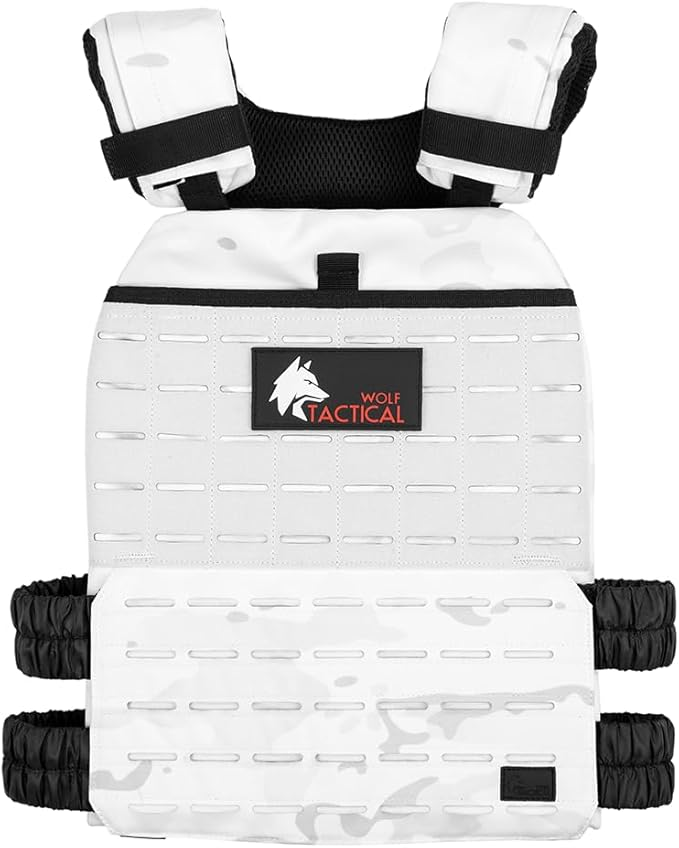
Camouflage durability, built-in hydration, and ideal for long marches. - Weighted Vest: Some ruckers train with vests for better load distribution or to alternate muscle engagement. The Wolf Tactical Adjustable Weighted Vest is a solid choice—comfortable, adjustable, and great for both men and women.

Distributes weight evenly and increases ruck march challenge safely. - Weight Plates: Add or remove weight as needed with Yes4All Ruck Weight Plate sets. These fit most packs and vests.

Modular, safe weight increase for progressive training.
Training Strategies for Ranger Ruck March Success
To prepare for this challenging event, ramp up your training over several weeks. Start with shorter rucks (4–6 miles at 20–25lbs), and increase both the distance and pack weight gradually. Integrate hill work, uneven terrain, and timed sessions. Remember, ranger rucks aren’t just about pace—it’s about staying strong to the finish.
Key Training Tips
- Wear the boots and socks you’ll use on march day.
- Practice adjusting your gear while under load; hotspots and small imbalances can become big problems by mile 10.
- Stay hydrated and refuel with slow-digesting carbs and electrolytes.
- Cross-train with strength and core work—rucking isn’t just legs!
Hydration and Nutrition During Long Ruck Marches
Hydration is non-negotiable. Carrying a CamelBak Motherlode or similar pack means you’ll always have water accessible. For hot, long rucks, adding an endurance supplement like Pump-Ocalypse for hydration support is a smart move—a habit I picked up after learning the hard way on multi-hour rucks.
Pacing and Mindset
Most importantly, start at a sustainable pace. Save the all-out speed for the last mile if you have energy left. Remember, completing the ranger ruck march is as much about mental toughness as it is about physical prep.
Track Progress with Smart Tools
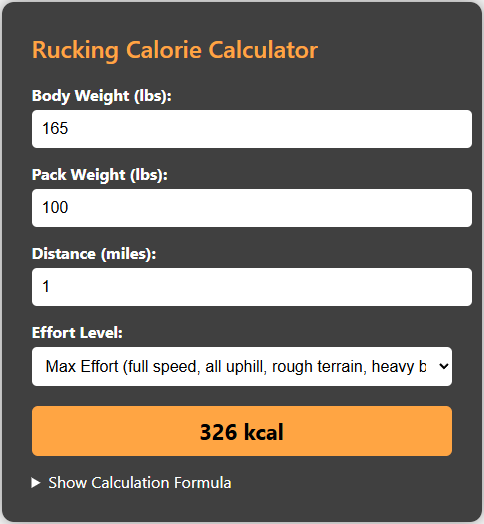
If you want to dial in your calorie burn or plan recovery for future rucks, the Rucking Calorie Calculator is indispensable. Calculate your real effort, plan nutrition accordingly, and chart improvements for every ruck march challenge.

Know your numbers—optimize recovery, training load, and nutrition every step of the way. Try the calculator now.