What Is Reverse Rucking?
Reverse rucking is a training variation where you walk backward while carrying a loaded ruck. This movement recruits different muscle groups compared to traditional forward rucking, offers unique proprioceptive challenges, and can be a powerful tool for strength, stability, and knee health.
Benefits of Reverse Rucking
- Knee-Friendly Strengthening: Walking backward under load builds your quadriceps and strengthens the areas surrounding the knee, reducing risk of overuse injuries while providing a pain-free squat accessory for many.
- Posterior Chain and Balance: Reverse rucking fires up your glutes, calves, and stabilizing muscles. Your core and lower back work overtime to maintain position, which translates well to dynamic sport and trail fitness.
- Low Impact, High Reward: This training method is excellent for those who want cardio, muscle activation, and fat loss without heavy pounding on joints. It’s also a potent rehab and prehab tool for athletes and weekend warriors alike.
How to Do Reverse Rucking
- Load Up: Choose a ruck or weighted vest. For beginners, I recommend the 5.11 Tactical Unisex TacTec Trainer Weight Vest:

Outstanding comfort and adjustable load for balanced, beginner-friendly reverse rucking. - Find Your Space: Flat grass, turf, a quiet trail, or even a driveway with good visibility is best for safety. Clear obstacles—the focus is stability and stride quality, not speed or distance.
- Maintain Form: Stand tall, brace your core, and take steady backward steps. Lightly touch toe-to-heel with each stride, keeping your knees slightly bent. Think about “pulling” yourself over your support leg each step, not just falling backward.
- Start Small: Aim for intervals of 30–60 seconds backward. Rest, then repeat. Don’t overload—20–30 lbs is more than enough for beginners, and 10–20 minutes total is a potent session if focused.
Why Add Reverse Rucking?
- Break Plateaus: Hitting a rucking or endurance plateau? Adding reverse ruck intervals lights up dormant muscle groups and busts boredom.
- Knee Rehab/Prehab: If you want to bulletproof your knees, nothing beats controlled backward movements under safe, moderate load. Reverse rucking is a favorite method in many sports medicine circles for joint longevity.
- Fat-Burning Conditioning: This movement taxes cardiovascular and muscular systems in new ways, making it a potent fat-loss and conditioning tool. Track your calorie burn to see the results over time.
Track Your Reverse Rucking Calories
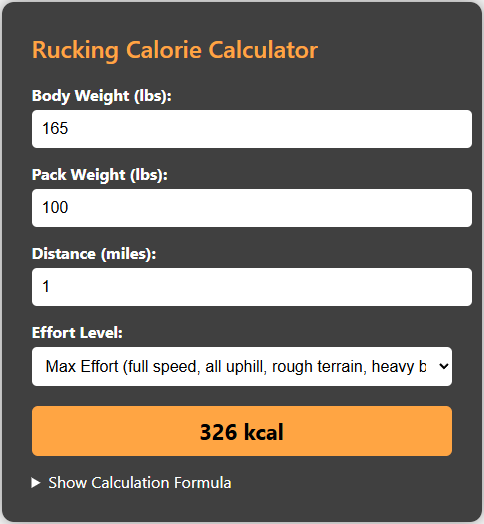
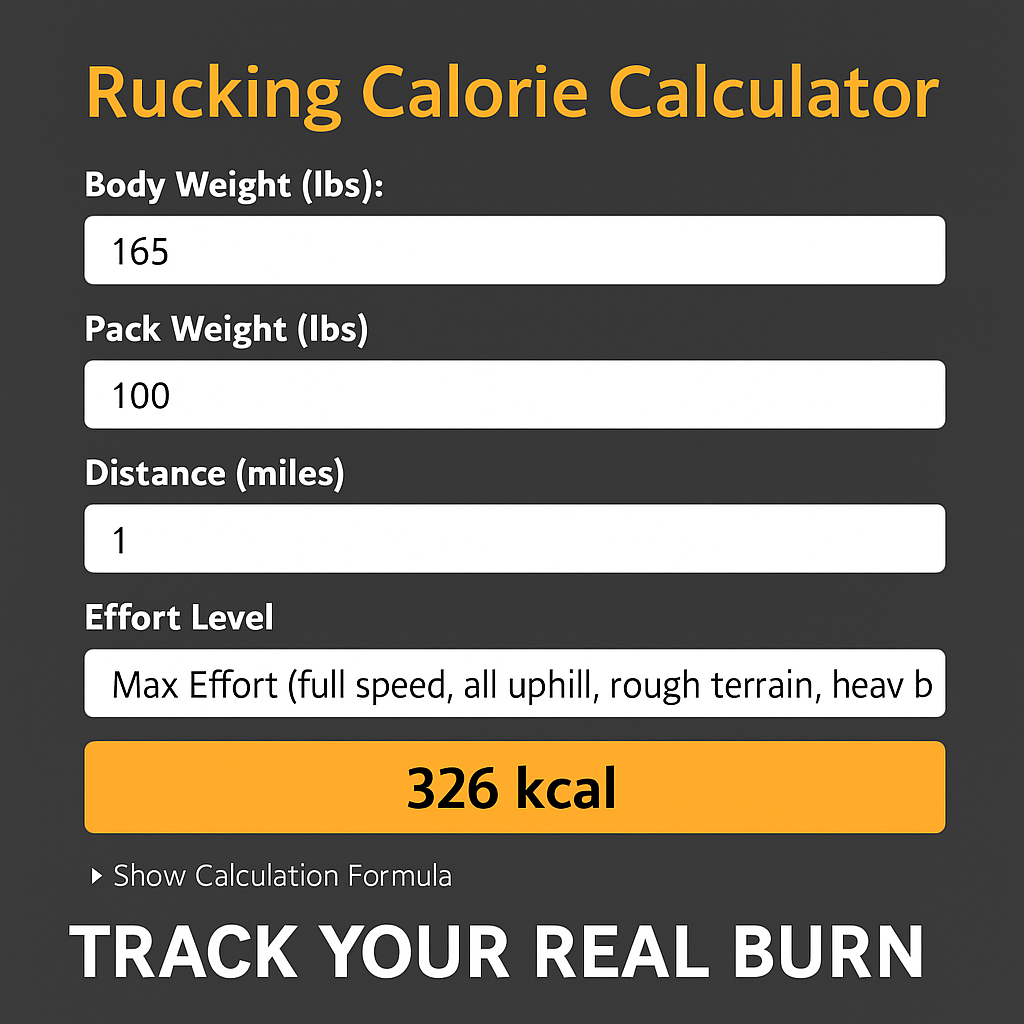
Reverse rucking, like all loaded carries, torches calories quickly. See how much you’re burning session-to-session with our Rucking Calorie Calculator:

Essential Reverse Rucking Gear
- 5.11 TacTec Trainer Vest – Comfortable, secure, and easy to adjust for most body types. Ideal for loaded backward walking.
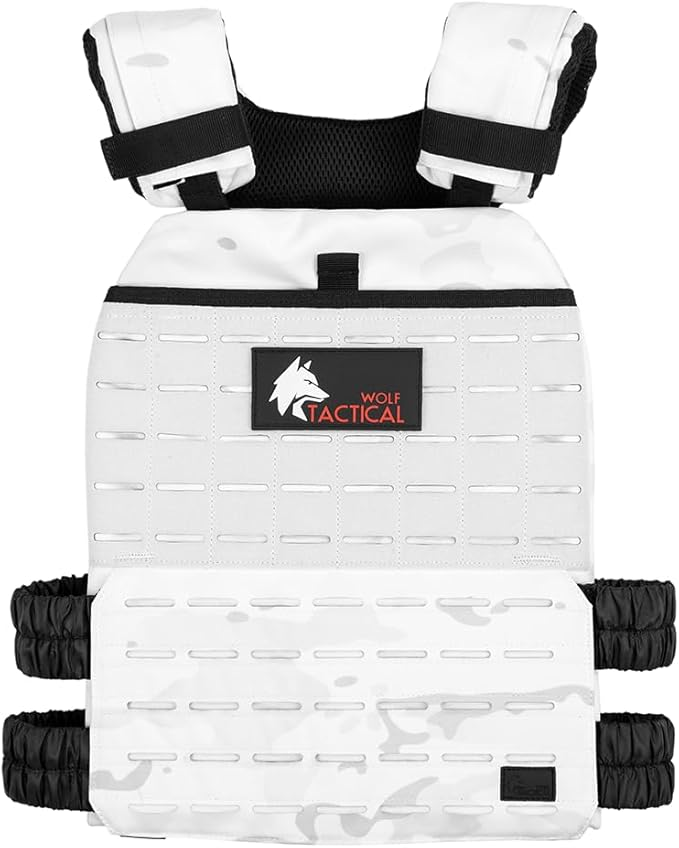
- Wolf Tactical Adjustable Weighted Vest

Great value weighted vest for progressive reverse rucking training. - CamelBak Motherlode Tactical Hydration Backpack

For longer or outdoor reverse rucks, this pack offers hydration and adjustable weight placement.
Final Advice
Integrate reverse rucking once a week or swap part of your session with backward walking to boost leg strength, balance, and calorie burn. If you’re serious about knee health, athletic conditioning, or simply want to break the monotony, reverse rucking is a tool you shouldn’t overlook.