The Role of Ruck in Military Life
The “ruck” — short for rucksack or ruck march — is a cornerstone of military training. Service members across the Army, Marine Corps, and special forces units regularly take on challenging ruck marches carrying heavy loads, covering distances from a few miles to 20 or more. But why is the ruck in military training such a big deal, and what can civilians learn from it?
What Is a Military Ruck?
At its core, military rucking is carrying a loaded pack (often 35–70 lbs) while marching briskly. This builds physical and mental resilience, conditioning the body for real-world demands. Rucking trains lower body strength, core stability, endurance, and grip. It’s also a test of discipline and fortitude, as the weight wears down muscle and mind over distance.
Benefits of Military-Style Rucking
- Strength & Endurance: The loaded march works legs, hips, and core like few other workouts.
- Cardio Fitness: Sustained effort at a brisk pace jacks up calorie burn and cardiovascular adaptation.
- Mental Grit: Military rucks teach you to push through discomfort, boosting toughness for any challenge life throws at you.
- Teamwork: Rucking is rarely done solo in the military. Soldiers finish together, which builds camaraderie — a bonus even for group civilian rucks.
Key Gear for Military Ruck
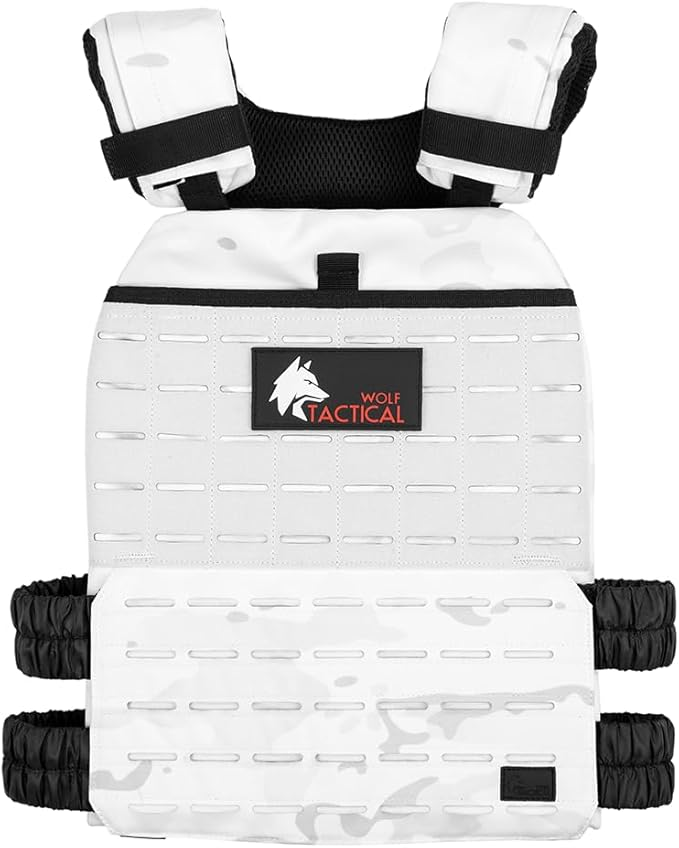
The right equipment makes a huge difference. While military packs are tough, civilians can benefit from using specialized load-carrying gear designed for both comfort and endurance.

The CamelBak Motherlode Tactical Hydration Backpack stands out for its comfort under heavy load, hydration compatibility, and customization. It’s easy to add or remove ruck weight plates, making it highly adaptable for civilian or intermediate ruckers training for their first military-style event.
How to Start Military-Style Rucking Safely
- Begin light—start with 15–25 lbs, focusing on form before adding weight.
- Choose rugged trails, sidewalks, or parks to mimic real terrain.
- Maintain brisk, purposeful pace — the goal is a steady power walk, not a jog.
- Wear moisture-wicking socks and shoes with strong support to prevent blisters and injuries.
How Many Calories Do You Burn in a Military Ruck?
One of the biggest advantages of military ruck marches: insane calorie burn. Real-world military rucks can torch up to 450–700 calories per hour, depending on pack weight, pace, and terrain.

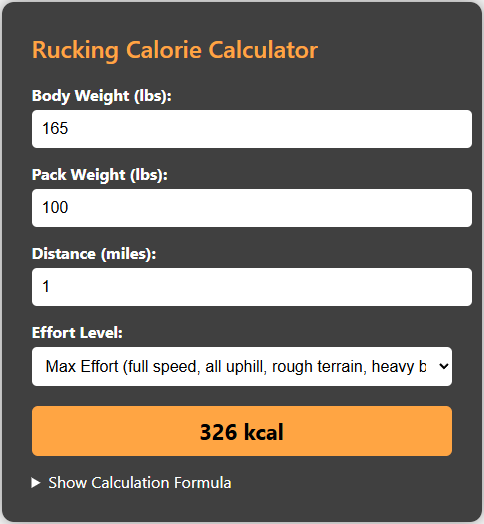
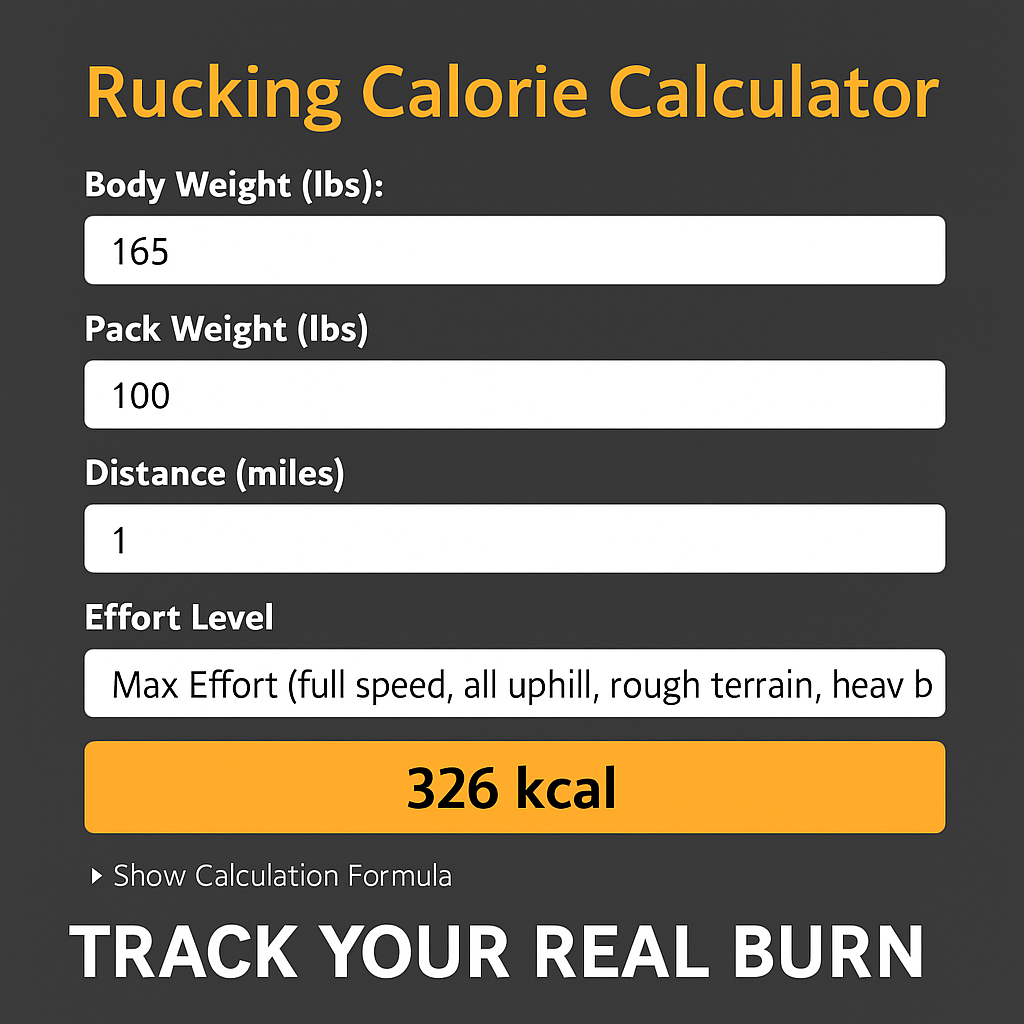
Get a personalized estimate for your own rucks using our calculator above.
Final Thoughts
The ruck in military training isn’t just about carrying a load – it’s about forging mind and body together in the face of fatigue. If you want a proven, practical way to build resilience, boost conditioning, or just challenge your limits, it’s hard to beat a military-style ruck. With the right gear and steady progression, you can adopt this method, tapping into the same fitness foundation as the world’s best soldiers.