Why Ruck March Training Matters
Ruck march training is a staple for military, tactical athletes, and anyone seeking the dual benefits of muscle-building and cardio conditioning. Unlike ordinary walking or running, carrying a loaded pack (or using the right weighted vest) pushes your body to new endurance and strength thresholds. Ruck marches cultivate tenacity, condition your legs and core, and burn more calories than most outdoor activities.
How to Structure Your Ruck March Training Program
- Start Light: New to rucking? Begin with 10–15% of your bodyweight in your rucksack or weighted vest.
- Consistency Wins: Two to three focused ruck sessions per week will drive gradual improvement without overtraining.
- Gradually Increase Load & Distance: Every 2–4 weeks, bump up either your weight or distance—never both at once. Aim for a 10% incremental increase.
- Focus on Pace: Try to sustain a brisk, consistent pace (15–18 min/mile) as you build volume.
Choosing the Right Gear
The proper load-carrying gear can make or break your ruck march. Many trained athletes choose a specialized rucksack like the CamelBak Motherlode 100oz Mil Spec Crux Hydration Backpack for its hydration capacity and adjustable loading system.

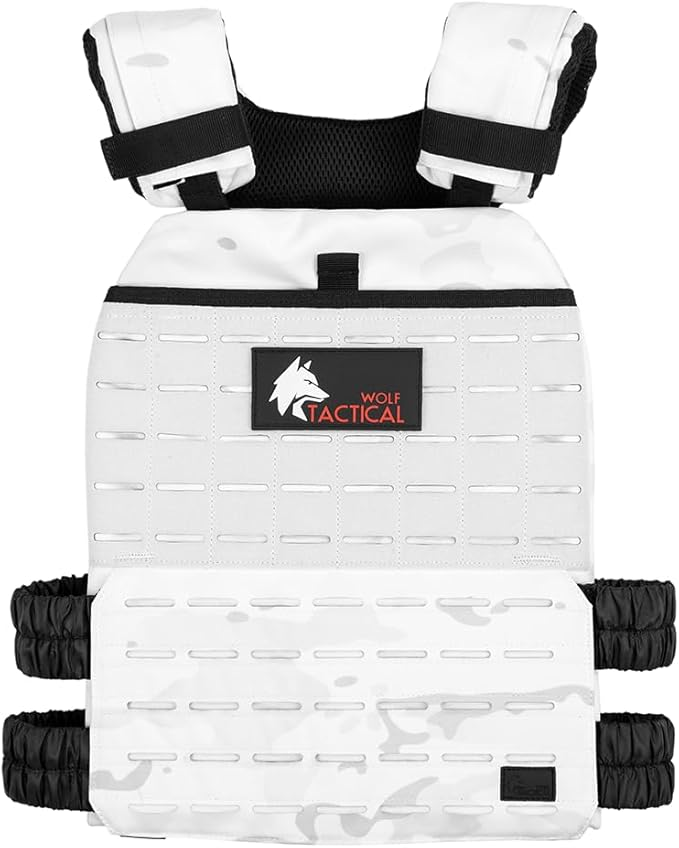
Don’t overlook Wolf Tactical Adjustable Weighted Vest designs—these distribute weight evenly, reduce shoulder fatigue, and suit all body types.

Key Training Strategies
- Emphasize Foot Health: Use moisture-wicking socks and break-in your footwear. Address hot spots early to prevent blisters.
- Stay Hydrated: Long rucks demand frequent hydration—carry enough water and electrolyte mix.
- Incorporate Intervals: Add periods of increased pace or incline (hill repeats or stairs) to improve cardiovascular and muscular endurance.
- Record Your Progress: Use fitness watches to track mileage, heart rate, and pace. Celebrate every improvement.
Nutrition and Recovery
Fueling right before and after your ruck marches is essential. Prioritize complex carbs, quality protein, and hydration. Fatigue is cumulative, so stretch post-session and allow at least one full day between intense efforts for recovery.
Track Your Calorie Burn
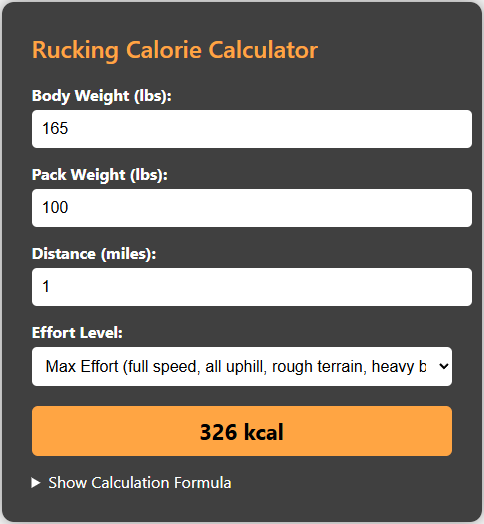
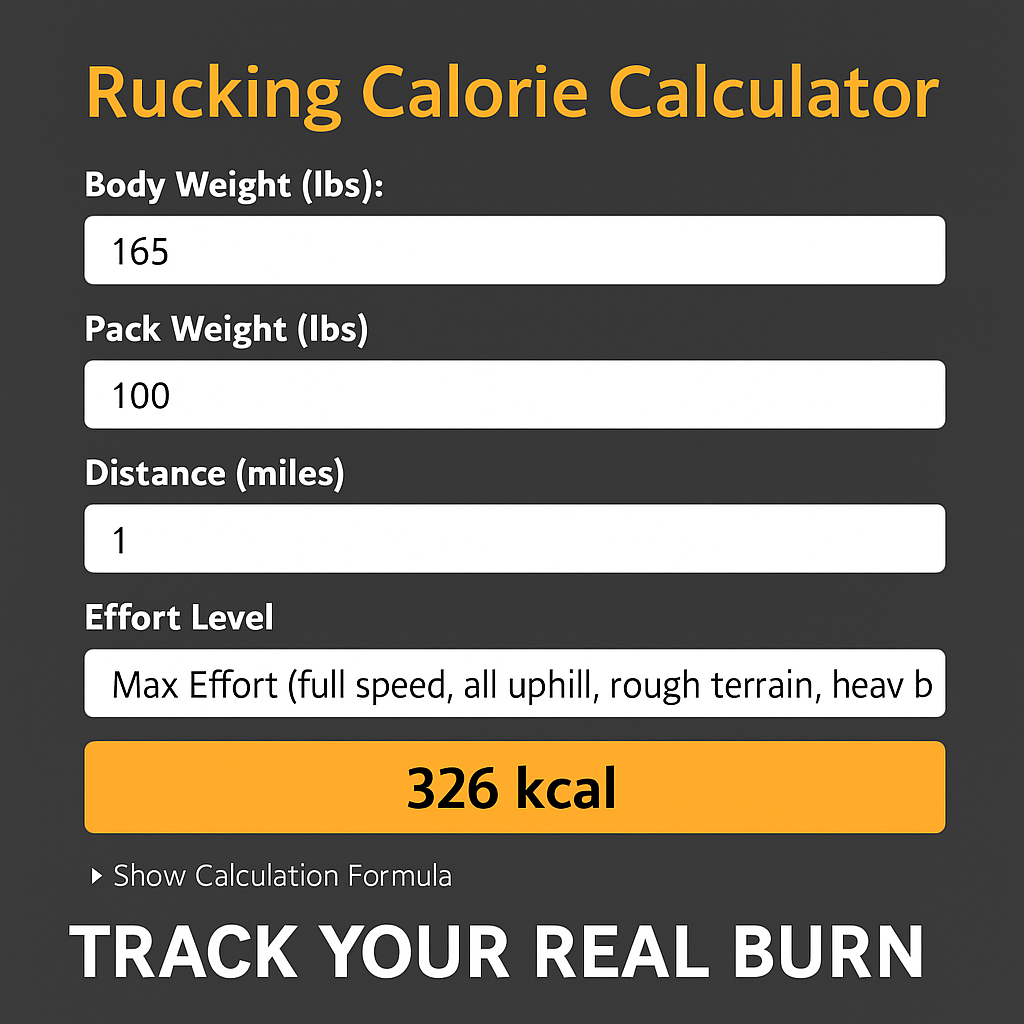
Knowing how many calories you burn on each ruck can dial in your nutrition and speed results. Try our in-depth calculator for personalized calorie estimates:

Rucking Calorie Calculator →—Get real numbers for smarter training and nutrition planning.