Why Rucking as Exercise Works
Rucking as exercise is one of the most effective, accessible, and functional forms of cardio and resistance training you can do. Whether you’re a beginner or an experienced athlete, strapping on a weighted backpack or vest and heading outside immediately boosts calorie burn, challenges your muscles, and builds real-world fitness.
What is Rucking?
At its simplest, rucking means walking with weight—usually a rucksack, weighted vest, or dedicated load-bearing pack. This practical workout elevates a standard walk by adding resistance, engaging your back, shoulders, legs, and core. Unlike running, rucking is lower impact on joints but still hammers your cardiovascular system and torches fat.
Training Benefits
- Boosts Calorie Expenditure: Adding external weight can double the calories burned over an hour compared to an unweighted walk.
- Improves Strength and Endurance: Your legs, back, glutes, and postural muscles get a full-body challenge every session.
- Cardio, Without the Impact: Keep your heart rate high without pounding your knees and ankles like running often does.
- Mental & Physical Resilience: The extra load makes you tougher—physically and mentally—preparing you for hikes, outdoor jobs, or tactical demands.
Getting Started: Rucking Gear Essentials
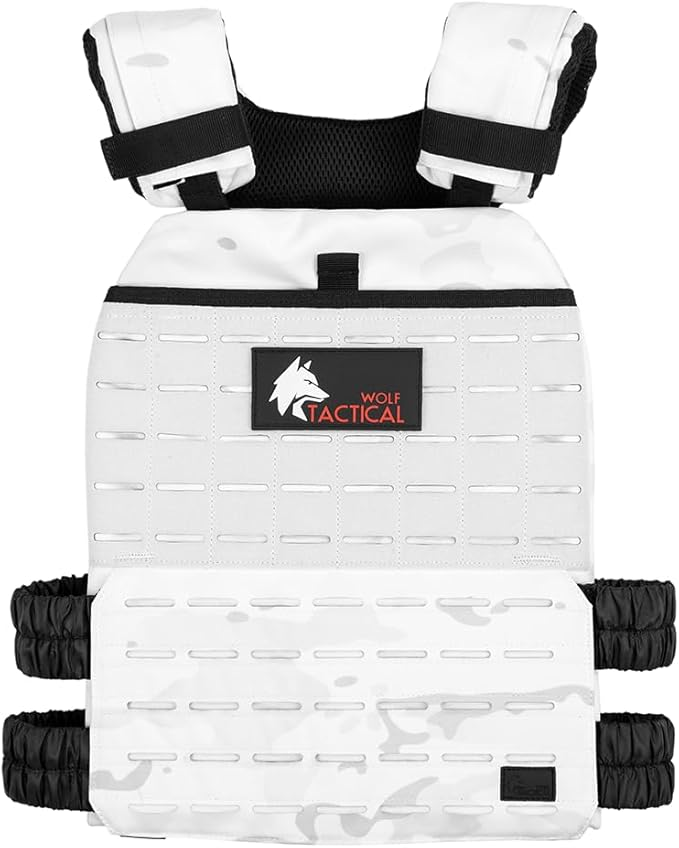
To make rucking as exercise safe and rewarding, quality gear is essential. For those new to rucking or aiming for the best load balance and comfort, I often recommend the Wolf Tactical Adjustable Weighted Vest. It distributes weight evenly, preventing back strain and encouraging good posture outdoors.

If you prefer a full backpack setup that also supports hydration, the CamelBak Motherlode 100oz Mil Spec Crux Hydration Backpack is hard to beat.

How Much Weight for Rucking as Exercise?
Start conservatively—generally 10–20% of your bodyweight. Beginners might use an unloaded pack or a light vest and progress slowly. Listen to your body: If you’re struggling to maintain form or pace, reduce your weight until it’s manageable but challenging.
Outdoor Rucking Tips
- Pick safe routes—dirt trails, grass, and flats are joint-friendly.
- Focus on upright posture, with shoulders back and core engaged.
- Dress for the weather and bring water.
- Mix up distances and speed for variety and bigger fitness gains.
Measure Your Progress
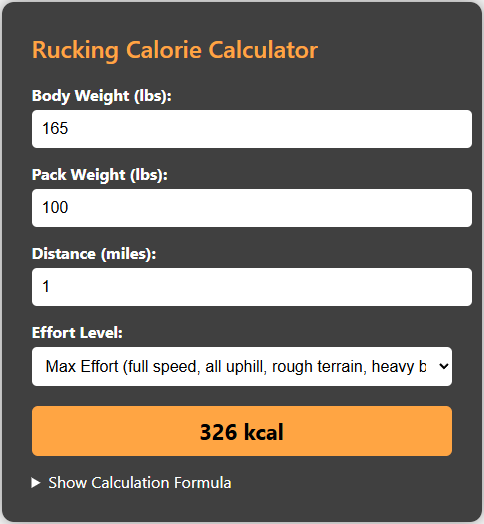
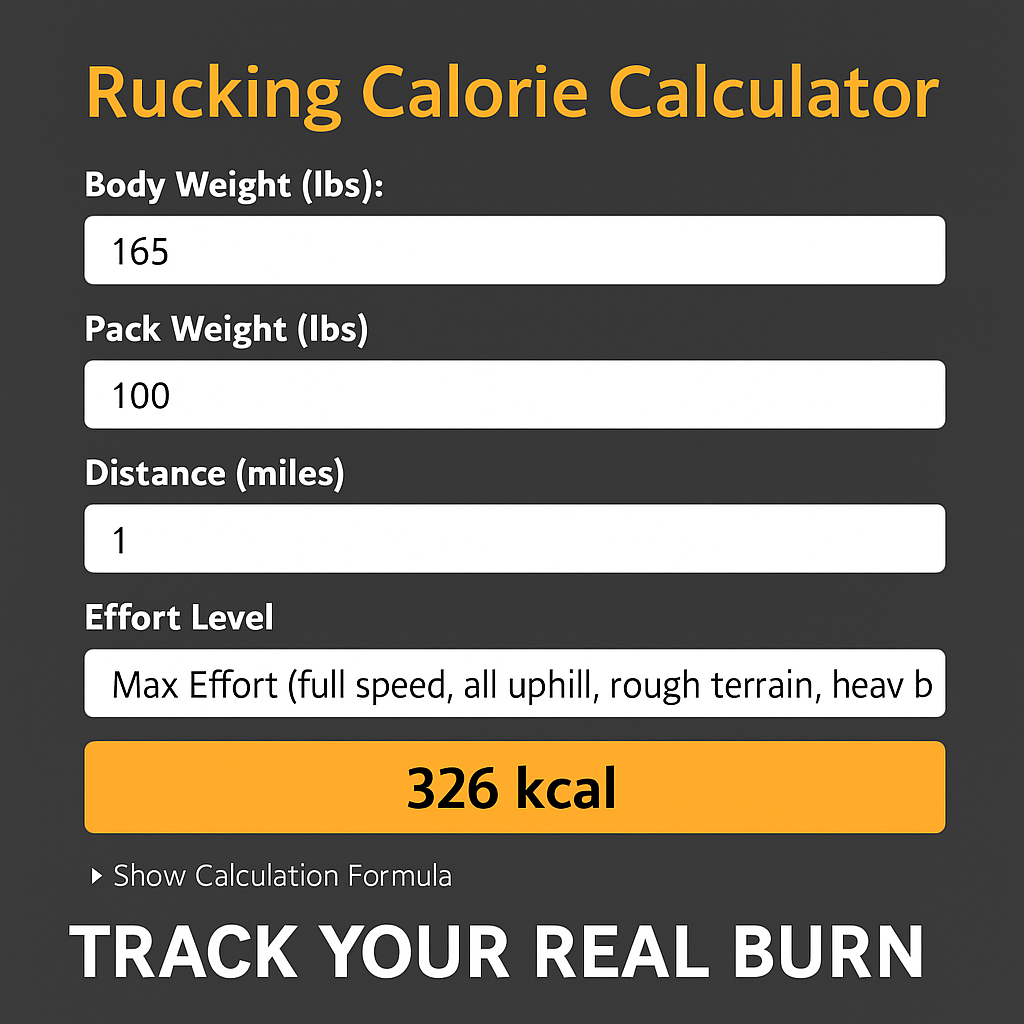
Look for fat loss, better leg strength, and improved stamina. Track these, not just your pace. To estimate your calorie burn and tailor your rucks to your fitness goals, check out our calorie calculator below.

How many calories are you really burning on your next ruck? Try the Rucking Calorie Calculator now to find out.
The Bottom Line
Rucking as exercise is not trendy hype—it’s proven, scalable, and fits any schedule or fitness level. Grab a pack or weighted vest, get outside, and experience the full-body training benefits yourself.