Why Rucking Is a Powerful Cardio Workout
Rucking, or walking with a weighted backpack or vest, isn’t just for military training. It’s one of my go-to methods for building overall aerobic fitness, torching calories, and increasing outdoor endurance. Unlike running, rucking for cardio delivers less impact on your joints but ramps up cardiovascular benefits by adding resistance. The result? A potent, sustainable way to elevate your heart rate, burn more fat, and level up your stamina—even if you’re not a seasoned athlete.
The Science Behind Rucking and Heart Health
The magic of rucking lies in its ability to combine steady-state aerobic work with additional load. Carrying a weight increases your heart rate by 20–40% at any given walking pace compared to walking unweighted, boosting both your aerobic and muscular endurance. Over time, this stimulus encourages your body to become more efficient at transporting oxygen, strengthening both your heart and lungs.
- Improved aerobic capacity
- Lower resting heart rate
- Better blood pressure control
- Enhanced fat metabolism
How to Structure a Rucking Cardio Session
For true cardio gains, aim for a brisk walk pace (around 15–20 min/mile) with a weight that feels challenging but sustainable. Beginners might start with 10–20 pounds, while advanced ruckers gradually progress to 30–50 pounds as their conditioning improves.
- Duration: 30–60 minutes per session
- Frequency: 2–4 times per week
- Load: 10–30% of your bodyweight
Best Gear for Cardio-Focused Rucking
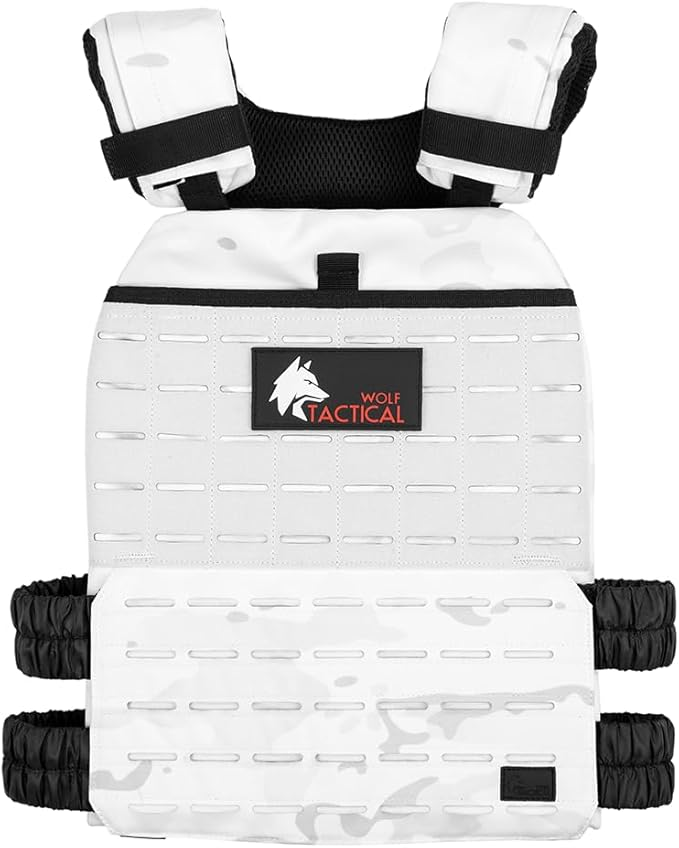
Comfort and load distribution are vital for longer, steady-state rucks. For optimal comfort, I recommend using a Wolf Tactical Adjustable Weighted Vest—it keeps loads close to your core, minimizing bounce and chafing.

If you prefer a backpack, a hydration-focused pack like the CamelBak Motherlode 100oz Mil Spec Crux Hydration Backpack will let you mix resistance with unbeatable water access—critical for longer distances.

Tips for Making Rucking a Sustainable Cardio Routine
- Incrementally increase time and load—avoid sudden jumps in either.
- Stay hydrated, especially in warmer weather.
- Listen to your body: If you’re winded or your heart rate spikes uncontrollably, pull back the weight.
- Track progress with a fitness device like the Apple Watch Ultra 2 for real-time heart rate and GPS data.
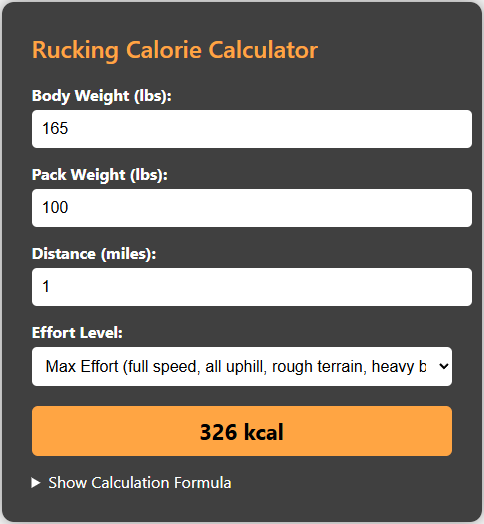
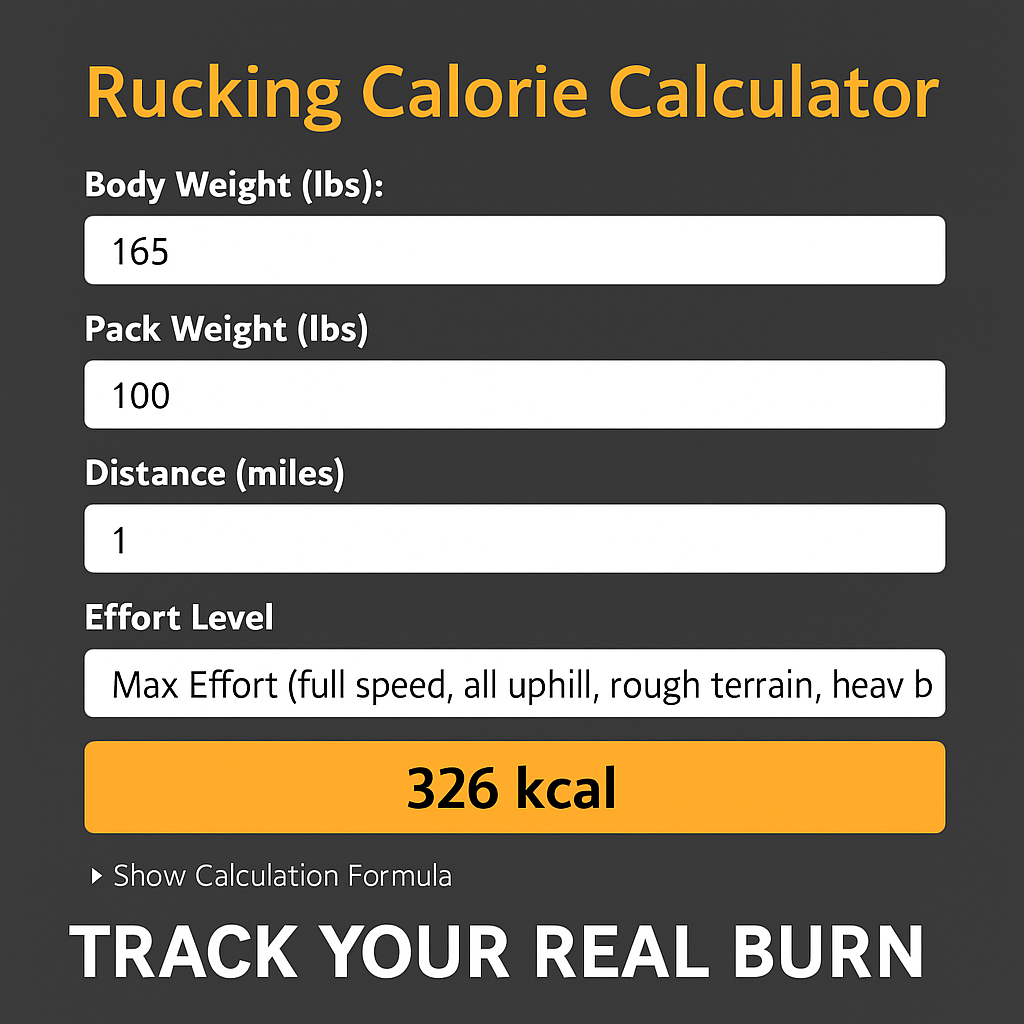
Calculate Your Rucking Calorie Burn
Curious how many calories your cardio rucks actually burn? Use our calorie calculator below to estimate your energy expenditure and fine-tune your workouts for max fat loss or endurance.

Bottom Line
Rucking for cardio isn’t a gimmick—it’s one of the most durable, straightforward strategies for anyone looking to build their aerobic foundation outdoors. Whether you use a weighted vest or a hydration pack, start light, focus on consistency, and enjoy the low-impact, high-benefit results.