Rucking with 100 lbs: Who Should Try It?
Rucking with 100 lbs isn’t for the faint of heart. This level of weight carries significant physical demands and is typically reserved for advanced athletes, tactical professionals, military personnel, or those training for extreme endurance events. If you’re considering adding this much weight to your ruck, you should already have months (or years) of solid rucking experience, a robust strength base, and no unresolved joint or back issues.
Physical Demands of 100 lb Rucking
Carrying 100 lbs on your back while covering distance substantially amplifies the challenge of weighted walking. Expect increased stress on knees, hips, lower back, feet, and shoulders. Your core, traps, and grip will be tested with every step. Rucking this heavy is a full-body endeavor and will push your cardiovascular system just as hard as your musculoskeletal system.
- Joint and spine load increases exponentially
- Risk of blisters, hot spots, and under-load soreness
- Major calorie expenditure and hydration needs
Best Gear for Rucking with 100 lbs
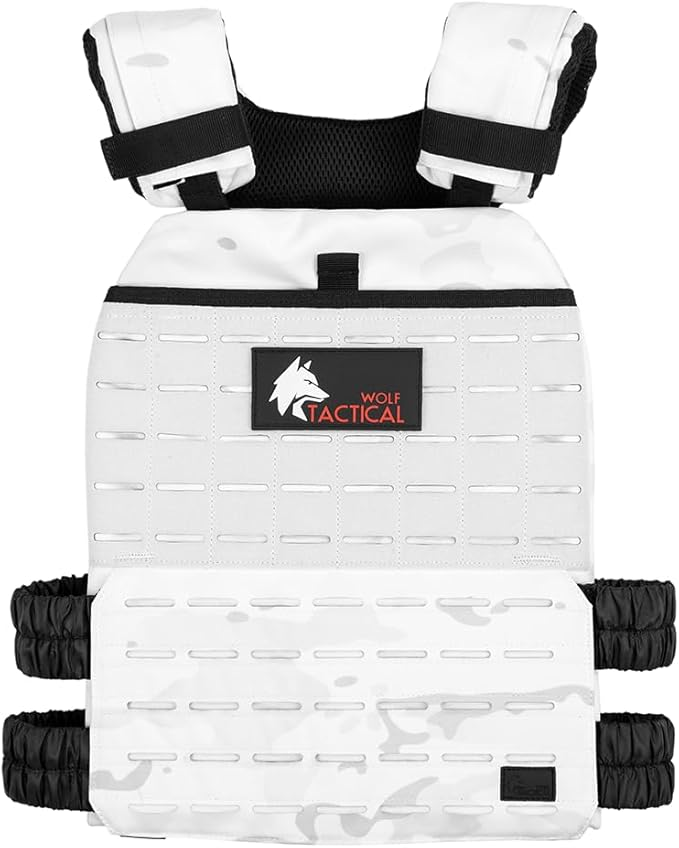
At this advanced weight, gear quality and fit become crucial. Standard school backpacks or light vests won’t cut it. You’ll need equipment designed for heavy, stable load carriage, thick shoulder padding, secure plates, and reinforced stitching.

The Kensui EZ-VEST® MAX V2 is my go-to for max-weight training, capable of safely securing absurd loads directly on the torso for unmatched stability. For extended marches, the CamelBak Motherlode supports 100 lb with its reinforced build and lets you adjust hydration and equipment for marathon-length rucks.

Training Recommendations
- Work up gradually: Don’t jump from 50 lb to 100 lb overnight. Increase weight incrementally in 10 lb intervals.
- Prioritize posture and core: Fatigue at high loads often triggers sloppy gait and slumped shoulders. Focus on trunk engagement and tight lacing.
- Maximize recovery: Heavy rucks are stressful. Prioritize hydration, sleep, and mobility work post-session.
- Monitor form: Use mirrors or video. Listen to warning aches and back off at signs of sharp pain.
Fueling and Hydration for Heavy Loads
Burning 700-1300 extra calories per hour is common when rucking heavy. Hydration is even more critical under big weight and sweat loads. For long sessions, supplement electrolytes and protein.
Estimate Your Calorie Burn
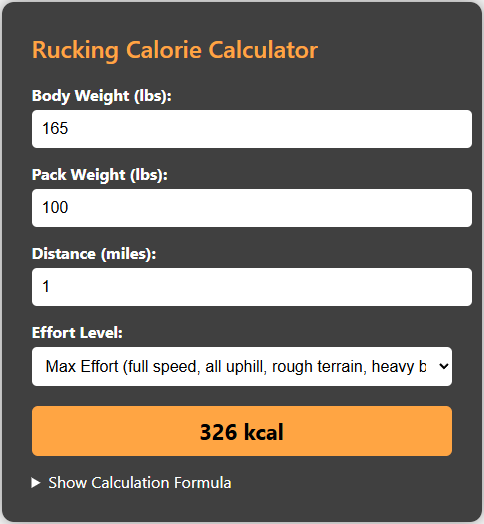
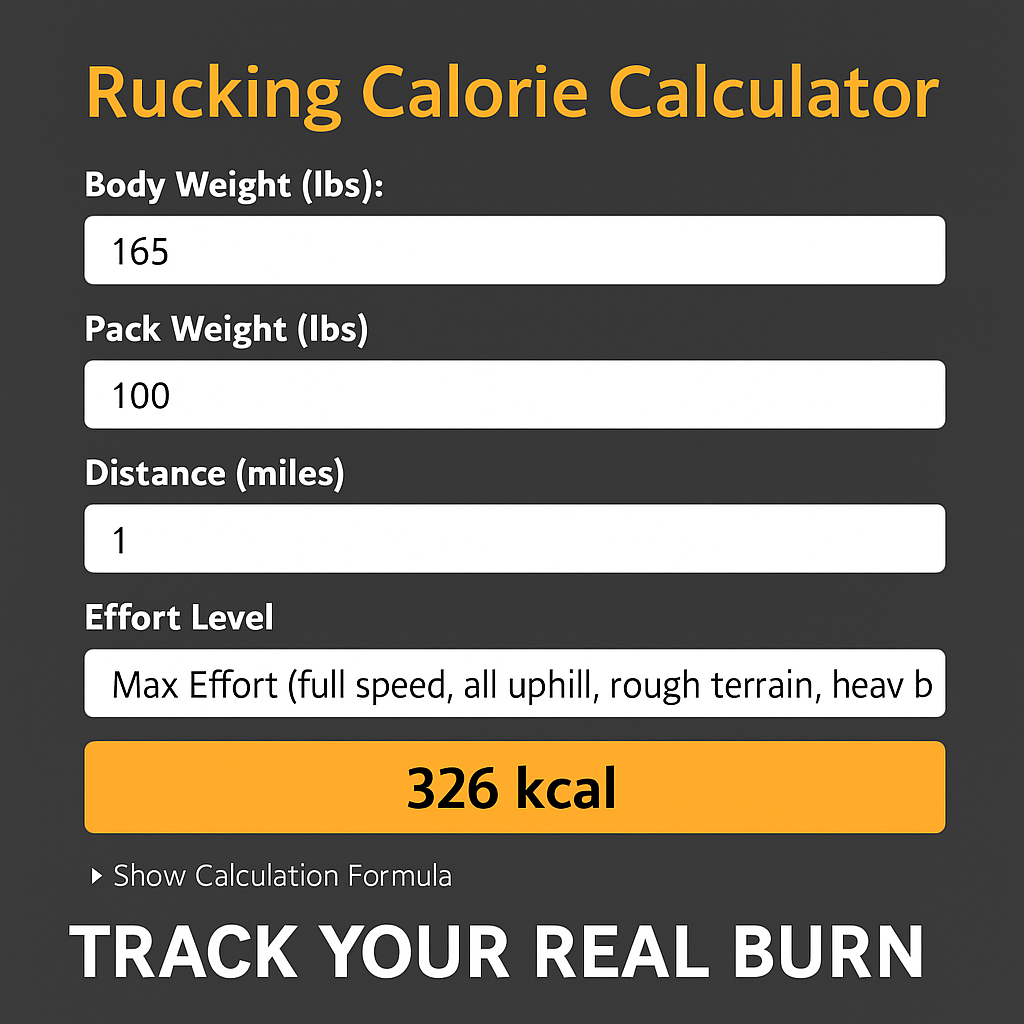
Want to know exactly how many calories you’ll blast rucking with 100 lbs? Try my Rucking Calorie Calculator for personalized numbers.

Final Thoughts
If you’re chasing the cutting edge of rucking performance, moving with 100 lbs is a serious feat that demands planning and discipline. Dial in your gear, ramp up intelligently, and always train smart.