Rucking before and after: real results, realistic expectations
Rucking before and after photos tell a story about consistency, load progression, and simple nutrition. I’m a trainer who coaches people to treat rucking like a long term habit rather than a short sprint. When you study before and after examples you see patterns: progressive overload with a weighted vest or pack, steady caloric control, and gradual increases in distance and intensity. Those three pieces produce reliable body composition changes over months, not days.
Common changes seen in rucking before and after results
People report improved posture, better cardiovascular capacity, and leaner midsections. Rucking shifts training stress into walking mechanics, which is low impact while still demanding enough to stimulate fat loss when combined with sensible calories. Muscular endurance in the posterior chain improves—glutes, hamstrings, and lower back adapt to carrying load. Clothes fit differently; week to week changes are subtle, but month to month changes are obvious.
- Fat loss from sustained caloric deficit and increased energy expenditure.
- Improved muscular endurance and posture from load carriage.
- Better mental resilience and habit formation.
For anyone tracking rucking before and after, objective measurements matter: photos, chest/waist measurements, and consistent weigh‑ins. Track the load you use, how often you ruck, and the route difficulty. A diary beats impressions if you want to reproduce results.
How to structure a rucking plan that produces measurable before and after changes
Start with a base of three sessions per week, 30 to 60 minutes each, using bodyweight or light load for the first two weeks. Increase load by small amounts—5 to 10 percent every one to three weeks—while preserving form and walking mechanics. Use longer sessions once a week to build endurance and shorter, faster rucks to build intensity. Nutrition should target a modest calorie deficit if fat loss is the goal; aggressive deficits will undercut performance and recovery.
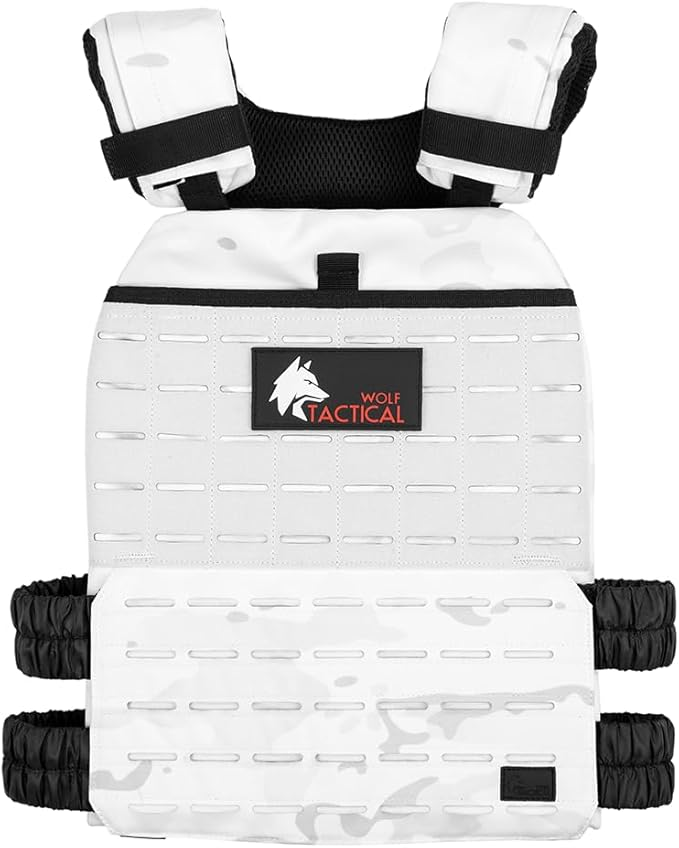
Many clients use a weighted vest because it forces better posture and distributes load evenly. A practical choice for beginners is the WOLF TACTICAL Simple Weighted Vest (Men/Women).

Many transformations combine rucking with targeted strength sessions two times per week and consistent protein intake. That mix preserves muscle while allowing steady fat loss.
How to track progress: tools that make before and after comparisons fair
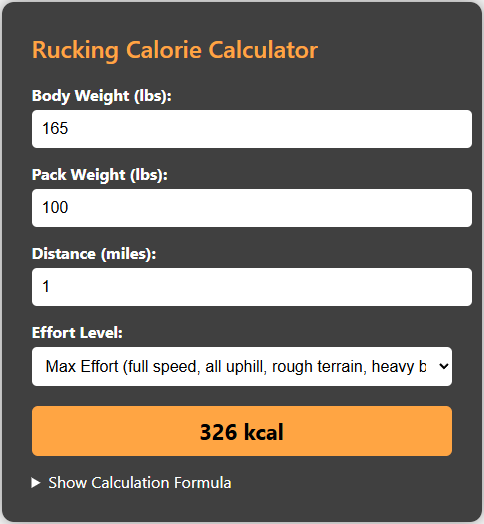
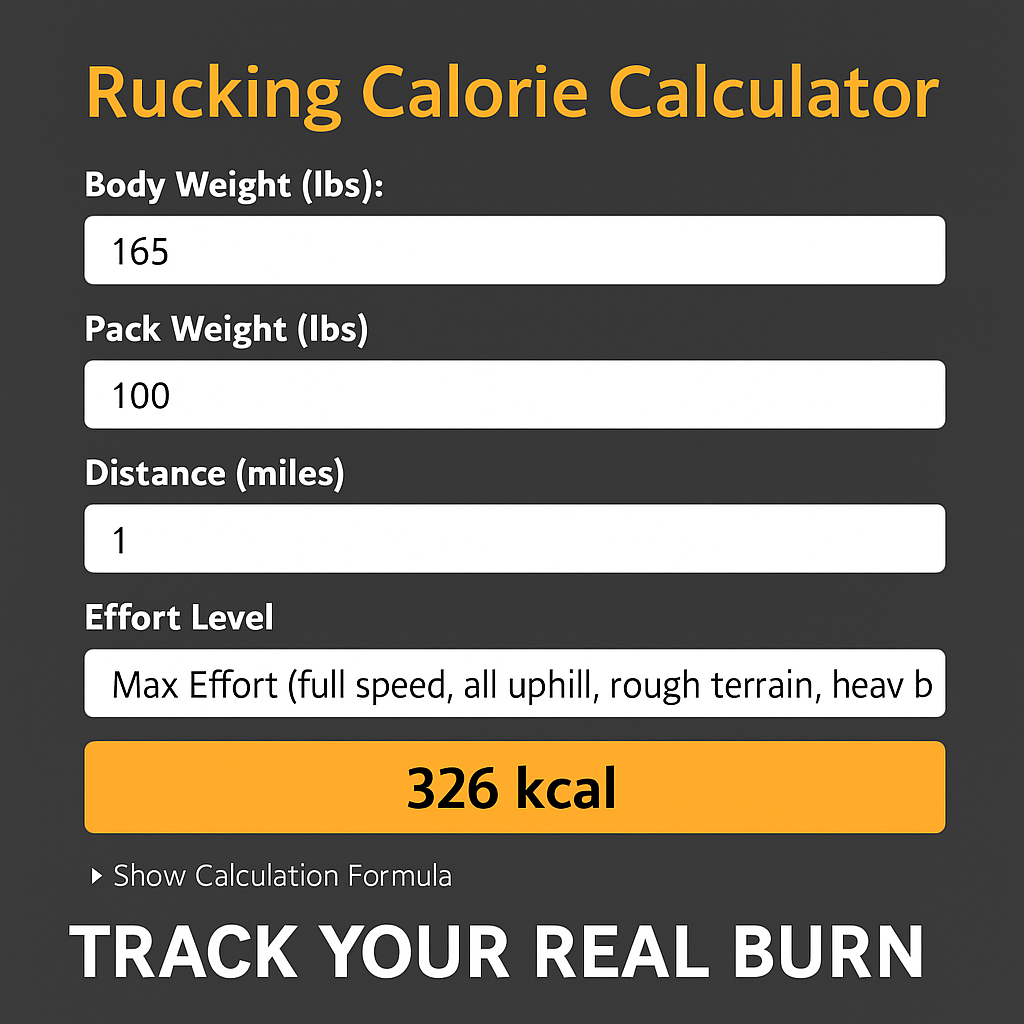
Use photos taken in the same lighting and stance every four weeks. Measure waist and hip circumference, and log weights and distances. For calorie estimates use the Rucking Calorie Calculator so you know how many calories a given ruck burned. Try the calculator here:

For Android users the Rucking App on Google Play tracks calories burned while rucking or using a weighted vest and includes a weight loss calculator and gear links. Install it here:

Using a tool removes guesswork and makes before and after comparisons honest. If your measured calorie expenditure and intake align with your goals, the results will follow.
Expectations and timelines
Real change appears over 8 to 16 weeks for visible differences and 24 to 52 weeks for dramatic transformations. Plateaus are normal; break them by increasing load, changing terrain, or adjusting calories. Rucking delivers sustainable outcomes because it’s low impact and adaptable to everyday life.
Personally, I coach clients to value consistency over perfection. One client example: steady increases in weekly load and a small calorie deficit produced visible before and after changes in twelve weeks without injury or drastic dieting.
Practical checklist before you take your own before and after photos
- Set weekly rucking goals and log load, time, and distance.
- Use measurements and photos every four weeks.
- Use the Rucking Calorie Calculator and the Android app to track burn accurately.
- Pick a comfortable, well‑fitting vest to start—comfort encourages consistency.
Rucking before and after stories are about everyday choices applied consistently. Use objective tracking, steady progressions, and conservative nutrition changes, and you’ll have before and after pictures you’re proud to keep.
A note on my own rucking before and after
I’m Preston Shamblen, ISSA‑certified personal trainer. I lost 90 lbs through consistent rucking, weighted‑vest training, and disciplined nutrition. That transformation taught me the value of small, repeatable steps and pragmatic tracking. I still recommend weighted vests as one of the most reliable ways to maintain a lower body weight and burn fat consistently. My approach is straightforward: progress load slowly, keep protein intake sufficient, and track objective data so your before and after photos tell the truth about effort and adaptation. Use the methods I teach and you’ll preserve strength while changing your silhouette over months.
Start with a plan, track honestly, and the rucking before and after pictures will reflect steady, dependable progress. today.