Hydration for Long Rucks: Practical Guide
Rucking long distances outdoors changes your hydration needs. This guide explains what to drink, when to replace electrolytes, how to carry fluids comfortably, and simple rules to prevent cramps or heat illness on extended weighted walks.
Plan Before You Step Out
Start every long ruck by drinking 12 to 20 ounces of water in the hour before you leave. That preloading tops off plasma volume and reduces early thirst. Aim to sip 4 to 8 ounces every 20 to 30 minutes while moving, adjusting volume for temperature, load, and sweat rate.
Fluids and Electrolytes
Plain water replaces volume, but sweat contains sodium, potassium, magnesium, and small amounts of calcium. If your ruck lasts more than 60 to 90 minutes or you are sweating heavily, include an electrolyte drink or tablet. Balance carbs and sodium in drinks so you avoid stomach upset and keep energy up.
Portable Options
Common ruck choices include insulated water bottles, soft flasks, and hydration bladders. Bladders make sipping easier on the move but can be harder to clean. Bottles are versatile and allow mixing powder electrolytes. Consider carrying both a bladder for frequent sips and a bottle with concentrated electrolyte solution for refills.
Gear and Packing for Hydration
Lay out how much fluid you will consume per hour and match that to container capacity. If you expect hot weather or heavy work, add a 20 to 30 percent buffer. Use insulated sleeves or bottles to keep cool fluids from heating in sun.
For rucksack users, the CamelBak Motherlode makes sense for long rucks. Its large reservoir and tactical fit mix hydration and load carry efficiently. You can distribute weight and still drink frequently.

Electrolyte Choices
Choose a product with sodium listed above 300 mg per liter if you sweat heavily. Magnesium and potassium support muscles and nervous function. Avoid high sugar drinks unless you need quick calories later in a multihour event.
Packing Checklist
- Water capacity for expected duration plus 20 percent buffer.
- Electrolyte tablets or concentrated solution.
- Insulated bottle or sleeve to keep fluids cool.
- Spare bladder or collapsible bottle for resupply.
- Small snacks with sodium like jerky or salted nuts.
Use the Calculator and App
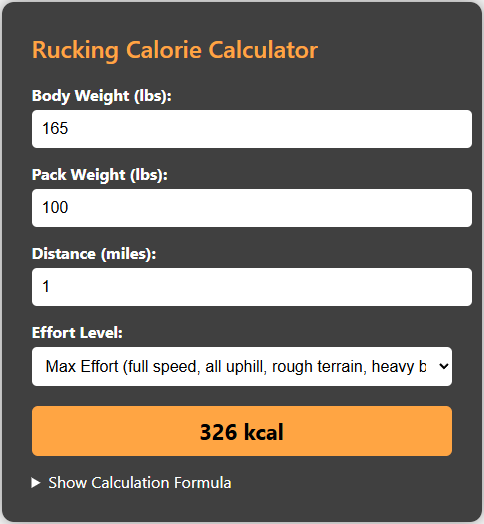
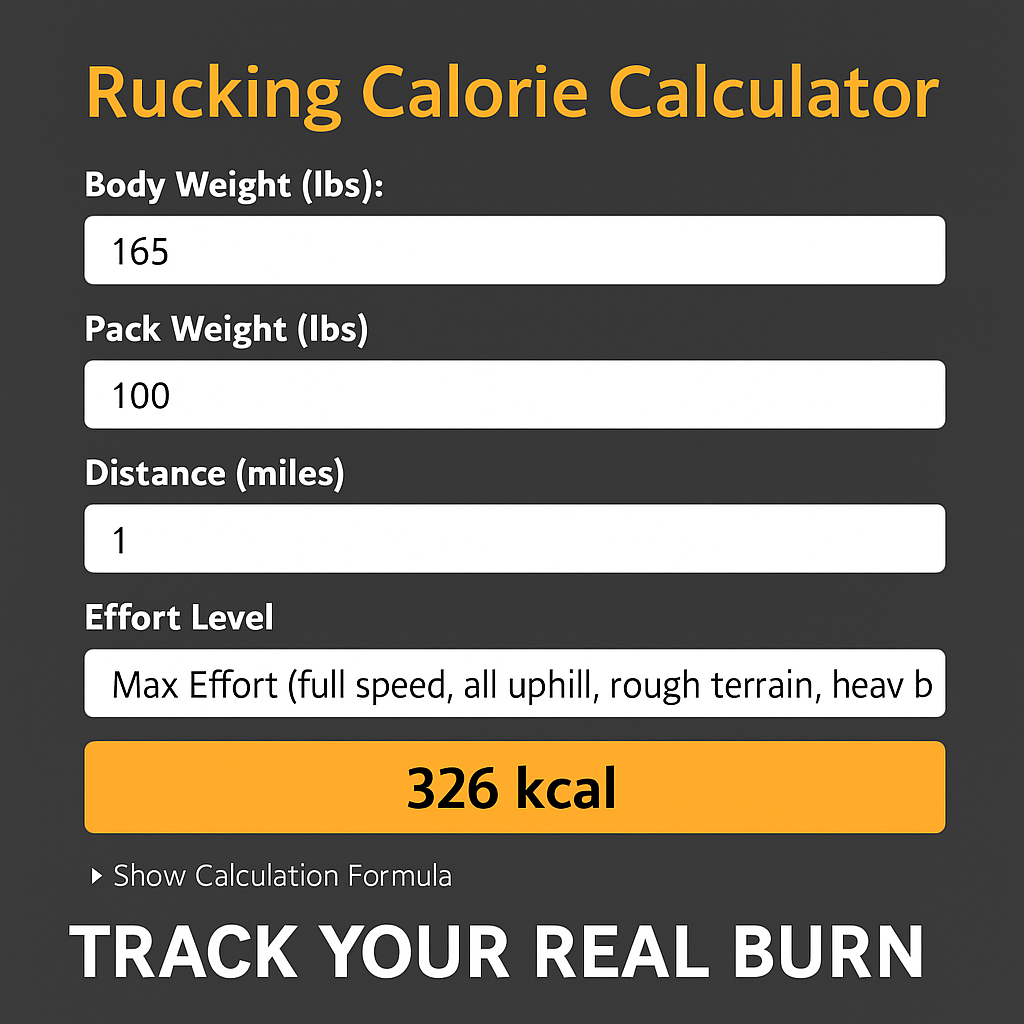
To estimate calorie and fluid needs for your ruck, use the rucking calorie calculator. It helps you plan drink volumes based on pace, distance, weight, and load. Click the screenshot below to open the calculator and set parameters before you leave.

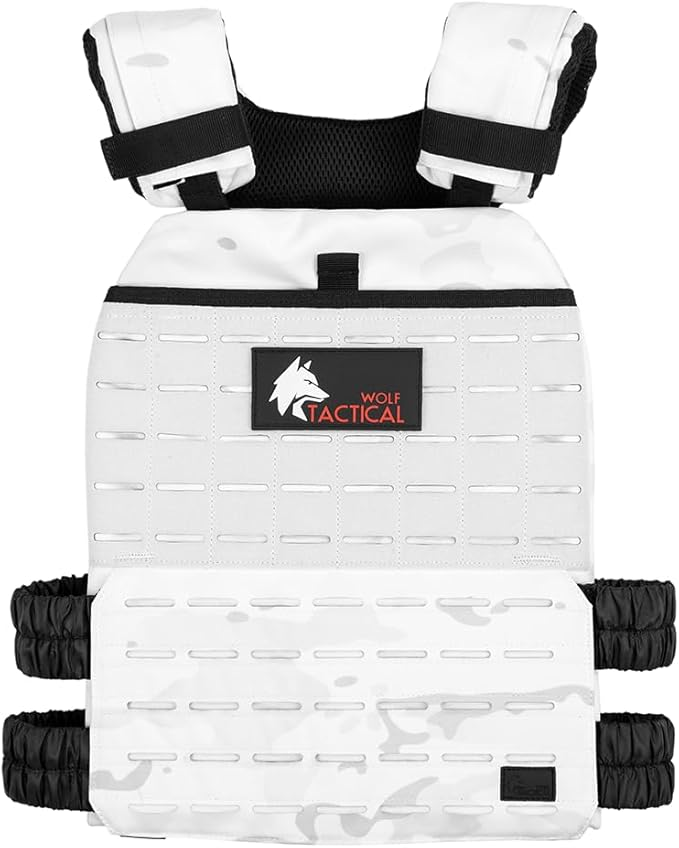
The Rucking app is available on Google Play for Android users. It tracks how many calories you burn while rucking or using a weighted vest, has a weight loss calculator, and links to gear and discounts. Tap the image below to install the app now.

On-Route Signs to Stop
If you feel dizziness, persistent nausea, severe cramps, confusion, or dark urine, stop and rehydrate. Move to shade, sip a sodium-containing drink, and monitor symptoms. Headache alone can be early dehydration, so don’t ignore it.
Practical Tips
- Practice drinking on easy routes to learn your sweat rate.
- Salt your food lightly before long efforts if you salt heavily during day.
- Use insulated carriers to keep cold drinks in heat.
- Rotate bladders and bottles to prevent bacterial growth.
- Carry a small pack of electrolyte tablets for emergency boosts.
On long efforts I use Pump-Ocalypse for hydration support, and I recommend learning your sweat profile in training. Preston Shamblen, the founder of this site and an ISSA-certified personal trainer, lost 90 lbs through rucking, weighted-vest training, and disciplined nutrition. He still recommends weighted vests as one of the most reliable ways to burn fat and maintain a lower body weight when paired with proper hydration and fueling.
Final Checklist
- Preload twelve to twenty ounces of water before start.
- Bring a bladder and a bottle for flexibility.
- Carry electrolyte tabs and snack with sodium.
- Use the rucking calorie calculator before long missions.
- Install the Android app to track calories and fluid use.
Smart hydration is simple, repeatable, and trainable. Practice sipping on every ruck, keep electrolytes on hand, and use the calculator and app to plan volumes. When you treat hydration as mission critical, long rucks become safer and more productive.
Test your gear and fluids on short routes, log results, and adjust before committing to a multihour ruck. Small changes in pace or weight can require big hydration changes; plan conservatively and prioritize safety on every walk.
Carry water, ruck smart.