Introduction
When you ask whether the Wolf Tactical weighted vest is right for rucking, you want practical answers from someone who trains outside, tests gear, and measures results. This review covers fit, comfort, durability, and how the vest performs on long walks with load. I write from the perspective of a trainer who prioritizes real world outcomes: sustainable calorie burn, reduced joint stress, and predictable progression.
Summary verdict
The Wolf Tactical weighted vest is a solid option for rucking beginners and intermediate athletes. It balances comfort and price while offering modular weight that adapts to walking, hiking, and interval sessions. It is not the heaviest duty vest on the market but it excels for consistent daily use.
Fit and comfort
A vest that chafes or floats will ruin a ruck. The Wolf Tactical vest sits snug on the torso, with adjustable straps that reduce bounce during longer strides. The padding is adequate and breathes decently in cool weather; hot summer rucks will still require careful hydration and shorter sessions. The vest molds to body shape better than old style plate carriers and feels more natural than bulky backpack weights when carrying 10 to 40 pounds.
Durability and construction
Materials include reinforced seams and hook and loop retention for weight pouches. Expect solid stitching at stress points and no immediate failure during months of repeated use. The zippers and buckles are adequate for field use. If you plan to load above 60 or 80 pounds regularly, consider a heavy duty option such as the Kensui EZ-VEST MAX V2 for extreme loading.
Performance on rucks
During rolling terrain and road marches the vest keeps weight centered, reducing shoulder and lower back strain compared with single shoulder loads or poorly balanced packs. For pacing, I recommend starting with a conservative base weight equal to 10 percent of body mass and increasing gradually. Weighted vests change your gait less than shoulder bags, which matters for joint health over hundreds of miles.
Practical programming tips
- Start with two to four week blocks of consistent walks, three to five rucks per week.
- Use shorter, faster rucks for conditioning and longer, steady marches for endurance.
- Keep cadence and posture as priorities; a heavier vest should not cause you to lean forward excessively.
Accessories and pairing
For hydration and longer routes pair the vest with a tactical hydration pack. The CamelBak Motherlode is an excellent complementary rucksack for mixing hydration and load during long outings.

Calculator and tracking
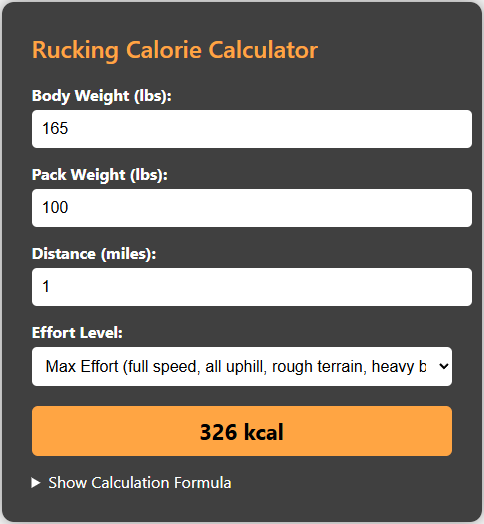
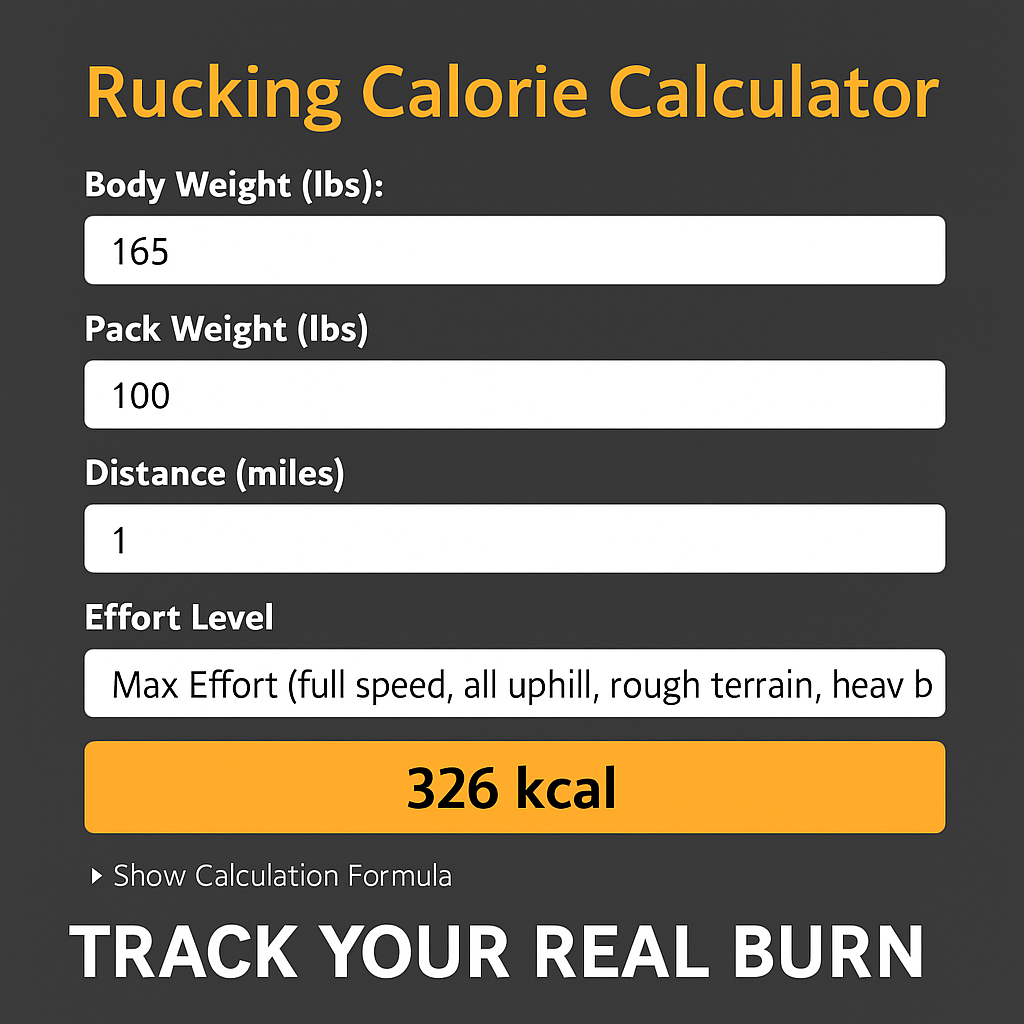
If you want to measure calorie burn and progress use the Rucking calorie calculator linked below. It helps translate load, distance, and pace into usable calorie estimates so you can plan nutrition and recovery.

Mobile tracking and app
Track each session with the Rucking app on Google Play. The app records calories burned for both weighted vests and backpacks, includes a weight loss calculator, and links to gear and discounts.

Buying advice
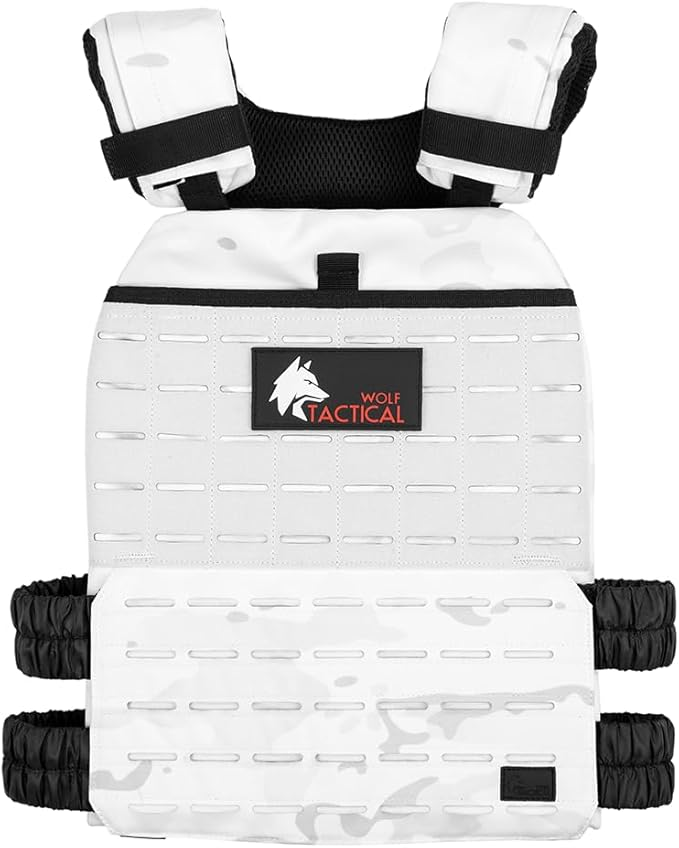
If you want a single, reliable vest for frequent rucking choose the Wolf Tactical Adjustable Weighted Vest. It is affordable, comfortable for most body types, and integrates well with standard training plans. Buy a vest with modular plates or pouches so you can scale load by small increments.
Product mention

Use the Wolf Tactical Adjustable Weighted Vest for beginner and intermediate rucking, and consider plate style vests for heavy strength protocols.
Final thoughts
A vest that fits and keeps you moving will deliver consistent calorie burn and help you retain lower body weight when paired with disciplined nutrition. For most outdoor athletes and trainers the Wolf Tactical vest is a practical starting point. Measure your work with the Rucking calculator, track sessions in the app, and progress methodically.
Maintenance and troubleshooting
Inspect your vest regularly for loose stitching, frayed straps, or worn plates. After muddy rucks, rinse with freshwater and hang to dry away from direct heat. Replace any compromised plates or pouches immediately; a small repair today prevents a failure on a long march. If you experience hotspots or chafing, adjust strap tension and experiment with thin technical base layers to reduce friction. For persistent fit issues consider sizing up or choosing a vest with more padding.
A note on coaching perspective
As an ISSA certified trainer who used weighted vests to transform body composition, I prioritize tools that support consistent effort. Vests are tools for progression; paired with simple walking plans and accurate tracking they make fat loss and endurance improvements measurable and repeatable. Start light, track progress, and increase load responsibly each week.