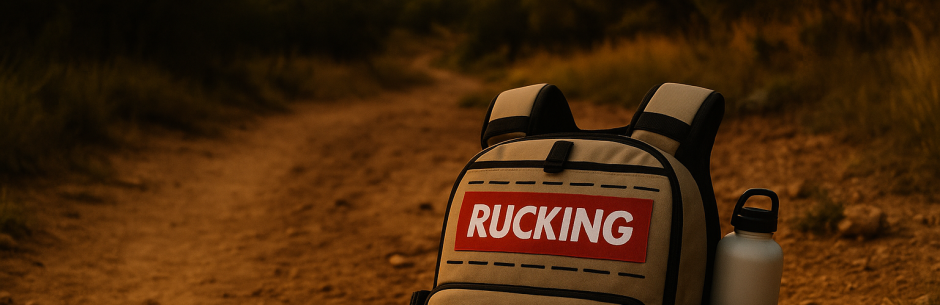
A weighted jacket is not a standardized equipment category. Some searches lead to exercise vests, while others may describe heavy outerwear or garments intended for other uses. Confirm what the product is before treating it as a rucking tool.
Check the intended purpose
Look for the complete weight, adjustment method, retention system and permitted activities. A garment’s jacket-like appearance does not establish weather protection, breathability or suitability for loaded walking.
Consider the complete clothing setup
Check fit over the layers you plan to wear.
Make sure you can adjust or remove the load when needed.
Check whether closures or weights interfere with movement.
Consider conditions and avoid assuming extra material improves comfort.
Use a short trial
Choose a familiar route you can shorten and assess the assembled setup. Stop for pain, numbness or an altered walking pattern. A different distribution of weight does not automatically improve posture or reduce strain on the lower back.
Read the linked product accurately
The Wolf Tactical references below are weighted-vest listings, not proof of a waterproof or insulated jacket. Review the actual model’s specifications and instructions. Keep weather protection and exercise loading as separate purchase decisions when they serve different needs.
Equipment references
As an Amazon Associate we earn from qualifying purchases. Other marked product links may also be affiliate links.
Check fit, intended use and current specifications before buying. These references are not claims of personal testing or guarantees of comfort.
Wolf Tactical adjustable weighted vest. The photo shows the pictured version; confirm current color, selected model and included components at the listing.
Use the main Rucking.Pro calorie calculator for a planning estimate and the app guide for current phone options. Keep actual distance, elapsed time, complete carried weight and comfort notes alongside the estimate. A calculator cannot choose a suitable load or guarantee weight loss.
Affiliate disclosure: we may earn a commission from qualifying purchases through product links.
Compare the Selected Products, Not Gender Promises
The best-fitting vest depends on the person and task. Pink styling, a women’s label or adjustable straps do not establish universal comfort, cooling, reduced chafing or faster training progress.
A Useful Comparison Checklist
Exact selected variant and supplied weight components.
Published sizing and adjustment instructions.
Weight retention and compatible loading system.
Comfortable breathing and movement in the planned activity.
BAGAIL Adjustable Vest
BAGAIL shown as a product example, not a personally tested best choice for women.
The BAGAIL listing currently selects Pink, 4–10 Lb. Verify what is included and how the weights are retained. The listed range describes the product, not a recommended load for every beginner or intermediate user.
Pink Wolf Tactical Option
Pink Wolf Tactical product photograph. Inspect the exact model rather than inferring its loading system from its appearance.
The pink Wolf Tactical listing is a separate comparison. The selected Pink Camo listing is marketed for men and women. Check sizing and intended use; no side-by-side comfort, cooling or durability test is established here.
Pink Color, Model and Included Load
Solid pink and pink camouflage identify different appearances, not a shared loading system. BAGAIL’s adjustable-vest page lists Pink among its colors and separates 4–10 lb, 12–18 lb and 20–32 lb choices. For the 4–10 lb configuration, its description specifies a 4 lb base and six removable 1 lb iron-sand bags. Removing those bags does not turn the base vest into a zero-load garment. Do not transfer that insert arrangement to another range without checking its instructions.
The pink-camouflage Wolf example needs its own package check. Wolf’s current Plate Carrier page describes a carrier with separate front and back plates, sold separately. That page does not identify a Pink Camo selection in the information reviewed here, so its specifications do not independently confirm the pictured pink-camouflage offer. Before purchasing, ask the seller to confirm the exact model, color, compatible plates and what the package includes. A matching color photograph alone is not enough.
Fit and Progression
Follow each maker’s fit instructions instead of assuming the tightest fit is safest. Check breathing, shoulder movement and stable retention. Stop and reassess pain, numbness or altered movement.
Change one main demand at a time, such as duration, pace, terrain or carried load. Neither gender nor a product’s maximum weight determines how quickly to progress.
CDC activity guidance supports choosing activity that matches current ability and building gradually. It does not prescribe a universal weighted-vest starting load. Seek qualified clinical guidance when symptoms or health conditions affect activity choices.
Use a Walking Estimate Carefully
The linked calculator estimates loaded walking. It does not measure an individual workout, prove that a vest improves posture or predict guaranteed weight loss.
Illustrative loaded-walking estimate, not a measured result or recommended load.
Make the Purchase Comparison Specific
Compare the exact BAGAIL variant and Wolf Tactical variant against the intended use and your measurements. This guide does not rank either from personal testing or endorse automatic load increases.
For current tracking options, see the Rucking.Pro app overview. Record time, distance, total carried weight and recovery alongside estimates.
Reviewed October 14, 2026. General product and activity information, not a personal test, trainer testimonial or individualized program.
Affiliate disclosure: we may earn a commission from qualifying purchases through product links.
Identify the Exact 5.11 Vest
The linked 5.11 TacTec Trainer Weight Vest is the Trainer model, distinct from the separate TacTec Plate Carrier. The selected listing shows the Kangaroo color. Compare its intended use, insert requirements and adjustment instructions rather than assuming every 5.11 vest has the same design.
5.11 TacTec Trainer in Kangaroo. Inspect fit and secure compatible inserts according to the maker’s instructions.
Fit and Retention Checks
The manufacturer’s Trainer description identifies adjustable fit, internal retention straps and mesh body pads. Follow the internal strap and closure-flap instructions for specified inserts. Those features do not establish chafe prevention, all-weather comfort or a suitable maximum load for every person.
Check comfortable breathing and shoulder movement.
Confirm the insert dimensions, shape and retention method.
Count the complete worn setup, including the vest and all inserts.
Stop and reassess pain, numbness, restricted breathing or changed gait.
Choose the Carrying System for the Task
A TacTec Trainer and a backpack carry equipment differently. Check water and supply needs, event rules and the movements planned. A close fit does not guarantee better posture, less fatigue or greater fitness gains.
Build Activity Without a Fixed Starting Weight
A generic 10–15-pound start is not appropriate for every reader. Current ability, duration, terrain, pace and recovery all matter. Change one main demand at a time; do not combine extra load, hills and new exercises simply to make a session harder.
CDC guidance supports choosing activity that matches current ability and building gradually. It does not prescribe a universal vest load. Seek qualified clinical advice when symptoms or health conditions affect activity choices.
Use the Calculator as a Model
The calculator below estimates a loaded-walking scenario. It does not measure your energy expenditure, confirm a safe load or calculate an entire calisthenics circuit. Treat its number as an estimate rather than an exact food or recovery requirement.
Illustrative walking-estimate screen, not a recommended load or measured result.
Check Plates Before Buying
The existing Wolf Tactical weight-plate listing is a separate product comparison. Do not assume its plates fit the TacTec Trainer because both products are used for weighted exercise. Compare exact dimensions and retention requirements with the manufacturer’s specified compatible inserts before ordering.
Exercise weights, not body armor. Plate dimensions, shape and retention requirements must be checked against the particular vest. This photo does not establish cross-brand compatibility.
Review the TacTec Trainer listing for the selected variant and supplied components. Comfort and compatibility need checking in the actual setup; neither is established by a “proven” or “ideal fit” label.
For current tracking options, see the Rucking.Pro app overview. Log time, distance, total carried weight and recovery alongside estimates.
Reviewed October 14, 2026. General equipment information, not a personal product test or individualized training plan.
Affiliate disclosure: we may earn a commission from qualifying purchases through product links.
Distinguish Rogue Plate Families Before Buying
The official Rogue comparison separates original laser-cut Weight Vest Plates from curved Echo and USA Cast plates. Its compatibility table marks the original plates as unsuitable for the Rogue Plate Carrier, while Echo and USA Cast are compatible. Do not treat a shared brand as proof of fit.
Rogue vest plates are a popular choice for anyone looking to level up their rucking or weighted vest training. While Rogue offers top-quality weight plates, it’s important to understand how their plates measure up against other popular rucking options. If you’re seeking a reliable, balanced, and durable addition for your ruck or weight vest, knowing how Rogue vest plates stack up is crucial for your training and progress.
What Sets Rogue Vest Plates Apart?
Rogue makes plates designed specifically for use in plate carriers and vests, especially in a CrossFit or tactical context. Construction depends on the named family: laser-cut original plates and curved Echo or USA Cast plates are different products. A stated contour is not a personal comfort guarantee. Check exact model compatibility, dimensions and retention rather than assuming a particular thickness or comparing all Rogue products as one design.
Build and finish: Rogue lists different finishes for different plate families; do not transfer one model’s coating or durability claims to another.
Design compatibility: Ergonomic shape for comfort, but always check your vest model before purchase.
Weight options: USA Cast plates are sold as pairs of 5, 7.5, 10 or 20 lb plates. These are individual plate weights; add both plates and the carrier for the worn total. These fitness plates are not body armor.
Alternatives: Plates Designed for Rucking
If you’re rucking outdoors, comfort and bounce reduction are essential. Some plates made specifically for rucking, such as the Yes4All Ruck Weight Plate, should be compared against the exact pack sleeve rather than assumed to fit most backpacks. Here’s a popular option to consider:
Yes4All product image; confirm the exact plate dimensions, pack sleeve and retention method. The image does not establish universal fit or reduced bounce.
If you’re looking for a pure vest option, the WOLF TACTICAL Weight Vest Plates must be checked against the exact vest model and its retention instructions; the product name alone does not establish a safe fit:
WOLF TACTICAL Weight Vest Plates are designed for secure fit and comfort in popular rucking vests.
Choosing the Right Plate for Your Training Style
If you train primarily with a vest, Rogue or Wolf Tactical plates will likely serve you well—just verify the fit. If your style is rucking with a classic backpack, Yes4All plates offer a versatile solution. Ultimately, the “best” plate is the one that fits you, your vest or bag, and your intended uses.
Track Your Progress with a Rucking Calculator
A walking calculator estimates energy use rather than measuring actual calories or selecting a safe load. Check out our Rucking Calorie Calculator to understand how added load changes your burn rate!
Calculate your calorie burn for every ruck and weight you carry.
Main Takeaways
Identify the exact Rogue plate family and the carrier’s approved loading system.
Compare alternatives by verified dimensions and retention, not generic comfort or compatibility promises.
Record total carried load, route and time; tracking alone does not prevent overtraining.
Affiliate disclosure: we may earn a commission from qualifying purchases through product links.
Match Plates to the Exact 5.11 Vest
Weight plates for the 5.11 TacTec Plate Carrier must be checked against the exact vest: the Carrier is style 56100, while the TacTec Trainer Weight Vest is style 56693. Identify the vest first, then compare the named plate family, dimensions, supplied quantity and retention instructions.
Plate compatibility: 56100 Carrier versus 56693 Trainer
Check the vest’s style number before selecting inserts. The following are separate manufacturer compatibility statements, not a conclusion that the two vests have identical pockets.
Rogue explicitly excludes GORUCK plates for this Trainer. The published 13 × 10 × 1-inch vest dimensions are not a verified internal-pocket sizing template.
Original Rogue laser-cut plates: compare the actual dimensions
These totals exclude the vest and accessories. Match the exact plate family, size and carrier instructions rather than choosing solely by a target total. Both 5.11 vest pages require the internal retention strap and external closure flap to secure the plate. A plate merely passing through the opening is not proof of correct retention. These are fitness weights, not protective equipment.
Ideal Plate Selection: Balancing Weight and Comfort
There is no single plate weight standard for every event or walker. The TacTec Trainer manufacturer page names 5.11 and Rogue weight plates and the TacTec Weight Plate Sandbag. It instructs users to secure plates with both the internal strap and external closure flap. The WOLF TACTICAL Weight Vest Plates require an exact-model compatibility check; this page does not establish their fit in every 5.11 carrier or comparative resistance to shifting.
WOLF TACTICAL product image; verify the selected plates against the exact carrier requirements.
A per-plate number is not the total worn load or a personal starting recommendation. Add both plates and the carrier when comparing setups.
How Plate Shape Impacts Movement
Do not infer compatibility from a tactical-looking outline or a ruck-plate label. The exact dimensions, shape and retention system matter; the WOLF TACTICAL option or Yes4All Ruck Weight Plate needs a model-specific check rather than an assumption that it fits. Do not substitute loose fill, bricks or an unapproved bag for the carrier’s specified loading system; the named TacTec Weight Plate Sandbag is a specific compatible accessory, not approval of any sandbag. Stick to ergonomic plates that match the vest’s compartments.
5.11 TacTec Trainer product image; verify what the selected offer includes.
Training Benefits: Why Weighted Vests Work
Adding equipment changes a workout, but the product alone does not establish particular health outcomes. Choose the activity and load around your current ability rather than a brand promise. This comparison does not establish a brand-specific fat-loss benefit.
Model a walking calorie estimate with the Rucking Calorie Calculator.
For a modeled walking estimate, use the Rucking Calorie Calculator as an estimate, not a measurement of actual energy use, a personal load prescription or a guaranteed outcome.
Final Thoughts
Keep the vest style number and exact plate specification together in your equipment record. Confirm the selected offer’s contents and follow the model’s retention instructions. Compatibility identifies a hardware combination; it does not establish a personal training load or guarantee results.
Affiliate disclosure: we may earn a commission from qualifying purchases through product links.
Choose by Your Measurements and Activity
A weighted vest marketed for women is not automatically a better fit than a unisex design. Body dimensions, adjustment range, movement and the intended activity matter more than color or marketing labels. A vest is optional and does not guarantee reduced shoulder/back strain or greater fat loss.
Clothing Size, Chest Clearance and Vest Cut
A clothing size or bra size is not a complete vest measurement. Use the exact model’s chart and its measuring method; do not substitute underbust circumference for a requested chest measurement. Check the vest over the exercise clothing and support garment, if any, that you will actually wear. If chest, waist and height point to different sizes, ask the maker rather than choosing by a women’s label.
Cut and loading position matter independently. Hyperwear describes its FIT model as having no chest-area weight pockets and a boxier cut; that is a specific design distinction, not evidence that it suits every woman. A plate carrier, a vest with many small inserts and a fixed-load garment can contact the chest and ribs differently. Check panel edges, strap paths and weight-pocket placement, not color.
Read a Real Size Range, Then Test the Adjustment
For one manufacturer example, Hyperwear lists the ELITE Small for a 31–35-inch chest and Medium for 35–39 inches, alongside height and body-weight guidance. Those are ELITE specifications, not BAGAIL or Wolf measurements and not a conversion from women’s clothing sizes. Size, adjustable strap range and maximum load are separate questions.
Make the Return Policy Part of the Fit Check
Before a loaded try-on, ask the selected seller what testing is allowed, whether tags and packaging must remain intact, when the return window begins and who pays return shipping. For example, Wolf’s direct Quick-Release product page specifies 60-day returns on unused gear; it does not establish the policy for the separate pink marketplace listing below.
Within the seller’s permitted fitting conditions, check full inhalation, arm swing and reaching, then sitting and a controlled bend. Check pressure at the chest, ribs, neck and underarms as well as weight movement. Do not solve a loose lower edge by tightening across the chest until breathing is restricted. A shorter panel or different cut may be a better comparison than a smaller clothing-size label.
Fit and Load Checks
Use the exact model’s sizing and adjustment instructions.
Check comfortable breathing and shoulder movement with the intended setup.
Confirm the supplied weights and how they are secured.
Stop and reassess pain, numbness, restricted breathing or changed gait.
Two Products to Inspect
The BAGAIL adjustable weighted-vest listing currently selects Pink, 4–10 Lb. That product range is not a safe starting prescription for every beginner. Verify the selected variant and supplied pieces before ordering.
BAGAIL product photograph. Check the selected listing and fit rather than assuming a color or light advertised range suits every person.
The pink Wolf Tactical listing is a separate product. Confirm its exact loading system and size guidance; do not assume that it uses interchangeable plates or behaves like a different Wolf model.
Pink Wolf Tactical product photograph. The selected Pink Camo listing is marketed for men and women. Color does not establish women-specific anatomy, universal comfort or a particular training progression.
Plan Activity Before Increasing Weight
A fixed 20–30-minute, two-to-three-times-weekly schedule cannot account for every reader. Start from current ability, choose a manageable task and change one main demand at a time. Do not automatically progress from walking to jogging or heavier loads because the vest has capacity available.
CDC activity guidance supports choosing activity that matches current ability and building gradually. It does not prescribe a universal weighted-vest starting load. Seek qualified clinical guidance when symptoms or health conditions affect activity choices.
Know What the Calculator Estimates
The calculator below models a loaded-walking scenario. It does not measure additional calories caused by the vest alone, a weighted run or exact fat loss. Do not turn its output into automatic food restriction or a guarantee of results.
Illustrative loaded-walking estimate, not a measured result or recommended load.
For current tracking options, see the Rucking.Pro app overview. Record time, distance, total carried weight and recovery alongside estimates.
Reviewed October 14, 2026. General product and activity information, not a personal test, trainer testimonial or individualized program.
A weighted exercise vest adds a carried load to the activity you perform. It does not turn every movement into the same kind of strength exercise or automatically replace other training equipment. Decide what you want the session to accomplish first.
Ask what changes when the vest is added
Does the load alter balance or the available movement?
Does the carrier contact the floor or other equipment?
Can the weights shift during the activity?
Can you stop and remove the load promptly?
Check these questions against the manufacturer’s instructions and, where needed, a qualified coach’s guidance. A product being wearable does not establish suitability for every exercise.
Compare designs, not slogans
Pocketed carriers and plate-loaded vests may differ in profile, adjustment increments and hardware. Check the exact selected model, included weights and compatible plates. Avoid treating maximum capacity as a target.
Keep a clear session record
Record the activity and complete load rather than assigning a general “weighted workout” label to very different sessions. Keep walking distance separate from repetitions of other exercises.
Claims that a vest improves posture, prevents injury or guarantees better results need more than a product description. Use fit, permitted use and your actual response to guide the equipment decision.
Equipment references
As an Amazon Associate we earn from qualifying purchases. Other marked product links may also be affiliate links.
Check fit, intended use and current specifications before buying. These references are not claims of personal testing or guarantees of comfort.
Wolf Tactical adjustable weighted vest. The photo shows the pictured version; confirm current color, selected model and included components at the listing.
Kensui EZ-VEST Max plate-loaded vest. The photo shows the pictured version; confirm current color, selected model and included components at the listing.
Keep a useful record
Use the main Rucking.Pro calorie calculator for a planning estimate and the app guide for current phone options. Keep actual distance, elapsed time, complete carried weight and comfort notes alongside the estimate. A calculator cannot choose a suitable load or guarantee weight loss.
Beginner rucking should begin with current walking ability, not a bodyweight percentage copied from a chart. A person comfortable on one route may find a different surface or pack changes the experience. Keep the first test easy to shorten.
Establish the baseline
Walk the route without added load if it is unfamiliar. Notice the footing, crossings and time required. Then assess whether introducing a pack makes sense for your current goals and comfort.
Check the fit before progressing
Use the manufacturer’s instructions for loading and adjusting the bag or vest. Secure contents, count the full carried weight and check that your normal walking pattern remains comfortable. Stop to address rubbing, pressure or slipping early.
Use a repeat-or-adjust decision
Repeat: the route and setup were manageable and you want a clearer comparison.
Adjust: a strap, pocket or footwear issue needs a small change and another short test.
Pause: pain, numbness or persistent symptoms need assessment before continuing.
Completing a walk does not create an obligation to add weight next time. A lighter or unloaded outing can still be the appropriate choice.
Keep the goal practical
Record what you actually did and how it felt. Avoid using a calorie estimate as a promise of weight loss or a reason to ignore recovery. Progress can include a better-fitting setup and a routine you can repeat.
Equipment references
As an Amazon Associate we earn from qualifying purchases. Other marked product links may also be affiliate links.
Check fit, intended use and current specifications before buying. These references are not claims of personal testing or guarantees of comfort.
Wolf Tactical adjustable weighted vest. The photo shows the pictured version; confirm current color, selected model and included components at the listing.
GORUCK Rucker 4.0 20L. The photo shows the pictured version; confirm current color, selected model and included components at the listing.
Keep a useful record
Use the main Rucking.Pro calorie calculator for a planning estimate and the app guide for current phone options. Keep actual distance, elapsed time, complete carried weight and comfort notes alongside the estimate. A calculator cannot choose a suitable load or guarantee weight loss.
If you want real-world fitness and rock-solid endurance, look no further than the army rucksack march. As a certified personal trainer who lost 90 lbs transforming my own life, I can tell you: the discipline and results from rucking translate directly into lasting fitness and sustainable fat loss. Even after becoming a trainer, I still rely on and recommend rucking to maintain a lower body weight and stay consistently strong.
Preston Shamblen’s 90 lb transformation achieved through consistent rucking and strength training.
What Is an Army Rucksack March?
The classic army rucksack march takes loaded walking to another level. In military tests—known as ruck marches, road marches, or simply “the ruck”—soldiers carry heavy packs across varying terrain, often for long distances and under time constraints. This builds:
Leg and core strength
Real cardio endurance
Practical, functional athleticism
Mental toughness
Whether you’re prepping for tactical challenges, boosting everyday fitness, or just want to test your limits, the army rucksack march is straight-up effective.
Essential Gear for a Successful Rucksack March
Your two priorities: comfort and load distribution. The right gear makes the difference between a brutal slog and a challenging, confidence-building march. Here’s what I recommend both for beginners and advanced ruckers:
Best Weighted Vests for Ruck Marches
Wolf Tactical Adjustable Weighted Vest – My top pick for urban and off-road rucks. Chest/back design keeps weight stable, reduces chafing, and allows quick load adjustment.
Balanced weight for military-style ruck marches—comfortable and adjustable.
GORUCK Rucker 4.0 20L – For long distances or heavy loads, this ruck is the gold standard. It’s built tough, distributes load well, and won’t quit on you.
Rugged, comfortable, and made for heavy rucksack marches.
Tips for Your First (or Fastest) Army Rucksack March
Start Light: If you’re new, 20-25 lbs in your weighted vest or ruck is plenty.
Mimic Military Standards: Military tests often require covering 6–12 miles at a fast walk—shoot for steady, brisk pace before adding load or distance.
Prioritize Posture and Footwear: Stand tall and use supportive, broken-in boots.
Progress Gradually: Add 5–10% more weight or distance each week.
Hydrate and Fuel: Don’t neglect simple carbs and water before and after the march.
Maximize Calorie Burn with Every Mile
One of the biggest benefits of the army rucksack march isn’t just toughness. It’s unmatched calorie burn. Wondering how much you’re torching? Check your numbers and stay motivated:
Track your calorie burn with the Rucking Calorie Calculator.
Here’s the truth: rucking, especially the army rucksack march, is still my go-to. It keeps me lean, focused, and fit year-round. That’s why I recommend tools like the Wolf Tactical Adjustable Weighted Vest and the GORUCK Rucker 4.0 20L—because they’re what I personally use every week.
Ready for the challenge? Take your fitness up a notch with the army rucksack march, and see how fast you progress—one mile at a time.
“Workout plate carrier” may describe a vest with plate pockets, a compact carrier worn on the back or a plate-loaded system with projecting hardware. Those designs have different clearances and loading instructions. Compare the exact equipment rather than treating the category name as a specification.
Match the design to the movement
For walking, check stability, pressure and normal arm movement.
For floor exercises, check whether the carrier or hardware obstructs the movement.
For transitions, know how you will put the load down or remove it.
For every setup, follow the intended-use and retention instructions.
Equipment references
As an Amazon Associate we earn from qualifying purchases. Other marked product links may also be affiliate links.
Check exact model, fit and included components. These references do not claim personal testing or guaranteed results.
Wolf Tactical adjustable weighted vest. Confirm the selected version and compatibility at the listing.
Check the complete purchase
Confirm whether plates, collars or other loading parts are included. Compare permitted dimensions and the lightest usable configuration before focusing on maximum capacity.
Do not turn a capacity rating into a prescription
A carrier that can hold a large load does not establish what you should use. A coach can help select an appropriate exercise variation when you are unsure how the equipment changes movement.
Keep the record specific
Note the model, weights, total load and actual activity. Walking distance and repetitions of strength exercises describe different work; do not combine them into a confident calorie result from a walking calculator.
The pictured plate is marked 30 lb. This is not a starting-load recommendation; check dimensions and the selected weight.
Keep a useful record
Use the main Rucking.Pro calorie calculator for a planning estimate and the app guide for current phone options. Keep actual distance, elapsed time, complete carried weight and comfort notes alongside the estimate. A calculator cannot choose a suitable load or guarantee weight loss.
An overhead dumbbell walk is a loaded carry with one or two dumbbells held above the body while you take controlled steps. It is a different skill from carrying weights at your sides. Being able to press a dumbbell once does not establish that you can maintain the position while walking or lower it safely … Continue reading →
“Sand weighted vest” can mean permanently sewn-in filling or removable bags that slide into separate pockets. Those constructions create different loading, repair and cleaning decisions. Identify the one you have before buying replacement weights or opening a seam. The word sand also does not identify the material precisely. A listing may mean iron sand, mineral … Continue reading →
Running with a backpack of necessary water and supplies is different from deliberately adding plates to make a run harder. Start by identifying which task you actually need to do. A pack that carries weight comfortably during a walk is not automatically a suitable running pack. For most recreational planning, you can keep running and … Continue reading →
If a weighted vest’s hook-and-loop straps no longer stay closed, stop and identify the cause before adding more tension. Dirt in the hooks, too little overlap, worn material and damaged stitching are different problems. An improvised extension or adhesive strip is not a verified repair for load-bearing retention. VELCRO is a brand name; many vests … Continue reading →
A weighted pushup vest has to remain secure when your torso is horizontal. A vest that feels stable during walking may slide toward your neck, hang away from your body or touch the floor during a pushup. Check those mechanical details before treating added weight as the next step. Begin with a pushup variation you … Continue reading →
A weighted vest with pockets may have plenty of places for weights and nowhere suitable for a phone. Before choosing one for a walk, separate weight-retention compartments from storage pockets. A pocket designed for a plate should not become a convenient place to wedge keys or a water bottle. The best layout is the one … Continue reading →
Ankle weights are not a necessary upgrade to a walking routine. They place weight on the moving lower leg rather than carrying it in a pack or vest, and that distinction matters. A product marketed for exercise is not automatically appropriate for brisk walking. Mayo Clinic guidance published by Augusta Health generally advises against ankle … Continue reading →
A kettlebell rack walk is a loaded carry with the kettlebell supported in the front-rack position near the torso. The first task is controlling that position, including the way you get the bell there and return it to the floor. Distance comes later. Choose a bell for the position you can control; the pictured weight … Continue reading →
A weighted hiking vest carries exercise load on your torso, but it may not carry the water, layers and other supplies your hike requires. Decide how you will transport the essentials before adding training weight. A backpack already loaded with necessary gear can make a separate vest unnecessary. Backpacks can carry essential trail equipment as … Continue reading →
Learn dumbbell farmer-carry technique, select a manageable load per hand, progress without losing control, and keep carries separate from your ruck log. Continue reading →