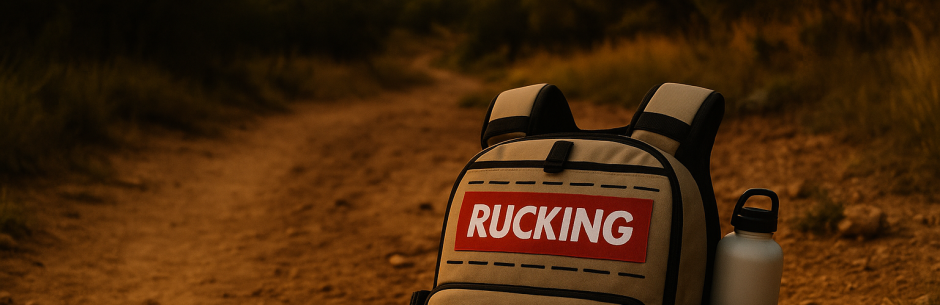
Weighted vest for walking: fit, loading and a short trial

Choose a vest for the walk you will take

A weighted vest can add load to walking, but it does not promise a fixed 10–20% calorie increase or automatic joint protection. Begin with the route, current walking ability and the reason you want to carry weight. A comfortable unloaded walk remains a useful option.

Check fit while moving

Follow the maker’s sizing and loading instructions. Test whether the vest stays in place during ordinary walking, turns and a short change in direction. Check shoulder pressure, contact with clothing and any bounce rather than judging fit only in a mirror.

  • Can you adjust the vest without restricting breathing?
  • Are the weight pockets or plates secured as instructed?
  • Does the vest interfere with your usual arm movement?
  • Can you stop and remove it without difficulty?

Know the full carried weight

Count the carrier itself and every insert or plate. The number printed on a plate is not the total worn load. Check whether the purchase includes weights and whether the lowest usable configuration suits your plan.

Try a short route before a long one

Use familiar footing with a convenient turnaround. Reassess rubbing, numbness or a change in how you walk rather than trying to meet an arbitrary mileage target. Review comfort afterward before extending the outing.

The product references below show different options, not a ranking based on hands-on testing. Fit and permitted use matter more than a claimed maximum capacity.

A beginner’s buying decision: can the vest become light enough?

The most useful adjustment may be the ability to remove weight. Before comparing maximum capacities, identify the lowest complete load you could actually wear with the maker’s required insert arrangement.

  • Fixed-weight vest: changing the straps changes fit, not the amount of weight. Choose it only when its fixed load suits the outing you intend to repeat.
  • Removable-weight vest: check whether some weight is permanently built in, the weight of each removable piece and which positions should be filled together.
  • Plate carrier: check the compatible plate sizes and the cost of the required pair. A light empty carrier does not mean the lightest supported loaded setup will suit you.

The adjustable-vest guide explains why a product’s maximum, supplied weight and usable minimum are different numbers. None supplies a universal starting load.

Use the first trial to make a decision

Set the vest up over the clothing you expect to walk in. Before leaving, locate the closures and practice removing the vest with the load supported. Keep the initial route close enough to return without having to carry a poorly fitting vest for miles.

During the trial, distinguish a correctable adjustment from a recurring problem. A loose strap may need one adjustment according to the instructions; repeated slipping, a hard edge in the same spot or restricted arm movement is a reason to reconsider the configuration. Do not tighten the vest indefinitely to compensate for unsuitable sizing.

Afterward, choose among repeating the same setup, reducing the load, changing the fit or walking without the vest. Review any symptoms before another trial. You do not need to earn a heavier setting or follow a weekly increase simply because the vest offers one.

A repeatable weighted-vest walking workout worksheet

Once you have a configuration you can use comfortably, turn the outing into a record you can repeat. This worksheet organizes a walking session; it does not prescribe a load, pace or weekly progression.

Before the walk What to write down
Purpose Choose one main question, such as whether the same setup stays comfortable on a familiar route.
Equipment Exact vest model, installed inserts, complete assembled weight and anything else carried.
Route and exit Starting point, intended route, turnaround options and how you can shorten it.
Timing convention Decide whether your record uses total elapsed time or moving time; record stops separately.
Conditions Clothing, footwear, weather and surface conditions that could affect the comparison.

During the walk, note any adjustment and where it happened. A record such as “stopped at the first junction to reposition a loose strap” is more useful than calling the whole session good or bad. Do not interpret time spent fixing equipment as a change in fitness.

Afterward, record the actual route, distance, time and complete load, followed by one practical decision: repeat the same setup, change one equipment or route detail, or reconsider using the vest. Keep any fit concern visible rather than treating a faster time as permission to ignore it.

For the next outing, mark the variable you changed. Switching to a different vest, using a hillier route and walking farther at the same time makes the records harder to compare. You can use this worksheet without a calorie calculation; if you log an estimate, keep it separate from measured distance and time.

Equipment references

As an Amazon Associate we earn from qualifying purchases. Other marked product links may also be affiliate links.

Check fit, intended use and current specifications before buying. These references are not claims of personal testing or guarantees of comfort.

Front view of a white camouflage Wolf Tactical vest
Wolf Tactical adjustable weighted vest. The photo shows the pictured version; confirm current color, selected model and included components at the listing.

Compare the Wolf Tactical adjustable weighted vest with the requirements you actually have.

Pink BAGAIL vest, removable weight pouch and rear-view fit illustration
BAGAIL adjustable weighted vest. The photo shows the pictured version; confirm current color, selected model and included components at the listing.

Compare the BAGAIL adjustable weighted vest with the requirements you actually have.

Keep a useful record

Use the main Rucking.Pro calorie calculator for a planning estimate and the Rucking app guide for iPhone and Android downloads. For a vest walk, select weighted vest and enter the complete worn load before tapping Start Ruck. Keep actual distance, elapsed time, complete carried weight and comfort notes alongside the estimate. A calculator cannot choose a suitable load or guarantee weight loss.

Posted in Rucking | Tagged , , , , | Comments Off on Weighted vest for walking: fit, loading and a short trial

How to use a GORUCK blog: check sources, dates and relevance

Use a rucking blog as a source to evaluate

A training blog can offer ideas, event accounts and equipment information. Its usefulness depends on what supports the particular claim. The official GORUCK News & Stories site is a source for the brand’s own material; it also serves a commercial business.

Read with four questions

  • Who wrote it? Distinguish an official announcement, a personal account and a general guide.
  • When was it updated? Event rules, models and app features can change.
  • What is the evidence? Look for a primary source behind precise health or performance claims.
  • What applies to you? An experienced participant’s load or schedule is not a universal starting point.

Equipment references

As an Amazon Associate we earn from qualifying purchases. Other marked product links may also be affiliate links.

Check exact model, fit and included components. These references do not claim personal testing or guaranteed results.

Compare the GORUCK Rucker 4.0 20L with the requirements of the activity you actually plan.

Front view of a black GORUCK rucking backpack
GORUCK Rucker 4.0 20L. Confirm the selected version and compatibility at the listing.

Compare the GORUCK Rucker 4.0 20L with the requirements of the activity you actually plan.

Compare the Wolf Tactical adjustable weighted vest with the requirements of the activity you actually plan.

Front view of a white camouflage Wolf Tactical vest
Wolf Tactical adjustable weighted vest. Confirm the selected version and compatibility at the listing.

Separate reviews from product listings

Check whether the writer actually describes a test, identifies the model and explains limitations. Affiliate links or a manufacturer photograph do not establish firsthand experience. Read disclosures and compare the exact current product specifications.

Turn an idea into a small check

If a suggestion concerns pack adjustment or record-keeping, test it in a manageable setting and note what changed. Do not copy a demanding event plan simply because the story is motivating.

Use the right source for the next decision

Check event requirements with the organizer, equipment limits with the maker and individual health concerns with a qualified professional. A blog can help formulate better questions without answering all of them.

Keep a useful record

Use the main Rucking.Pro calorie calculator for a planning estimate and the app guide for current phone options. Keep actual distance, elapsed time, complete carried weight and comfort notes alongside the estimate. A calculator cannot choose a suitable load or guarantee weight loss.

Posted in Rucking | Tagged , , , , , | Comments Off on How to use a GORUCK blog: check sources, dates and relevance

Mastering the Army Ruck March: Tips, Gear, and Training

Understanding the Army Ruck March: What, Why, and How

The army ruck march is an essential test of endurance, mental grit, and tactical preparedness. As a certified personal trainer who lost 90 lbs through rucking and continues to coach others, I know firsthand how this military staple can transform not just your fitness, but your mindset. Let’s break down what makes the army ruck march unique, training approaches that work, and the key gear I’ve relied on over the years.

Preston Shamblen before and after 90 lb weight loss through rucking
Preston Shamblen’s 90 lb transformation achieved through consistent rucking and strength training.

What Is an Army Ruck March?

An army ruck march involves carrying a loaded backpack, or “ruck,” for set distances (often 6-12 miles) at a fast pace. Usually, you’ll be packing 35+ pounds, moving quickly over mixed terrain—an absolute test of fitness and willpower. The ruck march wasn’t just pivotal in my personal transformation; it’s a classic tool for building functional strength and resilience.

Why Train Like You’re Prepping for an Army Ruck?

  • Builds real-world endurance
  • Strengthens your back, legs, and core
  • Burns more calories than regular walks
  • Improves mental toughness

If you’re aiming for weight loss or improved athleticism, there’s no better base than ruck training. Even after becoming a personal trainer, I strongly recommend rucking as the most reliable way to maintain lower body weight and burn fat—nothing else keeps me as consistent.

Essential Gear: What I Use and Recommend

Weighted Vests

Beginner or not, I often suggest starting your ruck march prep with the Wolf Tactical Adjustable Weighted Vest. Its balance and stability make longer distances less punishing on the shoulders compared to a traditional backpack, and it transitions well to other training forms.

Wolf Tactical Adjustable Weighted Vest
Wolf Tactical Adjustable Weighted Vest for balanced, comfortable Army ruck training.

Rucking Backpacks

If you’re simulating the military style or stepping up your distance, nothing matches the toughness of a GORUCK Rucker 4.0 20L pack. It’s built for punishment and ideal for those eyeing longer or heavier rucks.

GORUCK Rucker 4.0 20L ruck backpack for army marches
GORUCK Rucker 4.0 20L: Heavy-duty, military-grade rucking backpack.

Training Plan: Ruck Like the Army

  • Start light—Try 20 lbs over 2-4 miles, and gradually add 5 lbs every two weeks.
  • Work on pace—Aim for 15 minutes per mile. Time yourself and track improvements.
  • Pace yourself on longer marches—Every two weeks, push for a “long day” where you go 6+ miles.
  • Prioritize recovery—Foot care, foam rolling, and solid nutrition are crucial for consistent progress.

Track Your Calorie Burn

The army ruck march is an elite calorie burner. Want to know exactly how hard you’re working? Use our free Rucking Calorie Calculator to see your estimated burn—crucial for fat loss or fueling your training.

Rucking Calorie Calculator screenshot
Track your calorie burn with the Rucking Calorie Calculator.

Final Thoughts from Preston Shamblen

Whether you’re prepping for military service, pushing boundaries, or burning off the old you—army ruck marches forge discipline and strength like nothing else. Join me. Pick up your vest or ruck, set your sights, and let’s keep moving forward—one mile at a time.

Posted in Rucking | Tagged , , , , | Comments Off on Mastering the Army Ruck March: Tips, Gear, and Training

How to Train for the Ranger 12 Mile Ruck Test

Understanding the Ranger 12 Mile Ruck

The Ranger 12 mile ruck is a classic test of endurance, strength, and determination. Completing it is a key phase of U.S. Army Ranger School and a rite of passage for anyone pursuing advanced military fitness. The goal: complete 12 miles while carrying a prescribed load (usually 35 lbs dry weight, plus water, food, and gear) within 3 hours—or less. Success requires not just brute strength, but strategic pacing, efficient load carriage, and advanced preparation.

Essential Gear for the Ranger 12 Mile Ruck

  • Weighted Backpack: The right pack must ride close to your back, distribute weight evenly, and stay stable through long distances.
  • Hydration System: Hydration is mission-critical during any ruck march. The CamelBak Motherlode 100oz Mil Spec Crux Hydration Backpack is ideal for this kind of challenge. It supports hydration during nonstop efforts and handles variable loads.
CamelBak Motherlode Mil Spec Crux Hydration Backpack for long-distance rucking
Carry variable weights and stay hydrated on long marches with the robust CamelBak Motherlode.
  • Weighted Vest: For those seeking more balanced front-back load distribution, or to alternate stimulus between ruck training days, a vest like the Wolf Tactical Adjustable Weighted Vest is another solid option.
Wolf Tactical Adjustable Weighted Vest for rucking
Train with even load distribution using Wolf Tactical’s versatile weighted vest.

Training Approach for the 12 Mile Ruck

Build Your Base

Start with manageable distances (4–6 miles) and gradually add both weight and distance. Emphasize time on feet over speed at first. Aim to ruck 2–3 days per week, working up to 10–12 mile sessions 2–3 weeks out from your test. Rotate between pack and vest training for total adaptation.

Pacing and Footwear

Test your pace frequently. To finish in 3 hours, you need a target pace of about 15 min/mile. Use every practice session to dial in your foot care strategies, sock choices, and lacing methods. Good boots—well worn-in—are absolutely essential.

Load Carriage Tips

  • Keep heavy items high and centered on your back.
  • Adjust straps so your load doesn’t bounce or sway.
  • Practice with the exact gear and clothing you’ll wear for the test.

Nutrition and Hydration

The 12-mile ruck is as much a nutritional effort as a physical one. Hydrate steadily using a high-volume system like the CamelBak Motherlode. Take in electrolytes if conditions are hot or humid. Practice eating simple carbs (energy chews, gels, etc.) during longer training rucks.

Test Yourself

About 2 weeks before the test, complete a rehearsal—gear up, simulate load, and cover the full distance. Assess how your body responds and fine-tune your pace and foot care regime. Don’t skip recovery after this milestone!

Track Your Progress

Knowing your calorie expenditure helps you dial in nutrition and pacing. Use the Rucking Calorie Calculator to estimate calories burned during your long rucks and make strategic adjustments.

Rucking Calorie Calculator screenshot

Estimate your calorie needs for long rucks and peak performance.

Final Thoughts

The Ranger 12 mile ruck isn’t just a test—it’s a challenge that develops real-world mental and physical strength. Train consistently and dial-in your equipment, and you’ll be ready to conquer it.

Posted in Rucking | Tagged , , , , , | Comments Off on How to Train for the Ranger 12 Mile Ruck Test

Three-mile ruck: route choices, pace and a useful log

Choose the shape of your three-mile route

A three-mile ruck can be a single loop, an out-and-back or several shorter laps. The choice changes how easily you can adjust the outing. For a first attempt at this distance, a route that passes your starting point can be more flexible than walking far away before turning.

Choose checkpoints before you leave

Three one-mile laps give you a decision point back at the start after each mile. Two 1.5-mile laps offer one mid-outing return. A three-mile out-and-back instead turns at 1.5 miles: reaching that point means the return distance is still ahead. Choose the layout for access and flexibility, not just the total on a map.

On equal laps, a short split record can show where time went. If three one-mile laps take 20, 22 and 21 moving minutes, the total is 63 minutes, or 21 minutes per mile. Seven additional minutes stopped make the outing 70 minutes elapsed, averaging 23 minutes 20 seconds per mile. These are worked examples, not targets. Record lap times in a notebook or timer if needed; do not assume your tracking app provides a lap button. Note crossings or a pack adjustment beside the affected lap, using the same time definition on the next visit.

Calculate the time window

At 20 minutes per mile, three miles takes 60 moving minutes. At 25 minutes per mile it takes 75. Add time for breaks and crossings. Keep a moving-time statistic separate from the time you actually need to be back.

Make the first lap a fit check

Secure the load and check the complete weight before leaving. Early in the walk, reassess strap movement, footwear and any pressure points. There is little value in carrying an avoidable rubbing problem through two more miles.

Compare like with like

  • Use the same definition of pack weight each time.
  • Record whether the route was flat, hilly or interrupted by stops.
  • Note weather and comfort alongside the time.
  • Change one training variable rather than chasing speed and weight together.

A watch can provide a convenient record, but a route map and timer also work. Choose manageable movement over a particular pace and stop to reassess pain, numbness or an altered stride.

Equipment references

As an Amazon Associate we earn from qualifying purchases. Other marked product links may also be affiliate links.

Check fit, intended use and current specifications before buying. These references are not claims of personal testing or guarantees of comfort.

Compare the GORUCK Rucker 4.0 20L with the requirements you actually have.

Front view of a black GORUCK rucking backpack
GORUCK Rucker 4.0 20L. The photo shows the pictured version; confirm current color, selected model and included components at the listing.

Compare the Apple Watch Ultra 2 Renewed listing with the requirements you actually have.

Apple Watch with a silver-colored case and orange band
The pictured orange-band watch differs from the current linked black-case, black-band Renewed listing. Confirm model, condition, accessories and return terms.

Keep a useful record

Use the main Rucking.Pro calorie calculator for a planning estimate and the app guide for current phone options. Keep actual distance, elapsed time, complete carried weight and comfort notes alongside the estimate. A calculator cannot choose a suitable load or guarantee weight loss.

Posted in Rucking | Tagged , , , , , | Comments Off on Three-mile ruck: route choices, pace and a useful log

How the Chris Heria Weighted Vest Compares to Top Rucking Vests

Comparing the Chris Heria Weighted Vest for Rucking and Training

The Chris Heria weighted vest has made waves in the calisthenics and street workout communities. Fitness enthusiasts flock to the Heria brand, looking for the best blend of comfort, style, and load balance in their weighted training. But how does it measure up for rucking and serious weight-loaded walking?

Chris Heria Weighted Vest: Not Just for Calisthenics

Originally designed for dynamic movements like pushups, pullups, and muscle-ups, the Chris Heria weighted vest is slim, adjustable, and offers a snug fit—qualities any rucker appreciates. However, when it’s time to put in the mileage, a few other options might come out ahead:

  • Weight Range: The Heria vest usually holds up to 35 lbs. It’s ideal for beginner and intermediate rucking, but heavy ruckers may find it limiting.
  • Comfort and Breathability: Heria’s vest shines for high-rep workouts, but for multi-hour outdoor treks, breathable and padded shoulder straps become essential.
  • Versatility: For gym and street sessions, it’s hard to beat. For long outdoor rucks, some dedicated rucking vests may offer better weight balance and hydration compatibility.

Top Alternatives for Rucking

If your primary goal is rucking, weighted walking, or long-duration backpack cardio, consider these high-performance vests. These models offer superior support, padding, load distribution, and modular weight options:

  • Wolf Tactical Adjustable Weighted Vest: Reliable for both rucking and HIIT, this vest has substantial foam padding and stays flush against the torso — perfect for long walks with weight.


    Wolf Tactical Adjustable Weighted Vest
    Comfortable, adjustable, and secure—a staple for rucking or loaded hikes.
  • Kensui EZ-VEST® MAX V2: Unmatched for progressive overload, the MAX V2 can be loaded up to 300 lbs and offers robust chest support. Best for heavy trainers and advanced ruckers.


    Kensui EZ-VEST MAX V2
    Handles insane loads for the most ambitious ruckers and strength athletes.
  • 5.11 Tactical Unisex TacTec Trainer Weight Vest: A rucking staple with wide, padded straps and even weight distribution—ideal for extended sessions on trails or in the city.


    5.11 TacTec Trainer Weight Vest for rucking
    Legendary durability meets all-day comfort for ruckers at any level.

Choosing Your Vest: What Really Matters

For short, intense circuit training, the Chris Heria weighted vest is a solid, stylish pick. But for true rucking, prioritize stability, padding, and range of motion. Weighted vests like those from Wolf Tactical or 5.11 TacTec keep weight close to your core, preventing strain and letting you rack up the miles efficiently. Heavy trainers will love the adaptability of the Kensui EZ-VEST MAX V2, especially for combining strength and endurance. Pick the vest that aligns with your primary training style and comfort needs.

Track Your Calorie Burn When Rucking with Any Vest

Whether you’re using a Chris Heria vest, a Wolf Tactical, or a heavy-duty Kensui, knowing your calorie expenditure is essential for weight management and training progress. Try our calculator to see how much you’re burning during your rucks.


Rucking calorie calculator screenshot

Rucking Calorie Calculator – see your personal stats now »

Posted in Rucking | Tagged , , , , | Comments Off on How the Chris Heria Weighted Vest Compares to Top Rucking Vests

Best Weighted Vest for CrossFit: A Practical Guide

Choosing the Best Weighted Vest for CrossFit Training

A weighted vest adds external load, but it is not required for every CrossFit workout or suitable for every participant. With dozens of options out there, choosing the best weighted vest for CrossFit comes down to fit, versatility, durability, and adjustability. Compare the equipment with your planned WOD, Murph variation or loaded walk rather than assuming one vest suits every task.

Key Features to Consider for CrossFit

  • Adjustable Fit: You want a vest that hugs close but doesn’t restrict breathing or movement. Look for padded, adjustable shoulder and side straps.
  • Weight Range: Check the specific workout or event rules and your planned scaling. A vest’s capacity is not a prescribed load, and compatible plates are not automatically included.
  • Construction: Check the exact model’s fabric, closures and permitted activities rather than assuming a material description proves durability in every movement.

Weighted Vests to Compare for CrossFit

These are product examples for comparing loading systems, not a ranking based on personal wear tests. Check the exact variant and intended use. Affiliate links may earn us a commission from qualifying purchases.

  • Wolf Tactical Adjustable Weighted Vest: Check the selected model’s adjustment, compatible weights and retention instructions. Neither the brand name nor adjustable straps guarantee no bounce or fit for every body type.
    Wolf Tactical Weighted Vest for CrossFit
    Wolf Tactical example: confirm the exact configuration and movement clearance.
  • 5.11 Tactical TacTec Trainer Weight Vest: The Trainer is style 56693, with padded adjustable shoulder straps and internal plate retention. It is not the TacTec Plate Carrier 56100, whose specifications list a quick-release cable. Do not transfer Carrier features or event-use claims to the Trainer. Fit and breathing clearance still require an individual check.
    5.11 TacTec Trainer Weight Vest for CrossFit
    TacTec Trainer: identify the model and compatible inserts rather than assuming event approval.
  • Kensui EZ-VEST® MAX V2 (up to 300 lbs): For serious strength, this vest loads standard Olympic plates. Confirm plate dimensions, retention and intended movements in the manufacturer’s exact Max specifications; the advertised capacity is not a recommended workout load.
    Kensui EZ-VEST MAX V2 for CrossFit
    Plate-loaded Kensui example; confirm the exact setup and permitted activity.

What Makes a Vest “Best” for CrossFit?

It comes down to a combination of comfort, versatility, and how fast you can adjust loads between rounds. When comparing the Wolf Tactical or 5.11 TacTec options, check the movements and event requirements instead of assuming either covers every metcon, EMOM or Hero WOD. If you’re after max strength, Kensui EZ-VEST uses a different loading design, not an established best-in-class result.

Optimize Your Training

The calculator below models loaded walking. It does not measure energy expenditure during a mixed CrossFit workout, lifting set or high-intensity circuit, and its output is not evidence of joint strengthening or a reason to add weight. For walking-specific tracking, see the Rucking app guide.

Rucking Calorie Calculator screenshot
Estimate your calorie burn with the Rucking Calorie Calculator.

Ultimately, the “best” weighted vest for CrossFit is the one you’ll actually use—secure, comfortable, and easy to throw on before you hit your workout.

Posted in Rucking | Tagged , , , , | Comments Off on Best Weighted Vest for CrossFit: A Practical Guide

First GORUCK event: registration, equipment and travel checklist

Start with the exact event listing

GORUCK events can differ in format, duration and requirements. Use the official event search to identify the actual event and date you are considering. An account of someone else’s event is not a substitute for its current participant instructions.

Before registering

  • Read the event description and eligibility information.
  • Check the full cost and the current cancellation, refund or transfer terms.
  • Confirm the location, start time and travel arrangements.
  • Review the packing list and definition of required weight.
  • Ask the organizer about any unclear requirements.

Equipment references

As an Amazon Associate we earn from qualifying purchases. Other marked product links may also be affiliate links.

Check exact model, fit and included components. These references do not claim personal testing or guaranteed results.

Compare the GORUCK Rucker 4.0 20L with the requirements of the activity you actually plan.

Compare the Wolf Tactical adjustable weighted vest with the requirements of the activity you actually plan.

Front view of a black GORUCK rucking backpack
GORUCK Rucker 4.0 20L. Confirm the selected version and compatibility at the listing.

Prepare the equipment you will actually bring

Check fit with the required contents rather than an unrelated practice load. Inspect closures, straps, footwear and water-carrying equipment on manageable outings before event day. Do not assume a vest can substitute for a backpack or that a pictured product is required.

Plan the surrounding logistics

Allow time for arrival instructions, parking and the return journey. Know how the organizer communicates updates. Keep copies of the information you need without relying on an old blog post for a last-minute change.

Keep preparation realistic

An event entry or a new pack does not establish readiness. Use appropriate guidance when preparing for demands beyond recent experience. A supplement or calorie estimate cannot replace a sensible training, food and fluid plan.

Additional equipment references

Compare the Bucked Up PUMP-OCALYPSE with the requirements of the activity you actually plan.

Black Bucked Up PUMP-OCALYPSE supplement container
PUMP-OCALYPSE supplement image. Check the label and warnings; it does not replace a food, fluid or event-preparation plan.

Keep a useful record

Use the main Rucking.Pro calorie calculator for a planning estimate and the app guide for current phone options. Keep actual distance, elapsed time, complete carried weight and comfort notes alongside the estimate. A calculator cannot choose a suitable load or guarantee weight loss.

Posted in Rucking | Tagged , , , , | Comments Off on First GORUCK event: registration, equipment and travel checklist

What is a ruck? Define the bag, load and walking plan

A ruck is the bag and the outing you give it

In everyday use, “a ruck” can refer to a backpack or a walk carrying one. Clarify which you mean when planning equipment or discussing a session. The bag’s price or capacity does not define an appropriate workout.

Start with the contents

List what the route requires, then check whether the bag is intended to carry it. Secure the contents and follow the maker’s instructions. Count the bag, water and supplies in the total carried weight rather than reporting only a plate.

Check the route and fit together

  • Choose familiar footing with an easy return.
  • Inspect straps, seams and closures.
  • Assess slipping, rubbing and movement on a short trial.
  • Stop to reassess pain, numbness or an altered stride.

Make the next outing a useful comparison

Record actual distance, time and comfort. Repeat a manageable setup or change one identified problem before increasing several demands at once.

Keep personal stories in context

A transformation story or product recommendation does not prove that rucking is the single best activity for everyone. Your wider routine and individual response matter. A calculator can accompany the record, but it cannot promise a particular weight outcome or select a suitable load.

Equipment references

As an Amazon Associate we earn from qualifying purchases. Other marked product links may also be affiliate links.

Check exact model, fit and included components. These references do not claim personal testing or guaranteed results.

Compare the Wolf Tactical adjustable weighted vest with the requirements of the activity you actually plan.

Front view of a white camouflage Wolf Tactical vest
Wolf Tactical adjustable weighted vest. Confirm the selected version and compatibility at the listing.

Compare the GORUCK Rucker 4.0 20L with the requirements of the activity you actually plan.

Compare the Wolf Tactical adjustable weighted vest with the requirements of the activity you actually plan.

Keep a useful record

Use the main Rucking.Pro calorie calculator for a planning estimate and the app guide for current phone options. Keep actual distance, elapsed time, complete carried weight and comfort notes alongside the estimate. A calculator cannot choose a suitable load or guarantee weight loss.

Posted in Rucking | Tagged , , , , | Comments Off on What is a ruck? Define the bag, load and walking plan

What is rucking? Understand the activity and the GORUCK brand

Rucking and GORUCK are related terms with different roles

Rucking generally means walking with a loaded backpack. GORUCK is a brand involved in rucking equipment, events and community activities. You do not need to join an event or buy one brand’s pack to understand the activity.

The brand’s introduction to rucking provides its own perspective. Treat product and event information as specific to the source rather than a universal rule for every walker.

Choose the activity before the equipment

A personal walk, a club outing and an organized challenge can involve different distances, rules and logistics. Clarify which one you mean before selecting a route or loading a bag.

Equipment references

As an Amazon Associate we earn from qualifying purchases. Other marked product links may also be affiliate links.

Check exact model, fit and included components. These references do not claim personal testing or guaranteed results.

Compare the GORUCK Rucker 4.0 20L with the requirements of the activity you actually plan.

Front view of a black GORUCK rucking backpack
GORUCK Rucker 4.0 20L. Confirm the selected version and compatibility at the listing.

Compare the GORUCK Rucker 4.0 20L with the requirements of the activity you actually plan.

Tan CamelBak backpack with hydration tube and front pockets
CamelBak Motherlode hydration pack. Confirm the selected version and compatibility at the listing.

Compare the CamelBak Motherlode hydration pack with the requirements of the activity you actually plan.

Record the basics clearly

  • The bag and its complete contents.
  • The total carried weight, including water.
  • The actual route, distance and elapsed time.
  • Fit, comfort and any changes made during the outing.

Keep claims realistic

Added load does not guarantee a particular calorie bonus, joint protection or weight change. Use a manageable walking baseline and assess fit before extending the outing. Seek individual guidance when health or injury concerns make loading uncertain.

Where to go next

For an organized activity, use the current event search or contact the relevant club. For equipment, check the exact model’s instructions and fit. A product photo alone cannot tell you how the setup will feel on your route.

Keep a useful record

Use the main Rucking.Pro calorie calculator for a planning estimate and the app guide for current phone options. Keep actual distance, elapsed time, complete carried weight and comfort notes alongside the estimate. A calculator cannot choose a suitable load or guarantee weight loss.

Posted in Rucking | Tagged , , , , | Comments Off on What is rucking? Understand the activity and the GORUCK brand





