Choosing the Right Rucksack for Workout Performance and Comfort

Why a Quality Rucksack for Workout Makes All the Difference

Incorporating a weighted rucksack into your workout routine can revolutionize your fitness results, whether you’re looking to build endurance, shed body fat, or just break up the monotony of indoor training. But not every backpack will do; picking the right rucksack for workout sessions is just as important as your weight selection or training plan. The right gear will improve load balance, minimize pain, and prevent injury, setting you up for consistent progress.

What Makes a Rucksack Ideal for Workouts?

  • Ergonomic Fit: Look for adjustable shoulder straps, padded backing, and a snug chest strap for stability.
  • Load-Bearing Capacity: The best workout rucksacks allow you to add or remove plates or gear, so you can customize resistance as your fitness improves.
  • Durability: Reinforced seams and high-quality zippers ensure your pack can handle heavy loads—workout after workout.
  • Hydration Compatibility: Integrated or compatible hydration systems can turn any walk, hike, or workout into an endurance builder.

Top Rucksack Picks for Workouts

After years of rucking and testing gear, here are some standout options:

  • CamelBak Motherlode 100oz Mil Spec Crux Hydration Backpack — Perfect for both weight and long-duration hydration needs. The modular design means you can adjust the load and stay hydrated on the move.
    CamelBak Motherlode Tactical Hydration Backpack
    Ample hydration plus easy load adjustment makes it the ideal workout rucksack.
  • GORUCK Rucker 4.0 20L — Highly praised for workout comfort and legendary build quality. Reinforced straps and plate compatibility optimize your training.
    GORUCK Rucker 4.0 20L used for workout rucking
    Designed for challenging ruck workouts—reliable, comfortable, and tough as they come.
  • Yes4All Ruck Weight Plate — If you already have a solid rucksack, these plates are affordable, versatile, and easy to slide in and out as you progress.
    Yes4All Ruck Weight Plate for rucksack workouts
    Simple, affordable weight increase for nearly any ruck or backpack.

How to Pack Your Workout Rucksack

  • Keeps heavy items high and tight, right against your back, to spare your spine and shoulders.
  • Add a small towel or sweatshirt as padding between plates and your back.
  • Balance the load evenly side-to-side to avoid muscle imbalances and soreness.

Choosing Your Weight

If you’re new to rucking, begin with 10–15% of your body weight. For seasoned athletes, 25–35 lbs is challenging but manageable for most workouts. Use a weight loss & calorie calculator to estimate calorie burn and optimize your ruck.

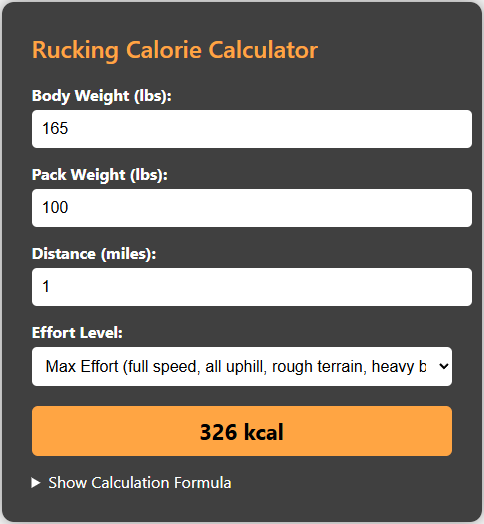
Rucking Weight Loss Calculator preview
Estimate your calorie burn and target weight using the Rucking Weight Loss Calculator.

Final Tips

Your rucksack will shape your workout experience—don’t settle for less. The right fit, hydration, and adjustability will keep you coming back week after week, helping you progress safely and consistently.

Posted in Rucking | Tagged , , , , | Comments Off on Choosing the Right Rucksack for Workout Performance and Comfort

Rucking for Fat Loss: A Practical Approach to Sustainable Weight Loss

Why Rucking Is Effective for Fat Loss

Rucking, or walking with a weighted vest or loaded backpack, is one of the most underrated yet powerful tools for fat loss. Unlike intense HIIT workouts or complex gym routines, rucking allows you to burn calories at an elevated rate without overwhelming your joints or requiring a steep learning curve. As an ISSA-certified personal trainer, I’ve seen first-hand how sustainable, consistent rucking transforms bodies and builds unshakeable endurance.

How Rucking Maximizes Calorie Burn

  • Weighted load increases intensity: Unlike ordinary walking, rucking adds resistance, making each step more taxing and boosting your calorie expenditure—even at a brisk walk.
  • Prolonged duration: Long rucks promote steady-state fat oxidation, ideal for tapping into stored body fat as fuel.
  • Low impact and scalable: Suitable for all fitness levels—you can start with light loads (10–20 lbs) and progress as you feel stronger.

Choosing Your Rucking Gear

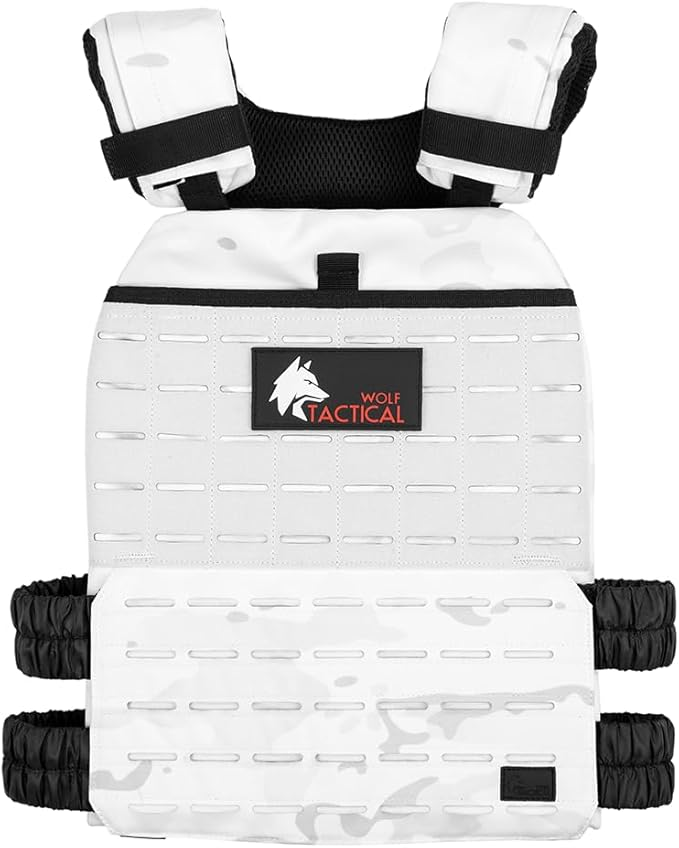
The right gear makes a difference in comfort, safety, and efficiency. Weighted vests like the Wolf Tactical Adjustable Weighted Vest are beginner-friendly and keep weight snug to your torso, minimizing shifting and back strain.

Wolf Tactical Adjustable Weighted Vest for rucking
Wolf Tactical Weighted Vest: Exceptional comfort for fat loss walks and rucks.

If you prefer traditional backpacks, the CamelBak Motherlode 100oz Mil Spec Crux Hydration Backpack combines hydration capability with sturdy weight-carrying capacity—perfect for outdoor fat loss sessions.

CamelBak Motherlode Tactical Hydration Backpack for rucking and fat loss
CamelBak Motherlode: Hydrate while rucking for prolonged fat-burning sessions.

Sample Rucking Fat Loss Routine

  • Warm up with 5–10 minutes of easy walking.
  • Load up a weighted vest or backpack (start between 10–20 lbs).
  • Ruck briskly for 30–45 minutes, aiming for a pace that elevates your heart rate but allows for conversation.
  • Finish with 5 minutes of stretching.

How to Track Progress and Boost Results

Keeping tabs on distance, pace, and calories burned reinforces motivation and helps adjust your routine. You don’t need fancy gadgets, but a simple fitness tracker (like the Apple Watch Ultra 2) can provide valuable feedback, making it easier to stay on target.

Apple Watch Ultra 2 calorie tracking for rucking
Track your calories burned during rucking with Apple Watch Ultra 2.

Calories Burned – Use the Rucking Calorie Calculator

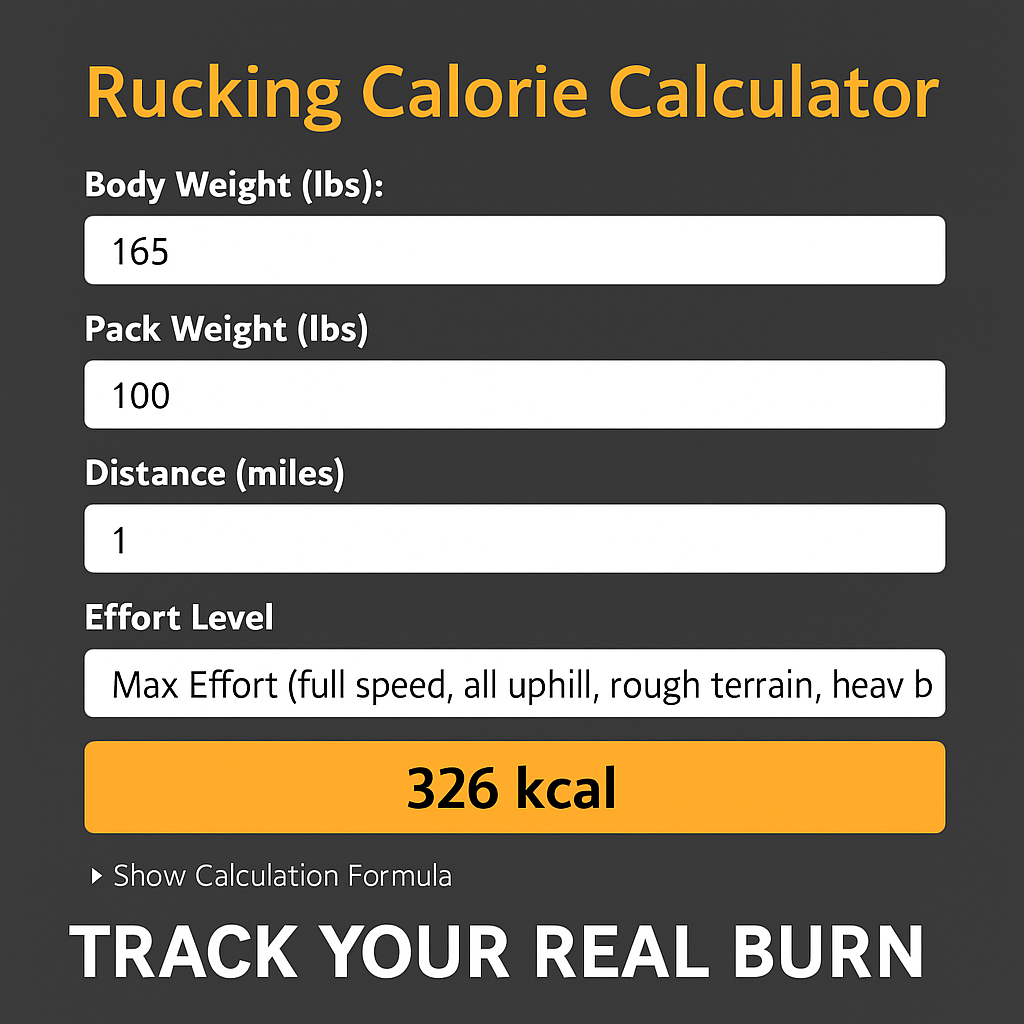
Want to know your precise calorie burn? Try the rucking calorie calculator to estimate calories burned based on weight, ruck load, and distance covered. Tracking your deficit is one of the smartest ways to achieve and maintain fat loss.

Rucking calorie calculator screenshot

Use the rucking calorie calculator now to optimize your fat loss plan.

Posted in Rucking | Tagged , , , , | Comments Off on Rucking for Fat Loss: A Practical Approach to Sustainable Weight Loss

How to Prepare for GORUCK Preselection: Gear, Strategy, and Mindset

Understanding GORUCK Preselection

GORUCK Preselection is one of the toughest endurance events a civilian can sign up for, modeled after the Special Forces Assessment and Selection (SFAS) prep phase. If you’re considering taking on this grueling challenge, preparation is not just optional—it’s essential. Gore, dirt, heavy rucks, endless PT, and mental stress are par for the course. The right physical training, mindset, and gear can mean the difference between finishing and tapping out early.

Training Strategies for GORUCK Preselection

Physical training must focus on a mix of rucking, running, loaded strength work, and relentless PT. Think high-volume time under load, not just distance. Here’s my approach:

  • Progressive weighted rucks: Build up to at least one 10-12 mile ruck (45+ lbs dry) weekly.
  • Interval runs and sprints: Develop run/ruck endurance as Preselection often alternates paces.
  • Ruck PT circuits: Pushups, flutter kicks, bear crawls, and hill sprints—always with your ruck or a weighted vest.
  • Grip and shoulder work: Use farmer carries and overhead ruck holds to toughen up for awkward holds and carries.

Calculator: Know Your Calorie Burn

With the calorie demands of Preselection training, nutrition matters. Know exactly what you’re burning. Use our custom calculator below:

Rucking Calorie Calculator Screenshot

Try the Rucking Calorie Calculator to dial in your fueling for big training days and the event itself.

The Right Gear for GORUCK Preselection

  • GORUCK Rucker 4.0 20L
    GORUCK Rucker 4.0 20L backpack for rucking training
    Built for brutal training with reinforced straps and water resistance, this is my go-to for Preselection prep.

    GORUCK Rucker 4.0 20L is designed for heavy load and rough treatment.

  • Wolf Tactical Adjustable Weighted Vest
    Wolf Tactical Adjustable Weighted Vest for ruck training
    The Wolf Tactical vest distributes load evenly—vital for weighted PT circuits and hill sprints.

    Weighted vests are just as effective as a ruck for building total-body strength.

  • CamelBak Motherlode 100oz Mil Spec Crux Hydration Backpack
    CamelBak Motherlode Tactical Hydration Backpack for long GORUCK events
    Hydration is non-negotiable for long events—this pack keeps you fueled and adjusts to your load.

Mindset: The Real Separator

Physical prep matters, but toughness is mental. GORUCK Preselection will push you past your comfort zone. Train for adversity: wet gear, sand, sleep deprivation, and constant movement. Outlast by staying calm when things go sideways. If you’ve ever quit early, ask yourself why—and train to overcome it.

Final Thoughts

Prep for GORUCK Preselection like you’d prep for battle—meticulous, adaptive, and resilient. Gear up, train smart, and go in knowing your numbers with the rucking calorie calculator above. When in doubt, remember: it’s not supposed to be comfortable. Good luck out there.

Posted in Rucking | Tagged , , , , , | Comments Off on How to Prepare for GORUCK Preselection: Gear, Strategy, and Mindset

Why a Workout Vest Womens Edition is Ideal for Rucking and Weighted Training

Benefits of a Workout Vest Womens Edition for Rucking

Women who want to level up their cardio or rucking journey often find standard gear can feel bulky, uncomfortable, or poorly fitted. Choosing a workout vest womens edition specifically designed for female athletes makes a big difference in comfort, fit, and performance.

Key Features in Women’s Weighted Vests

  • Contoured Fit: Designed for the female torso, providing better weight distribution and minimizing bounce.
  • Adjustable Straps: Ensures a snug fit that doesn’t interfere with movement, perfect for walking, jogging, or interval training.
  • Breathable Fabrics: Keeps you cool during longer rucks or high-intensity workouts.
  • Flexibility in Weight: Swappable weights let you tailor resistance to your exact training needs.

Best Workout Vests for Women

There are several high-quality options on the market, but a few stand out for rucking, walking, and functional workouts.

BAGAIL Adjustable Weighted Vest in pink, ideal for women
The BAGAIL Adjustable Weighted Vest (4–10 lbs, pink) is perfect for women who want a flexible, non-intimidating first vest for walking or rucking.
Pink Wolf Tactical Weighted Vest for women
The Pink Wolf Tactical Weighted Vest is rugged, stylish, and engineered for a woman’s body, great for both walking and more intense rucking sessions.

Why Consider a Women’s Vest Over Unisex Models?

Unisex vests often have a boxy fit, leading to discomfort and chafing. A women’s workout vest offers a tailored design that hugs the body correctly and stays stable even during quick sprints or challenging hills. These vests also tend to offer a sleeker look, often with color choices and designs that make you more likely to keep rucking session after session.

How to Use a Workout Vest for Rucking Success

  • Start Light: Don’t rush heavier weights. Begin with a comfortable load (like 4–8 lbs) and increase only as your body adapts.
  • Focus on Posture: Keep your shoulders back and core engaged for each session.
  • Gradually Add Time: Add 5–10 minutes to your walks each week, letting your muscles and connective tissue adapt to the weighted load.

Maximize Results: Track Calories Burned in Every Ruck

One of the great benefits of rucking with a weighted vest is extra calorie burn. For precise tracking, use the Rucking Calorie Calculator. This helps dial in your training intensity and stay motivated as you progress.

Screenshot of the Rucking Calorie Calculator

Conclusion: Comfort and Consistency

Choosing a workout vest womens edition lets you train harder, more comfortably, and more confidently—especially when tackling new distance or speed goals. Whether you’re going for everyday walking or challenging rucks, pick a vest crafted for women and experience the difference in your endurance and results. Incorporate small weight increases, maintain excellent posture, and stay hydrated—that’s the outdoor-tested way to keep making progress.

Posted in Rucking | Tagged , , , , | Comments Off on Why a Workout Vest Womens Edition is Ideal for Rucking and Weighted Training

How to Ruck Everyday for Steady Progress and Lasting Results

Can You Ruck Everyday?

Rucking every day might sound intense, but it’s a surprisingly sustainable approach to building endurance, strength, and mental grit. With the right strategy, daily rucking can be safe and enjoyable for most people—even beginners—if you listen to your body and adjust your load and pace sensibly.

Benefits of Daily Rucking

  • Consistent calorie burn: Walking with weight every day torches calories and speeds up fat loss.
  • Functional strength: Your body adapts to load, making you stronger for everyday tasks.
  • Mental resilience: Facing the outdoors and committing to a daily challenge builds lasting discipline.
  • Active recovery: Easy-paced rucks on rest days actually boost circulation and help muscles recover.

How to Structure a Daily Ruck Routine

The key is varying load and intensity. Not every ruck should be heavy or hard—a smart rotation might look like:

  • 2–3 heavy/long rucks per week (20–35+ lbs, 1.5+ hours)
  • 2 moderate days (10–20 lbs, 45–60 minutes, brisk pace)
  • 2 easy/recovery days (unweighted or light, short and conversational pace)

This approach prevents overuse, keeps rucking fun, and allows the body to adapt.

What Gear Works Best for Daily Rucking?

The right equipment makes daily rucking more comfortable and sustainable. Weighted vests—like the Wolf Tactical Adjustable Weighted Vest—evenly distribute the load and are easy to put on or take off for quick daily walks. For those preferring a traditional rucksack, the CamelBak Motherlode 100oz Mil Spec Crux Hydration Backpack is a fantastic option, especially for longer rucks needing hydration on the go.

Wolf Tactical Adjustable Weighted Vest for Daily Rucking
Wolf Tactical weighted vests: beginner-friendly comfort for daily rucking routines.
CamelBak Motherlode Hydration Backpack for Rucking
The CamelBak Motherlode offers hydration and adjustable load for everyday walks or hikes.

Tips for Rucking Everyday Successfully

  • Listen to your body: Soreness is normal, but pain signals a need to rest or lighten the load.
  • Alternate routes and terrain: Seek out trails, grass, or city parks for variety and joint relief.
  • Prioritize recovery: Hydrate, stretch, and consider proper nutrition to fuel daily efforts.

Calculate Your Calorie Burn From Daily Rucking

Curious how many calories you’re actually burning when you ruck every day? Use our free calculator to tailor your daily plan and see your true energy output:

Rucking Calorie Calculator screenshot

Try the Rucking Calorie Calculator here to fine-tune your daily energy burn and optimize your progress!

Posted in Rucking | Tagged , , , , | Comments Off on How to Ruck Everyday for Steady Progress and Lasting Results

Practical Ruck Recovery for Hard-Training Outdoor Athletes

Why Ruck Recovery Matters

Rucking—carrying weight in a pack or weighted vest while walking—demands far more from your muscles, joints, and connective tissue than standard walking. For outdoor athletes, adventurers, and anyone using rucking to build strength and endurance, structured recovery is non-negotiable. Well-planned ruck recovery means pushing harder during your next session and avoiding setbacks from overuse or nagging pain.

Post-Ruck Recovery Principles

  • Active Cool Down: Conclude your ruck with a 5–10 minute low-intensity walk. This helps flush out metabolic waste and brings your heart rate down gradually.
  • Hydration: Replace fluids lost through sweat, especially on long or challenging rucks. Aim for at least half a liter per hour during your outing.
  • Mobility and Stretching: Target tight hips, calves, and shoulders (especially for load carriage). Gentle stretching post-ruck reduces stiffness and maintains joint range of motion.
  • Protein and Carbs: Refuel within 60 minutes of your ruck to kickstart muscle repair. Prioritize ~20g of protein and a serving of complex carbs.
  • Sleep: Prioritize 7–9 hours of sleep following hard rucking days. Most muscle recovery and repair happens while you rest.

Essential Recovery Tools & Gear

Using a well-designed rucksack or weighted vest minimizes poor load distribution and reduces injury risk—a critical piece of long-term recovery and progress.

GORUCK Ruck Plate Carrier 3.0 weighted vest for rucking and recovery
The GORUCK Ruck Plate Carrier 3.0 provides stable load on your upper body, helping you maintain posture and reduce strain during and after your ruck.
Wolf Tactical Adjustable Weighted Vest for ruck recovery
The Wolf Tactical Adjustable Weighted Vest is beginner-friendly and supportive for both the ruck and your recovery phase.

How to Recover After a Tough Ruck

  • Contrast Showers: Alternate hot and cold water to stimulate blood flow, relieve tightness, and speed up recovery.
  • Compression Gear: Wearing tight socks or sleeves can decrease swelling after high-mileage rucks.
  • Foam Rolling: Target your calves, quads, and upper back for myofascial release post-ruck.
  • Active Rest: On non-ruck days, do gentle hiking, cycling, or yoga to promote circulation and aid muscle repair.

Track Your Progress

Be honest with your recovery. Undervaluing soreness or persistent aches can halt your progress more than a missed session—especially as volume increases. Use a fitness tracker like the Apple Watch Ultra 2 to monitor heart rate and sleep quality for smarter recovery adjustments.

Boost Fat Loss with Ruck Recovery

Ruck recovery isn’t only about muscle repair—it’s a fat loss tool, too. Recovery allows you to train more consistently and burn more calories over time. Rucking calorie calculator screenshot
Curious how many calories your next ruck (and post-ruck recovery) will burn? Try the Rucking Calorie Calculator for a personalized estimate.

The Bottom Line

Recovery should be as ingrained in your training as your weekly ruck. Prioritize it—you’ll become a tougher, healthier athlete in and out of the pack.

Posted in Rucking | Tagged , , , , , | Comments Off on Practical Ruck Recovery for Hard-Training Outdoor Athletes

Rucking on a Treadmill: Indoor Weighted Walking for Real Results

Why Try Rucking on a Treadmill?

As days get shorter and weather turns unpredictable, rucking on a treadmill becomes a practical strategy for anyone serious about maintaining consistency. Unlike outdoor rucking, treadmills provide a controlled environment, allowing you to adjust incline, speed, and safely train with weighted packs or vests. Whether you’re just starting or preparing for outdoor events, treadmill rucking is a powerful way to build endurance, burn calories, and toughen up your legs and core—rain or shine.

Choosing Your Treadmill Rucking Gear

  • Weighted Vest: For most, a compact option balances weight and comfort. I’m a fan of the Wolf Tactical Adjustable Weighted Vest—secure fit, easy plate changes, and great for beginner or indoor rucking.
Wolf Tactical Adjustable Weighted Vest for treadmill rucking
Wolf Tactical Adjustable Weighted Vest: Ideal for treadmill rucking; adjust weight quickly for progressive overload.
CamelBak Motherlode tactical hydration backpack for treadmill rucking
CamelBak Motherlode: Stable, hydration-compatible, and easy to adjust for indoor ruck sessions.

Setting Up Your Indoor Ruck Workout

  • Incline Matters: Set the treadmill at 4–8% incline to simulate hills and boost caloric burn.
  • Speed: Start at a brisk walk—2.5 to 3.5 mph is ideal when weighted. Let form dictate your pace.
  • Duration: Beginners can start with 20–30 minutes; intermediates can push for 45–60 minutes.
  • Posture: Stay tall, relaxed shoulders, short natural stride. Don’t hang onto the rails.

Hydration and Comfort

Indoor rucking might make you sweat more, so hydrate before, during, and after your session. Use the CamelBak’s compatible bladder or keep a water bottle handy. If you want an extra edge during long rucks, try an endurance support formula—I often use Pump-Ocalypse for electrolytes and stamina support.

Common Mistakes to Avoid

  • Too much weight too soon—start light, progress weekly.
  • Ignoring form: tension in the neck or dead-arming.
  • Not adjusting the vest or pack—low-hanging gear will hurt your back.

Rucking Calorie Calculator

Curious how many extra calories you’re burning on your next treadmill ruck? Use our Rucking Calorie Calculator for a personalized estimate.

Rucking Calorie Calculator screenshot

This tool factors in your weight, ruck load, speed, and duration—perfect for tweaking your indoor ruck for maximum results.

Final Thoughts

Rucking on a treadmill isn’t a shortcut—it’s a reliable way to keep moving forward all year. With the right vest or pack and gradual progress, you’ll see real results in stamina, calorie burn, and strength. If you’re looking for a flexible, weather-proof ruck option, the treadmill delivers every time.

Posted in Rucking | Tagged , , , , | Comments Off on Rucking on a Treadmill: Indoor Weighted Walking for Real Results

Why the Ruck in Military Culture Matters for Training and Health

The Role of Ruck in Military Life

The “ruck” — short for rucksack or ruck march — is a cornerstone of military training. Service members across the Army, Marine Corps, and special forces units regularly take on challenging ruck marches carrying heavy loads, covering distances from a few miles to 20 or more. But why is the ruck in military training such a big deal, and what can civilians learn from it?

What Is a Military Ruck?

At its core, military rucking is carrying a loaded pack (often 35–70 lbs) while marching briskly. This builds physical and mental resilience, conditioning the body for real-world demands. Rucking trains lower body strength, core stability, endurance, and grip. It’s also a test of discipline and fortitude, as the weight wears down muscle and mind over distance.

Benefits of Military-Style Rucking

  • Strength & Endurance: The loaded march works legs, hips, and core like few other workouts.
  • Cardio Fitness: Sustained effort at a brisk pace jacks up calorie burn and cardiovascular adaptation.
  • Mental Grit: Military rucks teach you to push through discomfort, boosting toughness for any challenge life throws at you.
  • Teamwork: Rucking is rarely done solo in the military. Soldiers finish together, which builds camaraderie — a bonus even for group civilian rucks.

Key Gear for Military Ruck

The right equipment makes a huge difference. While military packs are tough, civilians can benefit from using specialized load-carrying gear designed for both comfort and endurance.

CamelBak Motherlode Military Hydration Backpack
CamelBak Motherlode: Durable, hydration ready, and perfect for long and heavy rucks just like the military requires.

The CamelBak Motherlode Tactical Hydration Backpack stands out for its comfort under heavy load, hydration compatibility, and customization. It’s easy to add or remove ruck weight plates, making it highly adaptable for civilian or intermediate ruckers training for their first military-style event.

How to Start Military-Style Rucking Safely

  • Begin light—start with 15–25 lbs, focusing on form before adding weight.
  • Choose rugged trails, sidewalks, or parks to mimic real terrain.
  • Maintain brisk, purposeful pace — the goal is a steady power walk, not a jog.
  • Wear moisture-wicking socks and shoes with strong support to prevent blisters and injuries.

How Many Calories Do You Burn in a Military Ruck?

One of the biggest advantages of military ruck marches: insane calorie burn. Real-world military rucks can torch up to 450–700 calories per hour, depending on pack weight, pace, and terrain.

Screenshot of the rucking calorie calculator tool
Estimate your calorie burn with our Rucking Calorie Calculator.

Get a personalized estimate for your own rucks using our calculator above.

Final Thoughts

The ruck in military training isn’t just about carrying a load – it’s about forging mind and body together in the face of fatigue. If you want a proven, practical way to build resilience, boost conditioning, or just challenge your limits, it’s hard to beat a military-style ruck. With the right gear and steady progression, you can adopt this method, tapping into the same fitness foundation as the world’s best soldiers.

Posted in Rucking | Tagged , , , , | Comments Off on Why the Ruck in Military Culture Matters for Training and Health

How to Choose the Right Weighted Training Vest for Rucking

Why Use a Weighted Training Vest?

If you’re ready to increase calorie burn, endurance, and functional strength, a weighted training vest can be one of the smartest and most adjustable tools you own. Wearing a vest during rucks or fitness walks keeps the load close to your body’s center of gravity, improving comfort and reducing joint stress compared to backpacks.

Benefits of a Weighted Training Vest

  • Even load distribution: Keeps the weight balanced, preventing back strain.
  • Hands-free workout: No straps digging into shoulders or disrupting stride.
  • Versatility: Can be used for walking, rucking, running, and bodyweight strength moves.

Selecting the Best Weighted Vest

When choosing a weighted training vest, look for adjustable weight capacity, a snug but breathable fit, and wide straps to prevent chafing. One standout for rucking and all-day comfort is the Wolf Tactical Adjustable Weighted Vest—built for durability and easy load customization.

Wolf Tactical Adjustable Weighted Vest for rucking
Wolf Tactical Adjustable Weighted Vest: balance, comfort, and flexibility for all fitness levels.

Unlike bulky plate carrier packs, this vest stays secure on sprints, rucks, or gym circuits. Adjustable straps let you tailor the fit and swap out weights as you progress. For those interested in style and a lighter option, the BAGAIL Adjustable Weighted Vest (especially the 4–10 lb, pink model) offers an entry-friendly size:

BAGAIL Adjustable Weighted Vest for walking and beginners
An accessible, comfortable starter vest for weighted walks and light rucking.

Weighted Training Vest vs. Backpack for Rucking

While traditional rucking often means a loaded GORUCK Rucker or plate carrier, the modern weighted vest has gained loyal fans for its ergonomic design and comfort. Vests like the Wolf Tactical Adjustable Weighted Vest distribute mass more evenly—no shifting plates, bouncing straps, or awkward hip tension. For many beginners and experienced ruckers, vests enable longer, pain-free sessions, helping you achieve weekly mileage goals without annoying adjustments mid-ruck.

Who Should Use a Weighted Training Vest?

  • Anyone seeking hands-free cardio or muscular endurance workouts
  • People looking to avoid back pain or excessive shoulder fatigue
  • Folks training for obstacle courses or tactical fitness competitions

Track Your Calorie Burn & Progress

Rucking and weighted walks burn more calories than traditional walking alone. To get a precise estimate of your calorie expenditure with your chosen vest, check out the Rucking Calorie Calculator below:

Rucking Calorie Calculator screenshot
Track your calorie burn with the Rucking Calorie Calculator.

This tool helps dial in energy needs, set targets, and measure progress with any gear configuration.

Final Tips

  • Start light and progress gradually—listen to your joints.
  • Tighten vest straps to minimize slippage, especially during faster rucks.
  • Hydrate and recover: add electrolyte supplements like Pump-Ocalypse pre-workout if tackling longer or hotter sessions.

Whether you’re a beginner or want to push your endurance limits, a well-fitted weighted training vest makes any walking, hiking, or rucking session more rewarding and sustainable.

Posted in Rucking | Tagged , , , , , | Comments Off on How to Choose the Right Weighted Training Vest for Rucking

Rucksack March: How to Train, Gear Up, and Avoid Mistakes

What Is a Rucksack March?

The rucksack march is a foundational endurance exercise in both military and civilian training, involving walking or hiking long distances with a weighted backpack. Whether you’re preparing for a military test, building outdoor fitness, or just challenging yourself, the rucksack march (or ‘ruck march’) improves cardiovascular capacity, strengthens the lower body, and conditions the mind for toughness.

Essential Gear for a Rucksack March

Packs & Load Carriers

  • GORUCK Rucker 4.0: A classic, bombproof pack designed for heavy rucking and all-weather training.
    GORUCK Rucker 4.0 for intense rucksack marches
    Durable build, perfect for heavy and long-distance rucksack marches.
  • CamelBak Motherlode 100oz Mil Spec Crux Hydration Backpack: This pack lets you adjust weight, keeps you hydrated on hot or extended marches, and is versatile for cardio or load-carrying.
    CamelBak Motherlode Hydration Backpack for rucksack march
    Supports hydration and flexible load—ideal for rucksack marches and endurance training.

Weighted Vests for Rucking

  • Wolf Tactical Adjustable Weighted Vest: A beginner-friendly option with adjustable loads for balanced weight distribution, especially helpful for long marches or urban rucking.
    Wolf Tactical Weighted Vest for rucksack march
    Comfortable for sustained loaded walks and adjustable to any fitness level.

Training for a Rucksack March

Start with a moderate distance (2–3 miles) and a manageable load (10–20% of your bodyweight). Gradually increase your pack weight and distance each week. Use uneven terrain, hills, or trails to build stabilizer muscles and stamina. Consistency is key—don’t ramp up load too fast or you’ll risk overuse injuries.

Tips for Success

  • Pace yourself: Keep your march at a brisk walk or light jog, not a sprint.
  • Hydrate regularly—use a hydration pack or stop for water at scheduled intervals.
  • Monitor your feet: Use moisture-wicking socks and footwear with solid support to avoid blisters.
  • Practice under event conditions: If you’re prepping for a timed ruck, train at the pace and load required by the standard.

Common Mistakes to Avoid

  • Carrying too much weight too soon.
  • Ignoring hydration—especially on hot days or long routes.
  • Wearing improper shoes or skipping foot care.
  • Poor pack fit: Always adjust straps and hip belts for your build.

Track Your Calorie Burn for Rucksack Marches

Want to know exactly how many calories you’re burning with each rucksack march? Use our Rucking Calorie Calculator to analyze your workout, optimize your nutrition, and set realistic training goals.

Rucking calorie calculator screenshot

Rucksack Marches for Real-World Fitness

My own journey started with rucksack marches. Whether you’re prepping for a military event, hiking challenge, or just rebuilding your health, a structured ruck march can transform your endurance and grit. In the field or on city streets, there’s no substitute for moving under load—done right, the classic rucksack march can bring out your best.

Posted in Rucking | Tagged , , , , | Comments Off on Rucksack March: How to Train, Gear Up, and Avoid Mistakes