Rucking 101: A Complete Beginner’s Guide

What is Rucking? The Rucking 101 Breakdown

Rucking is simple: walk with weight on your back, usually using a rucksack or weighted vest. Military units have used rucking as a training cornerstone for decades, but you don’t need a military background to reap the rewards.

At its core, rucking ramps up the intensity of ordinary walking, building endurance, strengthening your legs and back, and torching calories while keeping things low-impact. If you want an accessible yet challenging entry into fitness, rucking 101 is your starting line.

Getting Started With Rucking

Essential Gear

5.11 TacTec Trainer Weight Vest
5.11 TacTec: Designed for balanced weight, ideal for new ruckers and challenging enough for veterans.
CamelBak Motherlode Tactical Hydration Backpack
CamelBak Motherlode: Versatile rucksack for hydration, endurance, and variable load-outs.

How Much Weight to Use?

If you’re new, stay conservative—start with 10–15 lbs. The goal is steady, pain-free progress, not exhaustion. As you adapt, increase weight by 5–10 lbs at a time.

Structuring Your First Ruck

  • Frequency: 2–3x per week gives your body time to recover.
  • Duration: 20–40 minutes is plenty for beginners; focus on form.
  • Footwear: Wear sturdy shoes, ideally with some ankle support.
  • Route: Start on flat, walkable terrain; hills can follow once your base is solid.

Health Benefits: Why Rucking is Effective

Rucking’s big benefits come from combining cardio with resistance. It burns more calories than walking, promotes a strong back and legs, and builds real-word endurance that a treadmill just can’t touch. Unlike running, it tends to be kinder on your knees and back, too.

Track Your Calorie Burn

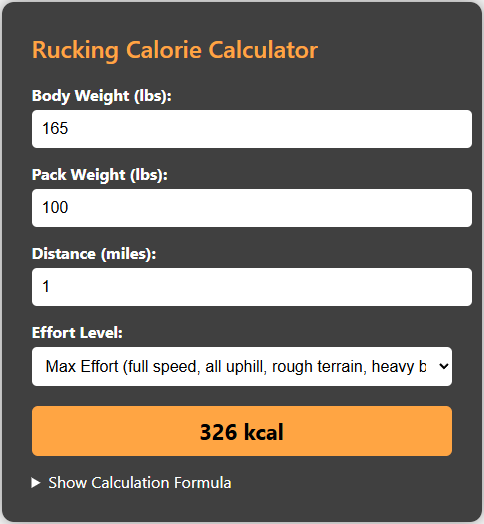
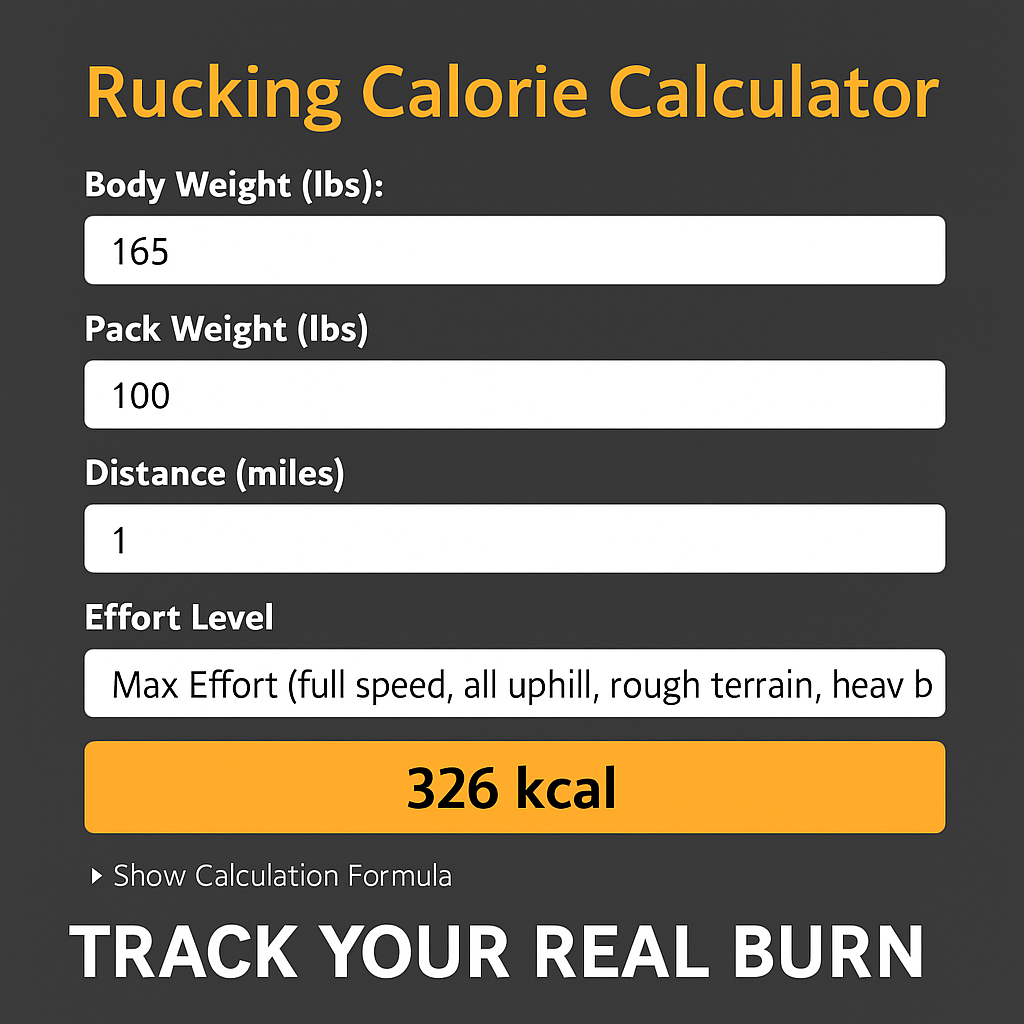
Curious how many calories you’ll torch with a ruck? Use our Rucking Calorie Calculator to get real numbers for your intensity level and weight:

Rucking calorie calculator screenshot

Try the Rucking Calorie Calculator to plan each session and hit your goals faster.

Level Up Your Rucking Game

  1. Focus on posture: Shoulder blades back, ruck snug, head up.
  2. Prioritize hydration: Bring water on every ruck and replenish afterwards.
  3. Progress slowly: Consistency trumps all out efforts.

With smart progressions, rucking isn’t just a military drill—it’s a practical, lifelong habit for fitness and fat loss. Start with these 101 basics and build up as your stamina and confidence grow.

Posted in Rucking | Tagged , , , , | Comments Off on Rucking 101: A Complete Beginner’s Guide

What It Means to Ruck in the Army: Gear, Training, and Lessons for Civilians

Ruck in the Army: A Foundational Training Method

Rucking in the Army isn’t just a test of endurance — it’s a rite of passage. Every branch of the military incorporates rucking (also called loaded marches or tactical foot marches) as a core component of training and mission readiness. A standard army ruck involves carrying a loaded backpack (often weighing 35–65 lbs) across distances ranging from 6 to 20+ miles, on trails, pavement, and rough terrain.

Why the Army Prioritizes Rucking

For soldiers, rucking builds unbeatable functional fitness: stamina, leg and core strength, cardiovascular conditioning, and mental grit. These long-distance marches simulate the load-carrying demands of combat ops, tactical movements, and deployments. Plus, rucking instills teamwork and discipline — no one gets left behind.

Army Rucking Gear: Packs, Plates, and Hydration

  • Packs: Army rucksacks are rugged, often modular, and designed for comfort under heavy loads. For civilians, the CamelBak Motherlode Tactical Hydration Backpack delivers similar durability and supports hydration during long rucks.
    CamelBak Motherlode 100oz Mil Spec Crux Hydration Backpack
    Modular storage, hydration-ready, and tough enough for long hauls.
  • Weighted Vests: Many army-style ruck events now use weighted vests for load balance and core stability. The 5.11 Tactical Unisex TacTec Trainer Weight Vest is comfortable and reliable for sustained efforts.
    5.11 Tactical Unisex TacTec Trainer Weight Vest
    Superior comfort and adjustability for extended ruck marches.
  • Plates & Dumbbells: Loads are typically achieved using weight plates or sandbags inside the pack; using a weighted vest with removable plates is ideal for progressing safely.

How Army Rucks Compare to Civilian Rucking

Military rucks demand strict pace and cadence (typically 15-min miles, no running), terrain navigation, and full uniform. In civilian life, you have more flexibility with pack choice, weight, and distance — but the principles of discipline and progressive overload still apply for fitness gains.

Training Tips Inspired by the Army

  • Start light and practice with multiple distances before increasing your ruck weight.
  • Focus on form: shoulders back, pack tight, strong stride.
  • Stay hydrated — use a bladder-based pack for anything over an hour.
  • Break in your footwear; invest in good socks and manage hotspots early.
  • Train with a group when you can. Nothing motivates like a team ruck.

Track Your Calories Burned on Ruck Marches

Curious how many calories you’re torching during an army-style ruck? Use our rucking calorie calculator for a fast, personalized estimate based on your weight, pace, and load.

Screenshot of the rucking calorie calculator

Lessons from Army Rucking for Real-World Fitness

Whether you’re training for a GoRuck event, prepping for a hiking adventure, or just want to pick up a powerful new habit, rucking like the army builds the foundation for functional strength, fat loss, and rugged mental toughness — no drill sergeant required.

Posted in Rucking | Tagged , , , , | Comments Off on What It Means to Ruck in the Army: Gear, Training, and Lessons for Civilians

Mastering the Ruck Exercise for Total-Body Fitness

What is the Ruck Exercise?

The ruck exercise is a grounded, tough, and incredibly practical way to build endurance, strength, and cardiovascular health by walking or hiking with a loaded backpack or weighted vest. Rather than fancy gym machines, rucking challenges real-world muscles while burning serious calories. This makes it a powerful addition for anyone seeking resilient, functional fitness that works just as well on the trails as it does for everyday life.

How to Start Ruck Exercise

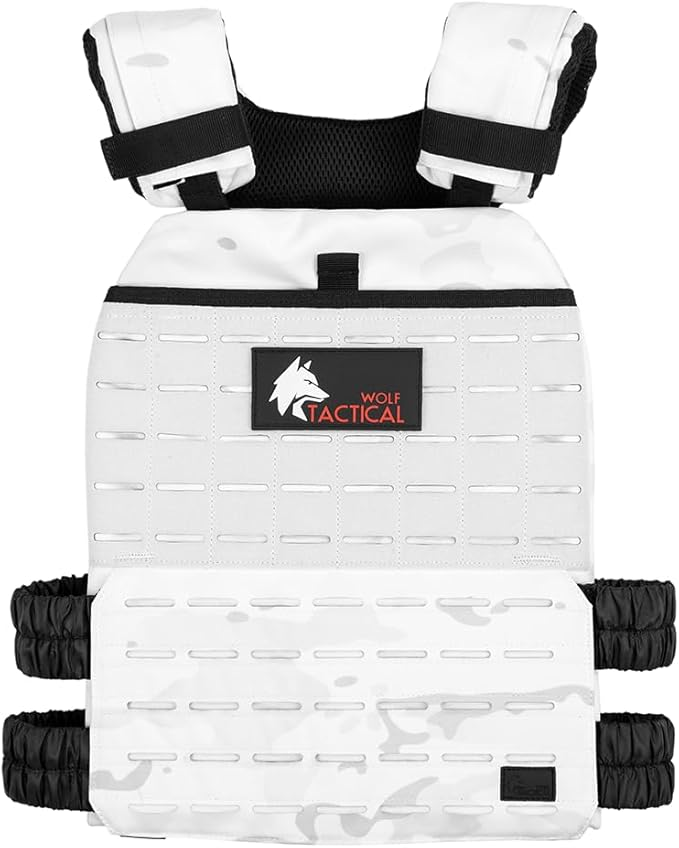
  • Select Your Gear: Choose a sturdy rucksack or a weighted vest like the versatile WOLF TACTICAL Simple Weighted Vest for balanced load and comfort.
  • Pick the Right Weight: Beginners should start with 10–15% of their bodyweight and incrementally build up as fitness improves. For max comfort, adjustable gear like the CamelBak Motherlode Hydration Backpack can be especially useful on longer rucks.
  • Plan Your Route: Opt for flat terrain first; as you adapt, add hills or trails for increased intensity and variety.
Wolf Tactical weighted vest for ruck exercise
Wolf Tactical Weighted Vest: A beginner-friendly way to distribute weight evenly during ruck exercise.

Benefits of the Ruck Exercise

  • Burns More Calories: Increasing your walking load activates more muscle groups and boosts overall energy expenditure.
  • Strengthens Endurance: The additional weight forces your lungs and legs to adapt, enhancing cardiovascular health.
  • Improves Posture: Weight on your back or vest cues better alignment and stability with every step.
  • Builds Mental Toughness: Rucking teaches discipline and grit, traits that transfer to every domain of fitness and daily life.
  • Versatile for All Levels: Ruck exercises can be dialed up or down—adjust the weight, swap your vest for a pack, and choose new terrain challenges each week.
CamelBak Motherlode Hydration pack with adjustable load for ruck exercise
CamelBak Motherlode: Stay hydrated and adjust your load for long ruck sessions.

Sample Ruck Exercise Routine

  • Warm up: 5 minutes of dynamic stretching
  • Ruck walk: 30–60 minutes at a brisk pace (add hills or stairs for challenge)
  • Optional: Add short intervals of bodyweight movements (squats, lunges, pushups) every 10–15 minutes
  • Cool down: 5-10 minutes of slow walking and static stretching

Track Your Progress

Use a fitness tracker or even your phone’s GPS to record distance, pace, and calories burned. For weighted exercises, increase the load safely and gradually. You’ll see improvements in stamina, muscle definition, and posture within weeks.

How Many Calories Does Ruck Exercise Burn?

The actual number depends on your weight, pack load, pace, and terrain, but you can expect a substantial uptick compared to regular walks. Use our free calculator to estimate your calorie burn per session:

Rucking Calorie Calculator screenshot
Estimate your calorie burn from any ruck workout using our calculator.

Try the free Rucking Calorie Calculator now →

Make Rucking Part of Your Routine

You don’t need fads or complicated programming—just consistency and gradually increased weight or distance. Whether you’re using a weighted vest or rugged hiking pack, ruck exercise builds a durable, lean, and athletic body ready for anything.

Posted in Rucking | Tagged , , , , | Comments Off on Mastering the Ruck Exercise for Total-Body Fitness

Rucking Fat Loss: How Weighted Walking Burns Stubborn Body Fat

Why Rucking Is So Effective for Fat Loss

If you’re seeking a practical, no-gimmicks way to drop body fat, rucking delivers. Simply put: rucking combines brisk walking with a weighted backpack or vest, challenging your entire metabolism. The added resistance of a weighted vest or rucksack means you burn significantly more calories than walking unweighted—making rucking one of the most efficient fat loss tools for real people in the real world.

  • Elevates calorie burn by 30% or more over regular walking
  • Activates your core, back, legs, and shoulders
  • Low-impact: easy on joints compared to running
  • Adaptable to all fitness levels and age groups

How Much Fat Can Rucking Help You Lose?

Fat loss boils down to calories burned vs. calories consumed. Rucking lets you increase your daily burn without requiring extreme diets or high-impact cardio. For a 180-lb person, a moderately paced 45-minute ruck with 20 lbs can torch up to 400 calories—a meaningful daily deficit when paired with basic nutrition discipline.

Consistency is the key. Rucking several times a week, even for shorter durations, creates a sustainable path to fat loss. The best results come from pairing rucking with smart eating habits—not relying on workouts alone.

Calculator: See Your Own Numbers

For a personalized estimate of rucking calories and fat loss potential, check out our Rucking Weight Loss Calculator.

Rucking Weight Loss Calculator screenshot

Gear Up for Maximum Fat Burn

Your gear choices matter. A quality vest or rucksack distributes weight evenly and lets you scale resistance as you lose fat and get stronger. For steady progress, I recommend the WOLF TACTICAL Simple Weighted Vest (Men/Women) for comfort and easy weight adjustments:

Wolf Tactical weighted vest for rucking fat loss
Comfortable, adjustable fit ideal for rucking and sustained fat loss routines.

Prefer a backpack? The CamelBak Motherlode Tactical Hydration Backpack keeps you hydrated during long sessions, plus lets you add or remove plates as needed.

CamelBak Motherlode backpack for rucking fat loss
Hydration and adjustable load—ideal for effective, sustained fat-burning rucks.

Real Results: How Rucking Changed My Life

I’m Preston Shamblen, founder of How to Ruck and an ISSA-certified personal trainer. I lost 90 lbs using rucking, strength training, and disciplined nutrition. Rucking remains my go-to for maintaining lower body weight and fighting off stubborn fat. Anyone can start—just add a little weight and start moving.

Preston Shamblen before and after 90 lb weight loss through rucking
Preston Shamblen’s 90 lb transformation achieved through consistent rucking and strength training.

Practical Rucking Fat Loss Tips

  • Start light—add 10–20 lbs at first
  • Ruck 3–4 times a week for 30–60 minutes
  • Focus on nutrition: rucking maximizes results, but food choices matter
  • Track your progress and increase weight as you get fitter

Get outside, stay consistent, and watch the fat come off—no fads or shortcuts needed.

Posted in Rucking | Tagged , , , , | Comments Off on Rucking Fat Loss: How Weighted Walking Burns Stubborn Body Fat

Treadmill Rucking: How to Maximize Indoor Weighted Walks

What Is Treadmill Rucking?

Treadmill rucking is the practice of walking on a treadmill while carrying a weighted pack or using a weighted vest. It’s a powerful alternative when outdoor conditions are poor, you’re limited on time, or want to control incline and pacing with precision. By adding weight, treadmill sessions become efficient full-body workouts—improving cardiovascular endurance, leg strength, and calorie burn far beyond regular walking.

Key Benefits of Treadmill Rucking

  • Year-round consistency – No more skipped rucks due to rain, snow, or heatwaves.
  • Manual control – Adjust speed and incline to perfectly suit your fitness goals.
  • Low-impact – Treadmill shock absorption protects joints during heavier sessions.
  • Superior fat loss – Adding weight increases total energy expenditure per minute.

Why Not Just Walk or Run?

Adding resistance to treadmill walks simulates outdoor rucking’s demands, supports muscle retention, and offers a safer alternative for those concerned about outdoor hazards. Even a modest load—like a 10–20 lb Wolf Tactical Adjustable Weighted Vest—dramatically boosts intensity compared to walking alone.

Wolf Tactical Adjustable Weighted Vest for treadmill rucking
Wolf Tactical Weighted Vest: Even load, perfect for treadmills and home training.

Choosing Your Indoor Rucking Load

Start with 5–10% of your body weight if you’re new to rucking. Progress once your legs and back adjust. Treadmills are ideal for controlled experimentation—try a Wolf Tactical Weight Vest Plate pair if you want easy load increments.

Wolf Tactical Weight Vest Plates for home rucking
Wolf Tactical Weight Vest Plates: Easily adjustable and suitable for all vest brands.

Example Treadmill Rucking Workout

  • Warm up: 5 minutes walking, no weight
  • Load up: 20–30 minutes brisk walk, incline 3–6%, moderate weight
  • Cool down: 5 minutes sans weight at slow pace

Calorie Burn: How Much Can You Expect?

Weighted treadmill workouts burn calories much faster than regular walking. Curious how much? Check out our interactive calorie calculator below to estimate your individual burn by weight, pace, and pack load. Plan your rucking sessions with science, not guesswork!

Rucking calorie calculator screenshot

Try the Rucking Calorie Calculator now »

Best Gear for Treadmill Rucking

BAGAIL Adjustable Weighted Vest for women and beginners
BAGAIL Adjustable Weighted Vest: Perfect for treadmill rucking beginners or light home sessions.

Tips for Effective and Safe Treadmill Rucking

  • Start light, focus on posture and walking mechanics
  • Use treadmill handrails only for balance—not support—when under load
  • Hydrate before, during, and after sessions
  • Vary incline for training variety and improved muscle recruitment
  • Track your progress (weight, duration, pace) for continued improvement

Rucking on a treadmill is an unbeatable way to keep up your training when outdoor miles aren’t possible. Get your pack or vest, lace up, and put the work in—rain or shine, you’re covered!

Posted in Rucking | Tagged , , , , | Comments Off on Treadmill Rucking: How to Maximize Indoor Weighted Walks

Rucking with 100 lbs: Advanced Strength and Endurance Strategy

Rucking with 100 lbs: Who Should Try It?

Rucking with 100 lbs isn’t for the faint of heart. This level of weight carries significant physical demands and is typically reserved for advanced athletes, tactical professionals, military personnel, or those training for extreme endurance events. If you’re considering adding this much weight to your ruck, you should already have months (or years) of solid rucking experience, a robust strength base, and no unresolved joint or back issues.

Physical Demands of 100 lb Rucking

Carrying 100 lbs on your back while covering distance substantially amplifies the challenge of weighted walking. Expect increased stress on knees, hips, lower back, feet, and shoulders. Your core, traps, and grip will be tested with every step. Rucking this heavy is a full-body endeavor and will push your cardiovascular system just as hard as your musculoskeletal system.

  • Joint and spine load increases exponentially
  • Risk of blisters, hot spots, and under-load soreness
  • Major calorie expenditure and hydration needs

Best Gear for Rucking with 100 lbs

At this advanced weight, gear quality and fit become crucial. Standard school backpacks or light vests won’t cut it. You’ll need equipment designed for heavy, stable load carriage, thick shoulder padding, secure plates, and reinforced stitching.


Kensui EZ-VEST MAX V2 for extreme rucking loads
The Kensui EZ-VEST® MAX V2 handles loads up to 300 lb—perfect for extreme ruck sessions.

The Kensui EZ-VEST® MAX V2 is my go-to for max-weight training, capable of safely securing absurd loads directly on the torso for unmatched stability. For extended marches, the CamelBak Motherlode supports 100 lb with its reinforced build and lets you adjust hydration and equipment for marathon-length rucks.


CamelBak Motherlode Tactical Hydration Backpack for heavy loads
Pack up to 100 lb—plus water—safely carrying gear with the CamelBak Motherlode Tactical Hydration Backpack.

Training Recommendations

  • Work up gradually: Don’t jump from 50 lb to 100 lb overnight. Increase weight incrementally in 10 lb intervals.
  • Prioritize posture and core: Fatigue at high loads often triggers sloppy gait and slumped shoulders. Focus on trunk engagement and tight lacing.
  • Maximize recovery: Heavy rucks are stressful. Prioritize hydration, sleep, and mobility work post-session.
  • Monitor form: Use mirrors or video. Listen to warning aches and back off at signs of sharp pain.

Fueling and Hydration for Heavy Loads

Burning 700-1300 extra calories per hour is common when rucking heavy. Hydration is even more critical under big weight and sweat loads. For long sessions, supplement electrolytes and protein.

Estimate Your Calorie Burn

Want to know exactly how many calories you’ll blast rucking with 100 lbs? Try my Rucking Calorie Calculator for personalized numbers.


Rucking calorie calculator screenshot

Final Thoughts

If you’re chasing the cutting edge of rucking performance, moving with 100 lbs is a serious feat that demands planning and discipline. Dial in your gear, ramp up intelligently, and always train smart.

Posted in Rucking | Tagged , , , , , | Comments Off on Rucking with 100 lbs: Advanced Strength and Endurance Strategy

What Makes a Hyper Vest Effective for Rucking?

Understanding the Hyper Vest for Rucking

If you’re getting serious about rucking, a hyper vest can be a game changer. Unlike a traditional weighted backpack, the hyper vest is designed to distribute weight evenly around your torso, making every ruck more comfortable and effective. But what exactly is a hyper vest and why do so many trainers recommend it for improving both strength and endurance?

What Is a Hyper Vest?

A hyper vest is a high-performance weighted vest built for maximum comfort, breathability, and load distribution. Rather than shifting and bouncing, the snug fit keeps the load close to your core. This is perfect for outdoor training, trail walks, and urban rucks where agility matters just as much as power.

  • Load Balance: A good hyper vest offers precise weight placement, which greatly reduces strain on your shoulders and back.
  • Breathability: Most models are made from materials that wick moisture and encourage airflow, even with heavier loads.
  • Natural Movement: Because weight is balanced and the vest doesn’t restrict movement, your stride and posture stay natural and strong.

For many ruckers, this type of vest can reduce injury risk compared to an overloaded backpack — especially when rucking several times per week.

Benefits in Everyday Ruck Training

Adding a hyper vest to your routine means:

  • Hands-Free Training: Ruck without worrying about your pack shifting or straps digging in.
  • Versatile Workouts: Use the hyper vest for HIIT, weighted runs, calisthenics, or traditional rucks.
  • Improved Posture & Core Activation: The posture corrections from a weighted vest carry over to strength gains in other activities.

Best Weighted Vest Alternatives

Not every rucker needs the most advanced vest right away. Gear like the Wolf Tactical Adjustable Weighted Vest and the 5.11 Tactical Unisex TacTec Trainer Weight Vest offer incredible durability, a snug fit, and weight customizability for daily training:

Wolf Tactical Adjustable Weighted Vest for rucking
Wolf Tactical Adjustable Weighted Vest: Secure, comfortable, ideal for all fitness levels.
5.11 Tactical Unisex TacTec Trainer Weight Vest for rucking
5.11 TacTec: Industry gold standard for professional rucking and functional training.

If your focus is heavy training and progressive overload, consider the Kensui EZ-VEST® MAX V2, which can load up to 300 lbs and shifts easily between ruck training and strength sets:

Kensui EZ-VEST MAX V2 heavy load weighted vest
Kensui EZ-VEST® MAX V2: Perfect for heavy, versatile ruck and strength workouts.

Optimizing Fat Burn with a Hyper Vest

Wearing a hyper vest increases your calorie burn — sometimes by 25% or more compared to unweighted walking. Ruckers aiming for consistent fat loss or next-level conditioning should track metrics like distance, speed, and weight. Want precise numbers? Use the Rucking Calorie Calculator to estimate your calorie expenditure each ruck session.

Rucking calorie calculator screenshot
Calculate your rucking calorie burn instantly.

Final Thoughts

A quality hyper vest empowers every rucker to challenge themselves, safely scale intensity, and reach ambitious strength or weight loss goals. Pair even loading, durable gear, and accurate tracking for best results.

Posted in Rucking | Tagged , , , , | Comments Off on What Makes a Hyper Vest Effective for Rucking?

How to Get the Most from Your TacTec Trainer Weight Vest

Why the TacTec Trainer Weight Vest Stands Out for Rucking and Training

Among a crowded field of weighted vests, the 5.11 Tactical Unisex TacTec Trainer Weight Vest has become a serious favorite for those seeking versatile, comfortable loadable gear for rucking, weighted walking, and bodyweight training. If you’re looking to maximize every session—on the street, trails, or at home—understanding how to select, wear, and program workouts with the TacTec makes all the difference.

5.11 TacTec Trainer Weight Vest for rucking and training
5.11 TacTec allows easy weight adjustment, superior airflow, and unbeatable durability for rucking and functional fitness.

Key Features of the 5.11 TacTec Trainer Weight Vest

  • Comfort-first design: Ergonomic shoulder padding and a low-profile fit reduce irritation during long walks or runs.
  • Adjustable weight: Compatible with standard vest plates, letting you fine-tune the load for your needs.
  • Superior breathability: Perforated mesh and ventilation channels mean less sweat, even during high-intensity rucks or summer heat.
  • Secure fit: Its quick-adjust system keeps the vest snug, whether you’re doing push-ups or hiking hills.

Programming Workouts with the TacTec Vest

Whether you’re a beginner or training for selection, the TacTec Trainer Weight Vest is a solid foundation for:

  • Classic rucking: Throw 10–30 lbs in the vest and hit the trail. Walking with load improves posture and burns significant calories.
  • Interval training: Rotate short ruck intervals with sets of push-ups, air squats, or lunges—perfect for building endurance and strength.
  • Home bodyweight work: Use the vest for pull-ups, burpees, and planks to amplify any calisthenics routine.

Choosing the Best Plates for the TacTec Vest

True versatility comes with choosing the right weight plates. I recommend pairing the TacTec with WOLF TACTICAL Weight Vest Plates for balanced load and easy swaps during progressive training. For those who prefer a straightforward start, Yes4All Ruck Weight Plate also fits most weighted vests and delivers great value.

WOLF TACTICAL Weight Vest Plates compatible with TacTec
Swap out WOLF TACTICAL Plates to fine-tune your load for each ruck or workout.

Design Matters: Comfort and Durability on Longer Sessions

Traditional backpacks often chafe or dig in during longer rucks. The TacTec solves this with generous padding and minimal excess material, letting you move naturally without risking hotspots or raw shoulders. The MOLLE webbing also gives you gear flexibility: add pouches, med kits, or hydration without feeling cluttered.

Ready to Start? Track Your Burn With Our Calorie Calculator

Once you dial in your vest setup, tracking true calorie output is where you start seeing improvements. Use our free rucking calorie calculator to see how much energy you’re burning on every session:

Rucking calorie calculator screenshot
Find out how many calories you burn rucking with the TacTec vest—click for the calculator.

The right vest keeps you motivated, consistent, and comfortable. Invest smart, choose proven gear, and track your performance over time for real results.

Posted in Rucking | Tagged , , , | Comments Off on How to Get the Most from Your TacTec Trainer Weight Vest

Ruck Training for Beginners: Your First Steps to Fitness

Why Ruck Training Is Ideal for Beginners

If you’re looking for an efficient, practical, and outdoor-based path to fitness, ruck training for beginners is one of the best places to start. Rucking—walking with a loaded backpack or weighted vest—builds strength, endurance, and burns serious calories without the impact of running. Best of all, it’s scalable and accessible for nearly everyone.

The Basics: What You Need

  • Backpack or Rucksack: Start with what you have, but purpose-built rucking gear, like the GORUCK Rucker 4.0 20L, offers unmatched durability and comfort.
    GORUCK Rucker 4.0 20L backpack for ruck training
    Sturdy, beginner-friendly, and built for real training demands.
  • Weighted Vest: Options like the Wolf Tactical Adjustable Weighted Vest are comfortable, adjustable, and let you progress safely.
    Wolf Tactical Weighted Vest for rucking
    Distributes weight evenly and lets you increase load as you get stronger.
  • Water and Hydration Gear: For anything longer than a stroll, hydration is a must. The CamelBak Motherlode Hydration Backpack is perfect.
    CamelBak Motherlode Hydration Backpack rucking beginner
    Lets you stay hydrated and adjust your training load with ease.

How to Start Ruck Training (Step-by-Step)

  1. Start Light: 10-15 lb is more than enough for your first ruck. Use books, bricks, or weight plates in your pack or vest.
  2. Short Walks First: Begin with 1–2 mile walks on flat terrain. Focus on good posture: stand tall, shoulders back, moderate pace.
  3. Progress Gradually: Add distance and weight in small increments. Only go heavier when your current load feels easy and your form is solid.
  4. Listen to Your Body: Joint or back pain means you should back off and reset to a lighter load. Soreness and a healthy fatigue is expected, not sharp pain.

Common Beginner Questions

Do I need special shoes?

You don’t need boots to start. Any supportive walking or trail shoe is fine for most beginners. Gradually explore tougher terrain as your fitness improves.

Is ruck training good for weight loss?

Yes, and it’s one of the most sustainable fat-loss training options. Want to estimate how many calories you burn per ruck? Use our free calculator below.
Rucking Calorie Calculator Screenshot

Tips for Staying Consistent

  • Start with set days/times each week for your rucks.
  • Invite friends or join online rucking groups for accountability.
  • Always track your distance, weight, and time (a simple notepad or smart watch is enough).

Ruck training for beginners is truly accessible and grows with you. Get started with simple, safe gear and a solid plan—and you’ll find yourself stronger, leaner, and more capable in no time.

Posted in Rucking | Tagged , , , , , | Comments Off on Ruck Training for Beginners: Your First Steps to Fitness

GORUCK Training: Build Strength and Endurance with Rucking

Optimize Your GORUCK Training for Real Results

GORUCK training is more than just a walk with a heavy pack – it’s a functional way to build real-world strength and endurance. Whether you’re preparing for a GORUCK Challenge or simply want to elevate your conditioning, structured rucking sessions will get you there. Let’s dive into effective strategies, gear essentials, and actionable tips for both beginners and experienced ruckers.

Essential Elements of GORUCK Training

  • Progressive Overload: Gradually add weight and distance. Start with 10-20% of your bodyweight in your pack.
  • Proper Gear: Quality rucksacks and dedicated weight plates reduce injury risk and improve comfort.
  • Consistency: Ruck 2-3 times per week, mixing distance hikes, speed rucks, and hill work.
  • Recovery: Hydrate, stretch, and block rest days – joint and back health are essential.

Gear Up for GORUCK Events

For efficient training, choose a proven pack like the GORUCK Rucker 4.0 20L. Its durability and comfort make a difference on longer routes.

GORUCK Rucker 4.0 20L pack for rucking
GORUCK Rucker 4.0 20L: Built for demanding ruck training and events.

Pair your ruck with a Yes4All Ruck Weight Plate for balanced load and reliable fit.

Yes4All Weight Plate for rucking pack
Yes4All Plate: Turn any pack into a training tool.

Track Your Progress and Calorie Burn

Understanding your calorie expenditure helps dial in your training and nutrition. Use our Rucking Calorie Calculator to estimate your burn per session, and try our Rucking Weight Loss Calculator to set transformational goals.

Sample Weekly Schedule

  • Monday: 3 miles, moderate pace, 20 lb pack
  • Wednesday: 2 miles, intervals (brisk, slow), hill terrain
  • Saturday: 5 miles, steady pace, event-weight pack

Ready to maximize your rucking journey? Equip yourself, train smart, and set new PRs with GORUCK training philosophies.

Posted in Rucking | Tagged , , , , | Comments Off on GORUCK Training: Build Strength and Endurance with Rucking