Rucking—walking with a weighted backpack—offers seniors a low-impact and highly effective path to better health. Unlike intense cardio, it builds strength and endurance while safeguarding joints, making it ideal for all experience levels. Start with light weight, focusing on form first. The enjoyable outdoor environment boosts mood, balance, and social interaction.
Getting Started Safely
Consult your healthcare provider before beginning any new exercise.
Choose a safe, even path to minimize trip hazards.
Begin with a light pack (5–10 lbs) and increase slowly as strength improves.
Use supportive shoes and stay hydrated.
Sturdy and comfortable—the GORUCK Rucker 4.0 20L is perfect for safe senior rucking.
Gradually add weight with small increments; consider starting with a book or water bottles, then transitioning to purpose-made Yes4All Ruck Weight Plates for portability and safety. Remember to focus on upright posture and controlled steps.
Convenient, compact loading—add plates as you get stronger.
Track Progress and Stay Motivated
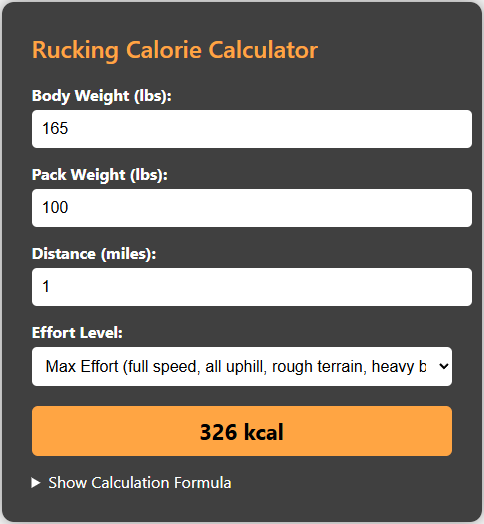
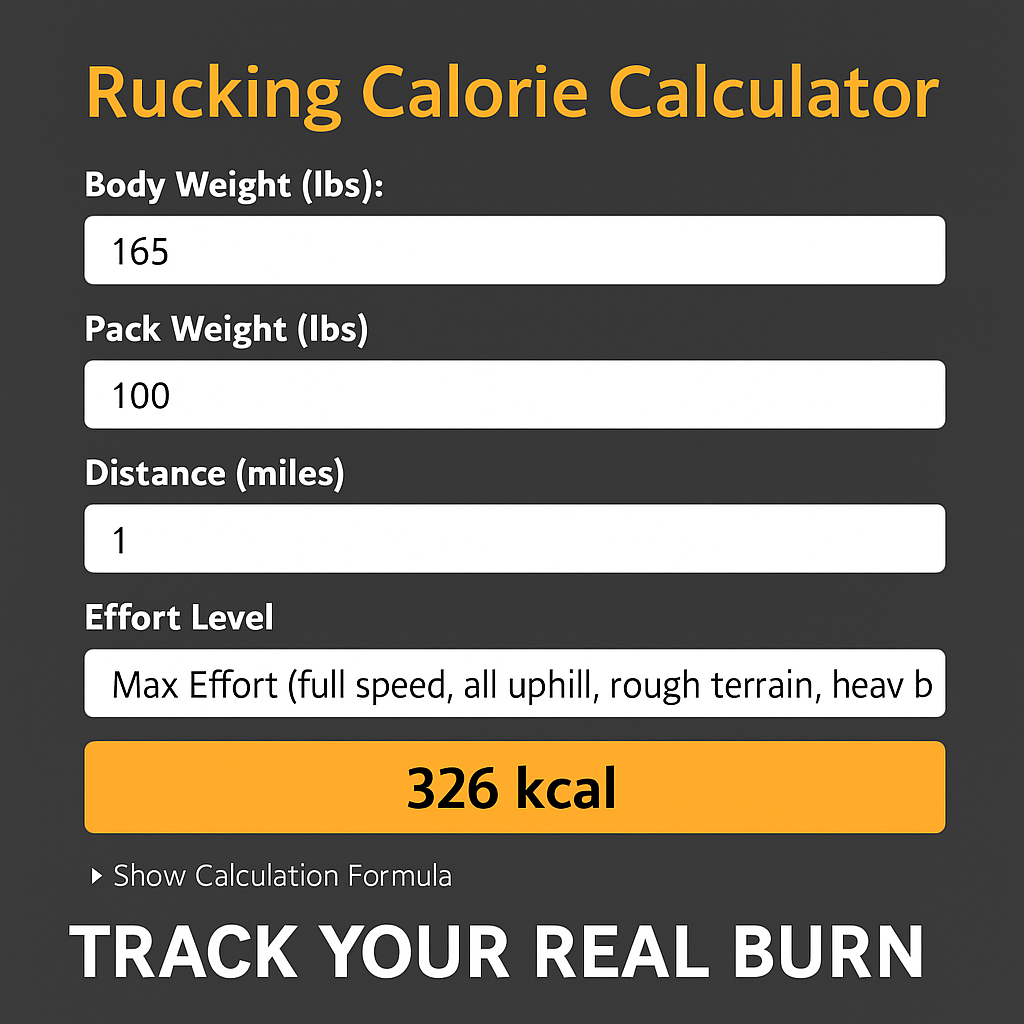
Monitoring calories burned helps seniors pace their progress and stay motivated. Try the Rucking Calorie Calculator to gauge how much you burn per session:
Track your calorie burn with the Rucking Calorie Calculator.
Estimate ruck-based fat loss with the Rucking Weight Loss Calculator.
Stay Consistent and Enjoy the Journey
Begin with short walks and gradually increase distance as your confidence grows. Rucking with a friend makes it even better for mental well-being and safety. Embrace the outdoors, take it at your own pace, and watch your health transform step by step.
Ruck walking, also known as rucking, is the practice of walking while carrying extra weight in a backpack, vest, or pack. It combines low-impact cardiovascular exercise with strength training, delivering a workout that improves endurance, leg and core strength, and aerobic capacity. Ruck walking is accessible for nearly everyone—no fancy gym equipment required, just a sturdy pack or a weighted vest.
Key Benefits of Ruck Walking
Full-body strength: Adding weight requires your body to stabilize and strengthen core, upper-back, and leg muscles.
Calorie burn: Carrying even a modest load significantly increases your energy burn compared to regular walking.
Practical cardio: Simulates real-world load carriage, a functional skill for hiking and emergency preparation.
Low barrier to entry: Start with any backpack you have, or upgrade to a vest or specialized ruck pack for greater comfort.
Getting Started with Ruck Walking
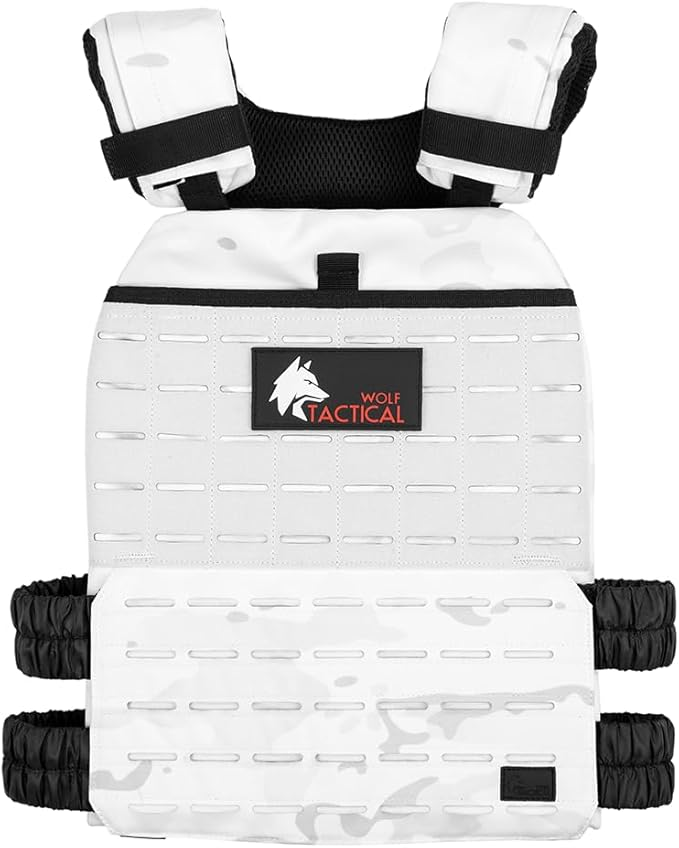
Begin by choosing your load. Most beginners start with 10–20 lbs. For optimal comfort and joint safety, distribute weight close to your body—either high in your pack or using a Wolf Tactical Adjustable Weighted Vest for even weight distribution across your torso.
Wolf Tactical Weighted Vest: Comfortable, balanced load for ruck walks of any length or fitness level.
CamelBak Motherlode: Stay hydrated and comfortable on long ruck walks, with room to add or remove weight.
How to Structure Your Ruck Walking Workouts
Start small: 20–30 minute walks, 10–20 lbs, 2–3 days per week.
Progressive overload: Gradually add 5 lb increments or increase walk time as your endurance and strength improve.
Footwear: Use supportive shoes or boots to avoid joint discomfort, especially when adding more weight.
Route selection: Begin on flat, predictable ground; add hills or trails for increased challenge and joint stability training.
Why Consistency Matters
Like any fitness practice, long-term consistency is key. Ruck walking allows you to absorb the intensity of running with less joint strain, while still burning more calories than regular walking. It’s accessible, scalable, and can fit into busy schedules.
Track Calories Burned with Our Rucking Calorie Calculator
Knowing exactly how many calories you’re burning is crucial for tracking progress, especially if weight loss is your goal. Try our free calorie calculator below and see how your ruck walks add up:
Whether you’re an outdoor enthusiast or just looking for a new, effective fitness habit, ruck walking delivers. Invest in quality gear like the Wolf Tactical Weighted Vest or CamelBak Motherlode Backpack, stay consistent, and watch your endurance and strength grow.
Rucking is more than just walking with a weighted pack or vest—it’s a full-body workout merging strength, endurance, and mental grit. When you ruck, you’re intentionally carrying extra weight, usually in a rucksack or weighted vest, and heading outdoors for a purposeful walk or hike. It’s accessible to anyone, scalable for all fitness levels, and instantaneously turns a walk into a functional, calorie-melting session.
How to Start Rucking
Pick Your Weight: Beginners should start with 10–20 lbs, using household items in a sturdy backpack or a purpose-built weighted vest.
Select Your Course: Choose flat, familiar routes early on. Parks, greenways, and sidewalks are all fair game.
Set Your Pace: Ruck at a pace brisk enough to challenge your breathing, but not so hard you can’t hold a conversation.
Gear Recommendations: Vest vs. Backpack
How you ruck depends a great deal on what you use to carry the load. A weighted vest distributes weight evenly and feels natural—especially for beginners, or anyone sensitive to pack discomfort. For longer rucks or those seeking a military-inspired challenge, a ruck sack or specialized tactical backpack is your ticket.
Whether you’re looking for a fresh take on cardio or want to ramp up your outdoor training, rucking offers unmatched flexibility and real-world results. All it takes is commitment, a good vest or pack, and a willingness to challenge yourself with each step you take. Get started, stay consistent, and you’ll quickly see why so many swear by the rucker’s path.
The art of rucking lies at the heart of effective outdoor training. For anyone seeking serious conditioning, fat loss, or functional endurance, it’s more than just walking with weight—it’s about building real resilience and developing a sharper connection between your body and the terrain.
Why Rucking Outshines Traditional Cardio
Rucking is the ultimate blend of strength and endurance. By adding load to your walk, you engage major muscle groups, improve posture, and elevate your heart rate far beyond what standard walking provides. That translates to more calories burned per hour, a stronger back and core, and less wear-and-tear on your joints compared to running. Proper rucking also teaches pacing—true endurance built mile by mile, not through reckless speed.
The Essentials of Good Rucking Form
Keep your shoulders back and down: Avoid hunching, and keep the load tight to your spine.
Engage your core: Your midsection should feel braced, not loose or slouched.
Land midfoot: Strike the ground with a strong, rolling gait to absorb impact efficiently.
Use a quality pack or vest: Pay attention to fit and comfort—blisters or shifting weight means your system isn’t dialed in yet.
Building Your Rucking Setup
Not all load-carrying gear is created equal. Whether you’re urban rucking or hiking trails, the right equipment matters:
Efficient load distribution for urban rucking or field training.
Weighted vests like the Wolf Tactical Adjustable Weighted Vest offer flexibility in weight and fit, making them ideal for those prioritizing stability and comfort over long distances or in training circuits.
Optimal comfort and adjustability for rucking sessions.
Long-duration hydration and adaptive weight for ruckers aiming for distance.
Why Rucking Works for Endurance, Strength, and Fat Loss
Rucking is unique in that it allows you to scale resistance while maintaining long periods of steady effort. This drives sustainable fat loss and improves real-world stamina. Instead of aiming purely for speed, start with moderate loads (10–20% of your body weight) and ramp up as your posture and gait remain strong. Stay consistent—skill and endurance develop best through frequency, not burnout.
Calculate How Many Calories You Burn Rucking
Understanding the calories you burn while rucking helps refine your training approach. Use the Rucking Calorie Calculator to adjust your load, distance, and pace for optimal fat loss or endurance:
The Art of Progression
The true art of rucking comes in knowing how to breed consistency while steadily demanding more from your mind and muscles. Whether you’re after weight management or tactical toughness, improvement is about progression: Add a bit more distance, a few extra pounds, and a challenge for yourself every week or month.
If you invest in building the art of rucking into your fitness plan, you’ll gain more than just muscle: you’ll build real-world endurance and tenacity that translates everywhere. Stay focused, dial in your form, and enjoy every mile.
Special Forces rucking pushes endurance, load management, and mental toughness in ways most civilian training programs don’t. Whether preparing for selection or looking to toughen up your conditioning, understanding how elite military rucking differs helps you build a smarter program and avoid injury.
Core Elements of Special Forces Rucking
Weight: Loads often range from 45–70 lbs, including gear, water, and sometimes sandbags or simulated weaponry.
Pace: The goal is a fast walk—roughly 15 minutes per mile, even with heavy loads over rough terrain.
Distance & Duration: Rucks regularly last 8–18+ miles, testing grit and energy management.
Elevation: Special Forces training may include steep hills, stair climbs, or mountain passes for realistic challenges.
Essential Gear: Packs, Weighted Vests, and More
Your equipment can make or break your performance. For serious rucking, especially for military-style events, look for durability, balanced load, hydration support, and multipurpose features.
Packs: The GORUCK Rucker 4.0 20L is rugged, versatile, and built to endure real-world punishment.
GORUCK Rucker 4.0: Durable, purpose-built pack for advanced rucking training.CamelBak Motherlode: Holds up to 100oz water for endurance and weight adjustments mid-ruck.5.11 TacTec Weight Vest: Ideal for load distribution and high-mileage rucking.
Programming Your Special Forces Ruck
If you want to train like the best, you’ll need to combine weekly progression, back-to-back long rucks, and strength work. Start by hitting one long ruck per week, increasing your weight and distance by no more than 10% at a time.
Mix in intervals on hills or stairs to build toughness.
Alternate weighted vest sessions to strengthen stabilizers and core muscles.
Hydrate consistently—aim for at least 16–24 oz per hour in hot conditions, even more if sweating heavily.
For those eyeing selection-level fitness, it’s critical to track your rucking calorie burn and recovery needs. Knowing your real output lets you fine-tune training and prevents burnout or under-eating.
Track Your Burn: Calorie Calculator
Curious how many calories you’ll torch training Special Forces style? Use our rucking calorie calculator below to nail your fueling and recovery plans.
Special Forces candidates rely as much on mental strength as physical. Grit, pacing, and discipline turn long, heavy rucks into growth opportunities—whether you’re prepping for a major event or just want to push farther than before.
Rucking has a long history in military and athletic circles, and SOFLETE rucking is a structured approach popular among tactical athletes and civilians alike. It emphasizes progressive overload, durability, and real-world application—moving loads over distance in challenging environments. This method blends discipline, endurance, and strength into a single, powerful training package.
How SOFLETE Rucking Builds Functional Fitness
SOFLETE rucking uses weighted packs or vests to transform a simple walk or hike into a total-body workout. Here’s what sets the SOFLETE approach apart:
Programmed Progression: Follows periodized ruck training plans for steady improvement.
Load Adaptation: Encourages gradually increasing weight for greater strength and stamina.
Toughness Under Load: Develops resilience by simulating tactical and real-world scenarios.
This approach isn’t just for military preparation—it’s also embraced by athletes looking to push their aerobic and muscular limits.
Essential Gear for SOFLETE Rucking
Your gear matters—a lot. SOFLETE programs suggest high-quality packs or weighted vests to keep your load stable and comfortable over unpredictable terrain. Here are proven options to enhance your ruck:
5.11 TacTec Trainer Weight Vest: Adjustable, secure, and built for ruckers of all levels.
The 5.11 Tactical Unisex TacTec Trainer Weight Vest offers a stable fit and is favored in SOFLETE-style training for its comfort and ease of load adjustment. Weighted vests allow you to keep the load high and tight, mimicking military carrying techniques and protecting your back.
CamelBak Motherlode: Backpack and hydration solution for tactical rucks and long distances.
If you prefer a traditional rucksack, the CamelBak Motherlode Tactical Hydration Backpack holds plates, sandbags, or other weight. It’s perfect for longer SOFLETE rucks thanks to its hydration system and load adaptability—hydrate as you move, and adjust your weight anytime for variable workouts.
Getting Started with SOFLETE Rucking
Start light—20–30 lbs is plenty for most beginners. Focus on posture: keep your chest up, core braced, and stride steady. Train on varied surfaces to build all-around durability and pay attention to progression. Gradually add time and weight as you adapt, never sacrificing form for ego.
Tracking Your Calorie Burn
One of the most rewarding aspects of SOFLETE rucking is how effectively it burns calories and torches body fat. Want to quantify your energy output and make sure your nutrition matches your training? Use this calorie calculator to discover your rucking calorie burn:
Rucking Calorie Calculator: Estimate your calorie use on every ruck to match your fueling and weight-loss goals.
Sustaining Progress and Staying Motivated
Consistency is the key. Keep your rucks regular—two to three sessions per week is a solid target for most people. Track your distance, weight, and time. Celebrate small milestones, and remember: disciplined progress beats sporadic heroics. Avoid injury by investing in quality equipment and listening to your body. SOFLETE rucking tests your limits—and rewards you with real, functional fitness gains.
Rucking, or walking with a weighted backpack or vest, isn’t just for military training. It’s one of my go-to methods for building overall aerobic fitness, torching calories, and increasing outdoor endurance. Unlike running, rucking for cardio delivers less impact on your joints but ramps up cardiovascular benefits by adding resistance. The result? A potent, sustainable way to elevate your heart rate, burn more fat, and level up your stamina—even if you’re not a seasoned athlete.
The Science Behind Rucking and Heart Health
The magic of rucking lies in its ability to combine steady-state aerobic work with additional load. Carrying a weight increases your heart rate by 20–40% at any given walking pace compared to walking unweighted, boosting both your aerobic and muscular endurance. Over time, this stimulus encourages your body to become more efficient at transporting oxygen, strengthening both your heart and lungs.
Improved aerobic capacity
Lower resting heart rate
Better blood pressure control
Enhanced fat metabolism
How to Structure a Rucking Cardio Session
For true cardio gains, aim for a brisk walk pace (around 15–20 min/mile) with a weight that feels challenging but sustainable. Beginners might start with 10–20 pounds, while advanced ruckers gradually progress to 30–50 pounds as their conditioning improves.
Duration: 30–60 minutes per session
Frequency: 2–4 times per week
Load: 10–30% of your bodyweight
Best Gear for Cardio-Focused Rucking
Comfort and load distribution are vital for longer, steady-state rucks. For optimal comfort, I recommend using a Wolf Tactical Adjustable Weighted Vest—it keeps loads close to your core, minimizing bounce and chafing.
Wolf Tactical vest: Evenly distributes weight for smoother cardio rucks.
Built-in hydration for sustained, comfortable rucking sessions.
Tips for Making Rucking a Sustainable Cardio Routine
Incrementally increase time and load—avoid sudden jumps in either.
Stay hydrated, especially in warmer weather.
Listen to your body: If you’re winded or your heart rate spikes uncontrollably, pull back the weight.
Track progress with a fitness device like the Apple Watch Ultra 2 for real-time heart rate and GPS data.
Calculate Your Rucking Calorie Burn
Curious how many calories your cardio rucks actually burn? Use our calorie calculator below to estimate your energy expenditure and fine-tune your workouts for max fat loss or endurance.
Estimate your cardio rucking calorie burn with our calculator.
Bottom Line
Rucking for cardio isn’t a gimmick—it’s one of the most durable, straightforward strategies for anyone looking to build their aerobic foundation outdoors. Whether you use a weighted vest or a hydration pack, start light, focus on consistency, and enjoy the low-impact, high-benefit results.
When it comes to weighted vests for rucking, the MiR Weighted Vest is a frequent topic among beginners and seasoned athletes alike. Known for its modular design and adjustability, the MiR vest promises versatility—but does it deliver for serious rucking enthusiasts?
MiR Weighted Vest — The Basics
The MiR Weighted Vest is popular for workouts like CrossFit, functional fitness, and calisthenics. Its standout feature is the ability to add or remove weight easily, making it flexible for progression. But rucking isn’t just about weight; it’s about comfort, fit, balance, and enduring long treks.
Weight Range: Most MiR vests range from 20 to 60 lbs, giving you a lot of progression as your fitness improves.
Design: Short and compact, which helps keep weight center-massed, but may limit breathability on extended hikes.
Durability: Built from heavy-duty materials, but with fewer load-stabilizing straps compared to top dedicated ruck vests.
You Have Options—What Else to Consider?
For rucking specifically, comfort on your shoulders and chest becomes just as crucial as weight capacity. If your rucking session lasts more than an hour or covers rough terrain, comfort and load distribution quickly become the make-or-break factors.
Some trusted alternatives for rucking:
Wolf Tactical Adjustable Weighted Vest: Broad and padded shoulder straps, wide adjustability, and plenty of airflow for longer rucks. Excellent for comfort and fit—perfect for beginners or anyone prioritizing shoulder health.
5.11 Tactical Unisex TacTec Trainer Weight Vest: Trusted by military and CrossFit athletes alike for its load balance. Exceptional load distribution for serious ruckers; stays secure even on off-road terrain.
How to Choose?
If you already own a MiR Weighted Vest and want to experiment with rucking, start with short, flat walks at lower weight. Pay attention to hot spots or chafing on your shoulders and upper torso, as these can become extreme over longer distances. Gradually build intensity as your body adapts—or consider a vest designed mainly for rucking if you’re getting into multi-hour hikes or urban fitness challenges.
Ready to See Your Calorie Burn?
If you’re curious how much rucking with the MiR or any other vest will boost your fitness, try our rucking calorie calculator. This tool estimates calories burned based on your weight, speed, distance, and load.
Rucking—walking with a weighted backpack or vest—has exploded in popularity among women who want a practical, efficient way to build strength, endurance, and confidence. Unlike traditional gym routines, rucking gets you outside, burns significantly more calories than regular walking, and can be adapted for any fitness level. Whether you’re looking to lose weight, tone up, or simply get more active, rucking is an empowering way for women to level up their fitness without intimidating equipment or crowded gyms.
What Makes Rucking Ideal for Women?
Low entry barrier: You just need a weighted backpack or vest—which can easily be adjusted as you get stronger.
Scalable intensity: Add or remove weight, change your distance, or mix in hills and intervals for progressive overload without risk of high-impact injury.
Total-body benefits: Rucking targets your legs, glutes, core, and back, while also improving cardiovascular health.
Flexible routines: Ruck solo, with friends, or as part of a women’s group for social motivation and accountability.
Choosing the Right Rucking Gear for Women
The best rucking gear for women balances fit, comfort, and adjustability. Weighted vests are increasingly popular because they distribute load across the torso and are adjustable for body shape and size. Some top picks include:
Versatile fit and excellent comfort for women’s rucking routines.
The WOLF TACTICAL Simple Weighted Vest is lightweight, easy to adjust, and contours well to a woman’s body, reducing bounce and chafing—even on longer walks.
Style meets functionality—add weight as you progress in your rucking journey.
If you prefer something lighter and more colorful, the BAGAIL Adjustable Weighted Vest is a great option to start with 4-10 lbs. Both options are suitable for beginners or experienced ruckers aiming for a snug, non-restrictive fit.
Training Tips: Getting Started with Rucking as a Woman
Start light—aim for 10% of your bodyweight (or less if new to exercise).
Focus on posture: Maintain upright shoulders, engage your core, and avoid over-striding.
Wear supportive shoes and consider moisture-wicking clothing to prevent chafing.
Stay hydrated, especially on warmer days and longer routes.
Log your sessions and gradually increase weight, time, or distance for steady progress.
Safety and Empowerment
Rucking not only boosts physical health but can enhance mental resilience. Training outdoors in groups or well-trafficked areas can add to the sense of safety and camaraderie. Many women report a boost in self-confidence as they notice improved fitness, endurance, and the ability to carry themselves—literally and figuratively—with greater strength.
Track Your Calorie Burn and Progress
Wondering how many calories you’re burning on your ruck? Use our calorie calculator to get a tailored estimate based on your weight, pack load, pace, and distance.
Calculate your calorie burn for each ruck and set realistic fitness goals.
Developing a daily rucking routine might be the most reliable way to improve endurance, build lower-body strength, and support consistent fat loss. Backed by military and fitness experts alike, daily rucking offers both the structure and flexibility today’s outdoor athletes demand. It’s about showing up one step at a time, letting the cumulative miles forge resilience and better health.
How to Structure a Daily Rucking Routine
Start Light: For most, begin with 10-20 minutes at a comfortable pace with 10% of your body weight or less.
Build Gradually: Increase your time rucking by 5-minute increments each week, or bump your load by 5 lbs after every few successful sessions.
Mix It Up: Vary terrain and load—trail, urban, incline—to keep your body guessing and avoid plateaus.
Essential Gear for Daily Rucks
Comfort and load distribution matter most when rucking daily. Lightweight, ergonomic vests are just as important as traditional ruck packs.
Maximize comfort and hydration on daily rucks with this versatile backpack.
Staying Motivated and Safe
Prioritize Hydration: Even short daily sessions dehydrate you faster than expected. Bring water or use a hydration pack.
Track Progress: Logging mileage, time, and weight keeps you accountable and encourages adherence.
Listen to Your Body: If soreness accumulates, alternate rucking days with rest or lighter loads to prevent injury.
Burn Consistent Calories: Use Our Calculator
Wondering how many calories you burn by rucking every day? Check out our calorie calculator below—tracking your calorie burn keeps you honest and helps set realistic weight management goals.
Making rucking a daily habit builds the kind of stamina and discipline that pays off in every part of your life. Whether you walk city streets before dawn or hit trails at lunch, the key is showing up consistently—carry that weight, track your results, and feel your endurance grow with every step.
Apple Watch rucking calories inaccurate? Learn why the watch misestimates loaded walks, how to validate numbers with a rucking calculator, and practical fixes. Continue reading →
Rucking cadence tips to stabilize pace, protect joints, and improve calorie burn while rucking with a weighted vest. Practical cues, drills, and tracking advice. Continue reading →
Looking for the best app to track rucking? Practical guide to tracking distance, pace, carried weight and calories, plus Android app and the Rucking calorie calculator. Continue reading →
Estimate rucking calories with 30 lb pack using a practical method and the Rucking calorie calculator. Learn adjustments for terrain, pace, and real-world tracking. Continue reading →
Estimate rucking calories per mile accurately — learn how weight, pace, terrain, and vests change burn. Use the Rucking calorie calculator and the Android app to track results. Continue reading →
Use the ruck calorie calculator to estimate calories burned while rucking or using a weighted vest. Practical guidance to plan sessions and nutrition. Continue reading →
Rucking calorie calculator hills guide: learn how incline, pack or vest weight, pace, and terrain change calorie burn. Use the Rucking Calorie Calculator app. Continue reading →
Estimate rucking calories with 20 lb pack — examples for common weights, pace and terrain. Use the Rucking calorie calculator and Android app to log burns. Continue reading →
Expert tips to choose the best boots for rucking — fit, support, traction, break-in, insoles, and pairing with rucks for loaded walks. Practical outdoor advice. Continue reading →
Use the rucking app offline to log distance, load, and calories reliably when off-grid. Practical tips for preloading routes, syncing later, and choosing gear. Continue reading →