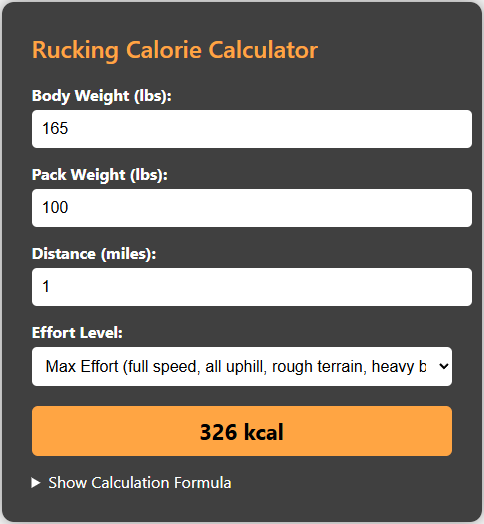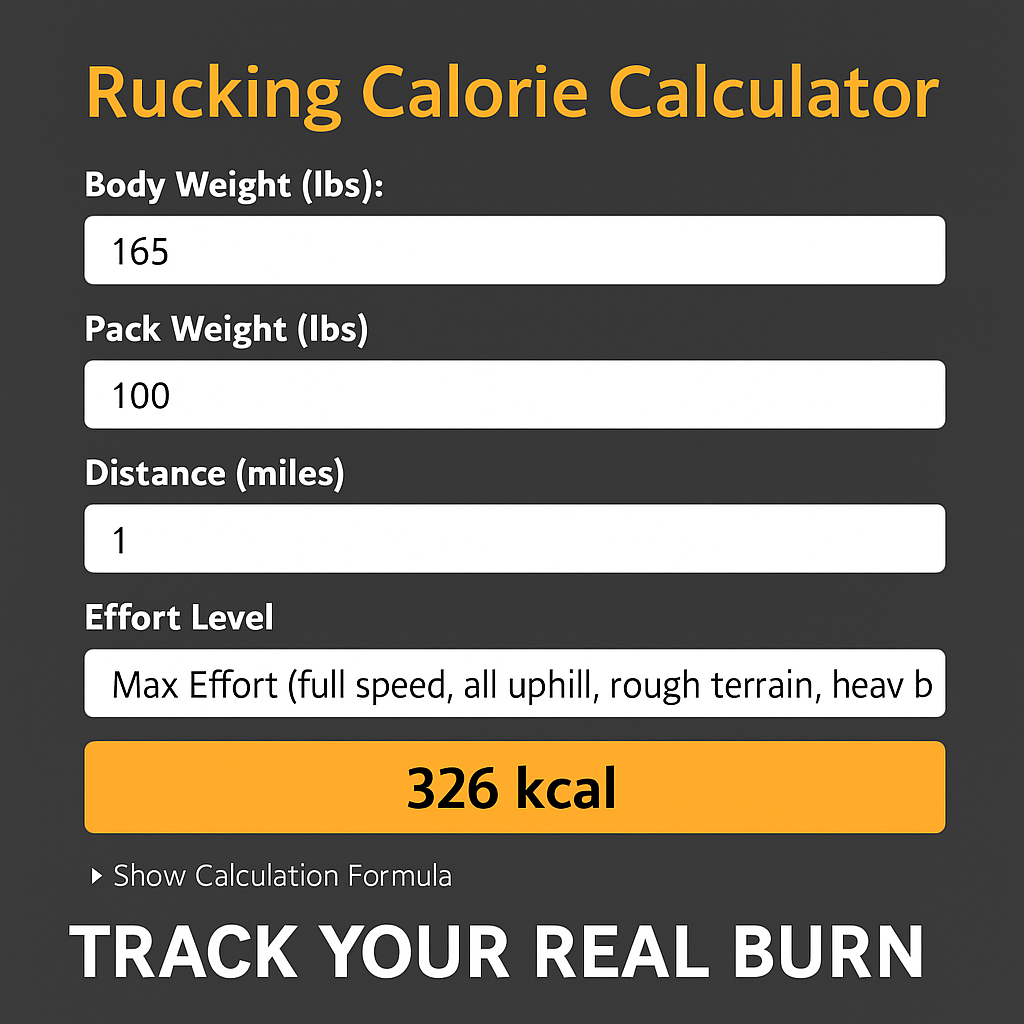
Plan a sensible calorie deficit around ruck sessions so you lose fat and keep strength. A rucking calorie deficit calculator estimates burn from bodyweight, pack or vest weight, pace and duration. Use that number to set a weekly deficit that preserves performance.
How to use it
Enter bodyweight and ruck or vest weight
Record pace and duration of typical sessions
Set a weekly calorie target and track progress
Start with the dedicated calculator below to see realistic burn for weighted rucks and vests.
Track ruck workouts and your deficit on Android with the Rucking app:
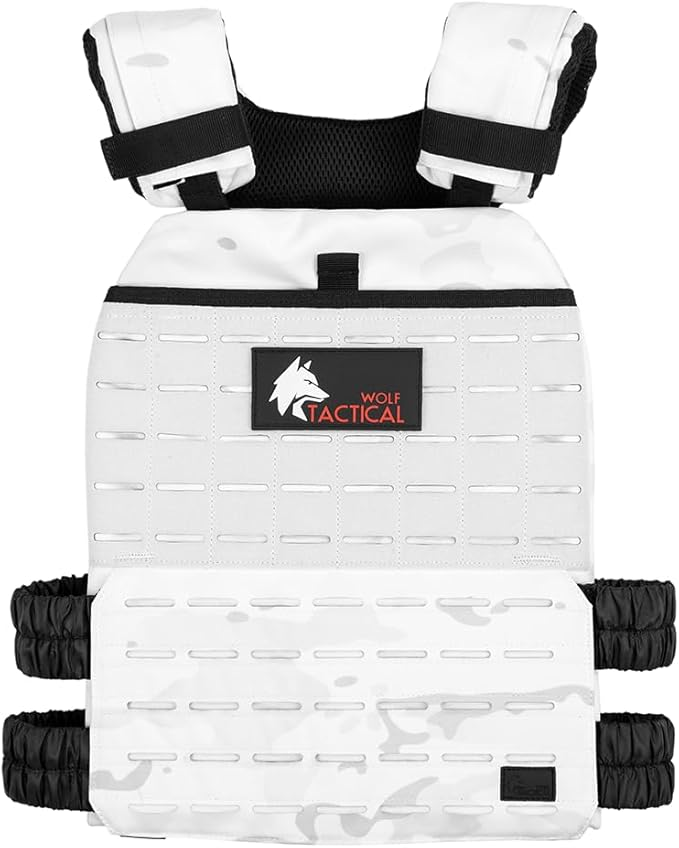
Adjustable vest for daily rucking and steady calorie burn.
Posted inUncategorized|Comments Off on Rucking calorie deficit calculator guide
Rucking puts repeated friction and moisture on the feet. Preventing blisters is mostly about fit, moisture control, and early intervention. These are field-tested, practical steps to keep your miles productive and pain-free.
Fit and footwear
Start with boots or trail shoes that match your foot shape. A shoe that pinches or allows sliding creates hotspots. Break in footwear gradually with short weighted walks before long rucks.
Choose the right size with a thumb’s width of toe room.
Opt for boots with firm heel counters to limit slip.
Use lacing techniques (heel lock) to secure the foot without overtightening.
Socks and moisture management
Moisture-wicking socks are essential. Merino or synthetic blends move sweat away from skin; cotton holds moisture and increases friction. Consider thin liner socks under a thicker hiking sock to reduce shear.
On-ruck tactics
Pay attention to hotspots—areas that feel warm or irritated. Address them immediately: stop, dry the area, apply friction-reducing balm or tape, and adjust footwear. Carry a small foot kit: moleskin, blister tape, antiseptic wipes, and a needle if you know how to drain safely.
Repair and prevention
If a blister forms, protect it. Intact blisters can be covered with cushioned tape; large, painful blisters sometimes need sterile drainage and appropriate dressing. After a blister, reassess sock choice and fit before your next ruck.
Tools and tracking
Estimate effort and know when to back off. Use the rucking calorie calculator below to gauge how weight and pace affect effort so you can plan rest and sock changes on longer miles.
Track ruck sessions and calorie burn with the Rucking app on Google Play. The app lets you log rucks, select weighted-vest options, and use a weight-loss calculator tailored for rucking and vest work. Tap the image to install.
Final checklist
Proper fit and broken-in footwear.
Moisture-wicking socks; consider liners.
Immediate attention to hotspots.
Small blister kit and basic treatment knowledge.
Plan rest and sock changes on long weighted rucks.
Keep the approach simple: prevent where possible, treat early, and respect your feet on every weighted mile.
Posted inUncategorized|Comments Off on How to avoid blisters rucking
When you ruck with a weighted vest or pack your heart rate is the single best physiological indicator of effort available on a practical rucking day. Measuring beats per minute lets you adjust pace, cadence, terrain choices, and rest to match a target calorie burn without guessing.
Why heart rate matters for calorie math
Resting metabolic rate, carrying load, and exercise intensity all contribute to calories burned. Heart rate integrates those factors because it rises with demand. Two identical rucks at different heart rates can produce markedly different calorie totals even when distance and weight are the same. That matters for weight loss, recovery scheduling, and programming tempo days versus hard days.
A simple heart rate approach
Find a sustainable training heart rate zone for your goals: fat loss, endurance, or aerobic capacity.
Use perceived exertion with your beats per minute to set realistic targets.
Track intervals where heart rate spikes and note terrain or pacing that caused the change.
How to measure accurately in the field
Wear a chest strap or a reliable wrist monitor and validate it against hard efforts. Wrist trackers can lag on steep hills or under heavy loading; chest straps usually handle that variability better. For a beginner rucker, choose a conservative zone and increase duration before adding weight.
Using the Rucking Calorie Calculator
For practical numbers use the Rucking Calorie Calculator. It factors weight, pack or vest loading, pace, and duration. Click the image below to open it and enter your heart rate-informed pace to get a realistic calorie estimate.
How to combine heart rate with calorie targets
Set a weekly calorie or deficit target and plan rucks as sessions that fit into microcycles. Use steady-state lower heart rate rucks for long duration calorie accumulation and interval-style higher heart rate rucks for excess post exercise oxygen consumption and metabolic stimulus. Alternate intensity days and track the sum of calories rather than single-session highs.
Practical training plan example
Two steady rucks per week at a moderate heart rate for 60 to 90 minutes.
One tempo or hill ruck at a higher heart rate for 25 to 40 minutes.
One recovery walk with light vest or unloaded for active recovery.
Tips to improve accuracy
Log weight, distance, pace, and heart rate every ruck. Note environmental factors like heat and humidity; they raise heart rate for the same workload. Calibrate your monitor occasionally with a lab test or known-effort intervals.
Rucking app and on-the-go tracking
Use the Rucking app on Android to track calories and heart rate while rucking. The app supports both rucksack and weighted vest options, stores sessions, and links to a weight loss calculator to help program workouts. Tap the image below to install the app from Google Play.
Gear considerations
A reliable weighted vest that distributes load evenly reduces erratic heart rate spikes from poor fit. If you favor comfort and day to day consistency consider the Wolf Tactical Adjustable Weighted Vest.
Wolf Tactical vest is a beginner friendly, adjustable option that maintains comfort and consistent load placement.
Common heart rate mistakes and fixes
Ruckers often make predictable errors when they rely on heart rate data. The first is chasing an arbitrary number without considering recovery, stress, or sleep. A high heart rate after a poor night of rest does not mean you should push harder; it usually means you should back off. Second, people forget that heat and humidity raise heart rate for the same external workload; that can overestimate calorie burn if unadjusted. Third, inconsistent monitor placement or strap looseness can create spikes and dropouts that inflate averages. Fourth, mixing different sensors without cross checking creates an unreliable log. Fixes are straightforward. Prioritize consistent monitor use and validate devices monthly with a timed interval test. Adjust target zones after a recovery week and account for weather by reducing estimated calories on hot days by a conservative percentage. Finally, pair heart rate data with subjective measures like RPE and sleep quality to make daily decisions that support long term progress.
Final checklist for heart rate based calorie tracking
Use a validated heart rate monitor.
Record weight, distance, pace, and beats per minute.
Enter numbers into the calculator for session estimates.
Adjust training zones based on weekly recovery and progress.
Measure, log, adapt, and the numbers will follow. Rucking is simple physics applied to human bodies; control the variables you can and let heart rate guide the rest.
Posted inUncategorized|Comments Off on Rucking heart rate calories: measure effort and plan burn
Rucking hills is one of the fastest, most reliable ways to build leg strength, conditioning, and calorie burn while carrying real load. A focused rucking hills training plan mixes hill repeats, steady loaded walks, recovery days, and progressive overload in the vest or pack. I write this in the voice I coach from: practical, direct, and outdoor-first. If you want results, you need structure, measured progression, and consistency.
Principles to follow
Start light and add load slowly: your body adapts to weight before speed over rough ground.
Mix intervals and tempo: short uphill repeats build power; longer steady rucks build endurance.
Track and adjust: use a calorie and weight-loss calculator to measure progress and adjust calorie targets.
Sample 8-week rucking hills training plan
This 8-week plan assumes you ruck 3–4 days per week and have a basic level of fitness. Use a weighted vest or ruck pack depending on your goals. Start with a vest weight you can handle for 30 minutes of mixed uphill and flat walking without pain.
Week 1–2 (Base building): 3 rucks — two 30–45 minute steady rucks on rolling hills at conversational pace, one short hill interval session: 5 x 60s uphill brisk walk with easy descent.
Week 3–4 (Volume & intensity): 3 rucks — one long steady 60–90 minute ruck on varied terrain, one hill repeat session: 6–8 x 90s uphill with 2–3 minute recoveries, one recovery easy 30-minute walk.
Week 5–6 (Progression): Add 5–10% load or extend intervals slightly. Long ruck becomes 90–120 minutes. Include one tempo hill ruck: sustained moderate uphill sections for 20–30 minutes total volume.
Week 7–8 (Sharpening): Peak volume in week 7, then deload week 8: reduce load and distance by 30–40% to recover and test fitness.
Session examples and technique
Hill repeats: stay tall, use short powerful steps, push from the hips, breathe steadily. Walk hard — it’s not a sprint.
Tempo uphill: maintain a pace you can sustain for 10–20 minutes; focus on steady effort rather than speed.
Loaded long ruck: practice nutrition and hydration systems you’ll use on longer outings.
Tools: calculators, app, and gear
Use the Rucking calorie calculator to estimate calories burned for weighted vest or backpack rucking. It helps dial load, speed, and duration so you progress safely.
For tracking on the go, the Rucking app is available on Google Play and links directly to the calorie and weight-loss tools, gear discounts, and ruck tracking. Install it for accurate session tracking and progressive plans.
Recommended gear
For hill-focused rucking favor a stable vest or a durable ruck with good load distribution.
WOLF TACTICAL Simple Weighted Vest—comfortable, low-profile, good for repeated hill work.
For longer distance hill rucks where you need hydration and pack capacity, consider a ruck like the GORUCK Rucker.
GORUCK Rucker 4.0 20L—built for long, loaded rucks over varied terrain.
Coaching note
As an ISSA-certified trainer who used rucking and weighted-vest work to change body composition, I recommend slow, consistent progression. Increase weight only when technique and recovery are dialed. Track your workouts and calories with the calculator and app so you know what works for your body.
Quick checklist before a hill session
Check shoes and footing; hill rucking is hard on ankles.
Start with a warm-up and end with mobility work for hips and calves.
Hydrate and refuel after long or intense hill work.
Follow this rucking hills training plan for measured progress, and use the tools linked above to keep training efficient, safe, and results-driven.
Posted inUncategorized|Comments Off on Rucking Hills Training Plan for Progressive Strength and Endurance
Rucking with a fifty pound pack is one of the most efficient ways to increase total energy expenditure without adding complex intervals or long runs. How many calories you burn depends on pace, terrain, body weight, fitness level, and how that 50 lb is carried. This article gives practical ranges, factors that change the math, simple weekly templates, and a reliable calculator to test your own numbers.
Factors that change calorie burn
Pace matters. Faster rucks raise heart rate and cost more calories per minute. Terrain matters — sand, steep trails, and soft surfaces force greater output than flat pavement. Pack fit and distribution change posture and muscular recruitment; a poorly fit pack wastes energy and increases injury risk.
Body weight interacts with external load — a heavier person burns more calories at the same pace, but the percent increase from adding 50 lb is greater for lighter individuals.
Typical calorie ranges
Below are conservative weekly ranges for a healthy adult rucking at a steady pace carrying 50 lb. These assume walking efforts between 3 and 4.5 miles per hour on mostly packed surfaces.
Light effort (slow walk, easy terrain): 300–500 calories per hour
Moderate effort (brisk pace, varied terrain): 500–800 calories per hour
Hard effort (steep trails, loaded marches): 800–1100 calories per hour
These ranges are broad. To estimate your own burn more accurately use the calculator below and plug in weight, pace, distance, and the 50 lb pack.
Use the Rucking Calorie Calculator to estimate burn with a 50 lb pack.
Sample field estimate
A 180 pound person rucking 3 miles at a 20 minute per mile pace with 50 lb on packed dirt will burn roughly 600 to 900 calories depending on fitness and terrain. If that same person increases pace or climbs sustained grades the burn can rise above 1,000 calories per hour.
Practical training tips
Start with shorter sessions and prioritize loaded walk mechanics. Keep torso upright, use a steady heel-to-toe gait, and use trekking poles if balance or joint stress is a problem. Build volume gradually: add 10 to 20 percent distance or time per week, and rotate hard days with recovery walks.
For 50 lb loads choose a durable ruck like the GORUCK Rucker 4.0 20L and confirm fit before long rucks.
GORUCK Rucker 4.0 is built for heavy rucking and long miles.
Recovery and nutrition
Rucking at high loads requires fueling before and after. Prioritize carbohydrates for long sessions and protein to support repair. Hydration matters — carry electrolytes and sip regularly. For long hot days consider Pump-Ocalypse as hydration support.
Track real sessions and get accurate calorie burn estimates with the Rucking app on Google Play; it allows selection of weighted vest or backpack rucking and links to gear and discounts.
The Rucking app tracks calories, vest or pack options, and gear links.
Use the calculator
To convert your goals into training sessions open the Rucking Calorie Calculator and enter your bodyweight, pace, distance, and 50 lb pack. The calculator accounts for load and gives per‑hour and per‑mile estimates useful for programming.
Weekly template
Sample week for fat loss and conditioning with a 50 lb pack:
Monday — Easy 4 mile ruck at conversational pace, focus on posture.
Wednesday — Tempo 3 mile ruck with rolling hills, faster sections of 10 minutes.
Saturday — Long ruck 6–10 miles at moderate pace, prioritize hydration and calories.
Adjust distance and load to match recovery and schedule; use the calculator after a few sessions to refine your targets.
Closing note
Rucking fifty pounds is simple in concept and demanding in practice. Measure, plan, and progressively overload while respecting recovery. Use the rucking calculator and the Android app to track realistic calorie burn and keep your training sustainable.
Footwear and load carriage strategies influence efficiency. Choose boots or trail shoes with firm midsoles and a roomy toe box; test them on shakedown rucks before long efforts. Consider soft goods like padded hip belts and sternum straps to move load onto the hips and reduce shoulder strain. When training with heavy external load prioritize joint-friendly progressions, and if you have joint issues consult a clinician before pushing volume. Finally, keep records: note perceived exertion, heart rate, distance, and calories from the app or calculator so you can see trends and adjust.
Practice shakedown rucks to confirm fit before long miles daily.
Record trends weekly and celebrate small but consistent improvements along the way.
Consistent progress with a 50 lb pack comes from measured overload, rest, and honest tracking. Use the tools mentioned, refine the plan, and ruck outdoors regularly for best long term results. Train hard, recover.
Posted inUncategorized|Comments Off on Rucking calories with 50 lb pack: How many calories will you burn?
This plan gives beginners a clear, safe path to use rucking and a light weighted vest for steady fat loss. Rucking is a low-impact, high-return way to burn calories by walking with load—easy to scale, easy to track, and highly sustainable outdoors. Below you’ll find weekly progression, session structure, recovery tips, and links to tools that let you track calories and weight-loss progress precisely.
Why rucking works
Rucking increases calorie burn by adding load to a walk. That extra work taxes your metabolic systems without the joint stress of running. It also builds posterior chain strength and improves posture. For beginners, start conservatively and prioritize consistent frequency over intense sessions.
Beginner 8-week progression
Follow this template and adjust for fitness level. Aim for three ruck sessions per week with at least one day of rest or active recovery between rucks.
Weeks 1–2: 20–30 minute walks, bodyweight or 5–10% bodyweight in a vest. Focus on brisk pace and technique.
Weeks 3–4: 35–45 minute rucks. Increase load by 5–10 lbs if effort feels manageable.
Weeks 5–6: 45–60 minute rucks. Add one hill or interval segment: 3–5 minutes slightly faster with controlled form.
Weeks 7–8: 60+ minute steady ruck once per week, maintain two shorter rucks. Prioritize recovery and hydration.
Session structure
Each ruck should follow a simple template:
Warm-up: 5–8 minutes walking, dynamic hip mobility.
Main set: target duration from plan above with steady pace.
Optional: 5–10 minutes of bodyweight work after the ruck (push-ups, lunges, plank).
Cool-down: 3–5 minutes easy walk and light stretching.
Tracking calories and progress
Use the Rucking Calorie Calculator to estimate calories burned and tailor your sessions. Click the screenshot below to open the calculator and enter weight, pace, distance, and vest load for a personalized burn estimate.
Tools: the Rucking app
For on-the-go tracking, the Rucking app on Google Play syncs ruck sessions, weighted-vest options, and a weight-loss calculator so you can monitor trends and progress. Tap the image to open the Play Store and install. The app helps you log vest weight, distance, and calories burned accurately.
Beginner gear recommendations
Start with a comfortable vest or light rucksack. For a beginner-focused weighted vest I recommend the WOLF TACTICAL Simple Weighted Vest (Men/Women)—it’s comfortable, adjustable, and built for walking-style rucks.
Comfortable, adjustable vest ideal for beginners to start adding load safely.
Hydration and adjustable load for longer rucks or heat-prone sessions.
Recovery and nutrition
Rucking is sustainable when paired with disciplined nutrition and sleep. Prioritize protein to retain lean mass and manage calories with a slight deficit if weight loss is the goal. On long or hot rucks, include electrolytes and consider products like Pump-Ocalypse for hydration support during extended efforts.
Safety and progression
Increase load no more than 5–10% of bodyweight every 2–3 weeks based on comfort and form. Stop if you experience sharp joint pain. Keep cadence steady and posture upright—think chest up, hips engaged.
Final advice
Consistency beats intensity for beginners. Use the calculator linked above to set realistic burn goals, install the Rucking app to log and track progress, and choose comfortable gear to make rucking a habit. Start light, build slowly, and the weight will come off while you get stronger and more resilient.
Posted inUncategorized|Comments Off on Rucking for Weight Loss Beginner Plan
How many calories do you burn rucking: realistic estimates
Rucking is walking with load and it changes your calorie burn compared to unloaded walking. Base variables include body weight, external load, pace, terrain, and duration. Small changes in any variable create meaningful differences in energy expenditure. This guide gives practical estimates, examples, and a single calculator you can use to get a specific number for your body and ruck.
How calorie burn scales with load and pace
At the same walking pace, adding weight increases the metabolic cost. A common rule of thumb is that adding 10 percent of your body weight increases calorie burn by roughly four to eight percent depending on intensity and terrain. Faster paces raise the baseline burn so the absolute increase from load is larger when you move quicker. Hills, soft ground, and frequent stops also increase work and total calories.
Quick reference examples
150 lb person walking 3 mph unloaded: about 240–300 kcal per hour.
150 lb person with 20 lb vest at 3 mph: about 280–350 kcal per hour.
200 lb person with 40 lb ruck at brisk pace: 500–650 kcal per hour depending on terrain.
These are broad ranges. Your exact burn depends on fitness, gait, and equipment fit. Use the calculator below for an individual estimate based on your weight, load, pace, and duration.
Calculate your burn
Try the Rucking Calorie Calculator linked and screenshot below to get a personalized figure.
Rucking app for Android
For Android users the Rucking app on Google Play lets you track ruck sessions, log weighted vest work, and calculate calories burned. It includes a weight loss calculator option and gear links. Tap the app image to open the Play Store.
Hydration and longer rucks
Hydration affects perceived exertion and practical performance. For long rucks consider a CamelBak Motherlode 100oz Mil Spec Crux Hydration Backpack or similar to carry fluids and mix endurance electrolytes. During hot conditions, consume fluids proactively and incorporate salty snacks. Preston uses Pump-Ocalypse on longer walks for sustained hydration and electrolyte support.
Hydration and load storage for long rucks.
Choosing gear
For long-distance rucks a ruck or plate carrier distributes weight and improves comfort. For day-to-day weighted vest training choose a vest with adjustable plates and comfortable straps. Here are two recommendations to cover common needs.
Comfortable, adjustable vest for frequent weighted walks.
Practical pacing and planning
Start conservatively with load and time. If new to rucking, carry light weight for short sessions and increase load 5–10% per week. Track your heart rate and perceived exertion rather than chasing numbers regularly. Rucking frequently at moderate intensity builds endurance and reliably increases daily calorie burn.
Example training week
Two rucks of 45 to 60 minutes at moderate pace with a 10 to 20 percent bodyweight vest.
One long slow ruck 90 to 150 minutes at conversational pace with lighter load.
Strength day with vest for 30 to 45 minutes of bodyweight and loaded carries.
Active recovery or rest day, mobility and hydration focus.
Use the calculator and track progress
Record sessions, adjust weight slowly, and use the calculator linked earlier to convert your sessions into estimated calories. The Rucking app on Google Play syncs session details and gives quick estimates when you enter weight, load, pace and duration.
Final takeaways
Rucking is an efficient way to increase calorie burn with practical gear and simple planning. Start light, track numbers, prioritize hydration, and use the calculator to dial in your personal numbers. Over weeks and months consistent rucking yields steady increases in total daily energy expenditure and supports sustainable fat loss.
Frequently asked questions
Will rucking help me lose weight?
Yes. Rucking creates a caloric deficit when paired with appropriate nutrition. It preserves lean mass better than steady-state cardio because of the load and can be scaled to maintain progression. Regular sessions and modest dietary control produce lasting results.
How often should I ruck?
Begin with twice weekly and build to three to four sessions for best endurance and calorie effects. Mix one longer slower ruck with shorter, slightly faster efforts. Listen to recovery cues and reduce load if joint pain develops. Progression is gradual and sustainable gains beat intermittent extremes.
Can I ruck with a weighted vest instead of a pack?
Absolutely. Weighted vests are convenient for shorter sessions and controlled loading. Choose a vest that fits well and allows plate adjustment. For longer technical rucks a ruck or plate carrier improves comfort and load distribution. Use both approaches depending on goals.
Posted inUncategorized|Comments Off on How many calories do you burn rucking: realistic estimates and calculator
A properly fitted ruck backpack makes every step more efficient, reduces hotspot risk, and keeps you moving farther and faster. This guide explains how a ruck should sit, what to adjust for load distribution, and how to test fit on short training walks before committing to heavier miles.
How a ruck should sit on your body
Start with the hipbelt positioned on the top of your hips so the weight transfers into your pelvis and legs rather than your low back. The shoulder straps should be snug but not tight; they stabilize the load and stop the pack from shifting, while the hipbelt carries the majority of the weight. A chest strap set at mid-chest prevents shoulder slip without restricting breathing.
Key fit checkpoints
Check these items every time you load up:
Hipbelt contact: the belt should be in solid contact with the hipbones and not ride up when you walk.
Load height: the top of the pack should not extend above the shoulders where it can tilt you forward.
Torso fit: many rucks have adjustable torso lengths; confirm the pack’s torso length matches your anatomy.
Compression straps: use them to pull weight close to your center of mass.
Padding and pressure points: inspect for hotspots after 10 to 30 minutes and adjust.
Practical steps to fit your ruck
Put the pack on empty and cinch the hipbelt snug. Load weight gradually in small increments so the pack settles naturally. Walk for 15 to 30 minutes, then add more weight and repeat. Pay attention to breathing, posture, and any numbness or pain. Small positional changes often make the most difference: raise or lower the hipbelt two fingers, loosen the shoulder straps an increment, or redistribute plates.
Testing fit with ruck plates and hydration
When you add plates or water you change the shape of the load. Stack heavier plates low and close to the back for stability and place hydration higher but compressed to avoid sagging. If you use a hydration bladder, route the hose so it does not pull the pack forward.
Accessories that improve fit
Load lifters: angled straps near the top of the shoulder straps that pull weight forward into your hips.
Anti-sway straps: help control lateral movement.
Foam backer panels: fill voids and protect against sharp plate edges.
When to consider a different pack
If persistent pressure points, chronic back strain, or a pack that constantly tilts appear despite adjustments, try a different model or size. Long-distance rucks favor packs with larger frames and hipbelts, while short tactical carries benefit from compact rucksacks.
Recommended gear
For long rucks or heavy loads consider the CamelBak Motherlode 100oz Mil Spec Crux Hydration Backpack for balanced hydration and storage:
Hydration and load capacity that keeps heavier rucks stabilized over long miles.
For a rugged ruck built for heavy use and a predictable fit try the GORUCK Rucker 4.0 20L:
Simple, durable design with consistent fit across loads.
Use a calculator for planning
Before you add heavy miles, estimate caloric cost so you can fuel and recover correctly. Try the rucking calorie calculator:
Rucking app and tracking
Use the Rucking Pro app on Android to track weight, vest options, and calorie burn while rucking. The app also links to gear and discounts. Install from Google Play:
Final fit checklist
Start light and adjust incrementally.
Hold load close to your center of mass.
Use the hipbelt to carry the majority of the weight.
Test ruck fit on short walks before committing to long rucks.
Fit maintenance and break-in tips
Treat fit as dynamic. New packs and new plates need a break-in period. Expect foam to compress and straps to settle over several walks; re-check hipbelt placement and shoulder tension after the first two to three loaded outings. Clean the contact areas and allow the pack to dry between long rucks to prevent odor and breakdown. Replace worn hipbelt padding or strap webbing before it fails; a sudden seam or buckle failure on a long route compromises safety.
Footwear and posture matter too. A stable shoe with good torque control preserves efficient energy transfer from hips to feet when carrying load. Keep posture upright with a slight forward lean from the ankles on steep terrain, not a rounded back. Practice climbing and descending with empty loads to learn body mechanics, then add incremental weight. Small repeated adjustments beat one-time big changes.
A properly fitted ruck is as important as the training itself. Prioritize fit, test often, and you’ll reduce injury risk while increasing comfort and endurance.
Posted inUncategorized|Comments Off on Rucking backpack fit guide: how to size and adjust your ruck
Rucking is walking with added weight and is one of the simplest high-return conditioning tools for outdoor fitness. Calories burned per hour depend on body mass, load carried, pace, terrain, and fitness level. This article explains how to estimate rucking calories per hour, how to use a reliable calculator, and practical tips to make your numbers less variable.
Key variables that change hourly calorie burn
Body weight: heavier people burn more energy moving the same load.
Load weight: every additional 10 to 20 pounds meaningfully increases effort and calories per hour.
Pace and terrain: faster speed and uneven ground raise energy cost.
Fitness and technique: trained ruckers move more efficiently than beginners.
How to estimate your calories per hour
A practical estimate starts by combining body weight with carried load and pace. For example, a 170 pound person rucking at a steady 3.5 miles per hour with a 30 pound vest will typically burn roughly 550 to 700 calories per hour depending on terrain and conditioning. Use a calculator for a more precise personalized number.
Try the Rucking Calorie Calculator for tailored estimates.
How I use that estimate
Start with the calculator result, then adjust based on perceived exertion, terrain, and stops. If the calculator predicts 600 calories per hour expect real sessions to vary about ten to twenty percent on hills or soft surfaces.
Simple tracking protocol
Measure baseline using one consistent route, load, and footwear for several sessions to learn your personal hourly burn. Average multiple sessions instead of relying on a single outing.
Practical tips to manage energy and results
Hydrate, eat enough protein, and include rest days. Small changes to pace or load create meaningful changes in hourly calorie burn, so progress gradually and record changes.
Increase weight gradually to raise calories per hour while monitoring form.
Use varied terrain to boost intensity without increasing pace.
Include interval sections or hills to spike hourly burn when time limited.
Track sessions in an app to compare estimates with actual performance.
The Rucking app links session tracking with calorie estimates for both weighted vests and backpack rucking.
Gear suggestions
For most ruckers a reliable adjustable vest balances comfort and progression. Consider the Wolf Tactical Adjustable Weighted Vest for common training and daily walks.
Wolf Tactical Adjustable Weighted Vest — reliable fit for progressive rucking.
Consistency in gear reduces variability in calories per hour and makes the calculator output more actionable.
When to prioritize calories per hour
If your goal is weight loss use hourly estimates to plan weekly energy deficits while preserving strength and recovery. If your goal is endurance or operational fitness, focus on consistent mileage and progressively longer weighted sessions; calories per hour will increase naturally as training intensity or load climbs.
Use the Rucking Calorie Calculator to get a starting point and then track with the app as you adapt.
Rucking calories per hour are predictable when you control variables. Measure, record, and adjust rather than guessing. Start light, build load, and use technology to validate your hard work outdoors.
Sample session breakdown
A 45-minute ruck with 25 pounds for a 160 pound person at a brisk pace might burn about 400 to 500 calories; multiply proportionally for an hourly rate but remember rest and terrain.
If you prefer numbers without a calculator, estimate by adding roughly 5 to 10 percent more burn per 10 pounds of added load, and adjust up another 5 to 15 percent for hilly routes depending on slope.
Hydration and brief fueling
Proper hydration supports steady power output. For sessions over 60 minutes bring 500 to 1000 milliliters of water plus electrolytes. For longer or hotter conditions consider a larger hydration bladder like the CamelBak Motherlode linked below.
CamelBak Motherlode provides hydration capacity and load flexibility for mixed terrain rucks.
A simple electrolyte packet or a product like Pump-Ocalypse can help during long hot rucks; I use it for endurance walks to maintain focus and fluid balance.
Final practical checklist
Pick a repeatable route and record three sessions.
Start with a conservative load and add 5 to 10 percent per week.
Use the Rucking Calorie Calculator once to set a baseline and then verify with three tracked sessions.
Log sessions in the Rucking app for clean comparison across time.
Use estimates not absolutes and adjust as you gain experience. Track trends in the Rucking app, refine load and pace, prioritize hydration and protein, and let consistent measurement build manageable, lasting outdoor fitness that matches your goals while protecting joints and recovery.
Posted inUncategorized|Comments Off on Rucking calories per hour: estimate and optimize
Rucking long distances outdoors changes your hydration needs. This guide explains what to drink, when to replace electrolytes, how to carry fluids comfortably, and simple rules to prevent cramps or heat illness on extended weighted walks.
Plan Before You Step Out
Start every long ruck by drinking 12 to 20 ounces of water in the hour before you leave. That preloading tops off plasma volume and reduces early thirst. Aim to sip 4 to 8 ounces every 20 to 30 minutes while moving, adjusting volume for temperature, load, and sweat rate.
Fluids and Electrolytes
Plain water replaces volume, but sweat contains sodium, potassium, magnesium, and small amounts of calcium. If your ruck lasts more than 60 to 90 minutes or you are sweating heavily, include an electrolyte drink or tablet. Balance carbs and sodium in drinks so you avoid stomach upset and keep energy up.
Portable Options
Common ruck choices include insulated water bottles, soft flasks, and hydration bladders. Bladders make sipping easier on the move but can be harder to clean. Bottles are versatile and allow mixing powder electrolytes. Consider carrying both a bladder for frequent sips and a bottle with concentrated electrolyte solution for refills.
Gear and Packing for Hydration
Lay out how much fluid you will consume per hour and match that to container capacity. If you expect hot weather or heavy work, add a 20 to 30 percent buffer. Use insulated sleeves or bottles to keep cool fluids from heating in sun.
For rucksack users, the CamelBak Motherlode makes sense for long rucks. Its large reservoir and tactical fit mix hydration and load carry efficiently. You can distribute weight and still drink frequently.
Large tactical hydration reservoir for long rucks.
Electrolyte Choices
Choose a product with sodium listed above 300 mg per liter if you sweat heavily. Magnesium and potassium support muscles and nervous function. Avoid high sugar drinks unless you need quick calories later in a multihour event.
Packing Checklist
Water capacity for expected duration plus 20 percent buffer.
Electrolyte tablets or concentrated solution.
Insulated bottle or sleeve to keep fluids cool.
Spare bladder or collapsible bottle for resupply.
Small snacks with sodium like jerky or salted nuts.
Use the Calculator and App
To estimate calorie and fluid needs for your ruck, use the rucking calorie calculator. It helps you plan drink volumes based on pace, distance, weight, and load. Click the screenshot below to open the calculator and set parameters before you leave.
Estimate calories and fluid needs with the rucking calorie calculator.
The Rucking app is available on Google Play for Android users. It tracks how many calories you burn while rucking or using a weighted vest, has a weight loss calculator, and links to gear and discounts. Tap the image below to install the app now.
Android rucking app: track calories, weighted vest options, and weight loss tools.
On-Route Signs to Stop
If you feel dizziness, persistent nausea, severe cramps, confusion, or dark urine, stop and rehydrate. Move to shade, sip a sodium-containing drink, and monitor symptoms. Headache alone can be early dehydration, so don’t ignore it.
Practical Tips
Practice drinking on easy routes to learn your sweat rate.
Salt your food lightly before long efforts if you salt heavily during day.
Use insulated carriers to keep cold drinks in heat.
Rotate bladders and bottles to prevent bacterial growth.
Carry a small pack of electrolyte tablets for emergency boosts.
On long efforts I use Pump-Ocalypse for hydration support, and I recommend learning your sweat profile in training. Preston Shamblen, the founder of this site and an ISSA-certified personal trainer, lost 90 lbs through rucking, weighted-vest training, and disciplined nutrition. He still recommends weighted vests as one of the most reliable ways to burn fat and maintain a lower body weight when paired with proper hydration and fueling.
Final Checklist
Preload twelve to twenty ounces of water before start.
Bring a bladder and a bottle for flexibility.
Carry electrolyte tabs and snack with sodium.
Use the rucking calorie calculator before long missions.
Install the Android app to track calories and fluid use.
Smart hydration is simple, repeatable, and trainable. Practice sipping on every ruck, keep electrolytes on hand, and use the calculator and app to plan volumes. When you treat hydration as mission critical, long rucks become safer and more productive.
Test your gear and fluids on short routes, log results, and adjust before committing to a multihour ruck. Small changes in pace or weight can require big hydration changes; plan conservatively and prioritize safety on every walk.
Carry water, ruck smart.
Posted inUncategorized|Comments Off on Hydration for Long Rucks: How to Stay Fueled and Safe
Estimate rucking calories per mile accurately — learn how weight, pace, terrain, and vests change burn. Use the Rucking calorie calculator and the Android app to track results. Continue reading →
Use the ruck calorie calculator to estimate calories burned while rucking or using a weighted vest. Practical guidance to plan sessions and nutrition. Continue reading →
Rucking calorie calculator hills guide: learn how incline, pack or vest weight, pace, and terrain change calorie burn. Use the Rucking Calorie Calculator app. Continue reading →
Expert tips to choose the best boots for rucking — fit, support, traction, break-in, insoles, and pairing with rucks for loaded walks. Practical outdoor advice. Continue reading →
Use the rucking app offline to log distance, load, and calories reliably when off-grid. Practical tips for preloading routes, syncing later, and choosing gear. Continue reading →
Practical guide for rucking in cold weather: layering, foot care, hydration, pacing, and gear tips to keep you warm, safe, and efficient on winter rucks. Continue reading →
Use the rucking app to track rucks, weighted-vest workouts, and calories. Access the Rucking Calorie Calculator, log sessions, and find gear links and discounts. Continue reading →
Learn how to estimate and track rucking calories on trails with practical adjustments for terrain, grade, and load. Use the Rucking Calorie Calculator and app. Continue reading →
Use the rucking calculator app to estimate calories while rucking or wearing a weighted vest. Learn setup, calculator link, Android install, and practical tips for reliable tracking. Continue reading →