Why a Weighted Exercise Vest Elevates Your Rucking and Fitness Routine

The Benefits of Using a Weighted Exercise Vest

Adding a weighted exercise vest to your training offers an efficient, adjustable method to boost cardio, strength, and calorie burn—all while keeping your hands free. Whether you’re hiking a trail or power-walking on city streets, a quality vest takes your workouts to the next level. Weighted vests distribute load evenly, minimizing injury risk and supporting proper posture as you move.

How a Weighted Vest Works During Rucking

For those not interested in traditional rucksacks, weighted vests are equally valuable for rucking and urban fitness. When you strap on a vest, you transform a walk, jog, or climb into a full-body workout. Weighted vests encourage core activation and improve your balance, since the weight sits closer to your body’s center of mass.

  • Burn More Calories: Extra weight increases intensity, leading to higher energy expenditure.
  • Progressive Training: Most vests allow incremental loading, ideal for progressive overload.
  • Hands-Free Versatility: Perfect for adding resistance to walks, functional training, or rucking.

Choosing the Right Weighted Exercise Vest

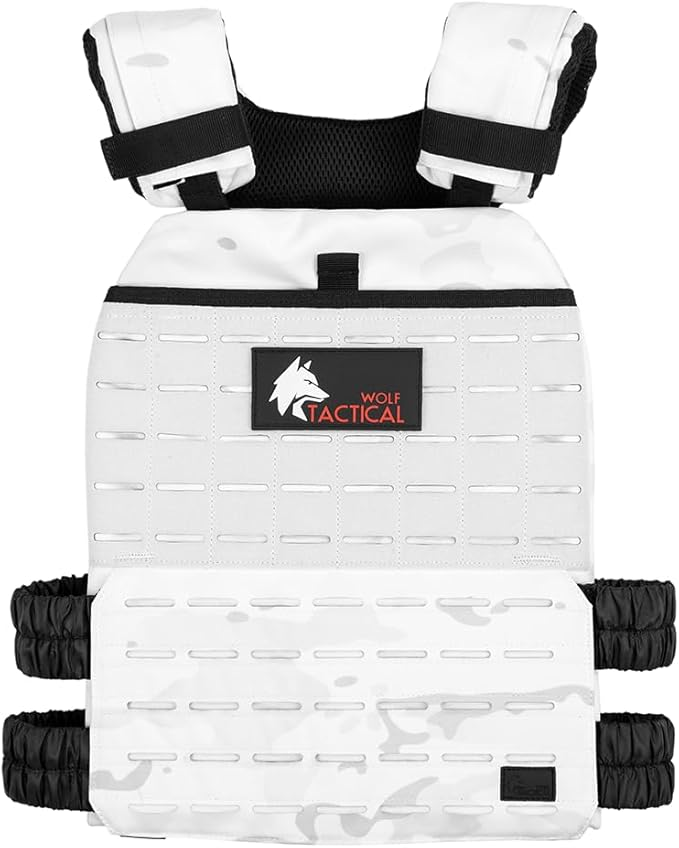
When choosing a vest, comfort and adjustability are key. For balanced load and secure fit, look for adjustable straps and high-density padding. The Wolf Tactical Adjustable Weighted Vest stands out for most users—durable, breathable, and adaptable for all torso sizes.


Wolf Tactical Adjustable Weighted Vest
Wolf Tactical’s weighted vest: excellent comfort, adjustability, and durability for rucking and urban workouts.

For those ready to progress, the Kensui EZ-VEST® MAX V2 supports heavy loads up to 300 lbs—ideal for more advanced strength-focused rucking and explosive training.


Kensui EZ-VEST MAX V2 weighted vest
Kensui EZ-VEST lets you add serious weight for advanced strength, power, and ruck training.

The Role of Weighted Vests in Weight Loss and Performance

Adding a weighted exercise vest increases your total work output. Steady-state walking with a 10–25 lb vest can multiply calorie burn compared to bodyweight only. For high-intensity intervals or hill climbs, a study-backed vest can assist your cardiovascular and muscular gains—making every step count toward fat loss and fitness.

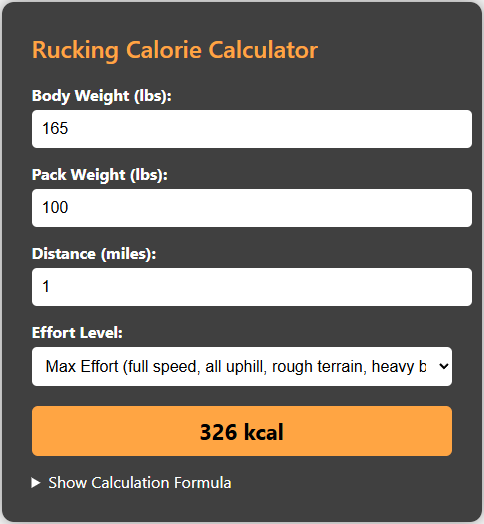
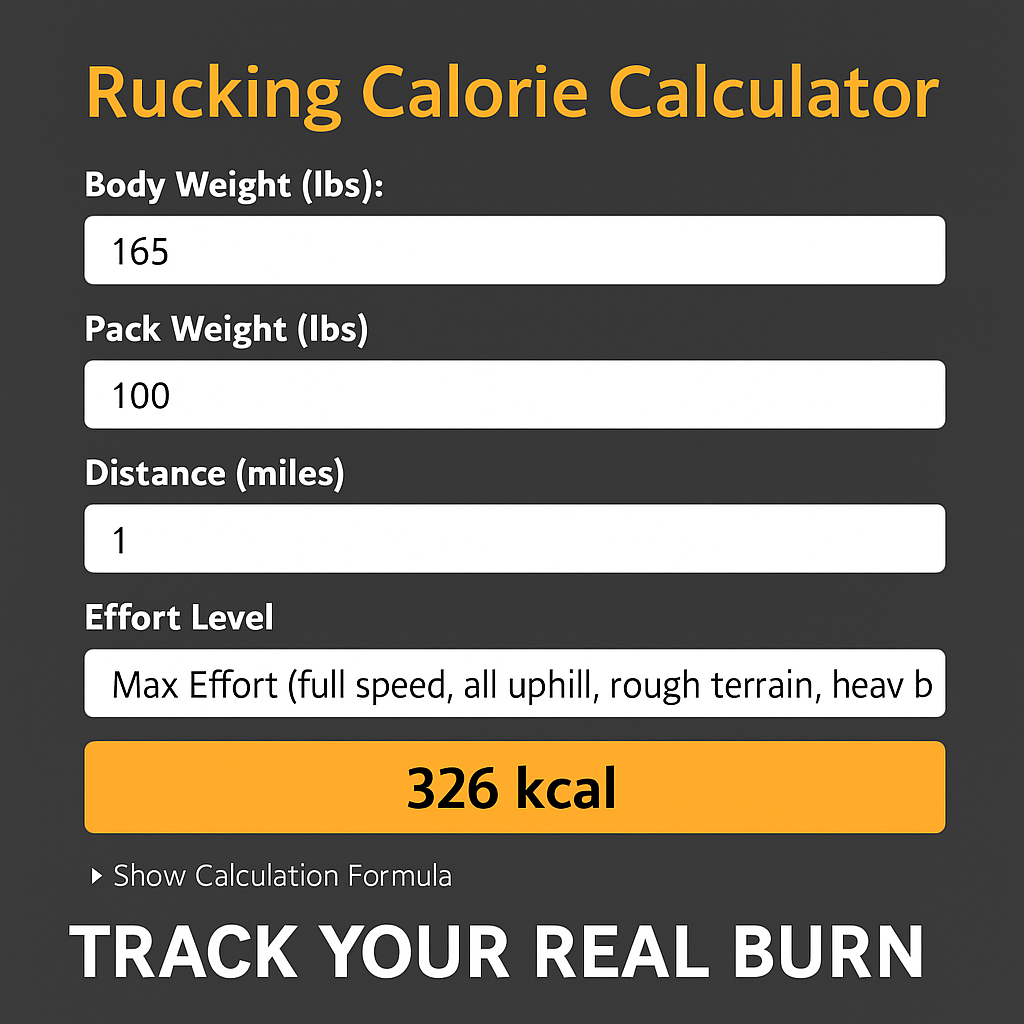
If you want to see how your workouts translate to calories burned and actual fat loss, try the free rucking weight loss calculator below. Tracking your output makes rucking and weighted training much more effective and motivating!


Rucking Weight Loss Calculator screenshot
See your projected fat loss from rucking and weighted vest training: Use the rucking weight loss calculator.

Final Thoughts: Upgrade Your Outdoor and Gym Sessions

Incorporating a weighted exercise vest into your program can break plateaus, support balanced load, and give your walking or rucking more purpose. Whether you’re a beginner or advanced, focusing on comfort, adjustability, and durability ensures your vest grows alongside your fitness goals.

Posted in Rucking | Tagged , , , , | Comments Off on Why a Weighted Exercise Vest Elevates Your Rucking and Fitness Routine

Beginner Rucking: How to Safely Start Weighted Walking

Beginner Rucking: The Smart Way to Start Weighted Walking

Rucking is a straightforward, effective way to build endurance, strength, and burn calories—all by carrying weight while you walk. But if you’re new to weighted walking, it’s vital to approach beginner rucking with caution, smart planning, and gradual progression.

What Is Rucking?

Rucking refers to walking with a weighted backpack or vest. Originally popular in military settings, it’s now a go-to fitness method for anyone looking to boost cardio and strength simultaneously, especially those who don’t enjoy running or high-impact workouts.

How to Start Rucking as a Beginner

  • Choose the right weight: Start with about 10% of your bodyweight. For most beginners, this is between 10–20 lbs.
  • Select your gear: If comfort and load balance top your priority list, consider using a weighted vest designed for rucking, like the Wolf Tactical Adjustable Weighted Vest. It helps distribute weight evenly and reduces strain on your shoulders.
Wolf Tactical Adjustable Weighted Vest for beginner rucking
The Wolf Tactical Adjustable Weighted Vest distributes weight evenly and is highly adjustable for new ruckers.
  • Start short and slow: Aim for 1–2 miles on your first few rucks. Walk at a conversational pace and focus on posture.
  • Protect your feet: Wear comfortable, durable shoes. Blisters are common for beginners, so good socks are a must.
  • Increase gradually: Add 5–10% more weight only after 2–3 weeks, and only if you’re pain-free.

Sample Beginner Rucking Progression

  • Weeks 1–2: 1 mile, 10 lb pack or vest, 2 times/week
  • Weeks 3–4: 1.5 miles, 12–15 lb, 2–3 times/week
  • Weeks 5+: 2 miles, 15–20 lb, 2–3 times/week

Tracking Results and Staying Motivated

The best way to stay consistent is to track progress. Monitor your speed, distance, and how you feel after each ruck. To get the most out of your effort, see how many calories you’re burning per ruck—use this handy calculator for accurate numbers.

Rucking Calorie Calculator screenshot
Track your calorie burn with the Rucking Calorie Calculator.

Recommended Beginner Rucking Products

GORUCK Rucker 4.0 20L beginner rucking backpack
GORUCK Rucker 4.0 20L: Built tough for rucking, great for beginners upgrading from vests.

Common Mistakes to Avoid

  • Don’t go too heavy, too fast—you risk injury.
  • Avoid ignoring any pain. Listen to your body.
  • Never skip warm-ups or cooldowns. They matter!

Beginner rucking doesn’t have to be complicated. Focus on smart, steady progress and results will follow!

Posted in Rucking | Tagged , , , , | Comments Off on Beginner Rucking: How to Safely Start Weighted Walking

How to Master the Army Rucksack March for Endurance and Fitness

Why the Army Rucksack March Matters

If you want real-world fitness and rock-solid endurance, look no further than the army rucksack march. As a certified personal trainer who lost 90 lbs transforming my own life, I can tell you: the discipline and results from rucking translate directly into lasting fitness and sustainable fat loss. Even after becoming a trainer, I still rely on and recommend rucking to maintain a lower body weight and stay consistently strong.

Preston Shamblen before and after 90 lb weight loss through rucking
Preston Shamblen’s 90 lb transformation achieved through consistent rucking and strength training.

What Is an Army Rucksack March?

The classic army rucksack march takes loaded walking to another level. In military tests—known as ruck marches, road marches, or simply “the ruck”—soldiers carry heavy packs across varying terrain, often for long distances and under time constraints. This builds:

  • Leg and core strength
  • Real cardio endurance
  • Practical, functional athleticism
  • Mental toughness

Whether you’re prepping for tactical challenges, boosting everyday fitness, or just want to test your limits, the army rucksack march is straight-up effective.

Essential Gear for a Successful Rucksack March

Your two priorities: comfort and load distribution. The right gear makes the difference between a brutal slog and a challenging, confidence-building march. Here’s what I recommend both for beginners and advanced ruckers:

Best Weighted Vests for Ruck Marches

Wolf Tactical Adjustable Weighted Vest for rucking
Balanced weight for military-style ruck marches—comfortable and adjustable.
  • GORUCK Rucker 4.0 20L – For long distances or heavy loads, this ruck is the gold standard. It’s built tough, distributes load well, and won’t quit on you.
GORUCK Rucker 4.0 20L for army ruck marches
Rugged, comfortable, and made for heavy rucksack marches.

Tips for Your First (or Fastest) Army Rucksack March

  • Start Light: If you’re new, 20-25 lbs in your weighted vest or ruck is plenty.
  • Mimic Military Standards: Military tests often require covering 6–12 miles at a fast walk—shoot for steady, brisk pace before adding load or distance.
  • Prioritize Posture and Footwear: Stand tall and use supportive, broken-in boots.
  • Progress Gradually: Add 5–10% more weight or distance each week.
  • Hydrate and Fuel: Don’t neglect simple carbs and water before and after the march.

Maximize Calorie Burn with Every Mile

One of the biggest benefits of the army rucksack march isn’t just toughness. It’s unmatched calorie burn. Wondering how much you’re torching? Check your numbers and stay motivated:

Rucking Calorie Calculator screenshot
Track your calorie burn with the Rucking Calorie Calculator.

Try the Rucking Calorie Calculator now to see your precise calorie burn based on weight, ruck load, and pace.

Why I Still Ruck—And You Should Too

Here’s the truth: rucking, especially the army rucksack march, is still my go-to. It keeps me lean, focused, and fit year-round. That’s why I recommend tools like the Wolf Tactical Adjustable Weighted Vest and the GORUCK Rucker 4.0 20L—because they’re what I personally use every week.

Ready for the challenge? Take your fitness up a notch with the army rucksack march, and see how fast you progress—one mile at a time.

Posted in Rucking | Tagged , , , , , | Comments Off on How to Master the Army Rucksack March for Endurance and Fitness

Choosing the Best Workout Plate Carrier for Effective Rucking

What is a Workout Plate Carrier?

A workout plate carrier is a type of weighted vest specifically designed to hold weight plates securely against your torso during exercise. Originally developed for military training, it’s gained popularity for rucking, CrossFit, and outdoor fitness routines. Unlike standard weighted vests, a plate carrier uses adjustable pockets for flat, dense weight plates, offering a snug and balanced fit even during intense movement.

Why Use a Plate Carrier for Rucking and Training?

  • Balance and Comfort: A workout plate carrier distributes the load evenly, minimizing shoulder fatigue and hot spots.
  • Versatility: You can adjust total weight easily by adding/removing plates.
  • Stability: The contoured design reduces bouncing and shifting, ideal for brisk walking, hiking, or interval training sessions.

Top-Rated Plate Carriers for Workouts

For rucking and general fitness, several trusted brands stand out:

Wolf Tactical Adjustable Weighted Vest for rucking and workouts
Wolf Tactical vest: affordable comfort and adjustability for rucking workouts.

How to Choose the Right Plate Carrier

  • Fit & Adjustability: Look for carriers with adjustable shoulder and waist straps for a snug, non-restrictive fit.
  • Weight Compatibility: Ensure your carrier works with standard weight plates (10–45 lb) for gradual progression.
  • Breathability: Choose carriers made from ventilated mesh or moisture-wicking fabric for long sessions.

It’s also important to use proper plates. Not all weight vests come with plates. Consider compatible plates like Yes4All Ruck Weight Plate for reliable loading.

Yes4All ruck weight plate for weighted vests
Add or remove weight for incremental rucking progress.

Ruck Training Tips with Plate Carriers

  • Start with lighter loads and short distances to focus on form and comfort.
  • Gradually increase the weight (never sacrifice good posture for added pounds).
  • Pair rucking with bodyweight exercises (push-ups, squats, lunges) for a total workout.

How Many Calories Are You Really Burning?

Load, distance, pace, and your own weight all impact calorie burn during ruck workouts with a plate carrier. Estimate your personalized burn (and your progress) below!

Rucking calorie calculator preview
Try our free rucking calorie calculator – see what you’re truly burning on your next session.
Posted in Rucking | Tagged , , , , | Comments Off on Choosing the Best Workout Plate Carrier for Effective Rucking

Why Choosing the Right Weighted Vest Matters for Rucking

The Importance of a Weighted Vest for Rucking and Training

In the world of practical fitness, a quality weighted vest can be the difference between a lackluster workout and building genuine functional strength. Whether you’re new to rucking or a seasoned outdoor athlete, the right weighted vest elevates your training by adding intensity and versatility without compromising comfort.

What Makes a Good Weighted Vest?

Not all weighted vests are created equal. The Wolf Tactical Adjustable Weighted Vest stands out for its ergonomic fit, durability, and adjustable load options suited for all experience levels.

Wolf Tactical Adjustable Weighted Vest for rucking and walking
Wolf Tactical Adjustable Weighted Vest: Adaptable load and comfort for every ruck or workout.

This vest contours to your torso and distributes weight evenly, reducing strain on your shoulders and lower back. If you want to step up distance or intensity safely, a vest like this keeps your movements unencumbered.

How to Use a Weighted Vest for Maximum Benefit

  • Start Light: Use 4–10% of your bodyweight to begin. Ramp up as you adapt.
  • Focus on Form: The extra load will amplify weaknesses, so keep posture and stride in check.
  • Versatility: Weighted vests are for more than just rucking—try them during bodyweight circuits, stair climbs, or even hikes.

Some days, you may want to mix things up. The BAGAIL Adjustable Weighted Vest in pink offers an alternative that’s equally comfortable and beginner-friendly.

BAGAIL Adjustable Weighted Vest for rucking
BAGAIL Adjustable Weighted Vest: Lightweight, customizable, and perfect for daily walks or rucking.

Weighted Vests vs. Ruck Packs

For functional walking and load-bearing workouts, both weighted vests and ruck packs have benefits. Vests are often better for short urban walks and circuit training, providing even weight distribution. If you’re training for hiking or tactical goals, a ruck backpack can mimic real-world conditions—but don’t discount the vest’s versatility for serious cardio and strength gains.

Ready to Track Your Calorie Burn?

Understanding the impact of extra weight on your rucks is key for progress. Use the Rucking Calorie Calculator to see how the right weighted vest can accelerate your calorie expenditure and support your goals.

Rucking Calorie Calculator screenshot
Track your calorie burn with the Rucking Calorie Calculator.

Final Thoughts

If you’re ready to upgrade your training, invest in a weighted vest that matches your goals. The best results aren’t from gadgets, but from consistent, progressive overload and disciplined effort—exactly what a quality vest brings to the table.

Posted in Rucking | Tagged , , , , | Comments Off on Why Choosing the Right Weighted Vest Matters for Rucking

How to Choose the Right Weighted Plate Carrier for Rucking

Understanding Weighted Plate Carriers for Rucking

Weighted plate carriers have become an increasingly popular choice for people looking to enhance their rucking sessions. Unlike traditional rucksacks, plate carriers distribute weight more evenly across your torso and often allow for greater range of motion. If you’re new to weighted plate carriers or considering one as your next training upgrade, this guide will help you understand the essentials—from comfort and weight loading, to top product recommendations.

What Sets Plate Carriers Apart?

Plate carriers are essentially vests designed to hold weight plates. This design offers:

  • Even weight distribution—No more relying solely on your shoulders or lower back.
  • Greater body control—Easier to maintain proper posture and form, important for longer rucks.
  • Scalable loading—Increase or decrease your training load by swapping out plates.

Key Features to Look For

  • Adjustability: Look for multiple adjustment points for a snug yet comfortable fit.
  • Breathability: Mesh linings and ventilated panels will help you stay cool on extended outings.
  • Weight compatibility: Most carriers support standard-sized ruck weight plates from 10 lbs up to 45 lbs.

Top Weighted Plate Carrier Choices

For all-around rucking, a great option is the GORUCK Ruck Plate Carrier 3.0, known for its comfort and durability:

GORUCK Ruck Plate Carrier 3.0
GORUCK Ruck Plate Carrier 3.0: Secure, comfortable, and built for serious ruckers.

If you want adjustability and versatility, the Wolf Tactical Adjustable Weighted Vest is another excellent pick:

Wolf Tactical Adjustable Weighted Vest
Wolf Tactical Adjustable Weighted Vest: Well-balanced for walking, running, or hiking with weight.

For those focused on strength-building or advanced ruck workouts, the Kensui EZ-VEST® MAX V2 stands out for its heavy-loading capacity:

Kensui EZ-VEST MAX V2 weighted plate carrier
Kensui EZ-VEST MAX V2: Holds up to 300 lbs for serious load progression.

Recommended Plate Options

The Yes4All Ruck Weight Plate (10–45 lbs) pairs perfectly with modern plate carriers:

Yes4All Ruck Weight Plate for plate carriers
Yes4All Ruck Weight Plate: Sized for most major carriers, easy to load and remove.

How Much Weight Should You Use?

The ideal load for rucking depends on your goals and experience. Beginners should start light—about 10% of bodyweight—whereas advanced users may carry 20-30%. Not sure how many calories you’re burning or how much weight is right for you? Use our Rucking Calorie Calculator to dial in your training:

Rucking calorie calculator
Estimate calories burned with a weighted plate carrier using the rucking calorie calculator.

Plate Carrier Tips and Safety

  • Start slow: Gradually increase weight as your core and shoulders adapt.
  • Focus on fit: Poorly-fitting plate carriers increase chafing and fatigue.
  • Hydrate!
  • Pair plate carriers with regular strength training for best results.

Whether preparing for a ruck event or seeking new ways to build strength outdoors, a quality weighted plate carrier can take your training to the next level. If you want direct advice, check out our guides on perfect ruck form and safe weight progression.

Posted in Rucking | Tagged , , , | Comments Off on How to Choose the Right Weighted Plate Carrier for Rucking

CrossFit Weight Vest: How to Choose and Use It for Rucking and WODs

Understanding the CrossFit Weight Vest

The CrossFit weight vest is more than just a CrossFit accessory—it’s a powerful tool for amplifying your cardio, building strength, and transforming your rucking sessions. Whether you’re hitting a Hero WOD like Murph or taking on a Sunday ruck, the right vest can change everything: how your body adapts, your posture, your calorie burn, and even your mental grit. But not all weighted vests are created equal. Let’s dig into what makes a weighted vest valuable, how to choose one that won’t slow you down, and how to integrate it safely into both CrossFit and outdoor rucking routines.

Why Train with a CrossFit Weight Vest?

  • Progressive Overload: Weighted vests let you scale bodyweight exercises like push-ups, air squats, and pull-ups—fundamental for CrossFit and field training.
  • Cardiovascular Boost: Add more metabolic demand to running, box jumps, and burpees.
  • Transfer to Rucking: A quality vest brings the training specificity you need for fast-paced weighted walks or GORUCK challenges.

Choosing the Right Weight Vest

Key things to look for in a CrossFit weight vest:

  • Adjustability: Look for a snug fit that won’t bounce—a crucial safety point for both CrossFit and rucking.
  • Breathability: You want a vest that minimizes sweat buildup, especially on long rucks or intense WODs.
  • Durability: Military-grade stitching and tough outer fabrics last longest through drops, crawls, and mileage.
  • Modular Weight: Some days call for 10 lbs, others 20+. Versatility is king here.

If you’re serious about rucking or CrossFit, the Wolf Tactical Adjustable Weighted Vest stands out for its comfort, flexibility, and no-nonsense fit. It’s just as home in the box as it is in the field:

Wolf Tactical Adjustable Weighted Vest for CrossFit and rucking
Highly adjustable vest for both CrossFit and rucking, built for comfort and performance.

This vest’s adjustability makes it perfect for a wide range of body types and activities. If you want a pop of color for the gym or trail, check out the BAGAIL Adjustable Weighted Vest—great for lighter loads or beginner-friendly rucks.

BAGAIL Adjustable Weighted Vest, pink, for beginner rucking and CrossFit
Entry-level weighted vest for CrossFit, rucking, and fast walks—light, breathable, and easy to adjust.

Programming Tips: CrossFit Meets Rucking

  • Start light. If you’re new to training under load, begin with 10–15 lbs—focus on clean reps and full range of motion.
  • Use the vest for warm-up walks, then ramp up to WODs or longer field rucks.
  • Alternate weighted sessions with unloaded work for best recovery and adaptation.

Stay Safe, Track Results

Support your recovery with hydration and good nutrition, and always listen to your body on intensity and frequency. Weighted training burns more energy—accurately track your calorie expenditure with this handy calculator:

Rucking Calorie Calculator screenshot
Track your calorie burn with the Rucking Calorie Calculator.

Mixing a CrossFit weight vest into your training is hands-down the quickest path you’ll find for tougher workouts and faster fitness gains—both in the gym and out on the trail. Choose your gear wisely, move with intent, and stay consistent.

Posted in Rucking | Tagged , , , , | Comments Off on CrossFit Weight Vest: How to Choose and Use It for Rucking and WODs

How to Train for the Army Ranger 12 Mile Ruck March

Understanding the Army Ranger 12 Mile Ruck March

The Army Ranger 12 Mile Ruck March is more than just a test of endurance—it’s a rite of passage for anyone pursuing the revered Ranger Tab. As a certified personal trainer who lost over 90 lbs through rucking, strength training, and nutrition, I, Preston Shamblen, can tell you: consistent, progressive ruck training is non-negotiable for passing this challenge.

Preston Shamblen before and after 90 lb weight loss through rucking
Preston Shamblen’s 90 lb transformation achieved through consistent rucking and strength training.

Requirements of the Ranger 12 Mile Ruck

  • 12 miles with a 35 lb rucksack
  • Standard time limit: 3 hours or less (15 minutes per mile pace)
  • On varied terrain, wearing military boots and uniform

Training Approach: Build Distance and Load

No shortcut replaces time spent on your feet under load. I advise building up via progressive overload—start with 6-8 miles at a lighter weight, then gradually increase your ruck load and distance each week. Track your splits and recovery for each session.

Essential Gear for Ruck Success

While traditionalist military rucks can get you far, optimizing your setup helps prevent blisters and poor weight distribution during longer distances. I personally recommend the GORUCK Ruck Plate Carrier 3.0 for its comfort and modular weight options:

GORUCK Ruck Plate Carrier 3.0 for heavy rucks
GORUCK Ruck Plate Carrier 3.0—optimized for heavy, fast-paced rucking.

For those who want versatility or plan to blend running and rucking, a weighted vest like the Wolf Tactical Adjustable Weighted Vest is just as effective during your training drills:

Wolf Tactical Weighted Vest for military ruck march training
Wolf Tactical Adjustable Weighted Vest—loadable, breathable, and perfect for ruck march prep.

Nutrition, Recovery, and Hydration

Your body will only adapt if you give it the right fuel. I learned quickly that disciplined nutrition, lean proteins, and plenty of complex carbs underpinned my transformation and ruck success. Stay hydrated on long rucks—even Rangers use electrolyte hydration aids on tough days.

Track Your Calorie Burn for Smarter Prep

Knowing exactly how many calories you’re burning (and how much you need to refuel) is crucial for consistent energy and weight management. Try my favorite tool for dialing in your ruck intensity and recovery:

Rucking Calorie Calculator screenshot
Track your calorie burn with the Rucking Calorie Calculator.

Rucking Calorie Calculator—know your stats and be prepared for every rucking mile.

Consistency Is Non-Negotiable

After losing 90 lbs, even as a trainer, I still rely on rucking as the backbone of my fat loss and weight maintenance. The Army Ranger 12 Mile Ruck March is tough—but by training consistently, choosing the right gear, and tracking your nutrition and calorie burn, you’ll show up ready to finish strong.

Posted in Rucking | Tagged , , , , | Comments Off on How to Train for the Army Ranger 12 Mile Ruck March

How to Build a Safe and Effective Workout Ruck Routine

What is a Workout Ruck?

A workout ruck involves carrying a loaded backpack and walking, hiking, or moving with purpose. This training method builds strength, endurance, and burns serious calories, making it a favorite among military, outdoor athletes, and fitness enthusiasts alike.

Benefits of Adding Rucking to Your Training

  • Boosted Calorie Burn: The added weight increases your energy expenditure, torching more calories per session.
  • Full-Body Strength: Engages your legs, core, shoulders, and back, making it a functional, real-world strength builder.
  • Low-Impact Cardio: Easier on the joints than running but with impressive aerobic benefits.

How to Start Your Workout Ruck

  • Start light: Beginners should begin with 10–20% of bodyweight.
  • Select the right pack: A quality rucking-specific pack like the GORUCK Rucker 4.0 20L is built for comfort and durability.
  • Use proper plates: Add rucking-weight-specific plates like the Yes4All Ruck Weight Plate for stability.
  • Focus on form: Stand tall, engage your core, and avoid overstriding.
  • Progress cautiously: Gradually increase weight or distance weekly.
GORUCK Rucker 4.0 20L rucking backpack
Comfort, durability, and built-in frame make the GORUCK Rucker 4.0 20L ideal for rucking workouts.
Yes4All Ruck Weight Plate for rucks
Optimize load and balance using Yes4All Ruck Weight Plate.

Track Progress and Results

Tracking your calorie burn and progress is crucial. Use the Rucking Calorie Calculator to estimate your energy expenditure every session:

Rucking Calorie Calculator screenshot
Track your calorie burn with the Rucking Calorie Calculator.

If your goal is fat loss, predict your weekly and monthly progress using the Rucking Weight Loss Calculator:

Rucking Weight Loss Calculator screenshot
Estimate ruck-based fat loss with the Rucking Weight Loss Calculator.

Take Action

Posted in Rucking | Tagged , , , , , | Comments Off on How to Build a Safe and Effective Workout Ruck Routine

Beginner Ruck Workout: Your First Steps Into Rucking Fitness

Why Try a Beginner Ruck Workout?

If you’re ready to take your first steps into rucking fitness, starting with a beginner ruck workout is the surest way to unlock the muscle-building, fat-burning, and outdoor benefits of weighted walking. Rucking isn’t just a military thing—it’s one of the most straightforward and sustainable ways for new athletes and everyday people to get fit. Weighted walking challenges your whole body, raises your heart rate, and encourages you to spend time outdoors—all while building functional strength.

How To Set Up For Your First Ruck

  • Choose the right equipment: Beginners should prioritize comfort and fit. A vest like the Wolf Tactical Adjustable Weighted Vest fits well, distributes weight evenly, and is approachable for all skill levels.
Wolf Tactical Adjustable Weighted Vest for rucking beginners
The Wolf Tactical Adjustable Weighted Vest provides comfort and balance—perfect for new ruckers.

Alternatively, GORUCK Rucker 4.0 20L packs are designed for heavier loads and longer walks if you decide to up the challenge:

GORUCK Rucker 4.0 20L backpack for rucking
Upgrade your rucking experience with the GORUCK Rucker 4.0 for advanced comfort and durability.

Beginner Ruck Workout: Step-by-Step Plan

  1. Warm Up: 5 minutes of light walking, arm circles, and leg swings to prep your body.
  2. Load Up: Start with just 10–20 lbs (use weight plates or household items).
  3. Ruck Walk: 20–30 minutes at a brisk but conversational pace. Focus on upright posture and even steps.
  4. Rest & Recover: Hydrate, stretch hamstrings, quads, shoulders, and back.
  5. Frequency: 2–3 times per week, with rest days in between.

Bonus: Rucking Circuit Add-On

  • Every 5 minutes, stop and perform: 10 squats, 10 walking lunges, 10 push-ups (ruck on or off, depending on ability).

How to Progress

  • Gradually add weight (5 lbs per month, not more than 25% of your bodyweight).
  • Increase total walking time by 5–10 minutes every couple of weeks.
  • Maintain good form and stay hydrated during and after rucks.

Track Your Calorie Burn

If you’re starting for weight loss, check your calorie expenditure after every session using the Rucking Calorie Calculator—an easy way to stay motivated and adjust your load or pace as you improve.

Rucking Calorie Calculator screenshot
Track your calorie burn with the Rucking Calorie Calculator.

Beginner Ruck Workout Tips

  • Stay on even ground for your first few sessions.
  • If you feel joint pain or excessive fatigue, lighten your load and consult a fitness pro if needed.
  • Track progress in a notebook or app, including distance, time, and the weight carried.
  • Every 4–6 weeks, assess your progress and adjust the challenge as needed.

A solid beginner ruck workout isn’t just about sweating—it’s about building strength, confidence, and discipline in a way that fits real life. The journey starts with your first mile. Lace up, load up, and enjoy every step.

Posted in Rucking | Tagged , , , , , | Comments Off on Beginner Ruck Workout: Your First Steps Into Rucking Fitness