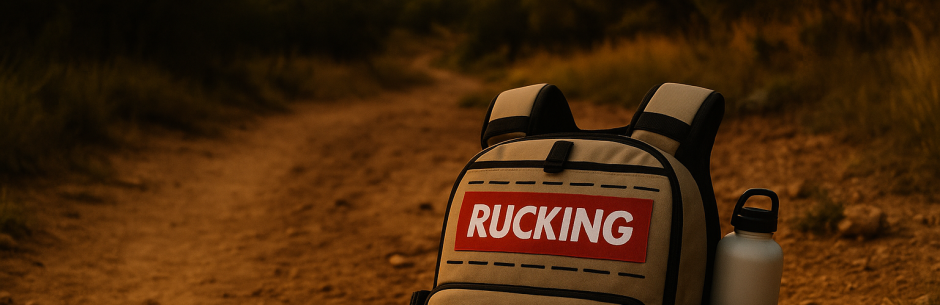
Estimate a ruck in five steps
A rucking calorie calculator is a useful way to compare loaded walks when you keep its assumptions visible. Begin with the route and equipment you can comfortably use, then calculate the session. The number is an estimate for planning and recordkeeping, not a target you need to reach.
This guide uses the current Rucking.Pro weighted-vest and rucking calculator. Rucking.Biz supports that main tool with practical guidance for entering your details and reading the result.
1. Separate body weight from equipment weight
Enter your current body weight without the loaded vest or backpack. Weigh the complete carrying setup separately, including plates, the carrier, water, and other contents. Entering your combined weight and then adding the load a second time overstates the inputs.
The web tool uses pounds. Multiply a kilogram measurement by about 2.205 before entering it. A quick unit check is more useful than recording lots of decimal places.
2. Enter the distance you will walk
Use miles for the route distance. Divide kilometers by about 1.609 to convert. Check whether a route description covers the entire loop or only the outward leg, then update the calculation with the distance actually completed after your walk.
Duration alone is not an input in this web formula. If you want to estimate a 30-minute walk, first establish how far you walked during those 30 minutes rather than assuming the calculator derives the distance for you.
3. Choose carry type and effort
Select Vest or Backpack to match your equipment. The formula uses a 1.0 carry modifier for vest and 1.07 for backpack. Effort presets use 1.0, 1.3, and 1.5. These are broad settings, not personalized measurements of exercise intensity.
Keep the same setting for comparable outings. Do not select the highest effort simply because a session contained a difficult moment, and do not increase the load entry to imitate a hill adjustment.
4. Understand the output
The current formula is miles × (body weight in pounds × 0.57 + carried weight in pounds × 1.23) × effort × carry modifier. It does not directly use exact pace, time, slope, heart rate, or individual fitness.
For example, a 180 lb person walking three miles with 10 lb carried, Vest selected, and effort at 1.0 receives an estimate of about 345 calories. The same calculation at zero load gives about 308. The modeled addition from the load is about 37 calories, not the entire session total.
These are formula examples, not suggested starting loads. The calculation is not validated by military research, and its output does not precisely distinguish active calories from total calories.
5. Keep a record that explains the number
Save distance, load, carry type, effort setting, and the estimate together. Add time and notes about hills or difficult footing separately. Those details help explain why two outings with similar calculator totals might feel very different.
Use equipment that fits your needs and carries its load securely. A product’s maximum capacity is not a recommendation for how much to carry on your first walk.
As an Amazon Associate we earn from qualifying purchases through product links in this article.


Use the app for the walk itself
The Rucking app for iPhone and Android tracks GPS distance, time, pace, and estimated calories using your selected load and carry type. Apple Health or Health Connect access is optional and depends on permission and a compatible setup.

Get the iPhone app or get Rucking on Google Play.
Review recorded distance for obvious errors before comparing sessions. GPS helps document where a distance figure came from; it does not measure metabolic energy. A watch and app agreeing on calories is not independent validation of the estimate.
Let consistency guide progression
Begin with a familiar walk and little or no added load if needed. Repeat it until it feels manageable, then consider changing one variable. There is no universal requirement to start with 20% of body weight or a set number of long sessions each week.
CDC recommends building activity gradually. If a health condition affects your exercise choices, seek individual guidance about suitable activities and amounts.
If you want to dial in gear for comfort on long walks, the Wolf Tactical vest links above are reliable for daily use; for longer miles and more gear the GORUCK option is durable. If you have questions about methodology or the calculators, email the site or leave a comment — I prioritize real feedback from people training outside.
Before your next calculation
Check units, weigh the complete equipment, and keep the assumptions consistent. Do not count the same walk twice in a daily activity total or treat all displayed calories as an extra benefit from carrying weight.
Judge progress by what you can repeat comfortably, how the outing fits your routine, and how you recover. Calorie estimates can support that record. They cannot guarantee fat loss or replace attention to the walk itself.







