Rucking for beginners over 300 lbs
Rucking for beginners over 300 lbs is practical, safe, and effective when approached with conservative progression and attention to comfort.
This guide gives step by step priorities for a large-bodied rucker: equipment choices, walk tempo, load scaling, nutrition basics, and recovery tactics to keep you moving without injury.
Start slow and smart
Start slow and smart
If you weigh over 300 pounds you do not need heavy weight to get benefit. Begin with bodyweight walks, short intervals, and a supportive vest or ruck that fits without chafing.
Assess mobility and footwear
Assess mobility and footwear
Check ankles, knees, hips and standing balance before adding load. Choose supportive footwear with a stiff sole and wide base. If balance is a concern start with a hiking pole or two.
Equipment priorities
Equipment priorities
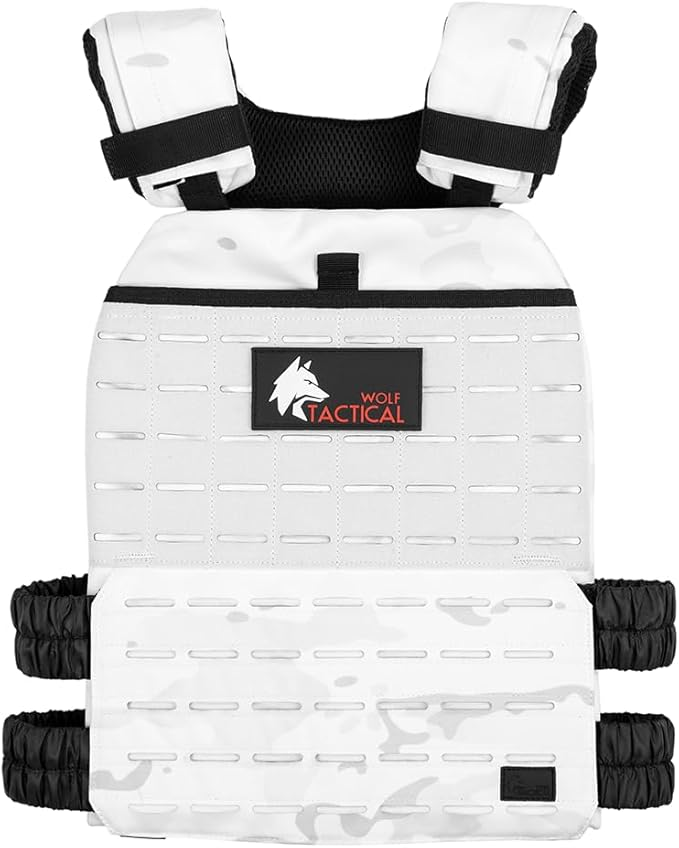
For beginners favor comfort and simplicity: a well fitting vest or a low profile ruck with padded straps. Consider the Wolf Tactical Simple Weighted Vest for padding and ease of use when you add small plates.
A hydration pack like the CamelBak Motherlode is useful on longer walks and for people who sweat a lot; hydration prevents fatigue and makes consistent progress more likely.
Load progression and pacing
Load progression and pacing
Start with bodyweight only for two to four weeks, building a consistent 20 to 40 minute brisk walk three times per week. Then add 5 to 10 pounds of distributed weight in a vest or small ruck plate and keep intensity low until movement feels secure.
Use perceived exertion rather than pace; talk-test intensity keeps cardiovascular stress manageable while your joints adapt.
Programming and frequency
Programming and frequency
Aim for three to four ruck sessions per week, alternating easy days with one slightly longer but still moderate session. Include two days of mobility and light strength work targeting hips, glutes, and posterior chain.
Nutrition and recovery
Nutrition and recovery
For weight over 300 pounds caloric control plus progressive activity is key. Start with modest reductions using whole foods, protein at meals, and avoid extreme restriction. Sleep, foot care, and anti inflammatory strategies like icing after long walks help recovery.
Calculator and tracking
Calculator and tracking
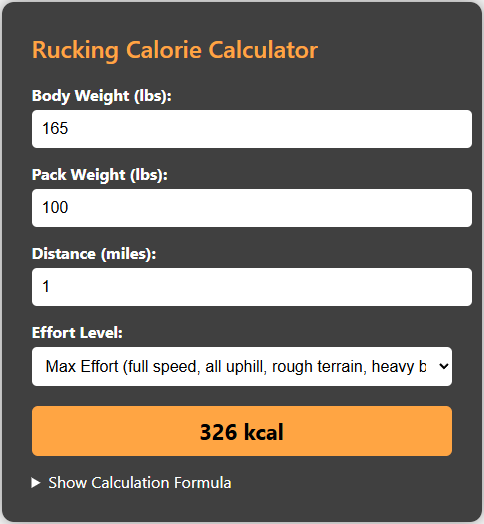
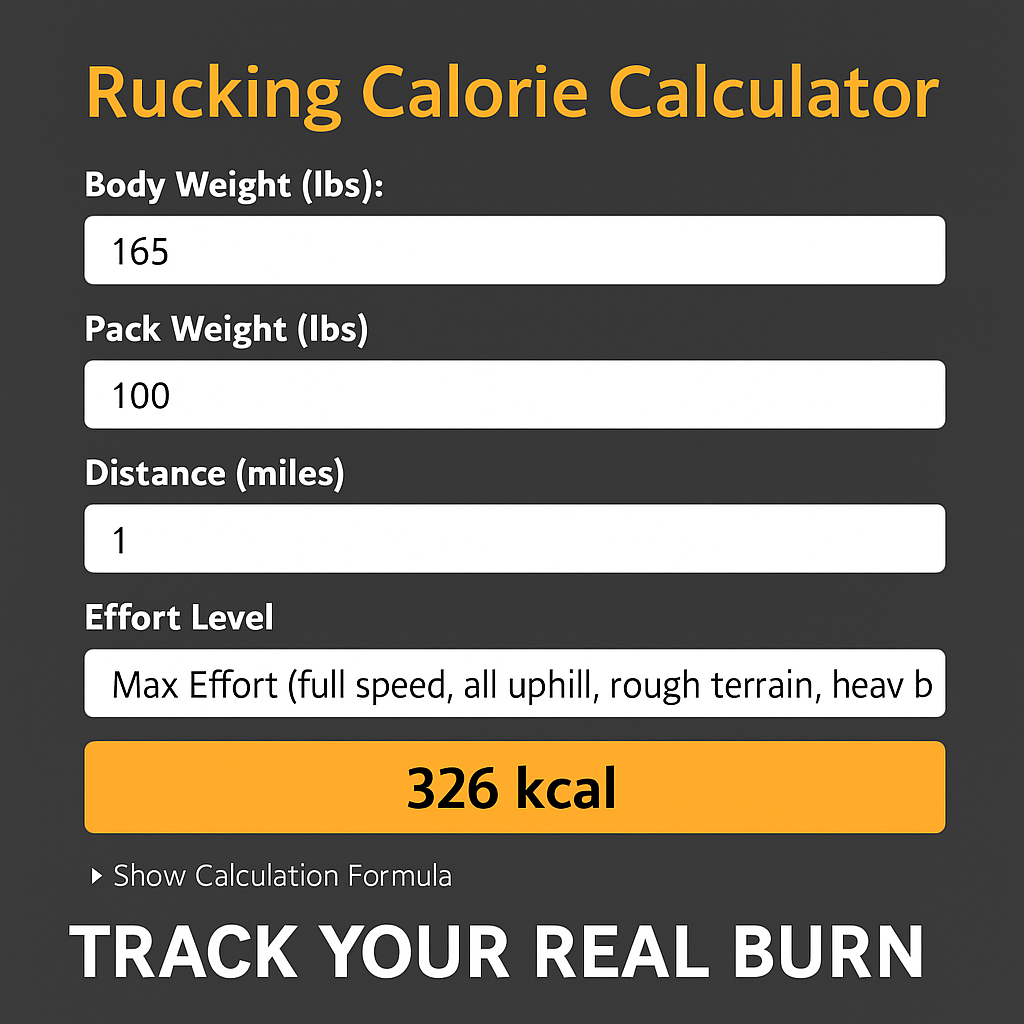
Use a reliable calorie calculator to estimate burn and bridge workouts with nutrition. Try the Rucking calorie calculator linked below; it accounts for weight, pace, and load so you can adjust targets safely.

Track walks with the Rucking app on Google Play — the app records calories burned while rucking or using a weighted vest, includes a weight loss calculator and gear links.

Preston Shamblen lost 90 lbs through rucking, weighted-vest training, and disciplined nutrition and still recommends vests as a reliable way to burn fat and maintain weight loss.
Practical tips
Practical tips
- Begin with ten to twenty minute walks and add five minutes each week.
- Use short rest breaks and stop for pain, not discomfort.
- Keep vest load under 10% of bodyweight for early weeks.
- Prioritize even weight distribution and avoid sudden increases.
If pain persists consult a physical therapist and consider swapping to a backpack ruck or reducing sessions. Rucking is cumulative work; consistency matters more than intensity at the start.
Gear recommendations
Gear recommendations
For comfort choose the Wolf Tactical Simple Weighted Vest; for hydration during longer rucks consider the CamelBak Motherlode.


Final thoughts
Final thoughts
Rucking for beginners over 300 lbs is about building durable habits: short walks, supportive gear, conservative loads, and consistent recovery. Use the calculator, track with the app, and move steadily.
Common mistakes
Common mistakes
A few common mistakes: starting with too much weight, ignoring foot pain, and skipping easy days. Also people often underestimate hydration and footwear; blisters and joint soreness are preventable with slower progression and proper socks.
Sample 8-week plan
Sample 8-week plan
Three walks per week, fifteen to twenty minutes, no added weight, focus on steady pace and foot care.
Add five pounds distributed in a vest, keep sessions similar length, add one mobility day and light band work.
Increase walk time to thirty to forty minutes on one session, maintain other sessions at twenty to thirty. Increase weight by another five pounds only if form is unchanged.
One longer moderate ruck at forty to sixty minutes with controlled load, two easier active recovery walks, and reassess comfort and goals.
Safety checklist
Safety checklist
Warm up five minutes, check shoes, start on soft surfaces, carry ID and phone, monitor heart rate if possible, stop for sharp pain, progress slowly with rest days.
Consistency over months produces durable changes; celebrate small wins like longer uninterrupted walks, fewer breaks, and improved balance. If you need structured help contact a certified trainer or physical therapist who understands load carriage for larger athletes.
Use the app and calculator, and be patient with progress.