Rucking Every Day for Weight Loss: Practical Plan
Rucking every day can be an efficient, low-cost way to create a sustainable calorie deficit and preserve muscle while you lose weight. This guide lays out a realistic, progressive plan that focuses on frequency, load, recovery, and simple nutrition so you can make daily rucking work without burnout.
Progression and Recovery
Start conservative: three to four ruck sessions the first week, then build to daily sessions over four to six weeks. Begin with a light load — 10 to 15 percent of bodyweight is sensible for most beginners — and prioritize steady walking pace, not speed. Daily rucking is more sustainable when intensity is managed.
Plan easy days: active recovery, mobility, or short unweighted walks reduce risk of overuse injuries. Listen to your body — soreness is normal, pain that alters movement patterns is not. Rotate routes and surfaces to vary impact and use footwear with good support.
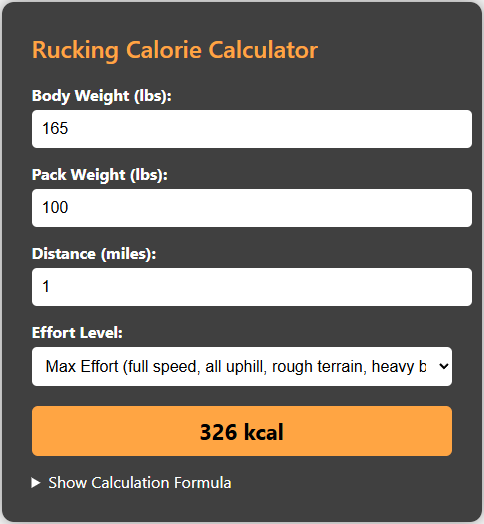
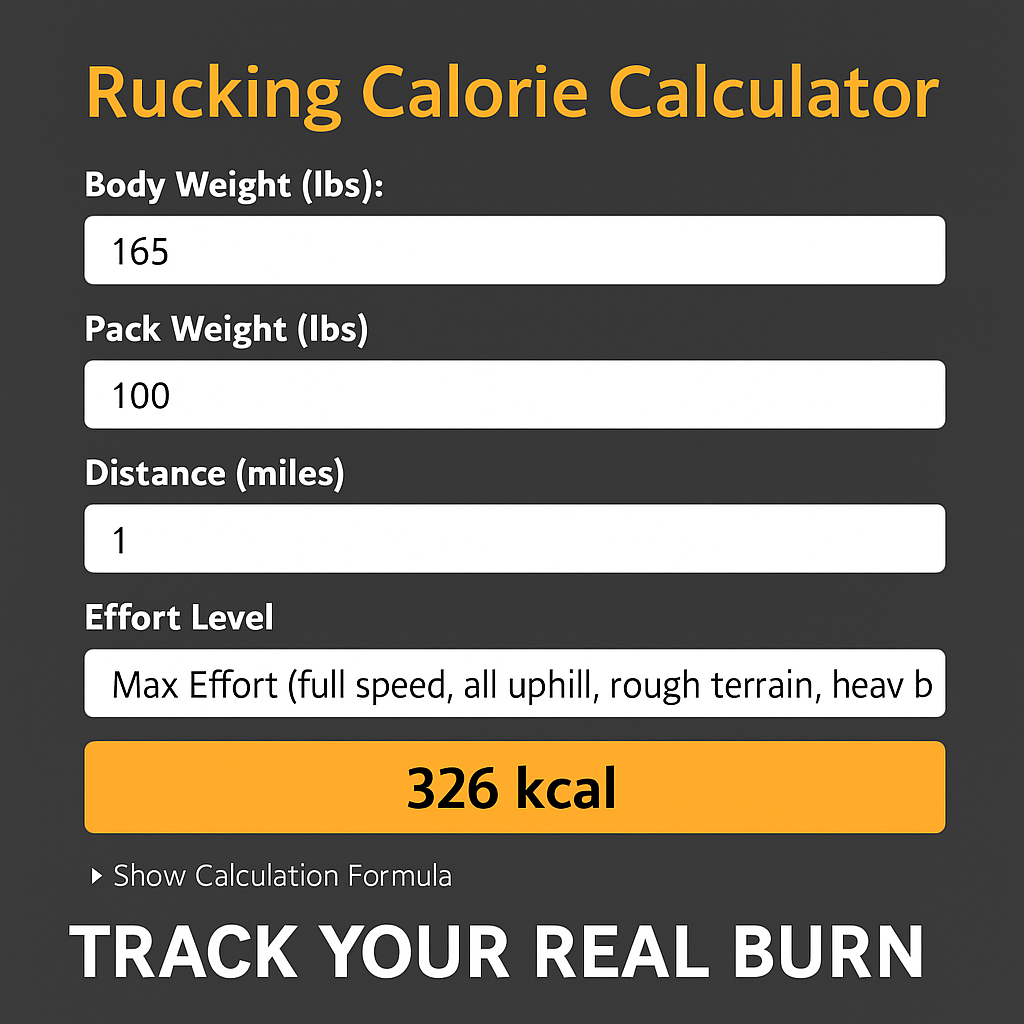
Track calories burned to ensure your daily rucks produce a net deficit. Use the Rucking Calorie Calculator to estimate energy cost for a weighted vest or backpack ruck — it’s the simplest way to plan progression and portion sizes.


A practical daily template: 30–60 minutes at conversational pace with 10–20 percent bodyweight most days, and one longer 75–120 minute ruck once per week. If you carry higher loads reduce frequency or insert an extra rest day. Progress load before pace: add five pounds every one to two weeks if recovery stays good.
Nutrition matters: aim for a modest 300–500 calorie daily deficit from maintenance, prioritize protein (0.6–0.8 g per pound bodyweight), and keep meals simple. Daily rucking preserves lean mass better than cardio-only approaches when protein intake and resistance work are maintained.
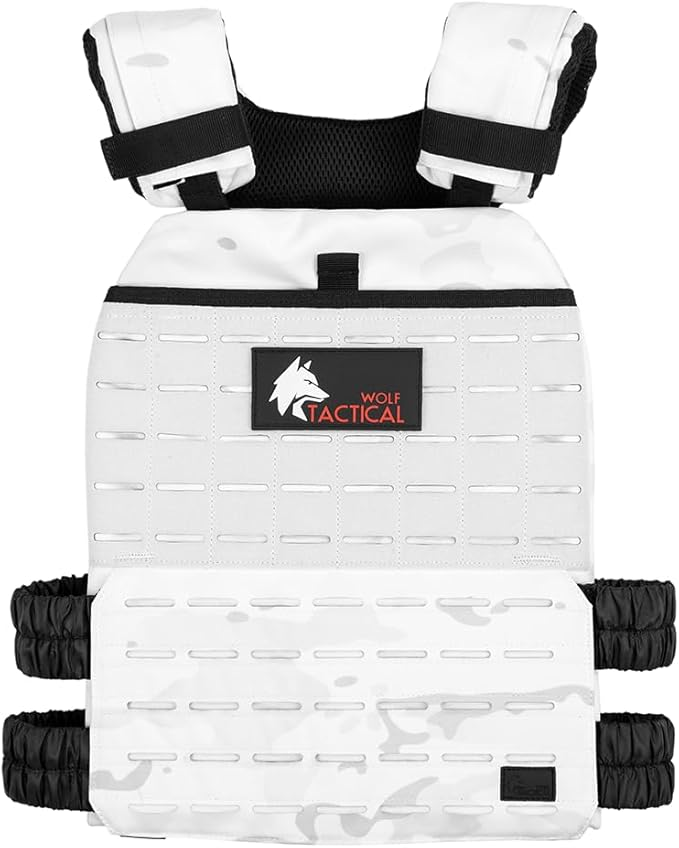
Choose gear that supports daily use: a comfortable adjustable vest or a hydration rucksack will reduce friction and make consistency possible. For an approachable vest consider the Wolf Tactical Weighted Vest. For longer routes pick a supportive hydration pack like the CamelBak Motherlode.


Form, Pace, and Progression Tips
Form matters: stand tall, take slightly shorter steps when loaded, engage core, and keep shoulders relaxed. Heel-toe roll is fine; avoid overstriding which increases braking forces. Maintain a conversational pace for fat loss sessions and save interval efforts for shorter days.
Use perceived exertion or heart rate zones if you have a monitor. Most daily rucks should sit in Zone 2 (conversational, aerobic) to maximize fat oxidation and recovery. Short high intensity rucks twice monthly can preserve conditioning but are not required for weight loss.
Log weight, circumference, and ruck metrics weekly. The app stores sessions and calories, creating a clear trendline that beats guesswork. If plateaus linger, reduce calories slightly or add one extra longer ruck each week rather than daily increases that raise injury risk.
Sample week (after adaptation):
- Mon: 45 min easy ruck with 10% bodyweight.
- Tue: 30 min mobility + bodyweight strength.
- Wed: 60 min ruck with 12–15% bodyweight.
- Thu: 30–45 min easy ruck.
- Fri: Rest or short unweighted walk.
- Sat: 90 min long ruck with hydration pack.
- Sun: Active recovery, mobility, or optional short ruck.
Injury prevention: strengthen hips and ankles with twice weekly resistance work, maintain calf and plantar mobility, and swap surfaces. Incremental increases in load and duration avoid tendinopathy. If joint pain arises, back off load and prioritize mobility and soft tissue work.
Consistency wins. With steady daily rucks, sensible nutrition, and measured progression you should expect 0.5–2 pounds per week depending on starting point. Use the app to keep honest records, swap gear if discomfort persists, and treat rucking as a long-term lifestyle habit rather than a short sprint.
Affordable, reliable gear keeps you consistent. A Wolf Tactical vest provides padding and adjustability for everyday wear and is a good starting point for most ruckers. For hydration and longer routes the CamelBak Motherlode offers capacity and durability. Always break in new footwear and carry a simple first aid and blister kit on long rucks. Follow consistent pacing, track with the app, and treat daily rucking as a scalable habit you can sustain for months and years to come. Start sensibly today, consistently.