Understanding calories burned rucking vs eating
Rucking is walking with added load. Comparing calories burned rucking vs eating requires two simple measures: the energy you expend during the activity and the energy you consume in foods. Both are measured in kilocalories (commonly called calories). The comparison is straightforward when you translate food portions into calories and rucking sessions into calories burned per hour using body weight, pack weight, pace, and terrain.
How to estimate rucking calories
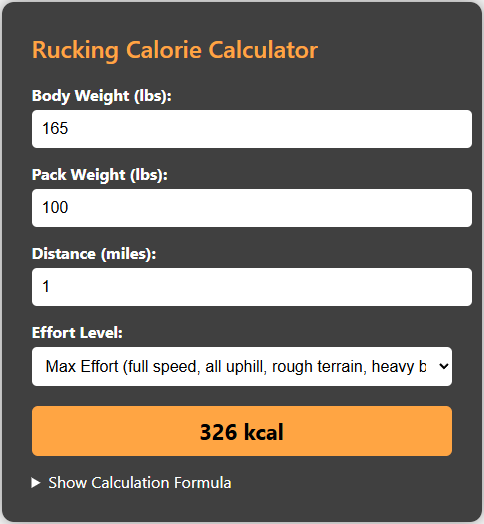
Use a reliable calculator or a rule of thumb. Most people burn roughly 300 to 900 calories per hour rucking depending on intensity. Factors include body mass, added weight, speed and grade. For precise planning, use the Rucking Calorie Calculator to estimate burn.
Practical food comparisons
Translating activity into food helps decisions. For example, a 45 minute moderate ruck might burn 400 calories. That equates roughly to:
- One fast food hamburger (about 300–600 calories depending on size).
- A medium latte plus snack (around 300–450 calories).
- Two medium bananas and a handful of nuts (about 400 calories).
Seeing calories this way helps with real choices in the field: if you burn a 400 calorie session, you can choose to refuel with nutrient-dense whole foods or accept a modest deficit for weight loss.
Calculator and exact tracking
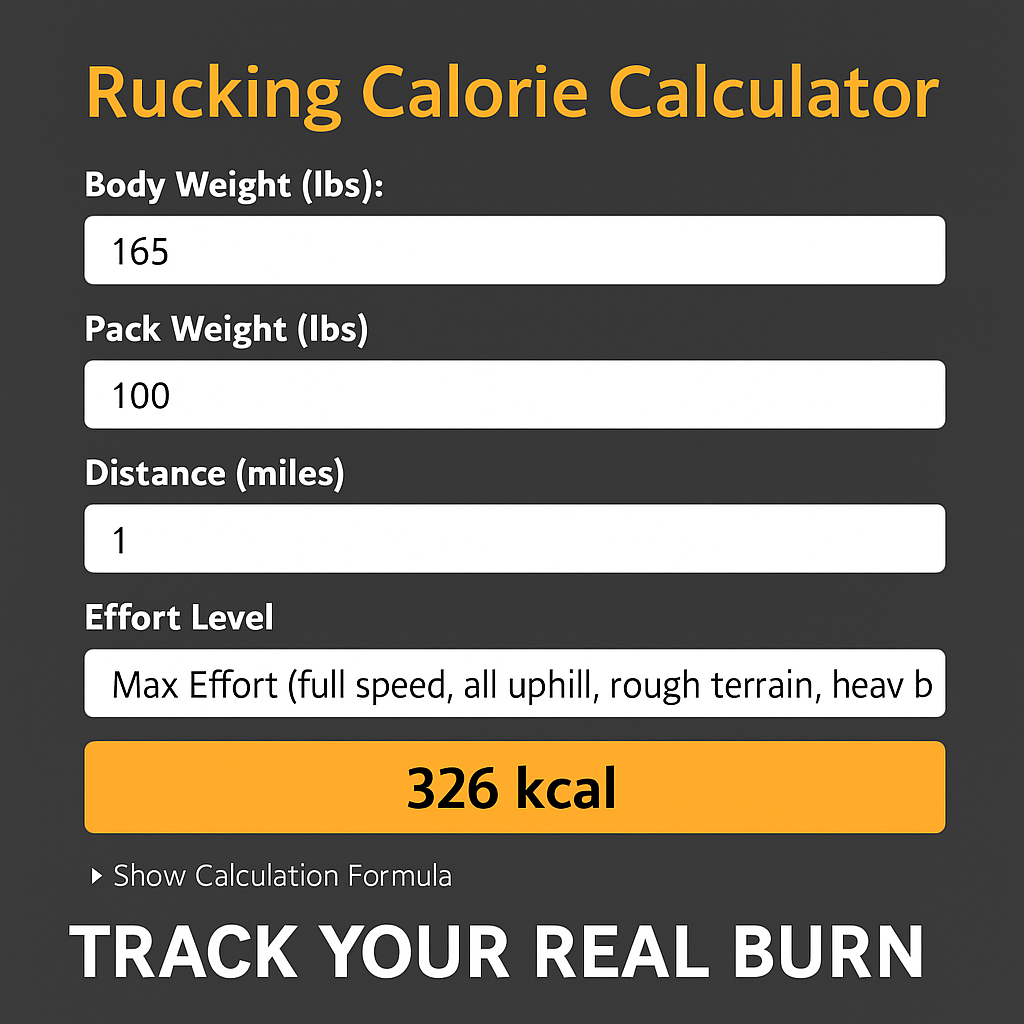
For exact comparisons use the Rucking Calorie Calculator. It gives an evidence-based estimate tailored to your weight and load. Click the screenshot to open the calculator and try a few scenarios before planning meals or training.

Gear that changes the math
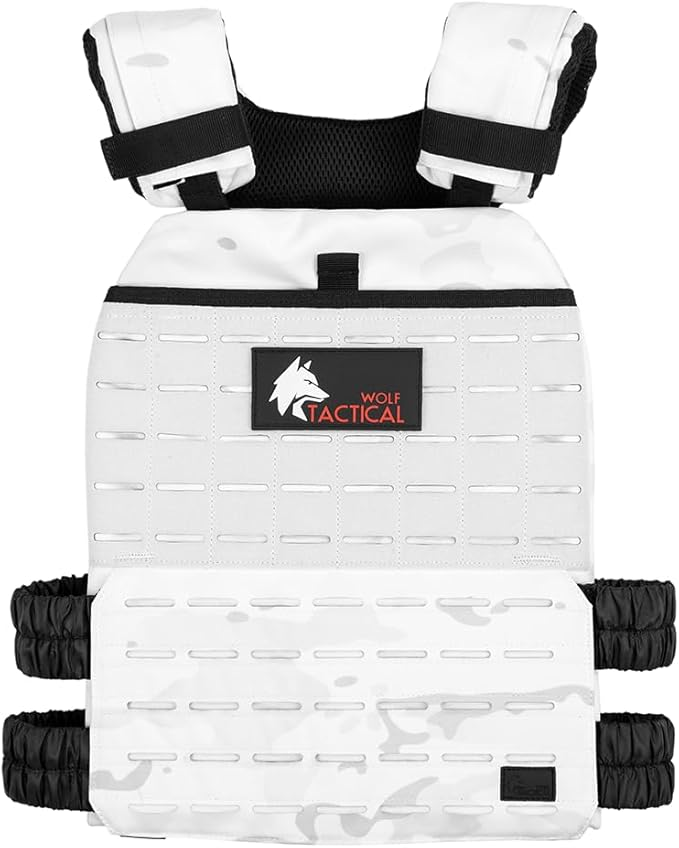
Adding a vest or heavier rucksack increases caloric cost per hour. If you mainly use a weighted vest for short, intense walks or intervals, a robust vest is a good choice. If you plan longer loaded marches, a ruck backpack offers better comfort and load distribution.
Consider the following gear when choosing how hard to push:
A reliable option for adjustable loads is the Wolf Tactical Adjustable Weighted Vest.

For longer rucks consider the GORUCK Rucker 4.0 20L.

Use the app to track real sessions
For Android users the Rucking App on Google Play tracks calories burned while rucking or wearing a weighted vest, offers a weight loss calculator, and links to gear and discounts. Tap the image to open Google Play and install the app to get real-world burn numbers that reflect your pace and terrain.

Training tempo, pacing, and calorie efficiency
Tempo matters. Sustained moderate pace with added load produces consistent burn and trains endurance, while interval-loaded short rucks spike metabolic rate and continue burning post-exercise. If time is limited, short high-intensity weighted-vest sessions burn a high number of calories relative to time, but long steady rucks accumulate more total energy expenditure during the session. Aim to mix both weekly: two interval-loaded walks and one long endurance ruck.
- Interval sessions: 20–40 minutes with 5–10 minute warm up and alternating efforts.
- Endurance rucks: 60–180 minutes at a steady conversational pace with hydration and small snacks.
- Recovery: prioritize sleep, protein, and electrolytes for repeat sessions.
Hydration plays a major role in performance and perceived exertion. For long walks use a hydration system like a bladder or bottle to sip consistently. Also consider an electrolyte supplement if you sweat heavily — I use Pump-Ocalypse during long weighted walks to maintain performance and avoid cramping.
Finally, log both intake and output. If you consistently overestimate calories burned and then eat back the entire amount, you stall progress. Using the Rucking App or the online calculator gives numbers to trust. Apply small adjustments rather than dramatic swings to food intake.
Remember consistency with moderate deficits and regular rucking beats sporadic extremes. Use the tools provided and track responsibly, plan meals around training and recover.