Rucking for bad back: an overview
If you have a history of lumbar pain, rucking can still be an excellent way to build strength and burn calories while protecting your back. This guide walks you through assessment, technique, progressive loading, and practical gear choices to help you ruck safely and minimize flare ups.
Assess and clear before you load
Start by seeing a clinician if you have recent or severe sciatica, numbness, weakness, unexplained weight loss, or fever alongside back pain. If cleared, proceed cautiously with these steps.
Body mechanics and breathing
Neutral spine matters. Maintain a slight curve in the lower back, avoid excessive slumping, and hinge at the hips for lifts. Breathe diaphragmatically to stabilize the core during transitions and when picking up weight.
Start with unloaded walking and regressions
If walking with any load increases pain, return to unloaded walking and specific regressions. Focus on cadence, posture, and hip extension. Work on glute bridges, bird dogs, and single leg balance before adding weight.
Gradual loading plan
Progress slowly. Start with a light vest or small ruck plate and very short durations. A reasonable plan is two weeks per step: add 10 percent of load or 10 minutes of time each step and monitor symptoms. Back pain that settles within 24 to 48 hours is usually acceptable; persistent or worsening pain means back off.
Technique cues for rucking
Keep the pack or vest high on your torso so weight sits over the hips. Shorten stride slightly, maintain a steady cadence, and avoid excessive forward leaning. Use trekking poles if balance or shock absorption is needed. If the vest concentrates weight in the front, reduce the load or choose a more balanced carrier.
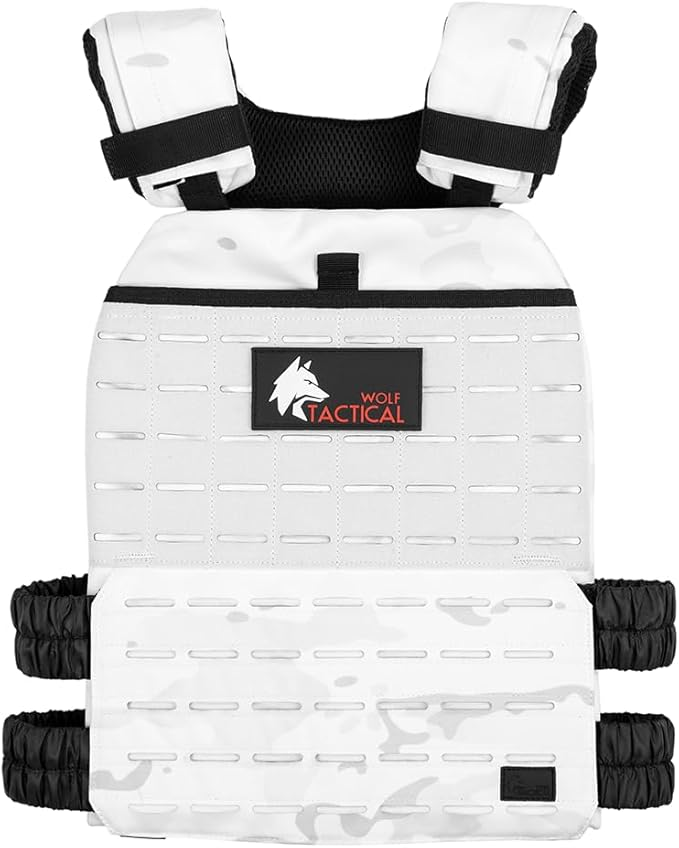
Comfort-minded vests I recommend include the Wolf Tactical Simple Weighted Vest for adjustable, even loading.

For longer, hydration-focused rucks consider the CamelBak Motherlode 100oz Mil Spec Crux Hydration Backpack to combine water capacity with adjustable load.

When to stop and seek help
If rucking causes new neurological symptoms, bowel or bladder changes, progressive leg weakness, or severe unrelenting pain, stop immediately and seek medical evaluation. A physical therapist can tailor exercises and progressions that protect healing tissues while improving tolerance for load.
Practical session template
Use this simple session structure once cleared by a clinician.
- Warm up: ten minutes walking, mobility drills, glute activation.
- Main: vest or light ruck for ten to twenty minutes at conversational pace; stop if pain increases.
- Recovery: five to ten minutes easy walking, foam rolling, gentle extension.
- Progression: increase load or time by small increments every one to two weeks only when symptom free.
Tools and tracking
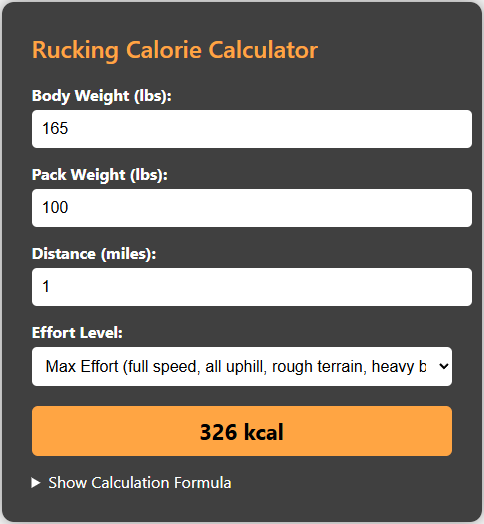
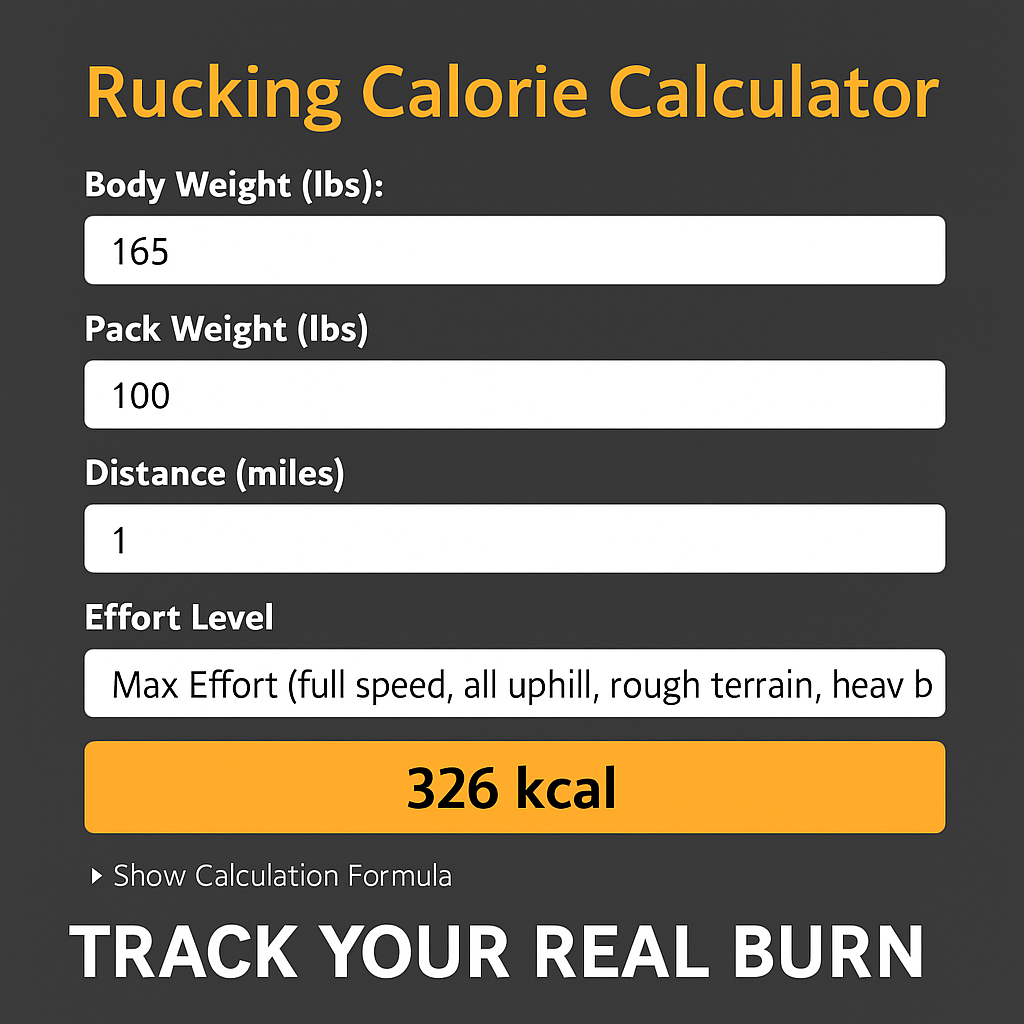
Track load, time, and pain scores to spot trends. Use the rucking calorie calculator to estimate energy burned for planning nutrition and recovery. Test different vest weights in the calculator to find a conservative starting load.

Track sessions with the Rucking app available on Google Play for accurate calorie tracking and weight loss planning.


Final tips
Prioritize pain-free progression, balance strength work with conditioning, and focus on even load distribution. If you use plates or heavy vests, favor vest designs that spread weight and keep load high and close to the spine.
If looking for a starter vest, the Wolf Tactical Simple Weighted Vest is comfortable for walks and short rucks, while the CamelBak Motherlode is better for long, hydrated rucks. Links to gear and more tools are in the app and on the site.
Quick checklist
Follow this checklist before adding weight.
- Medical clearance or absence of red flags.
- Ability to walk pain free for twenty minutes unloaded.
- Core and hip activation drills performed daily for two weeks before loading.
If pain flares, reduce load or volume and return to the previous pain-free step. Use a physical therapist to progress safely. Small, consistent increases protect the spine and build work capacity. Rucking is a practical, load-bearing tool to keep you fit when applied with respect for your back and patience.